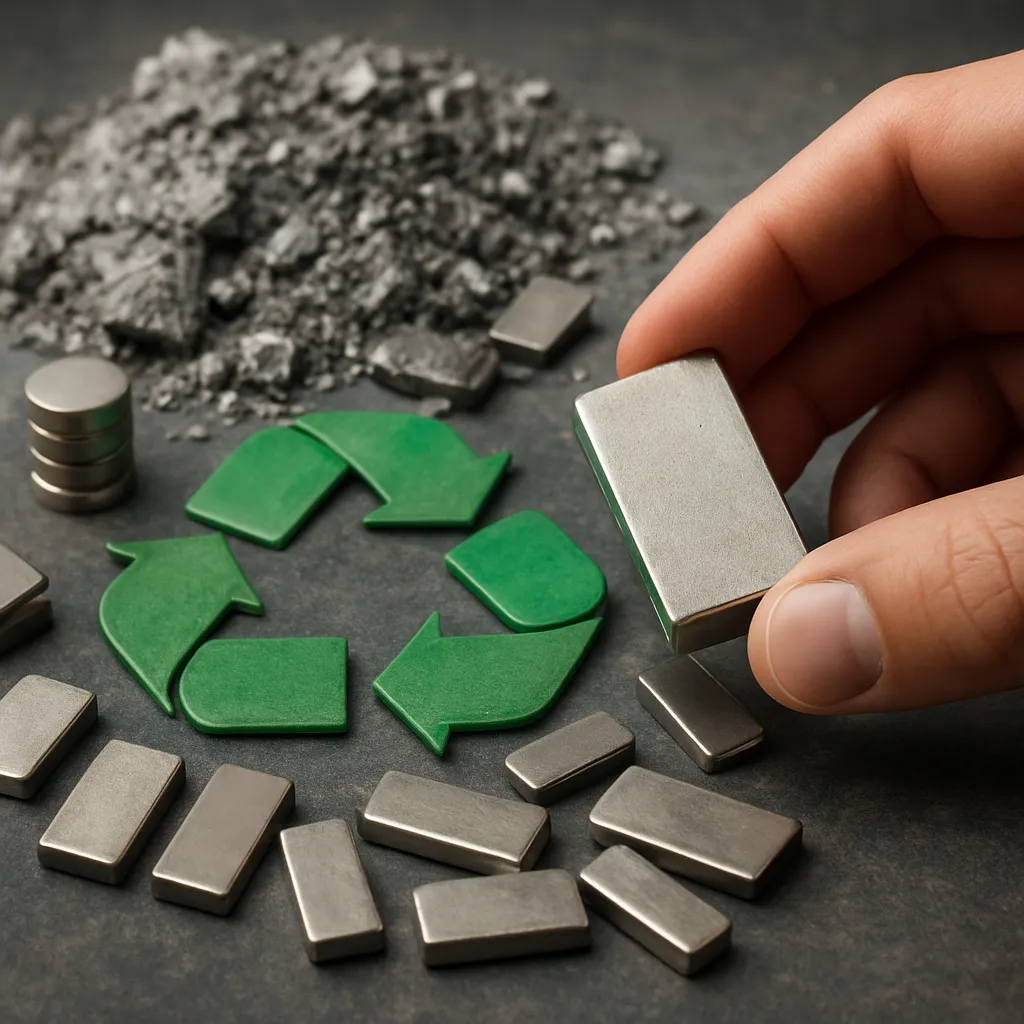
Rare earth magnets serve as the beating heart of countless modern devices, from wind turbines and electric vehicles to smartphones and MRI machines. Their unique magnetic properties stem from critical elements such as neodymium, praseodymium, and dysprosium, whose limited reserves and complex extraction processes pose pressing challenges. Amid rising demand and geopolitical tensions, prioritizing the recycling of these powerful materials can reshape global supply dynamics while safeguarding the environment and boosting industrial innovation.
Global Demand and Critical Material Supply
The exponential growth in clean energy technologies and advanced electronics has triggered an unprecedented surge in rare earth magnet consumption. Governments and manufacturers worldwide are racing to secure stable sources of neodymium and related elements, driving up prices and igniting trade disputes. While mining operations remain the primary supply channel, they suffer from significant drawbacks:
- Environmental impact: Open-pit mining generates toxic tailings and heavy metal contamination, threatening ecosystems and local communities.
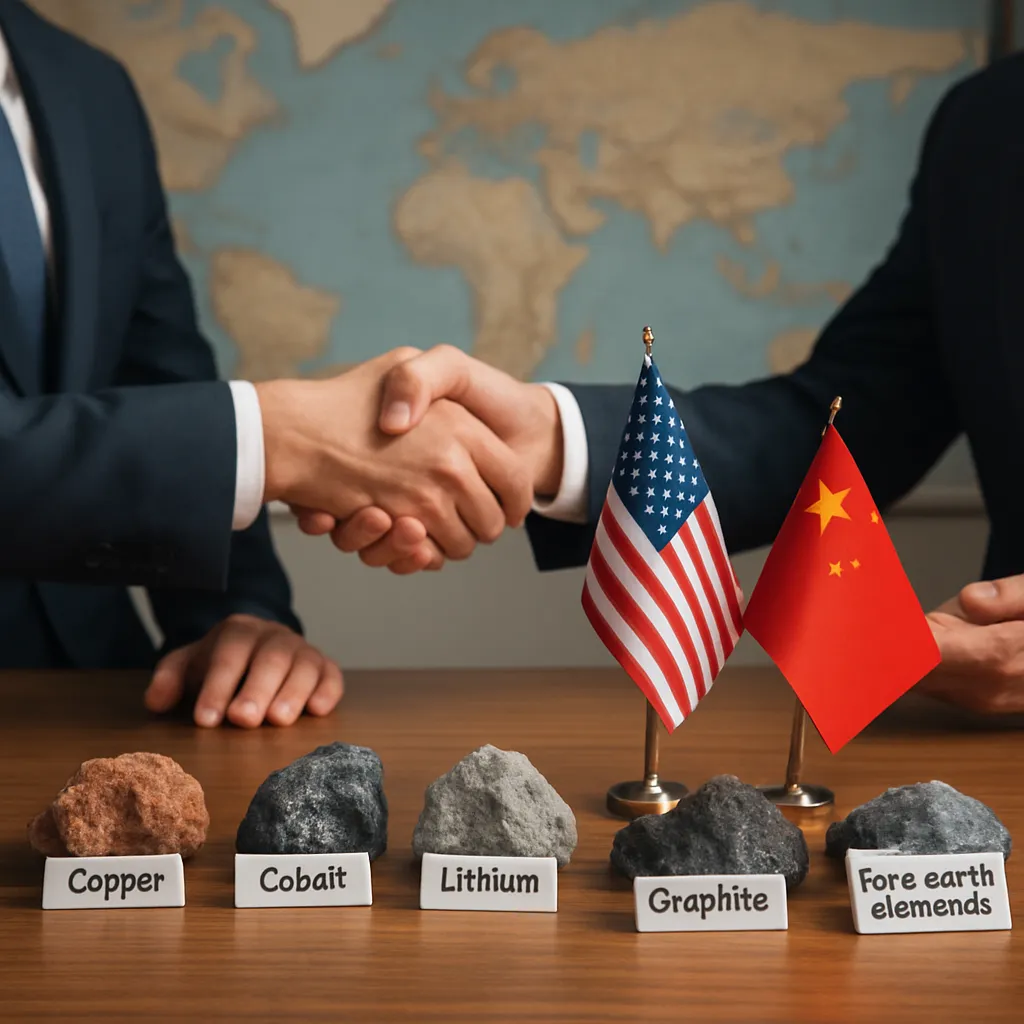
- Geopolitical concentration: Over 80% of rare earth production is dominated by China, raising concerns about supply chain disruptions.
- High energy and water consumption during processing, often reliant on fossil fuels.
These factors underscore the need for alternative strategies that can alleviate pressures on primary extraction and enhance sustainability across the magnet value chain.
Technical and Economic Challenges in Magnet Recycling
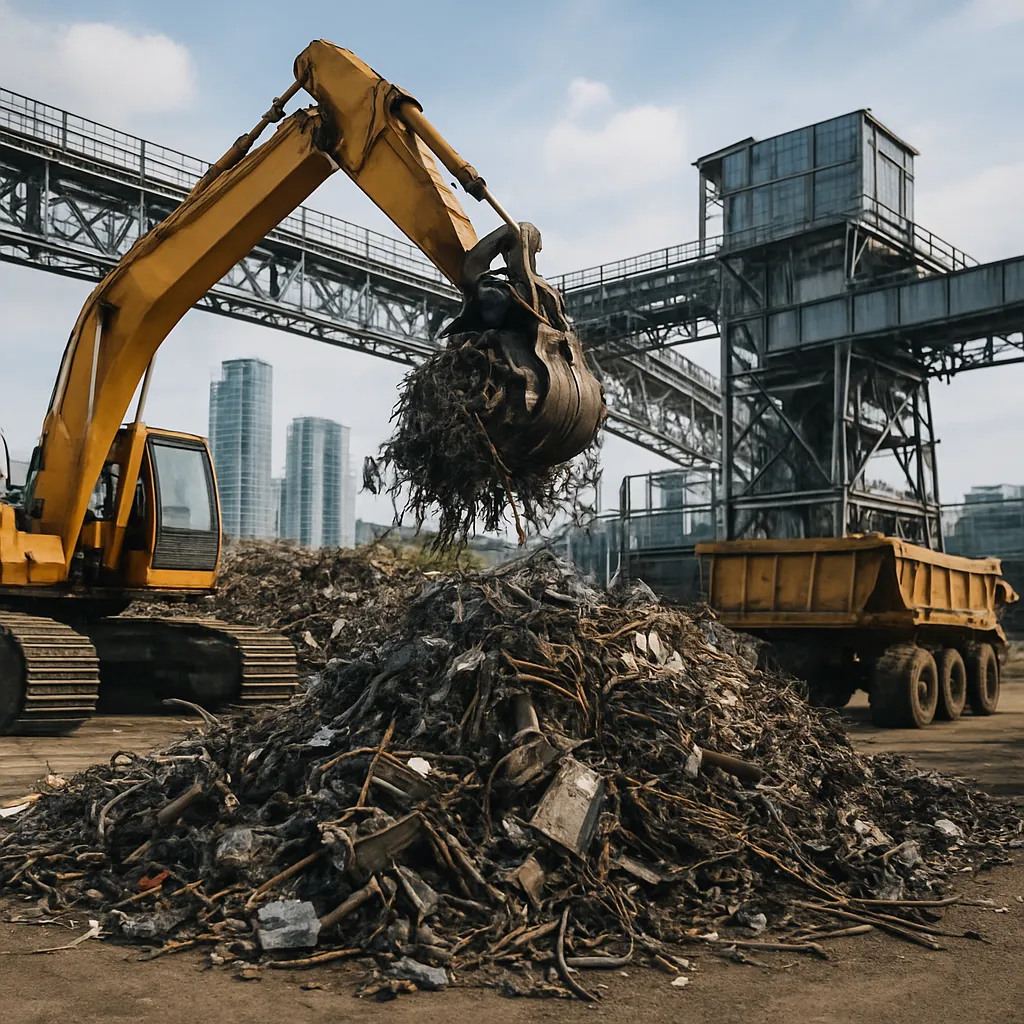
Recycling rare earth magnets is far from straightforward. These components are typically embedded within complex assemblies and bonded with resins or protective coatings. The main hurdles include:
- Disassembly complexity: Extracting magnets from end-of-life products without damage.
- Chemical separation: Isolating neodymium and dysprosium from other metals and adhesives.
- Purity standards: Meeting stringent quality requirements for remanufactured magnets.
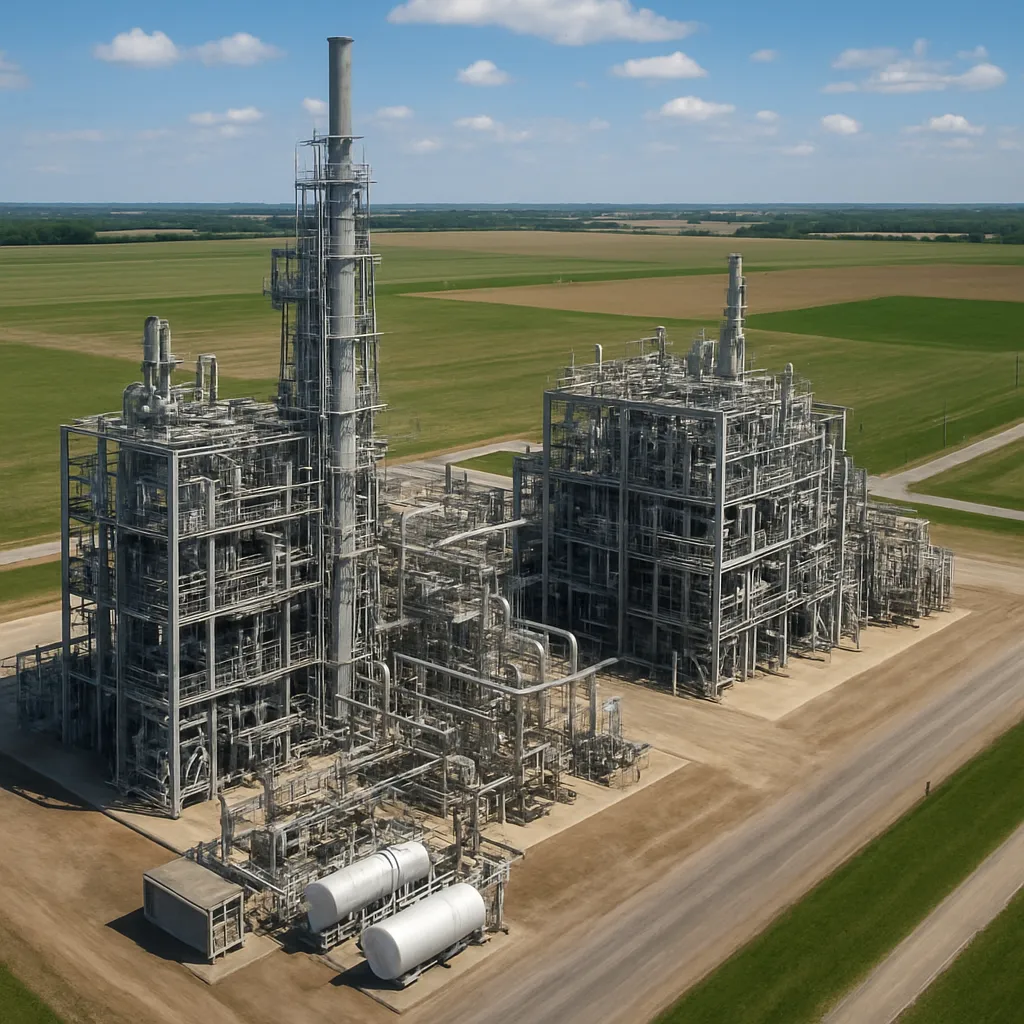
Innovative processes are emerging to tackle these issues. Hydrometallurgical techniques employ acid leaching followed by selective precipitation, enabling high-purity recovery. Meanwhile, dedicated pyrometallurgical methods leverage high temperatures to separate and reform magnet alloys. Yet, both approaches must overcome cost barriers and optimize resource efficiency.
Advances in Direct Recycling
One promising route is direct recycling, which preserves the original magnet’s crystal structure. This method avoids intensive chemical treatments by:
- Recovering shredded magnet powders.
- Re-sintering under controlled atmospheres.
- Restoring magnetic performance through heat treatment.
Direct recycling can slash energy consumption by up to 70% compared to primary production, translating into lower carbon footprints and enhanced circular economy outcomes.
Strategic Advantages of Prioritizing Magnet Recovery
Elevating rare earth magnet recycling to a strategic priority yields multifaceted benefits for industry, governments, and society at large:
Strengthening Resource Security
By cultivating domestic and regional recycling infrastructures, nations can reduce their reliance on imported rare earths. This diversification boosts resilience against export restrictions or supply shocks, ensuring uninterrupted progress in sectors reliant on high-performance magnets.
Advancing Technology and Innovation
Investment in recycling R&D spurs breakthroughs across materials science and process engineering. Novel separation membranes, bioleaching techniques using specialized microorganisms, and low-temperature plasma treatments are attracting attention for their potential to increase recovery rates while reducing chemical waste. Such advances not only refine recycling workflows but also trickle down into broader metallurgical and environmental applications.
Lowering Environmental Footprint
Recycled magnets generate far fewer greenhouse gas emissions and water pollutants compared to open-pit mining and solvent-intensive processing. Lifecycle analyses consistently show that circular magnet loops can cut CO₂ emissions by 50–80%, while also mitigating soil erosion and habitat destruction.
Economic and Policy Incentives
Governments are recognizing the strategic importance of rare earth recycling. Subsidies, tax credits, and public–private partnerships are emerging to jumpstart local ventures. Key policy measures include:
- Mandating recycling targets for end-of-life electronics and automotive batteries.
- Providing grants for pilot plants and scale-up projects.
- Establishing certification schemes that validate recycled magnet quality.
These frameworks serve to galvanize investment, lower entry barriers, and foster collaboration across academia, industry, and government agencies.
Future Outlook and Call to Action
Achieving a robust magnet recycling ecosystem requires concerted efforts on multiple fronts. Manufacturers must redesign products with end-of-life recovery in mind, adopting modular architectures and labeling schemes that ease disassembly. Researchers need sustained funding to refine cutting-edge separation and re-sintering technologies. Policymakers should craft clear standards and remove regulatory hurdles that impede material flows. Consumers, too, play a role by returning obsolete electronics and EV batteries to authorized collection centers.
Ultimately, elevating rare earth magnet recycling from niche to mainstream is not merely an environmental imperative—it is a strategic necessity for preserving competitive advantage in the global technology landscape. By closing the loop on critical materials, stakeholders can safeguard supply chains, spur innovation, and champion a truly sustainable future.