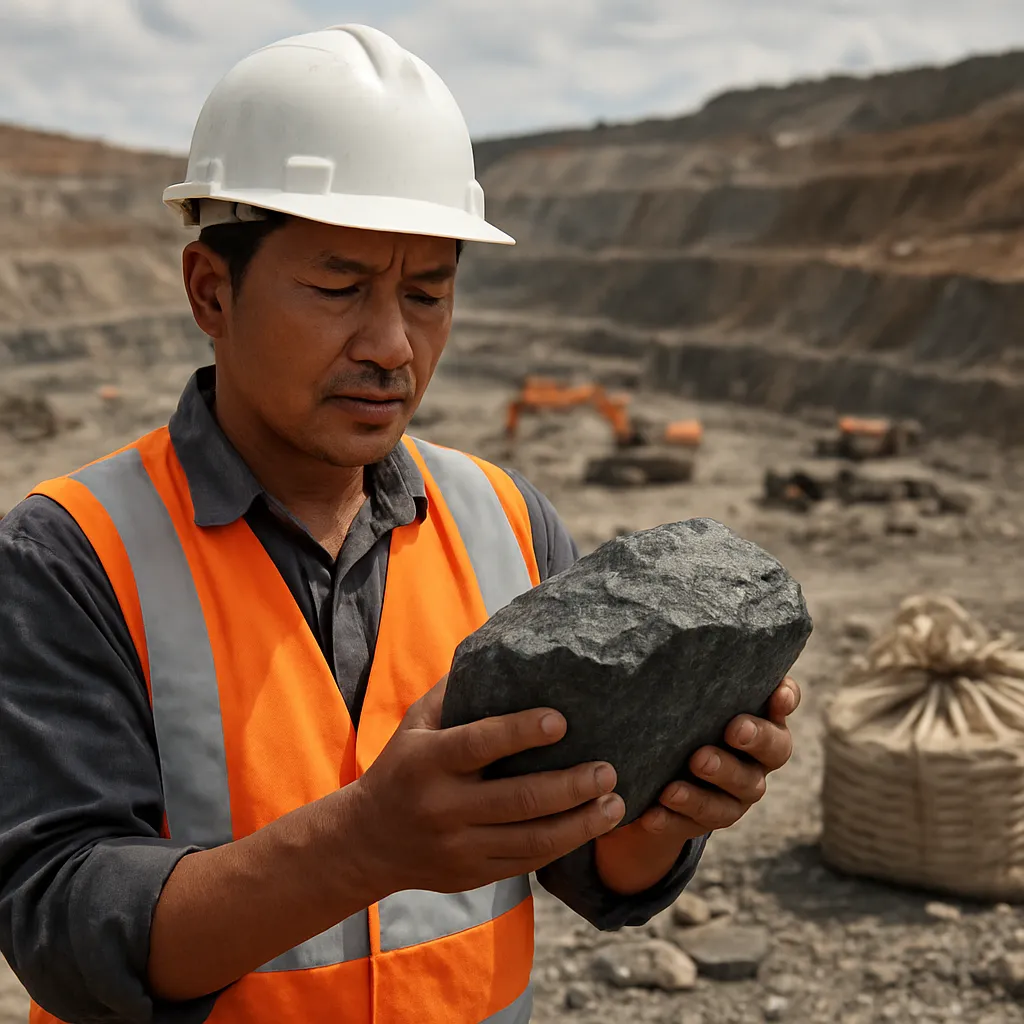
The escalating demand for advanced technologies—from electric vehicles to renewable energy systems—has thrust critical minerals like lithium, cobalt, nickel, and rare earth elements into the global spotlight. As industries race to secure these resources, establishing **ethical**, sustainable, and transparent supply chains becomes a strategic priority. This article delves into the multifaceted challenges and innovative solutions surrounding the sourcing of global rare metals, exploring how stakeholders can collaborate to foster accountability, resilience, and lasting impact.
Transparent Sourcing for Critical Minerals
Ensuring traceability from mine to end-product is essential to guarantee that critical minerals are extracted and processed under responsible conditions. Fragmented supply networks spanning multiple countries and intermediaries increase the risk of illicit practices, human rights abuses, and environmental degradation. Streamlining information flow requires robust data frameworks, rigorous audits, and digital tools that provide real-time visibility into each transaction.
Frameworks for Traceability
- Certification schemes: Industry-led standards such as the Initiative for Responsible Mining Assurance (IRMA) outline performance criteria for environmental management, labor rights, and community engagement.
- Third-party audits: Independent verification bodies conduct on-site assessments to validate compliance with social and environmental benchmarks.
- Blockchain registries: Decentralized ledgers record each step of the supply chain, mitigating the risk of data tampering and fostering immutable records of provenance.
Leveraging Digital Technology
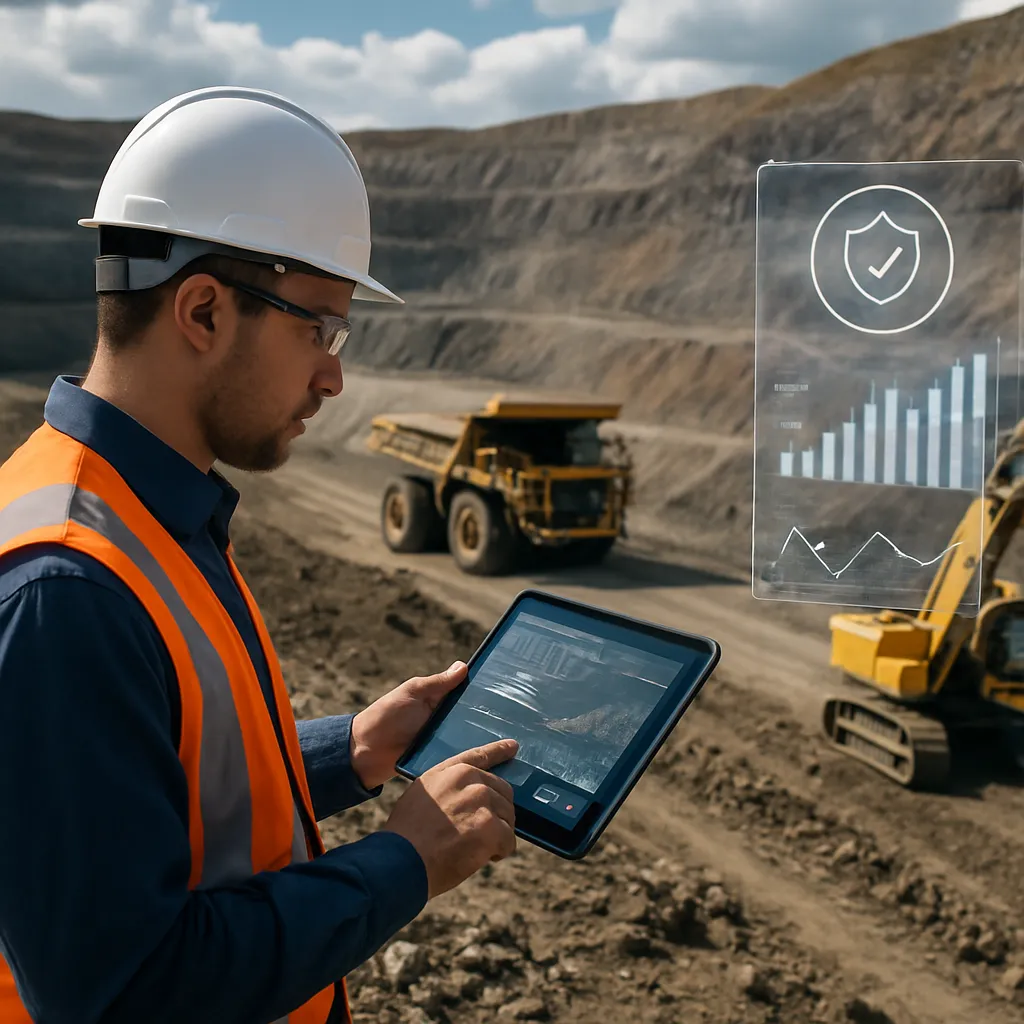
Advanced sensor networks, Internet of Things (IoT) devices, and cloud-based platforms can capture critical metrics—such as CO₂ emissions, water usage, and labor conditions—at every stage. By integrating machine learning algorithms, companies can predict supply disruptions, assess risk exposure, and optimize logistics to enhance transparency across complex global routes.
Social and Environmental Responsibility in Mining
Securing critical minerals inevitably intersects with concerns over land rights, biodiversity loss, and the well-being of local communities. A holistic approach to mining must prioritize environmental stewardship and uphold stringent labor and human rights standards. Mining firms, governments, and civil society organizations have a shared duty to implement safeguards that address both ecological impact and social justice.
Community Engagement and Human Rights
- Free, Prior, and Informed Consent (FPIC): Engaging indigenous and local communities through transparent negotiations empowers stakeholders to voice concerns and shape project outcomes.
- Gender equity initiatives: Ensuring fair opportunities and protective measures for women in mining regions enhances social stability and fosters inclusive growth.
- Fair wage policies: Adhering to living wage benchmarks reduces economic disparities and fortifies community relations.
Environmental Safeguards and Decarbonization
Adoption of best practices—such as progressive mine reclamation, biodiversity offsets, and water recycling systems—minimizes environmental footprints. Integrating decarbonization strategies, including renewable-powered ore processing and low-carbon transportation, aligns mineral extraction with global climate goals. Such measures not only mitigate ecological damage but also enhance corporate reputation and investor confidence.
Collaboration and Governance Across the Supply Chain
Building an ethical supply chain demands cohesive governance frameworks that unify stakeholders under shared principles and enforceable policies. Governments, corporations, NGOs, and academia must cultivate collaborative platforms to harmonize standards, share best practices, and mobilize resources effectively. Cross-industry alliances can confront systemic challenges that no single entity can resolve alone.
Multi-Stakeholder Partnerships
- Industry consortia: Joint initiatives, such as the Extractive Industries Transparency Initiative (EITI), establish common ground on disclosure and accountability mechanisms.
- Public-private dialogues: Regular forums between regulators and companies facilitate the co-creation of pragmatic policies that balance economic growth with ethical imperatives.
- Academic collaborations: Research institutes contribute independent analysis on mineral reserves, social impact metrics, and emerging technologies.
Strengthening Regulatory Frameworks
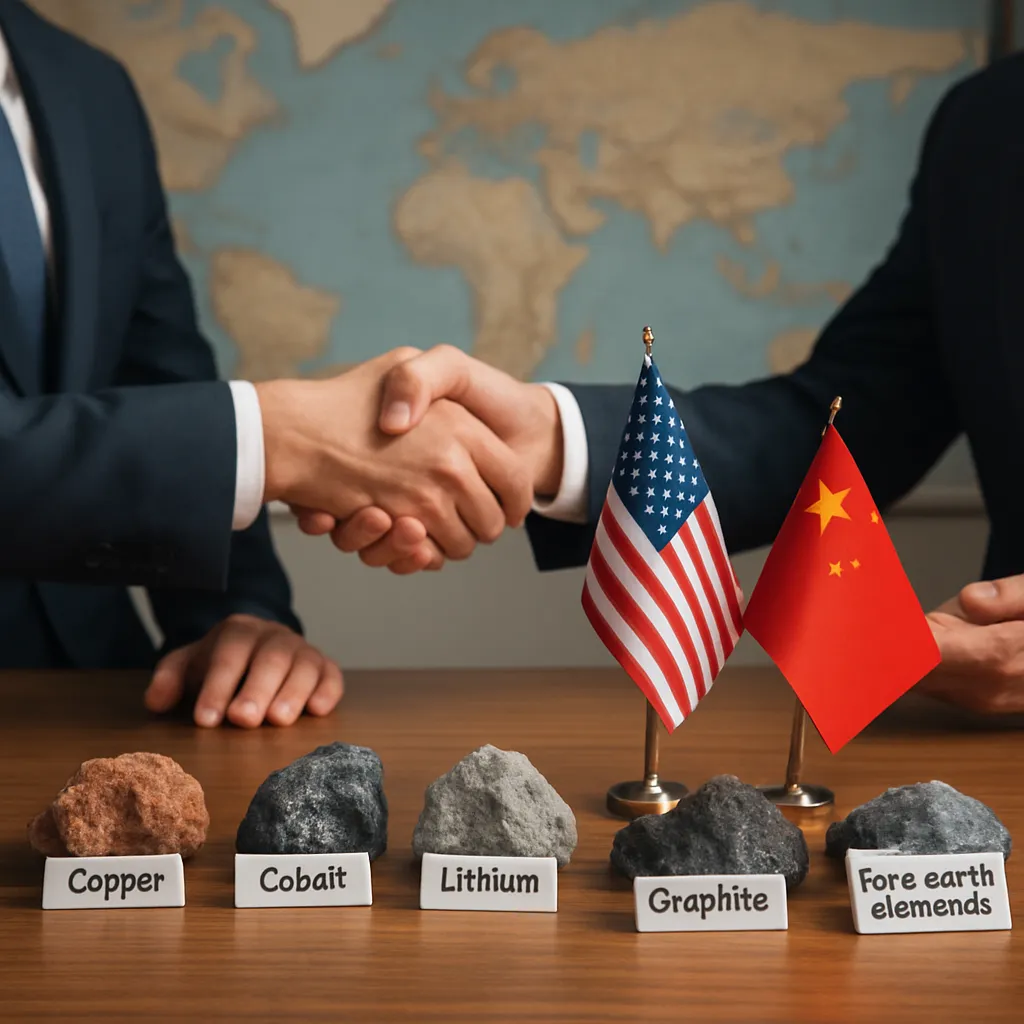
Effective legislation—incorporating mandatory due diligence, anti-corruption measures, and traceability requirements—serves as a backbone for ethical sourcing. National governments can leverage trade agreements to incentivize compliance, while customs authorities enforce import bans on non-certified minerals. Harmonization of regulations across jurisdictions reduces compliance costs and closes loopholes exploited by unscrupulous actors.
Driving Innovation and Circular Economy Solutions
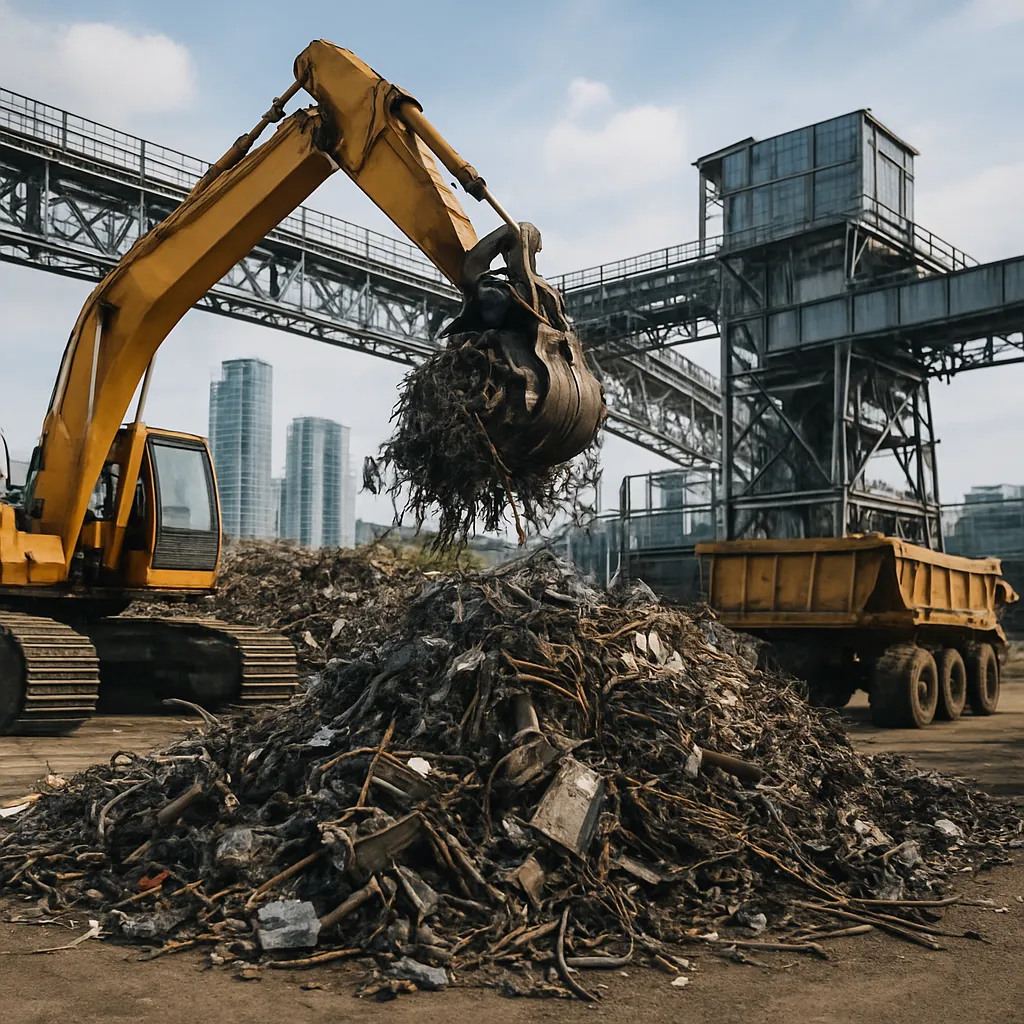
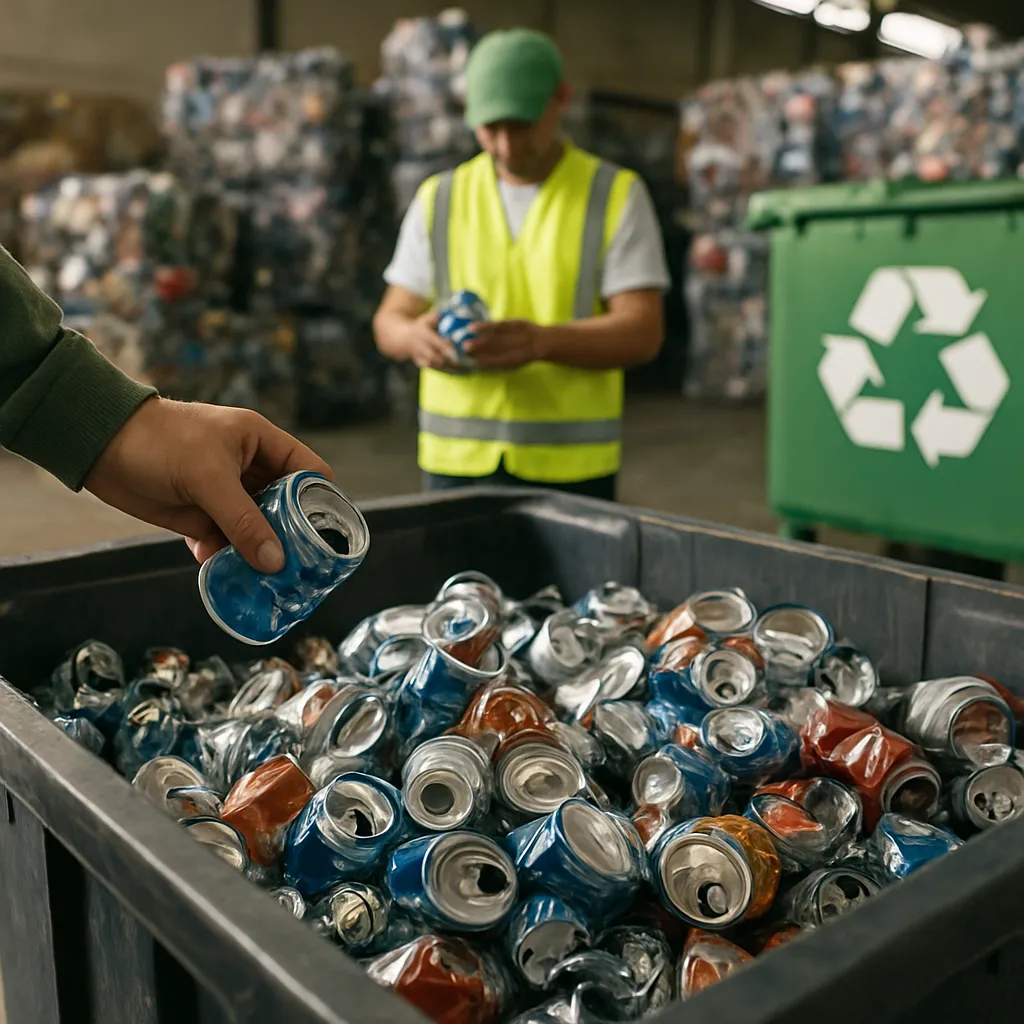
Enhancing supply chain resilience involves diversifying material sources and investing in technologies that extend the lifecycle of critical minerals. Innovation in recycling, material substitution, and product design can curtail dependence on virgin extraction, thereby fostering a more circular and resource-efficient industrial model.
Advanced Recycling Technologies
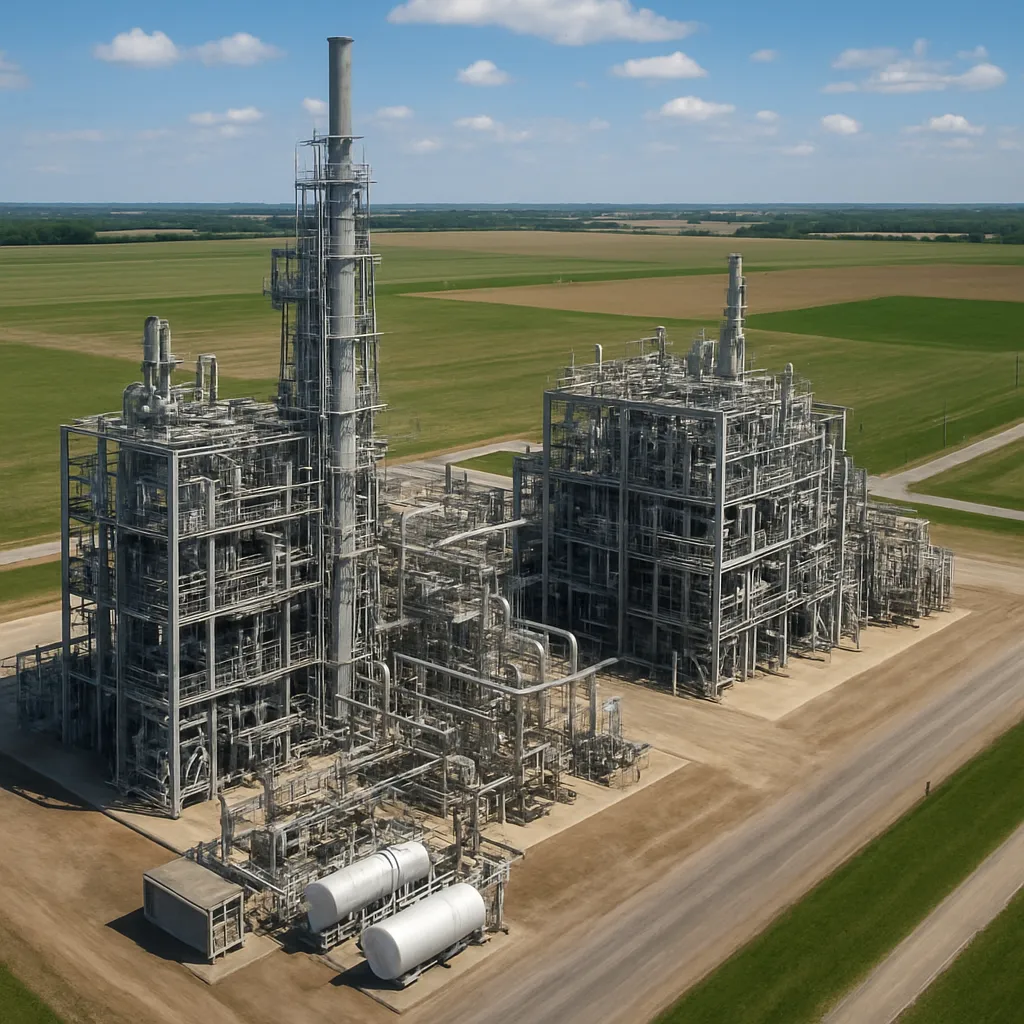
- Hydrometallurgical processes: Using aqueous chemistry to recover high-purity metals from spent batteries and electronic waste reduces energy consumption compared to pyrometallurgy.
- Direct recycling: Techniques that restore cathode materials in lithium-ion batteries preserve valuable mineral content and decrease raw material demand.
- Modular recycling facilities: Localized processing units minimize transportation emissions and adapt to region-specific waste streams.
Design for Sustainability
Incorporating material efficiency principles at the product-development stage—such as modular components, reparability, and ease of disassembly—enables end-of-life recovery and remanufacturing. Collaboration between automakers, electronics manufacturers, and recycling firms fosters standardized designs that streamline downstream processing and reinjection of critical minerals into the value chain.
Building Resilience and Ethical Practices for the Future
As geopolitical tensions, climate risks, and evolving regulations reshape the global landscape, supply chain stakeholders must anticipate disruptions and embed innovation in their strategic planning. Proactive risk management, combined with relentless commitment to social and environmental standards, paves the way for enduring ethical supply chains.
Risk Management and Resilience
- Scenario planning: Stress-testing supply networks against climate events, political instability, and market volatility sharpens organizational agility.
- Supplier diversification: Cultivating multiple procurement streams—from artisanal cooperatives to large-scale mines—mitigates concentration risks.
- Data-driven monitoring: Real-time dashboards track compliance metrics, enabling rapid corrective actions in response to emerging threats.
Ethical Auditing and Accountability
Regular independent audits, transparent reporting, and stakeholder grievance mechanisms reinforce accountability across the entire supply chain. By publicizing performance data and responding constructively to feedback, companies demonstrate integrity and foster trust among consumers, investors, and affected communities. Ultimately, the transition to clean energy and digital innovation hinges on our ability to secure critical minerals through frameworks that champion both human dignity and planetary well-being.