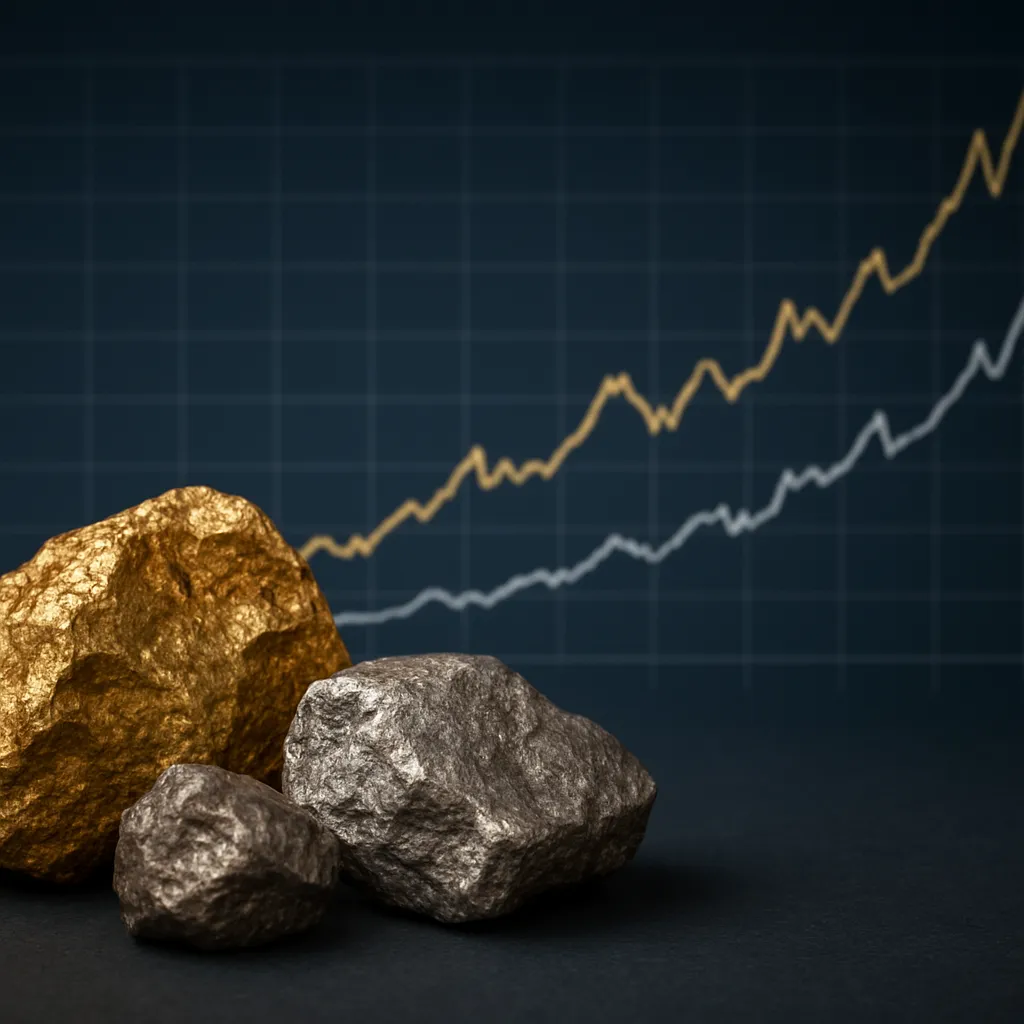
The relentless pursuit of strategic advantage has transformed the landscape of critical minerals. Nations and corporations alike are racing to secure supplies of rare earth elements and other scarce resources that underpin the 21st-century economy. From high-performance magnets to next-generation renewable energy systems, the stakes of this competition extend far beyond traditional commodities. This article delves into how intensified global rivalry is catalyzing unprecedented innovation in the rare metals sector.
Market Dynamics and Geopolitical Tensions
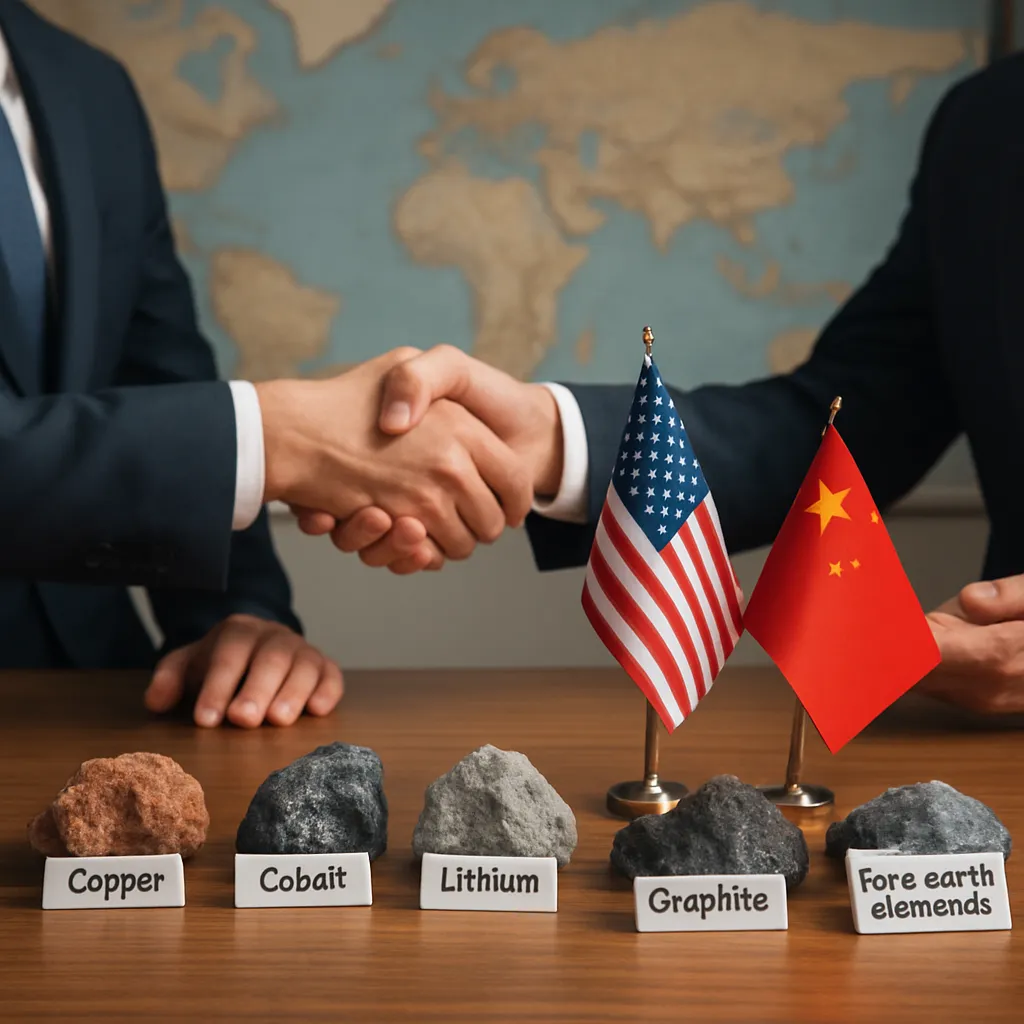
Competition for access to critical minerals has emerged as a focal point of international relations. Governments are leveraging export controls, investment screening mechanisms, and diplomatic initiatives to safeguard raw materials vital for defense, technology, and energy applications.
Strategic Supply Chains
A diversified supply chain is no longer optional. Leading economies are stockpiling rare metals, forging alliances with resource-rich nations, and incentivizing domestic exploration. By doing so, they aim to mitigate the risk of sudden geopolitics-driven disruptions.
- Sourcing Agreements: Long-term contracts with miners in Africa, Latin America, and Southeast Asia to lock in favorable terms.
- Investment Incentives: Government grants, tax breaks, and low-interest loans for companies developing local extraction and processing facilities.
- Strategic Alliances: Bilateral partnerships that facilitate technology transfer and ensure a stable supply of high-demand metals.
These measures underscore the reality that market competition for rare metals now bears significant national security implications. Any disruption—from mine closures to trade sanctions—can ripple through entire industries, prompting efforts to shore up reserves and accelerate domestic R&D.
Technological Advancements in Rare Metal Extraction and Processing
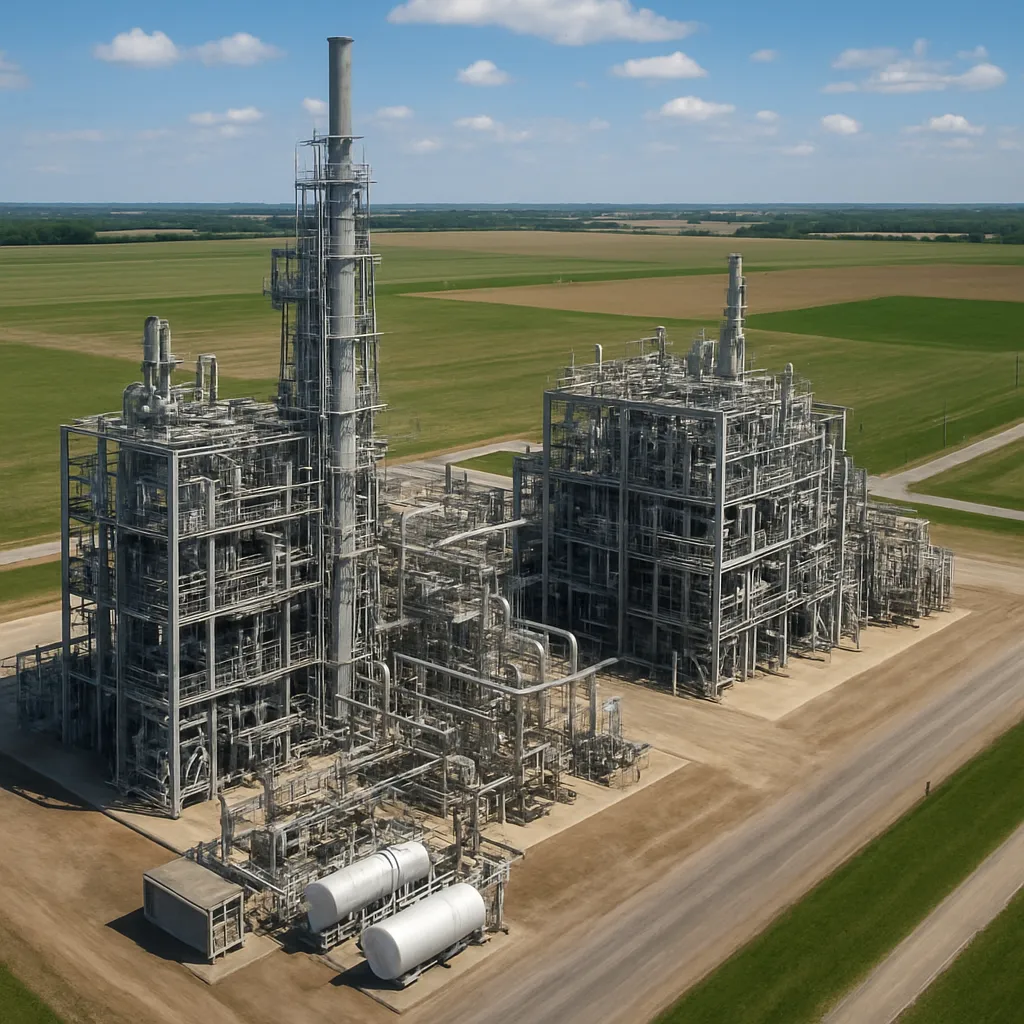
Innovation in mining and refining processes is critical to reducing costs, improving yields, and lessening environmental impact. Companies and research institutes worldwide are pioneering extraction technologies that can process low-grade ores and recover metals previously deemed uneconomical.
Advanced Separation Methods
Traditional solvent-based separation struggles with complex ore matrices. New approaches include:
- Ion Exchange Resins: Selectively bind target elements, enhancing purity and recovery rates.
- Bioleaching: Harnessing microorganisms to liberate metals offers a greener alternative to acid leaching.
- Hydrometallurgical Innovations: Combining high-pressure leaching and novel reagents to treat refractory ores efficiently.
Automation and Digitalization
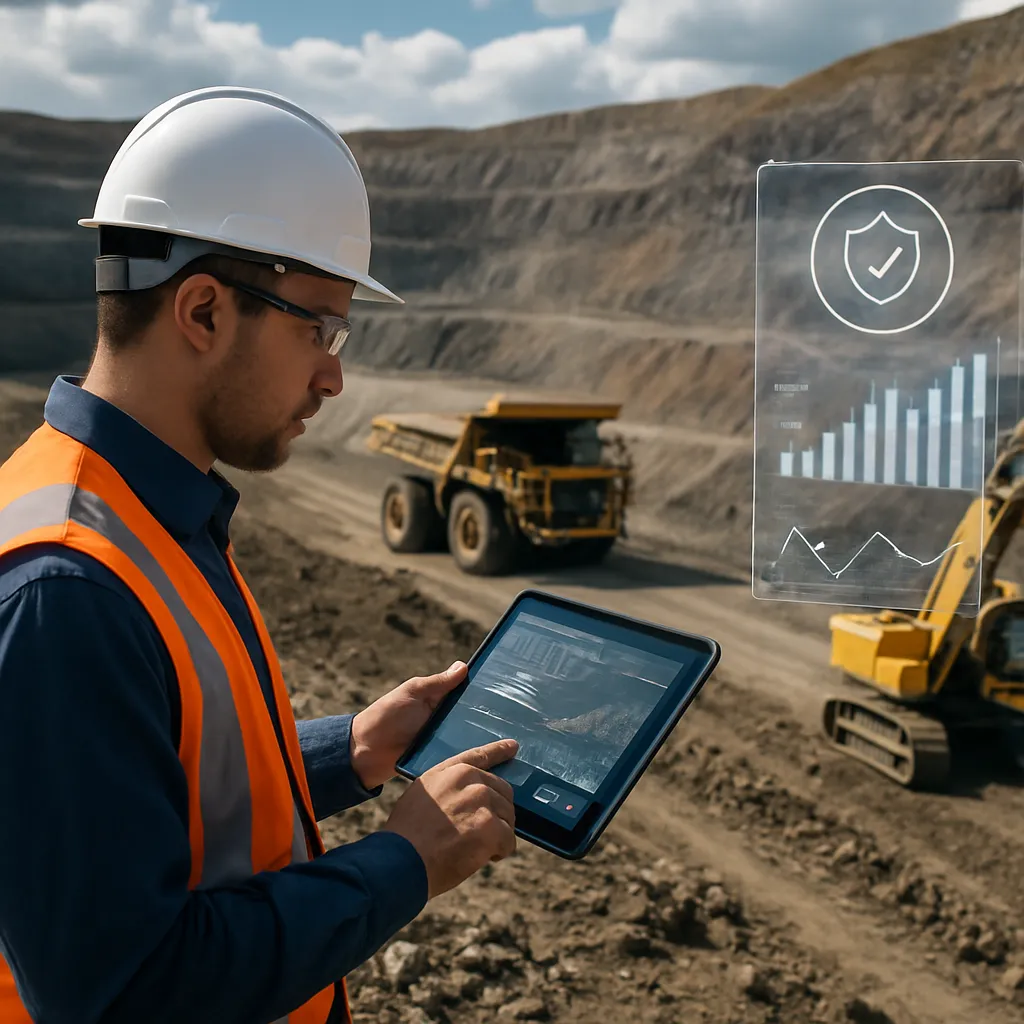
Digitally enabled mines employ AI-driven analytics, robotic drilling, and remote operations to boost productivity. Automated sorting technologies powered by hyperspectral imaging can rapidly distinguish mineral types, increasing throughput and cutting waste.
Collectively, these technological breakthroughs are reshaping the economics of resource development, allowing firms to pursue deposits once considered marginal. As a result, new players are entering the market, intensifying the race to master cutting-edge techniques.
Environmental and Sustainability Challenges in Resource Development
With the push to expand output comes heightened scrutiny of ecological consequences. Rare metal extraction can generate significant tailings, water consumption, and energy use, raising concerns among regulators and local communities.
Minimizing Footprint
- Water Recycling: Closed-loop systems dramatically reduce freshwater withdrawal in processing plants.
- Renewable Energy Integration: Solar, wind, and hydropower offset the carbon intensity of mining operations.
- Reclamation Practices: Progressive rehabilitation of mine sites, including reforestation and soil stabilization, helps restore biodiversity.
Circular Economy and Recycling
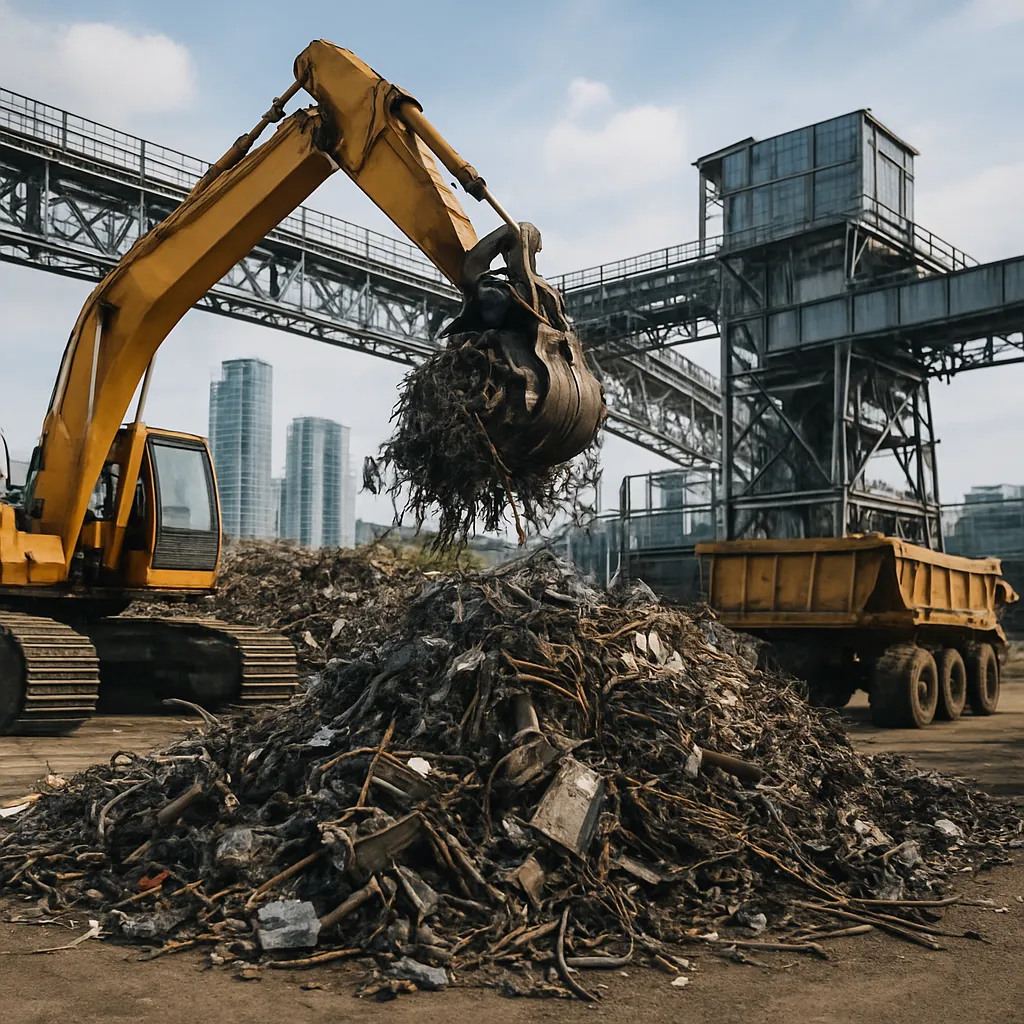
Recovering rare metals from end-of-life products offers a promising path to lower reliance on virgin ores. Electric vehicle batteries, wind turbine magnets, and electronic waste are emerging as secondary sources for high-value elements like neodymium, dysprosium, and cobalt.
- Urban Mining: Establishing dedicated facilities to sort, dismantle, and process complex assemblies.
- Product Design for Disassembly: Encouraging manufacturers to design devices that facilitate end-of-life material recovery.
- Regulatory Frameworks: Extended producer responsibility laws that oblige companies to finance recycling infrastructure.
By closing the loop, the industry not only eases pressure on primary deposits but also cultivates new business models centered on sustainability.
Future Outlook and Strategic Implications
As global competition accelerates, the rare metals landscape will continue to evolve rapidly. Observers anticipate multiple converging trends:
- Diversification of Sources: Exploration in unconventional environments such as deep-sea nodules and geothermal brines.
- Next-Generation Alloys: Tailored combinations of metals that unlock higher performance in aerospace, defense, and electronics.
- Policy Harmonization: International agreements to ensure transparent trading and prevent resource nationalization.
- Public-Private Collaborations: Consortia that pool expertise, share risk, and accelerate commercialization of breakthrough technologies.
The interplay of supply chains, technology, and environmental stewardship will define the competitive edge of nations and corporations alike. Entities that can integrate innovation with resilient strategies stand poised to lead the next generation of industrial transformation fueled by rare earth elements and other critical metals.