The electrification revolution is transforming industries across the globe, driving unprecedented demand for metals that can efficiently carry and store energy. Among these, copper stands out as a linchpin in the transition towards a low-carbon economy. Its superior electrical conductivity, durability, and recyclability make it indispensable for power grids, renewable energy systems, electric vehicles, and digital infrastructure. Yet the journey from mine to market is fraught with challenges—ranging from environmental concerns to complex geopolitics. This article delves into the multifaceted role of copper within the broader context of global rare metals, examining how innovations and strategic policies can ensure a resilient and sustainable supply chain.
Critical Properties of Copper in Industrial Electrification
Copper’s unique combination of physical and chemical attributes sets it apart from other conductive materials. Its electrical resistivity is nearly 60% lower than that of aluminum, and its thermal conductivity is among the highest of all metals. These properties enable:
- High-efficiency power transmission over long distances with minimal losses.
- Compact and lightweight wiring solutions for electric vehicles and aerospace applications.
- Robust heat dissipation in electronic devices, preventing overheating and failure.
In the renewable energy sector, copper is vital for components such as wind turbine generators, solar photovoltaic panels, and concentrated solar power systems. A single utility-scale solar farm can contain several thousand metric tons of copper in cables, inverters, and transformers. Similarly, offshore wind farms rely on subsea cables with thick copper cores to transport clean electricity to shore.
Comparative Advantages Over Alternative Metals
While aluminum and silver offer certain benefits—namely lighter weight and higher conductivity, respectively—they fall short in large-scale applications. Aluminum requires larger cross-sectional areas to match copper’s performance, increasing volume and installation complexity. Silver’s high cost limits its deployment to niche sectors like aerospace and medical electronics. Consequently, copper remains the default choice for mainstream electrification projects.
Integration with Other Rare Metals
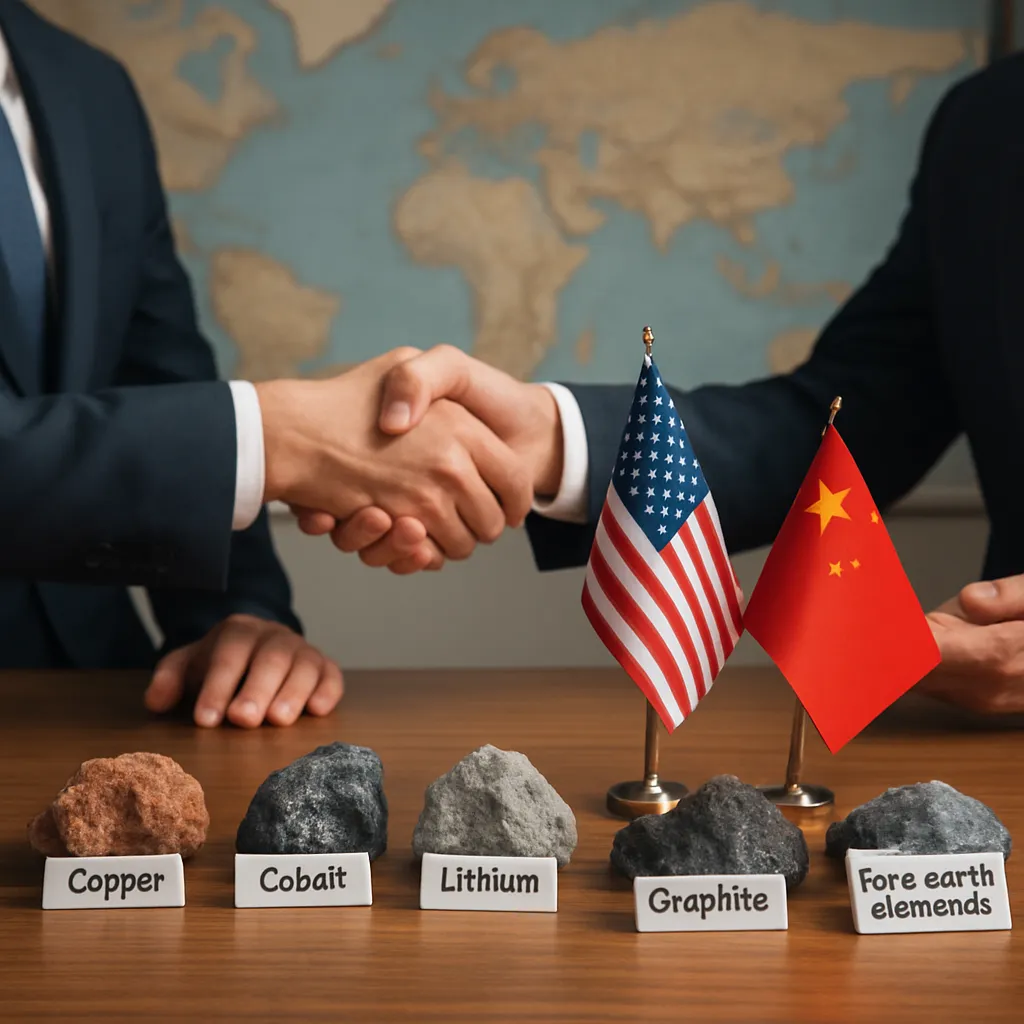
Beyond copper, the electrification wave drives demand for metals such as nickel, cobalt, lithium, and the rare earth elements (REEs). For instance, nickel and cobalt are critical for high-energy-density battery cathodes, while neodymium and dysprosium enable powerful permanent magnets in wind turbines and electric motors. A holistic strategy must address the interplay of these materials to ensure balanced resource management and avoid bottlenecks.
Supply Chain Challenges and Sustainability Concerns
The global copper supply chain encompasses exploration, mining, refining, manufacturing, and recycling. Each stage presents distinct risks that can threaten project timelines and cost structures.
Environmental and Social Impacts
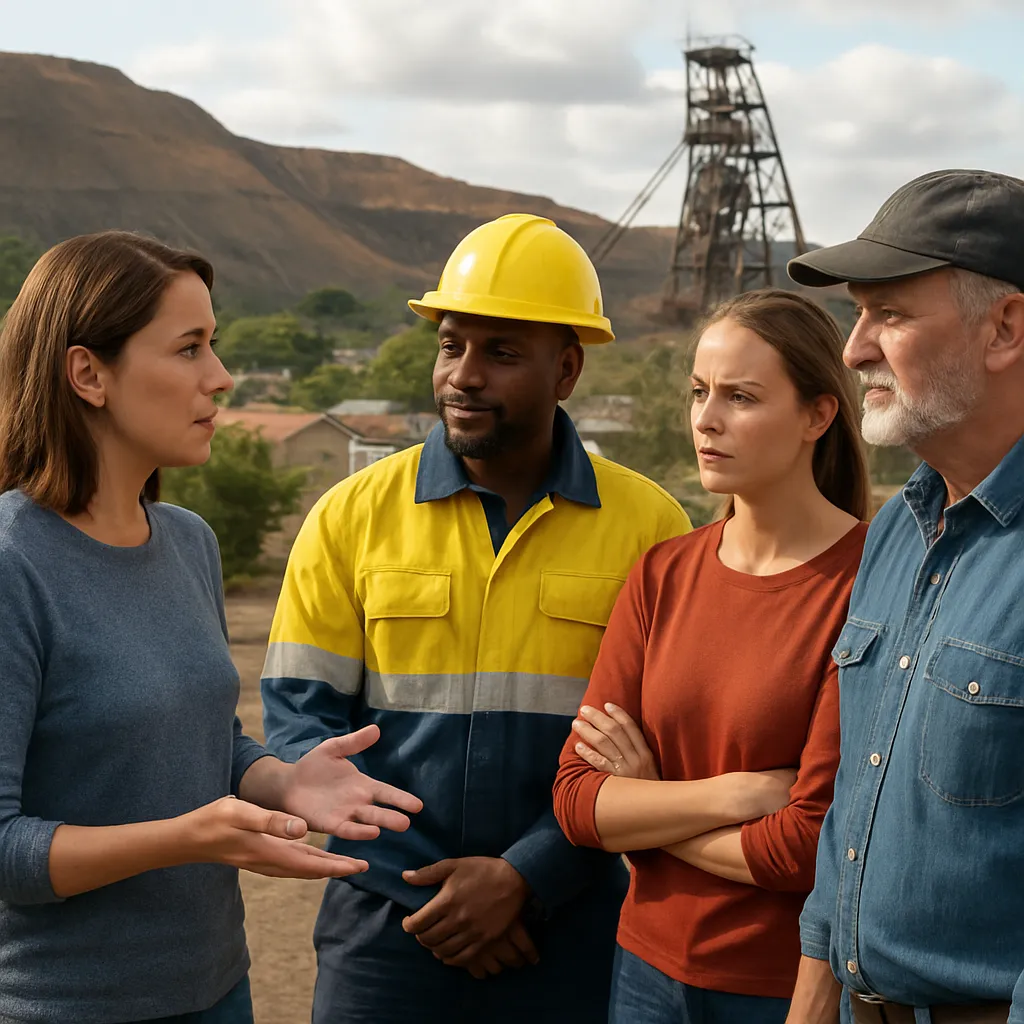
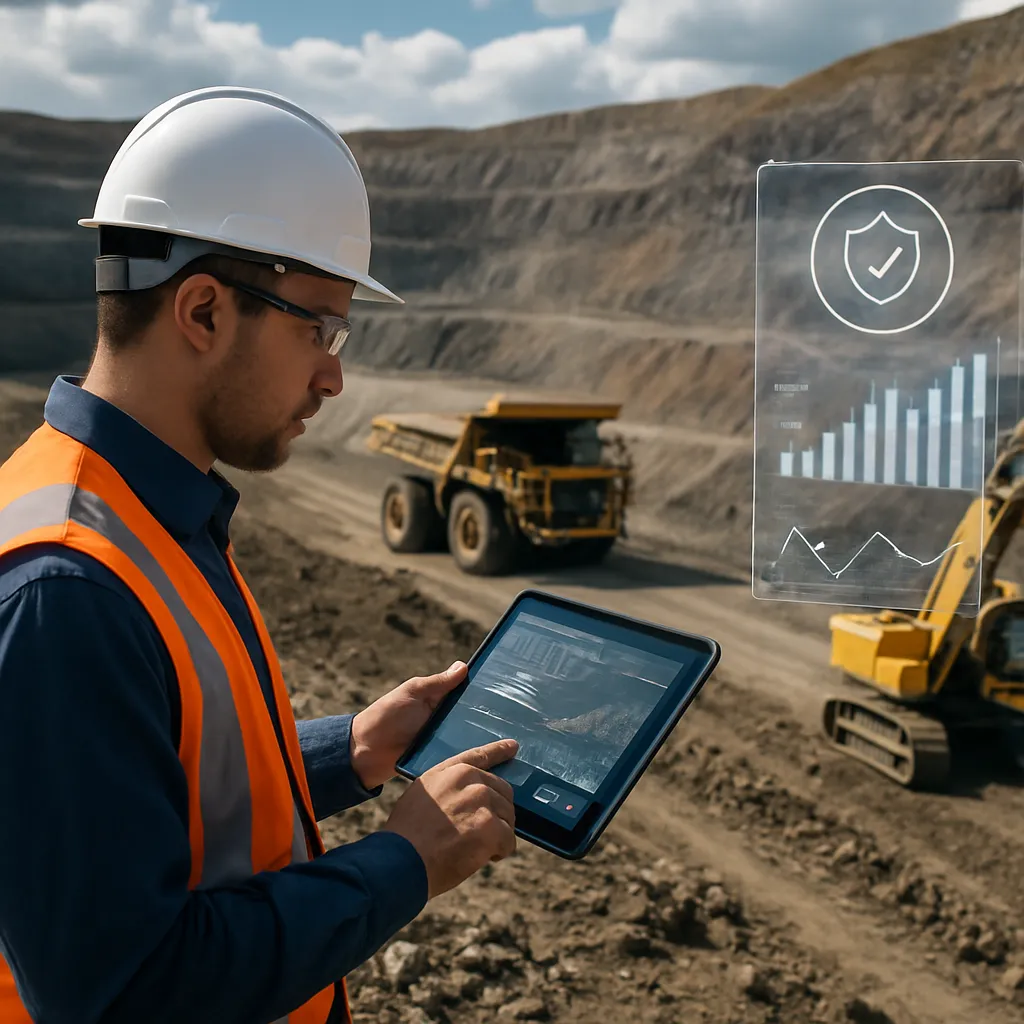
Copper extraction often occurs in sensitive ecosystems, from Andean highlands to African forests. Large-scale open-pit mines generate tailings, acid mine drainage, and deforestation. Local communities may suffer water contamination and displacement. To mitigate these effects, mining firms increasingly adopt sustainability frameworks, including:
- Water recycling systems to reduce freshwater consumption.
- Progressive rehabilitation of mined lands to restore biodiversity.
- Stakeholder engagement programs that respect indigenous rights and labor standards.
Governments and non-governmental organizations play a pivotal role in enforcing environmental regulations and fostering transparent reporting practices.
Geopolitical Dynamics of Copper Production
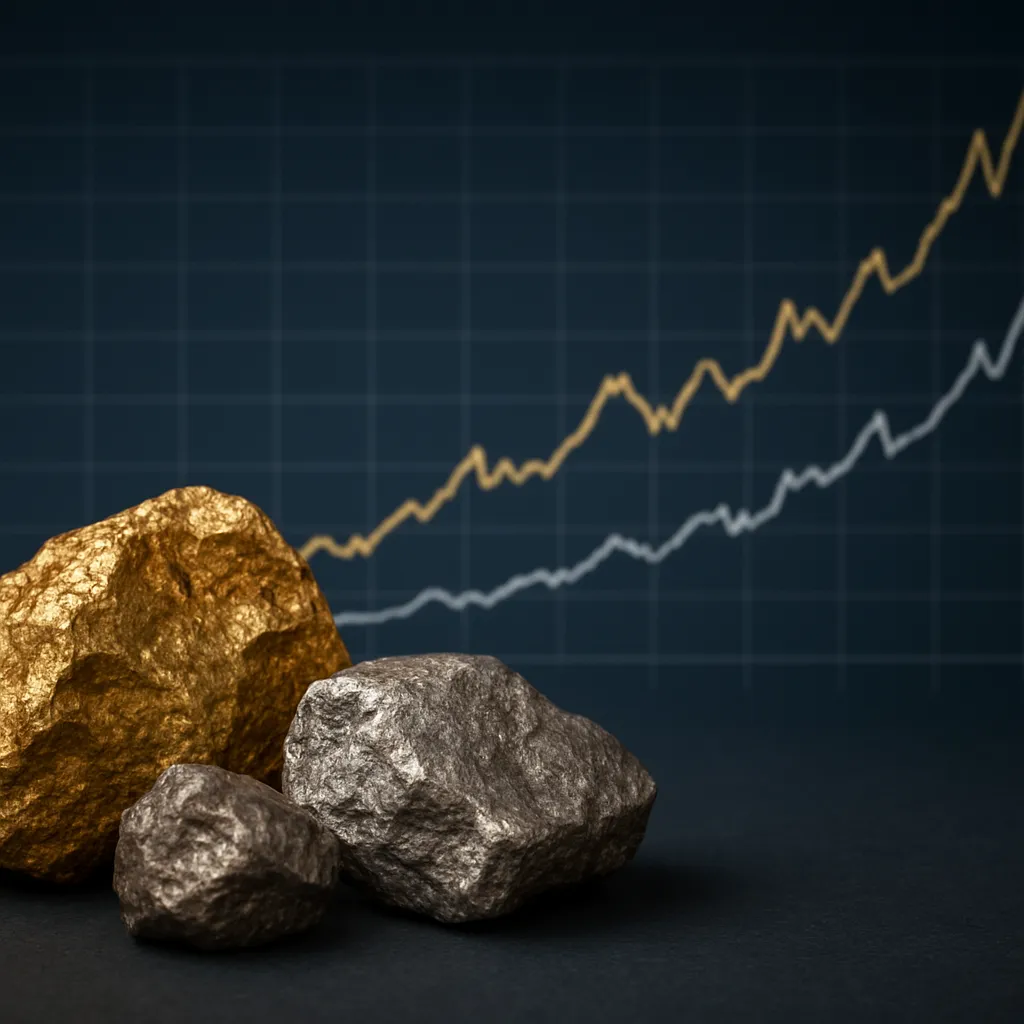
Chile, Peru, China, and the United States dominate global copper output. Political instability or trade tensions in any of these regions can disrupt supply. For example, port strikes in Chile or export restrictions in China ripple through markets, leading to price volatility. Diversification strategies—such as sourcing from emerging projects in Africa and Central Asia—help companies hedge against concentration risks.
Recycling and Circular Economy
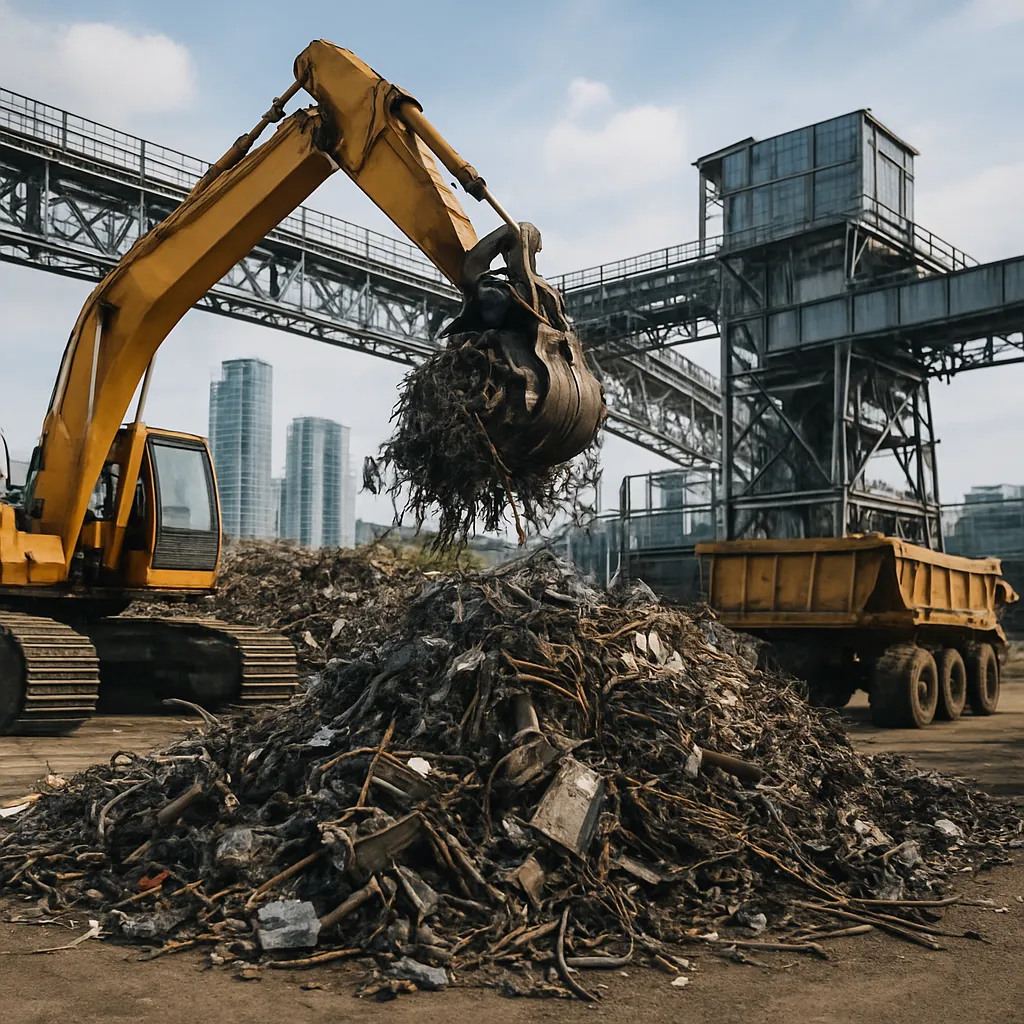
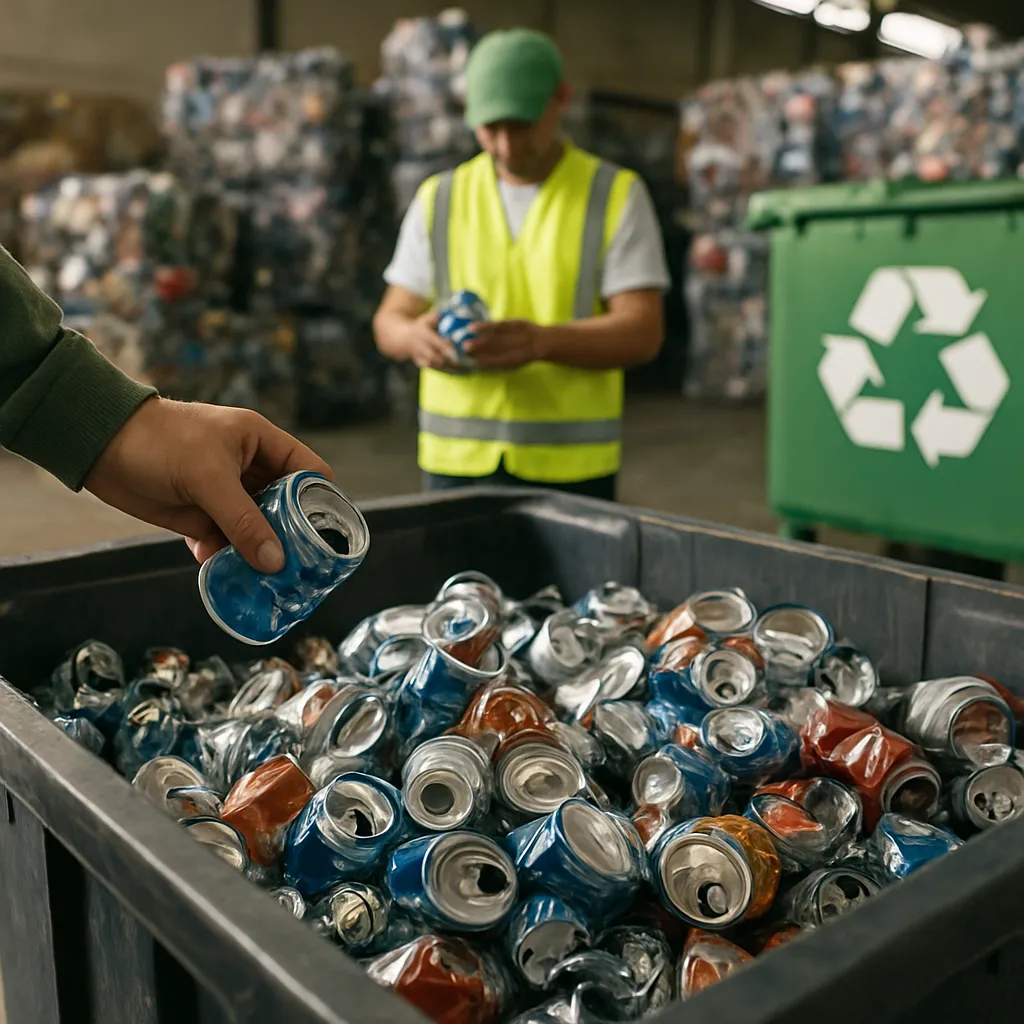
End-of-life copper retrieval offers a viable path to augment primary supply. Unlike many rare metals, copper can be recycled indefinitely without losing its properties. Urban mining initiatives recover copper from discarded electronics, building materials, and automotive scrap. Encouragingly, recycling rates exceed 35% in developed economies, but opportunities remain in regions with informal waste sectors. Improving collection infrastructure and incentivizing producers to incorporate recycled content can boost the recycling share.
Innovations and Strategies in Global Rare Metals Management
Meeting the surging demand for copper and related metals requires a combination of technological breakthroughs, policy interventions, and cross-sector collaboration.
Advanced Exploration and Extraction Technologies
New geophysical and geochemical methods enable more accurate deposit detection, reducing drilling costs and environmental footprint. Deep-sea mining—while controversial—promises access to massive polymetallic nodules rich in copper, nickel, cobalt, and manganese. Pilot projects must navigate stringent environmental assessments to balance resource benefits against marine ecosystem risks.
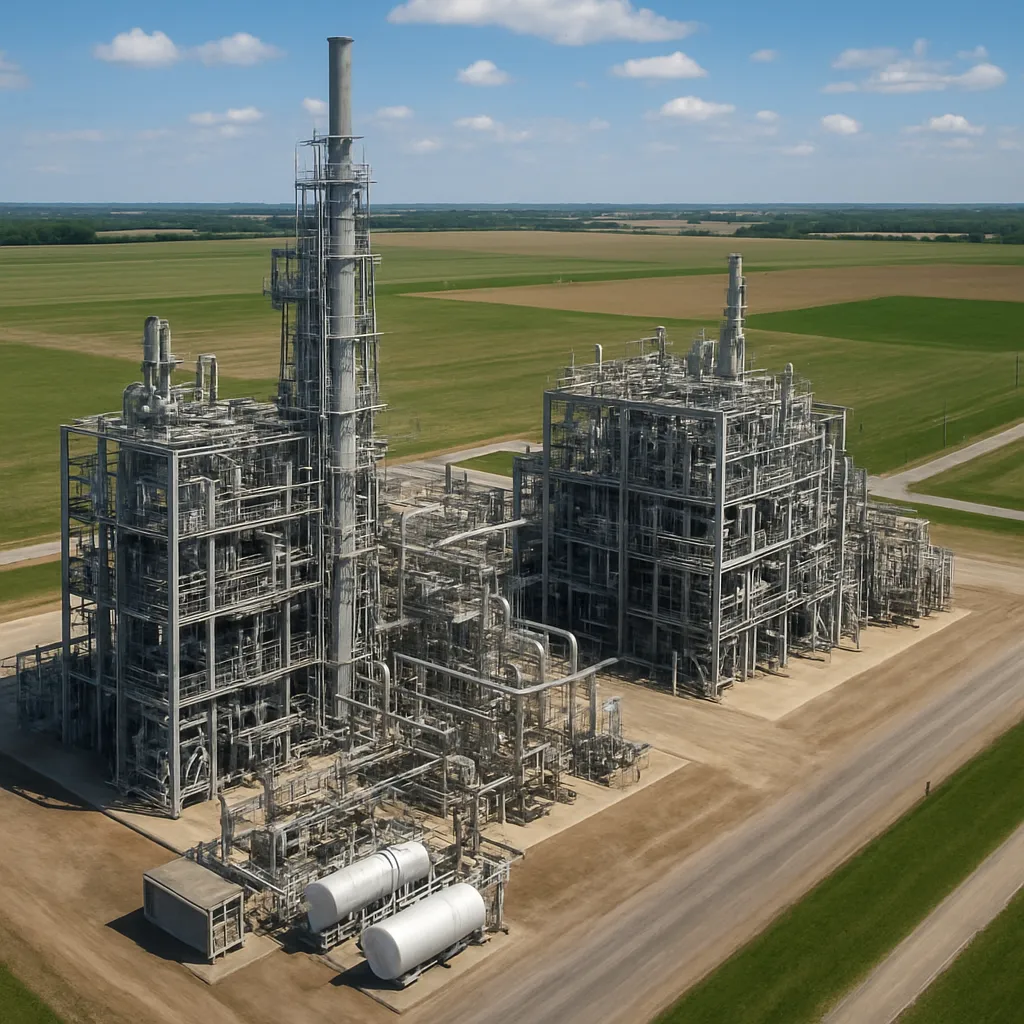
Smarter Smelting and Processing
Innovations in hydrometallurgical techniques, such as solvent extraction and electrowinning, enhance metal recovery rates and lower greenhouse gas emissions. Integrating renewable energy sources—solar, wind, or hydropower—into smelter operations can significantly cut carbon intensity. Digital twins and AI-driven process controls optimize furnace temperatures and reagent dosages, improving efficiency and reducing waste.
Policy Frameworks and International Cooperation
Governments worldwide are crafting strategic metal policies to ensure long-term resource security. Key measures include:
- Strategic stockpiling of critical minerals to buffer supply shocks.
- Tariff incentives for domestically mined and refined metals.
- Public-private partnerships for research and development in sustainable mining.
At the international level, bodies such as the International Copper Association and the Extractive Industries Transparency Initiative foster dialogue on best practices, data sharing, and environmental safeguards. Collaborative research programs help emerging economies build responsible mining capacities.
The Future of Circular and Low-Carbon Economies
Achieving a low-carbon future hinges on closing the loop for copper and other rare metals. Effective product design can facilitate disassembly and material recovery. Extended producer responsibility (EPR) schemes hold manufacturers accountable for end-of-life recycling. Blockchain technology offers transparent tracking of metal provenance, ensuring that ethically and sustainably sourced copper commands a premium.
By embracing these innovations and reinforcing global supply chain resilience, stakeholders can navigate the challenges of resource scarcity, environmental protection, and socio-political complexities. Copper’s pivotal role in industrial electrification underscores the imperative to manage this strategic metal with foresight, collaboration, and a commitment to critical sustainability goals.