The global race for securing and processing rare metals has reached a pivotal moment as nations strive to establish local value chains. Growing concerns over supply disruptions, environmental impact, and dependency on a handful of dominant players have fueled the development of regional mineral hubs. This shift reshapes trade dynamics and underscores the role of sustainability, innovation, and strategic collaboration in the modern metals industry.
Emergence of Regional Processing Centers
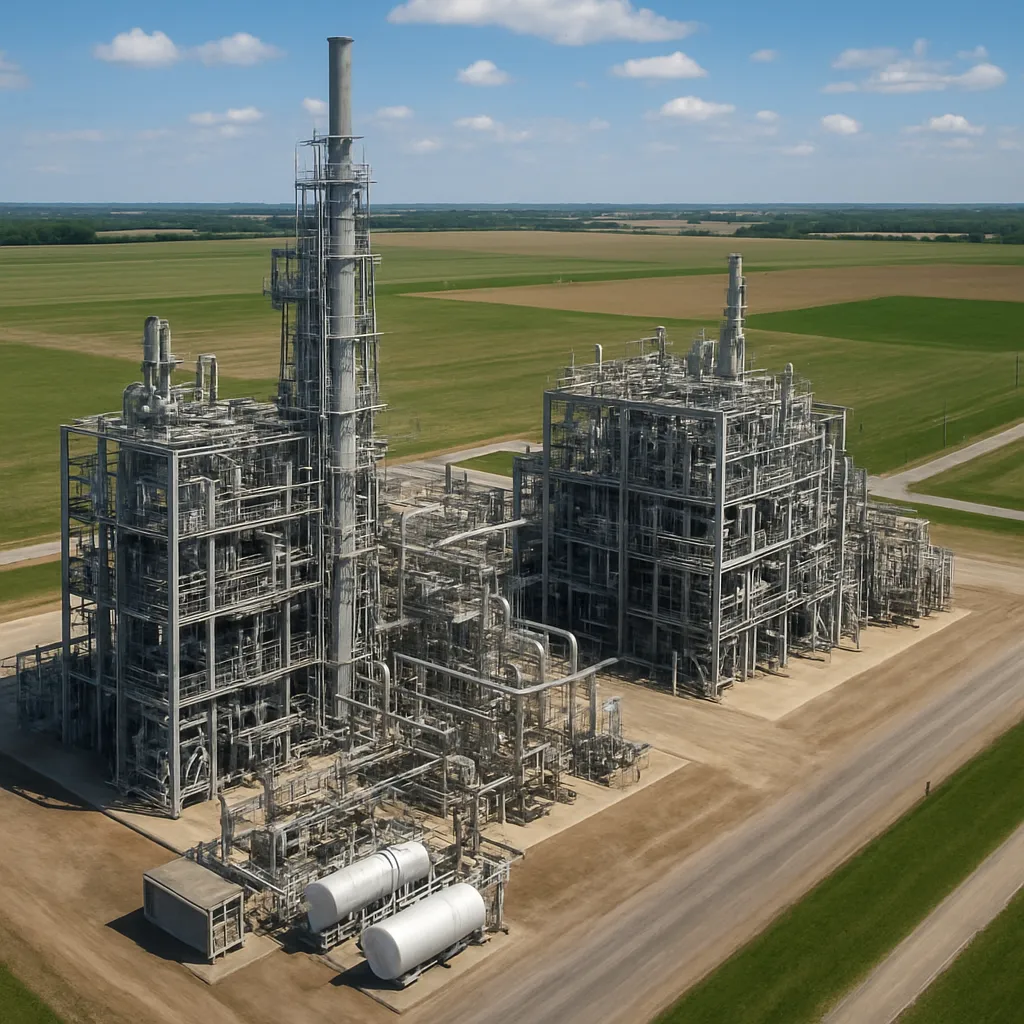
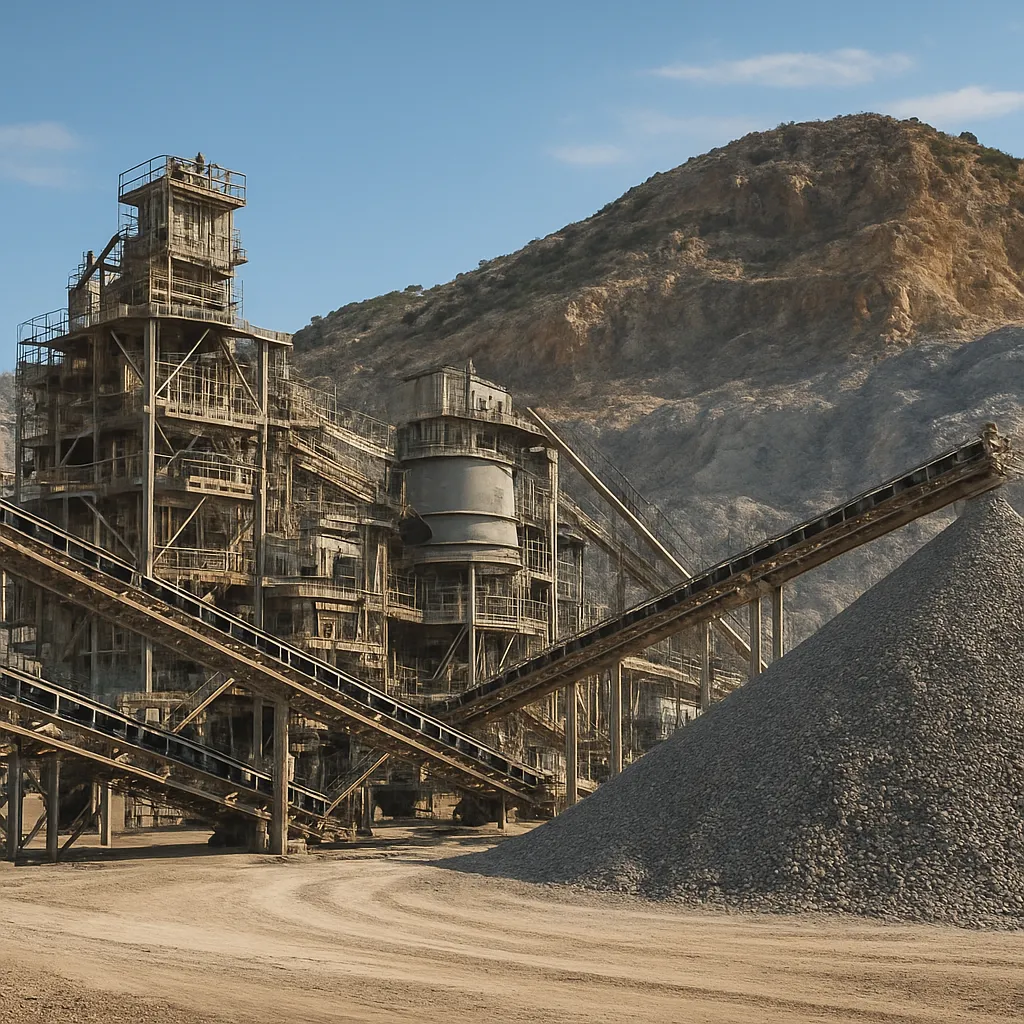
Over the past decade, several countries have invested heavily in building facilities that refine and process rare metals closer to their points of extraction. This trend counters decades of centralized processing capacity concentrated in a few Asian nations. By creating local or regional hubs, governments aim to add value domestically, reduce transportation distances, and insulate themselves from external shocks.
Drivers of Localization
- Geopolitical tensions: Heightened geopolitics around critical minerals prompt countries to secure their own processing capabilities rather than relying on distant suppliers.
- Environmental regulations: Stricter emissions and waste standards in processing industries encourage the establishment of cleaner, more modern plants in jurisdictions with clear regulatory frameworks.
- Economic opportunity: Regions rich in deposits of rare earth elements and other strategic metals see the chance to create jobs, boost GDP, and attract foreign investment.
Infrastructure Development
Constructing a processing hub demands robust transportation networks, stable energy grids, and specialized facilities for chemical separation and metallurgical treatment. Governments and private firms collaborate to build ports, railways, and dedicated industrial parks. These investments strengthen local infrastructure and contribute to broader regional development goals.
Diversification of Supply Chains
The traditional model—mining in one region, shipping raw ore halfway across the world, and then returning refined metals—has proven vulnerable. Disruptions from pandemics, sanctions, or logistical bottlenecks can stall entire industries dependent on critical inputs like cobalt, lithium, and neodymium.
Building Resilient Networks
To bolster resilience, stakeholders are adopting a multi-pronged approach:
- Tiered sourcing: Firms secure smaller volumes of ore from multiple countries rather than relying on a single supplier.
- Intermediate processing: Establishment of mid-stream smelters and refineries in strategic locations, such as the Middle East or Eastern Europe, to act as buffers.
- Stockpiling: Governments maintain strategic reserves of processed metals to cushion short-term supply shortages.
Role of Trade Partnerships
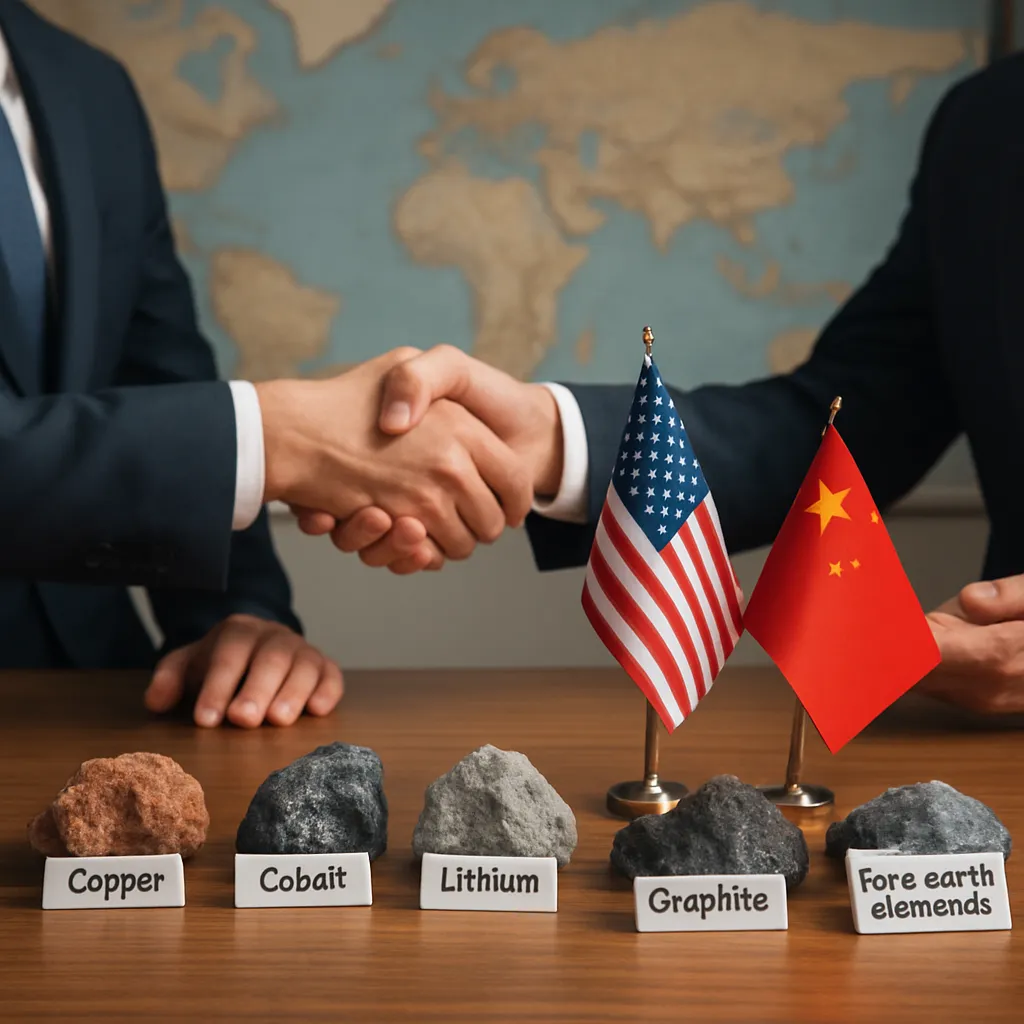
Regional trade agreements facilitate tariff reductions and technology transfers, creating a fertile environment for new processing hubs. Collaborations between resource-rich nations and high-tech importers enhance mutual benefits: exporters gain access to technology and expertise, while consumers secure stable metal flows.
Technological Innovations and Sustainability
As new processing hubs emerge, integrating cutting-edge methods becomes essential. Advanced separation techniques, electrified reactors, and digital monitoring systems reduce resource consumption and environmental footprints. This focus aligns with the global drive for sustainability in extractive industries.
Greener Extraction Methods
Research into bioleaching, solvent extraction, and closed-loop hydrometallurgy promises to minimize the use of harmful acids and reduce tailings volumes. Pioneering facilities in Scandinavia and Oceania operate demonstration plants that recover nickel and cobalt from low-grade ores with lower energy input.
Digitalization and Automation
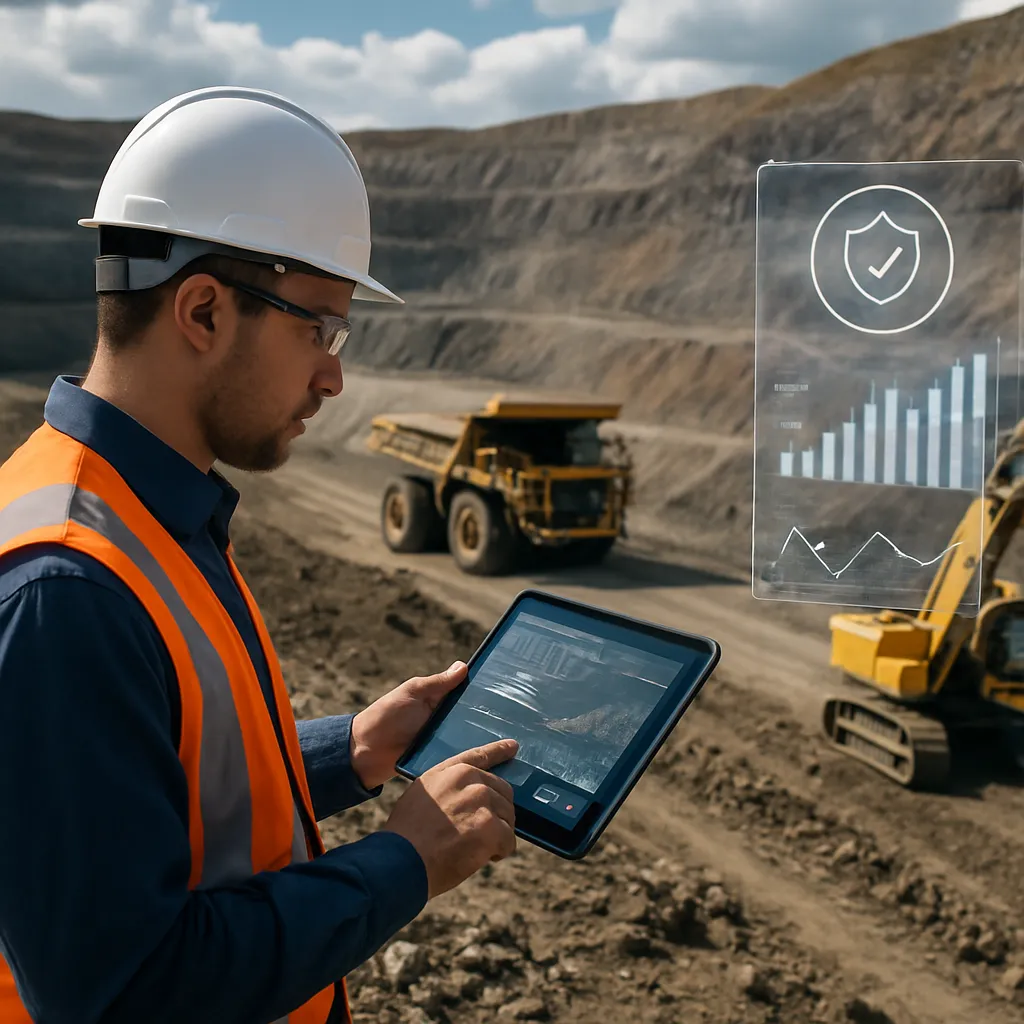
Industry 4.0 technologies—such as IoT sensors, AI-driven process control, and robotic maintenance—optimize yields and cut downtime. Real-time analytics enable operators to fine-tune chemical flows and temperatures, achieving higher metal recovery rates at lower operating costs.
Geopolitical Implications and Investment Patterns
Regional processing hubs do more than improve efficiency; they redraw the map of strategic dependencies. Countries that master advanced refining techniques gain leverage in international negotiations and can shape downstream industries like electric vehicles, renewable energy, and defense systems.
Strategic Autonomy and Alliances
Underpinning many national strategies is the goal of strategic autonomy—the ability to control critical supply chains without external coercion. Multilateral partnerships, such as those among Pacific Rim nations or within the African Continental Free Trade Area, foster collective security of supply.
Capital Flows and Risk Management
Investors are increasingly evaluating geopolitical risk alongside traditional financial metrics. Funding for new plants often comes from a mix of sovereign wealth funds, green bonds, and corporate venture arms. These capital flows favor projects that demonstrate clear pathways to environmental compliance and social license to operate.
Outlook for Regional Hubs and the Future of Rare Metals
The shift toward more distributed processing networks appears irreversible. As technology advances and regulations tighten, regions that adopt the latest innovations will capture a larger share of the value chain. Collaborative frameworks, smart supply chain design, and continuous innovation will define success.
In the coming years, emerging hubs in Latin America, Africa, and Southeast Asia will complement established centers in North America and Europe. Together, they will enable a more balanced, resilient, and sustainable global minerals ecosystem—one that aligns economic growth with environmental stewardship and strategic stability.