The global race for critical minerals has never been more intense. As industries from electronics to clean energy rely heavily on rare metals, the ability to process and refine these materials becomes a major determinant of supply security. Nations and corporations are now recognizing that mere access to raw ores is insufficient; robust refining capacity is essential to transform those ores into usable components. This article explores the evolving landscape of the rare metals sector, the pivotal role of refining facilities, and the strategic moves needed to ensure long‐term resilience in a volatile geopolitical environment.
Global Landscape of Rare Metals
Demand for elements such as lithium, cobalt, nickel, and the rare earth group has skyrocketed in recent years. These critical minerals power electric vehicle batteries, wind turbines, consumer electronics, and defense technologies. Despite substantial ore deposits in various regions, refining bottlenecks persist. Key observations include:
- Concentration of processing: A handful of countries dominate refining capacity, creating potential points of failure in global supply chains.
- Upstream vs. downstream mismatch: Rich ore-producing nations often lack the infrastructure to process their own minerals, exporting raw materials at low value and depending on foreign facilities for refinement.
- Environmental regulations: Tightened standards in many jurisdictions have led to the closure of older, polluting plants without immediate replacement, narrowing overall global capacity.
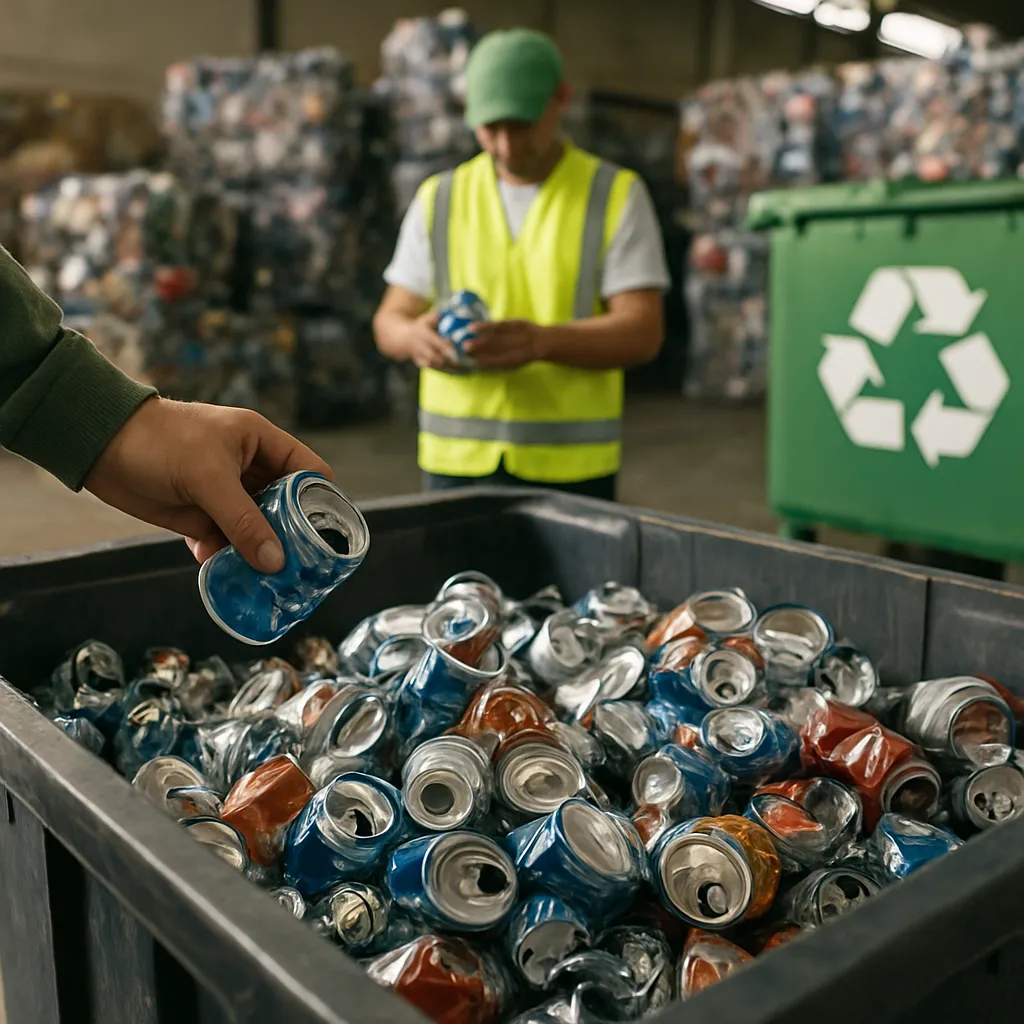
- Recycling and circularity: Emerging initiatives in urban mining and sustainable recycling promise to augment supply but currently account for a small fraction of total output.
The Pivotal Role of Refining Capacity in Supply Security
From Ores to High-Purity Metals
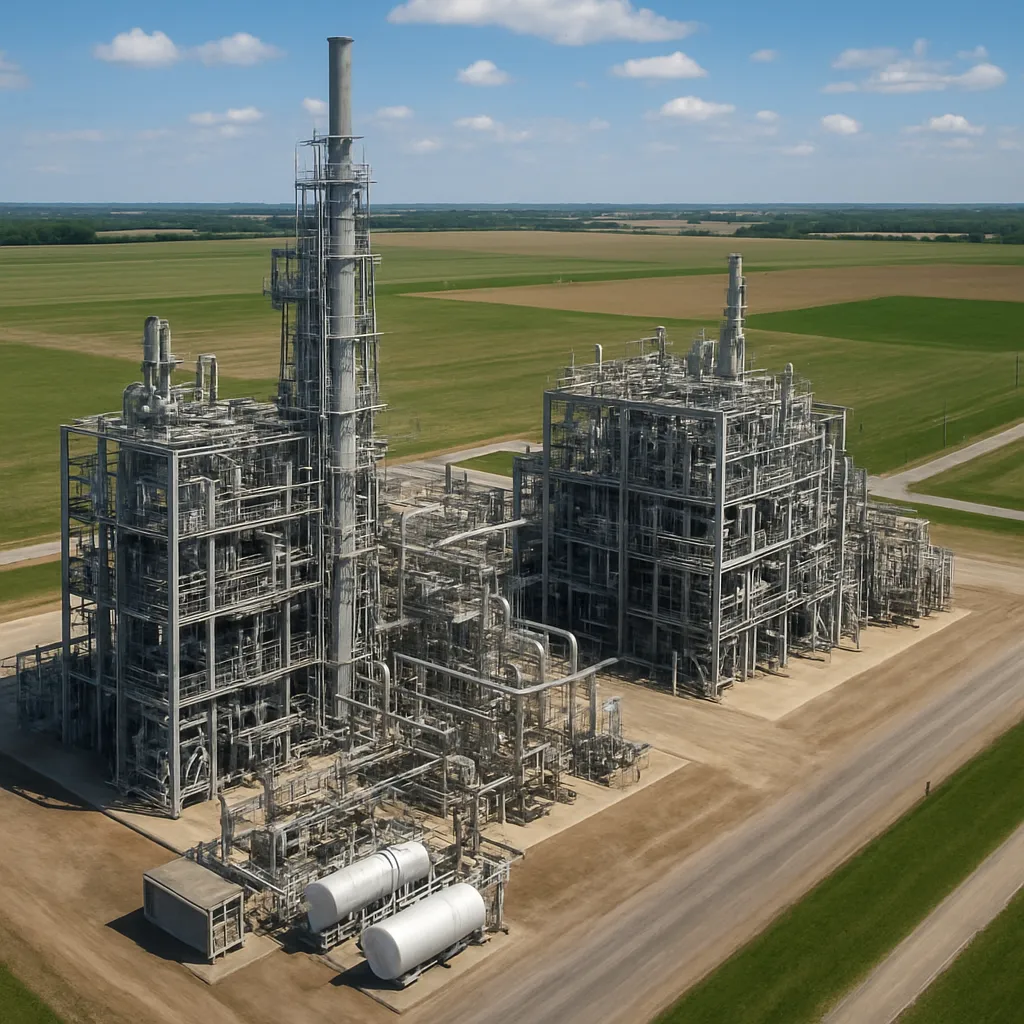
Extracted ore is only the initial step. Transforming it into high-purity metals demands complex processing technologies such as hydrometallurgy, pyrometallurgy, and solvent extraction. Refining plants require high capital investment, specialized expertise, and robust environmental controls. Without adequate local capacity, nations remain vulnerable to export restrictions, price swings, and diplomatic tensions.
Strategic Imperatives for Nations and Corporations
- Diversification: Relying on a single region or technology heightens risk. Diversifying refining locations and methods can bolster resilience.
- Vertical integration: Companies that control mining, refining, and end-product manufacturing can better navigate supply interruptions and stabilize margins.
- Innovation and R&D: Advancements in solvent techniques, low-carbon processes, and sustainable waste management are key to creating new competitive advantages.
- Public–private partnerships: Governments can incentivize investment in refining through tax breaks, grants, or infrastructure support, ensuring strategic minerals remain accessible under various scenarios.
Challenges and Opportunities in Refining Expansion
Economic and Environmental Barriers
Building new refining facilities is a multi-billion-dollar undertaking. High energy costs, stringent environmental permits, and uncertain long-term ore prices can deter investors. Additionally, community opposition to heavy industrial developments can introduce delays or cancellations. Overcoming these barriers requires:
- Robust financing structures that blend government grants, green bonds, and private equity.
- Transparent environmental assessments to win local support and mitigate ecological impacts.
- Adaptive design that allows modular expansions as demand grows, reducing initial capital outlay.
Leveraging Technological Innovation
Emerging technologies present pathways to more efficient and sustainable refining:
- Electrochemical extraction: Promises reduced water usage and lower waste compared to conventional leaching.
- AI-driven process optimization: Real-time monitoring and machine learning can fine-tune operations, improving yields and reducing downtime.
- Bioleaching: Microbes break down ores, offering a low-energy alternative for certain minerals.
Strategic Investments and Future Outlook
The race to secure supply chains for rare metals is prompting unprecedented levels of investment in refining infrastructure. Nations and corporations that move swiftly to enhance their processing capacity can lock in long-term advantages:
- Geopolitical leverage: Countries with surplus refining capacity can shape trade flows and negotiate favorable terms with importers.
- Economic multipliers: Upstream processing creates high-value jobs, stimulates local industries, and fosters broader industrial ecosystems.
- Innovation hubs: Regions that invest in advanced refining become magnets for related R&D, from battery tech to new alloy development.
- Resilience against disruptions: A well-distributed network of refineries can absorb shocks from trade disputes, natural disasters, or pandemics.
Key considerations for stakeholders:
- Assess domestic and regional ore resources alongside global market trends.
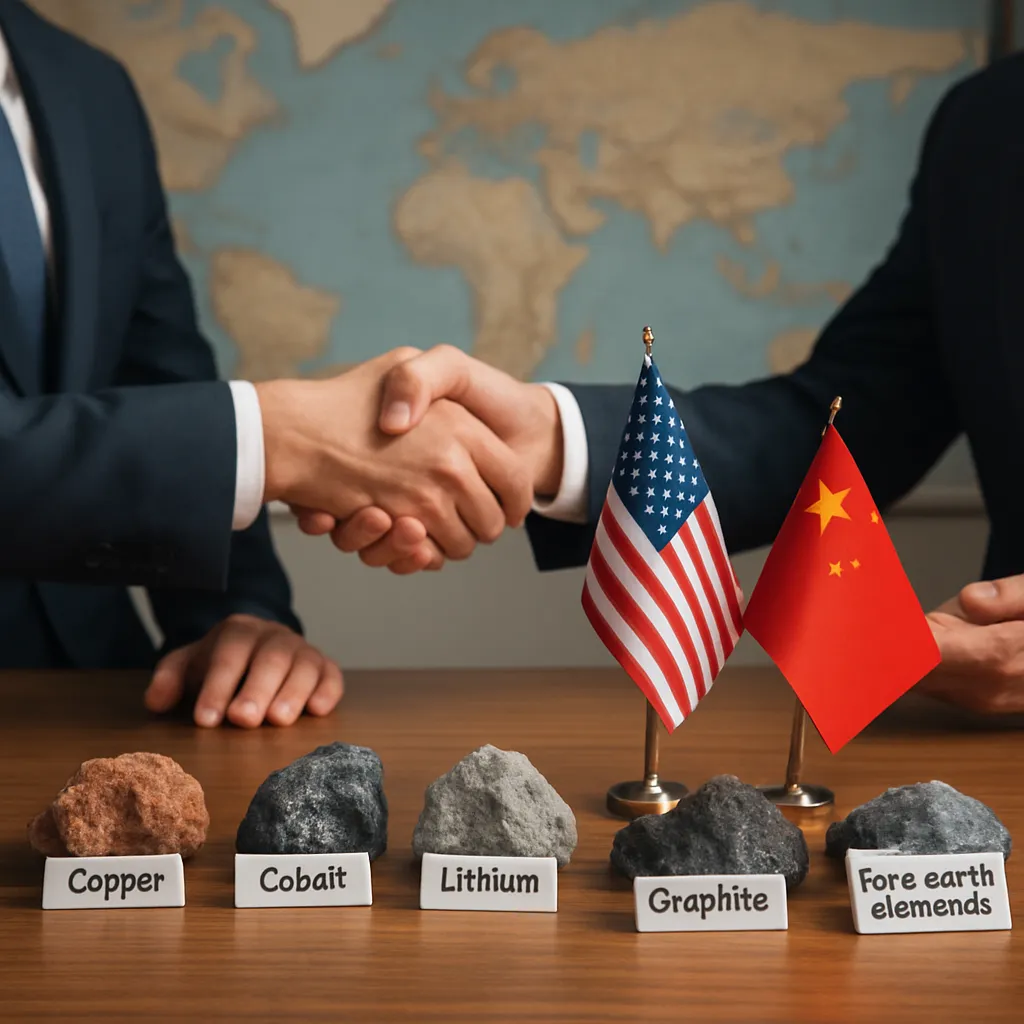
- Forge alliances that combine technical expertise, capital, and political backing.
- Implement sustainable practices to address environmental criticisms and regulatory hurdles.
- Continuously monitor emerging technologies that can lower cost and carbon footprint.
Achieving a balanced, secure supply of refined critical minerals hinges on concerted action. By building and modernizing refining capacity with an eye toward innovation, diversification, and sustainability, industry leaders and policymakers can safeguard the industries of tomorrow.