The relentless expansion of the Internet of Things (IoT) has ushered in an era where everyday objects—from home thermostats to industrial machinery—communicate seamlessly over networks. This proliferation of connected devices is driving unprecedented demand for a variety of rare metals, which are critical to the performance and miniaturization of modern electronic components. As sensors become smaller, batteries pack more energy, and magnets grow stronger, the pressure on mineral supply chains intensifies, raising questions about environmental impact, geopolitical risks, and long-term resource security.
Proliferation of Connected Devices
The growth of the Internet of Things is not a theoretical projection but a tangible reality: estimates suggest upwards of 50 billion connected devices by 2030. From smart cities that optimize traffic flow to wearable health monitors tracking vital signs, each device relies on specialized components that incorporate a range of rare metals. Key drivers include:
- Miniaturized sensors that detect temperature, pressure, light and motion
- Compact batteries offering higher energy density and rapid recharge cycles
- Precision magnets used in actuators, motors, and wireless communication modules
- Advanced semiconductors requiring high-purity substrates and dopants
As more industries—from agriculture and logistics to healthcare and energy—embrace real-time data and automation, the underlying need for specialised materials intensifies. The shift towards predictive maintenance, remote monitoring, and autonomous operations is especially metal-intensive, placing new burdens on global extraction and processing networks.
Critical Metals Powering IoT Innovations
At the heart of many IoT devices lie components that depend on lithium, cobalt, and neodymium. Each of these metals offers unique properties:
- Lithium: Essential for lightweight, high-capacity rechargeable batteries in wearables, drones, and electric vehicles supporting IoT freight tracking.
- Cobalt: Stabilizes battery cathodes, enhancing energy density and extending cycle life—critical for remote sensors deployed in harsh environments.
- Neodymium: A key rare earth element used to manufacture permanent magnets that drive precision actuators in automated manufacturing lines and robotics.
Beyond these, other metals such as dysprosium, praseodymium, and gallium play supporting roles in high-temperature magnets, semiconductor lasers, and microprocessors. The relentless push for smaller, lighter, and more efficient hardware intensifies demand across all these elements. Device manufacturers consistently explore novel alloys and material blends to optimize performance, but breakthroughs often require fresh supplies of high-purity feedstocks.
Supply Chain Complexity and Geopolitical Risks
Securing stable access to rare metals has become a strategic priority for nations and corporations alike. The global supply chain is characterized by several challenges:
Geographical Concentration
- China controls a significant share of rare earth processing and separation, despite offering only a fraction of global ore reserves.
- A handful of countries—Australia, the Democratic Republic of Congo, and Russia—dominate the production of cobalt, lithium, and other critical minerals.
Environmental and Social Impacts
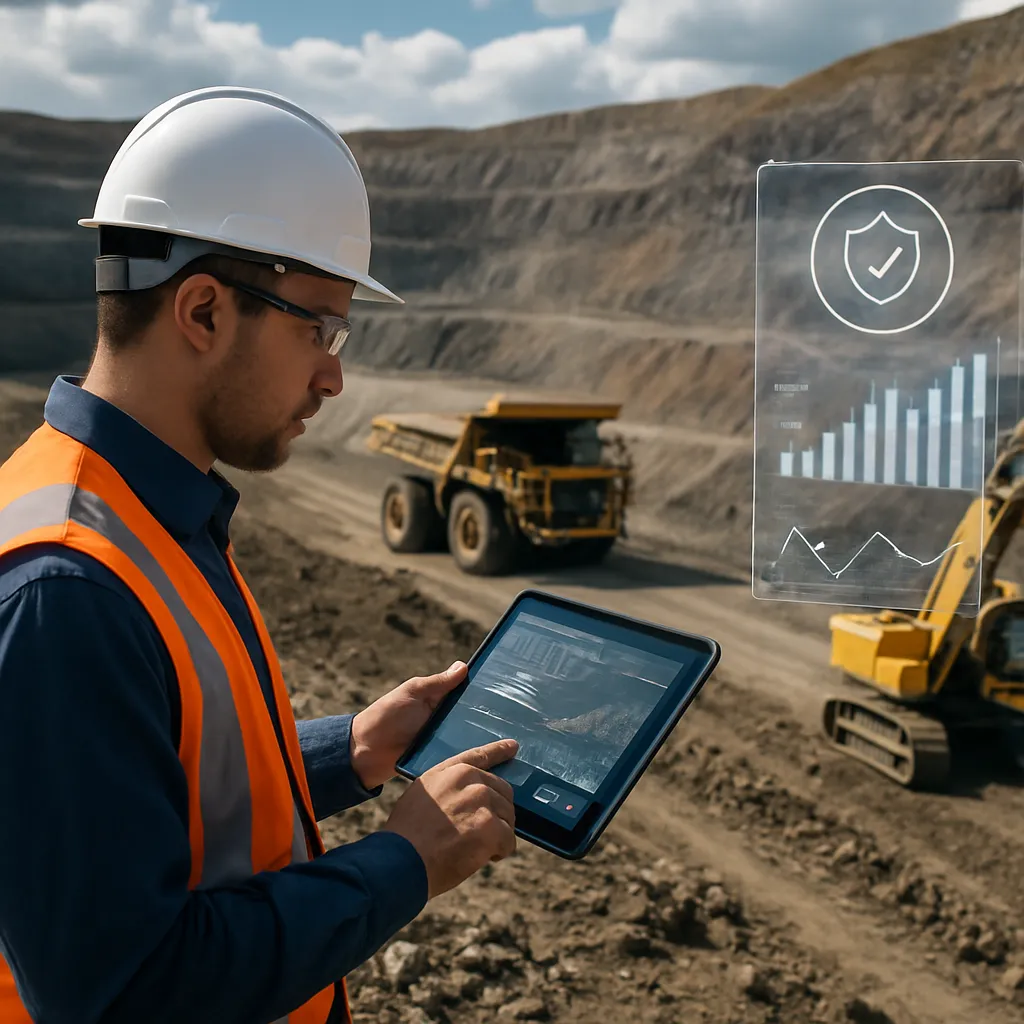
- Mining operations often occur in ecologically sensitive regions, where habitat destruction and water contamination pose serious threats.
- Local communities may face displacement, health hazards, and inadequate labor protections in the race to extract valuable ores.
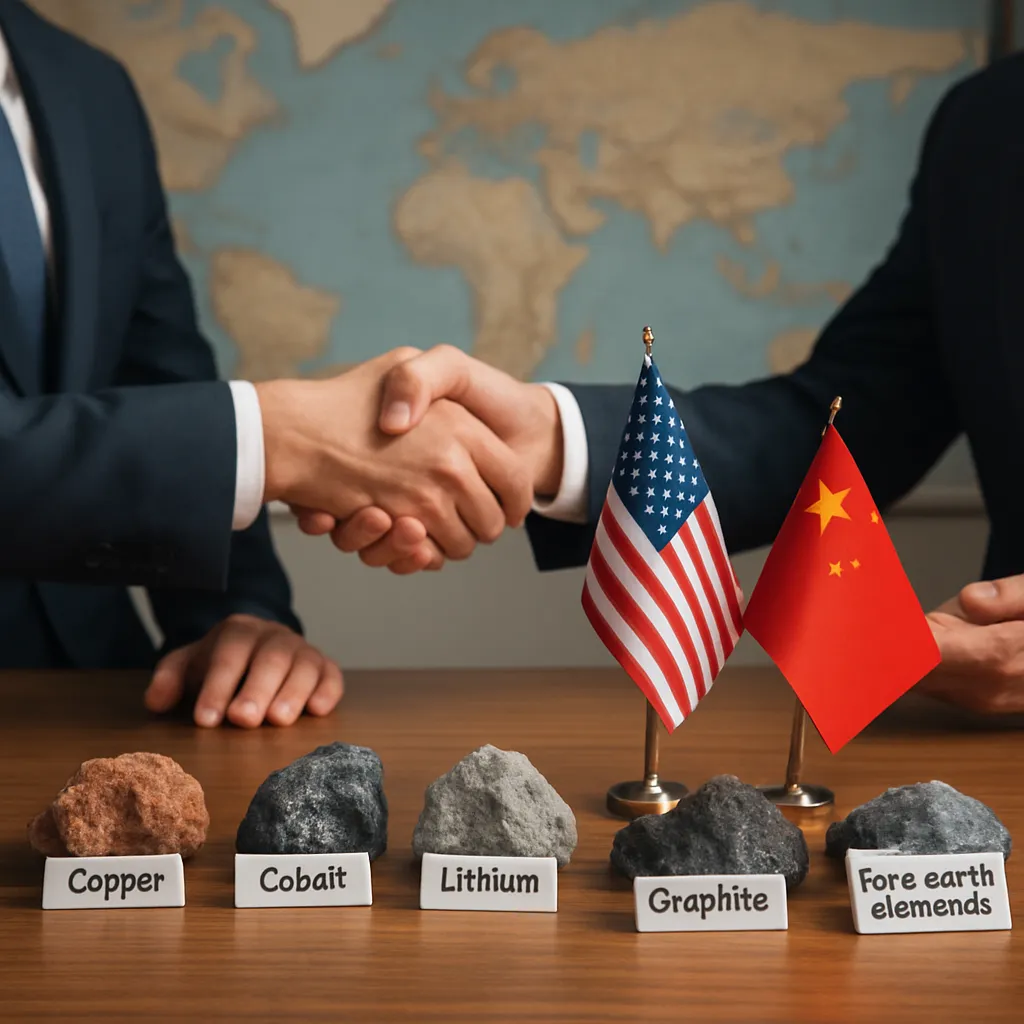
These factors combine to create volatile markets where price spikes and supply disruptions can ripple across industries. Companies are forced to hedge risks through long-term offtake agreements, strategic stockpiling, and investment in alternative sources. Governments respond by designating critical minerals lists, incentivizing domestic production, and forging international partnerships to diversify supply chains.
Sustainable Strategies and Recycling Initiatives
Given the mounting environmental and geopolitical pressures, stakeholders are exploring a variety of sustainable approaches to ensure secure access to key elements while minimizing ecological footprints. Innovations span from advanced mining practices to circular economy models:
Eco-Friendly Extraction
- Use of bioleaching techniques that employ microorganisms to separate metals from ores, reducing reliance on harsh chemicals.
- Implementation of land reclamation and water recycling systems to mitigate the environmental impact of mine tailings.
Urban Mining and Material Recovery
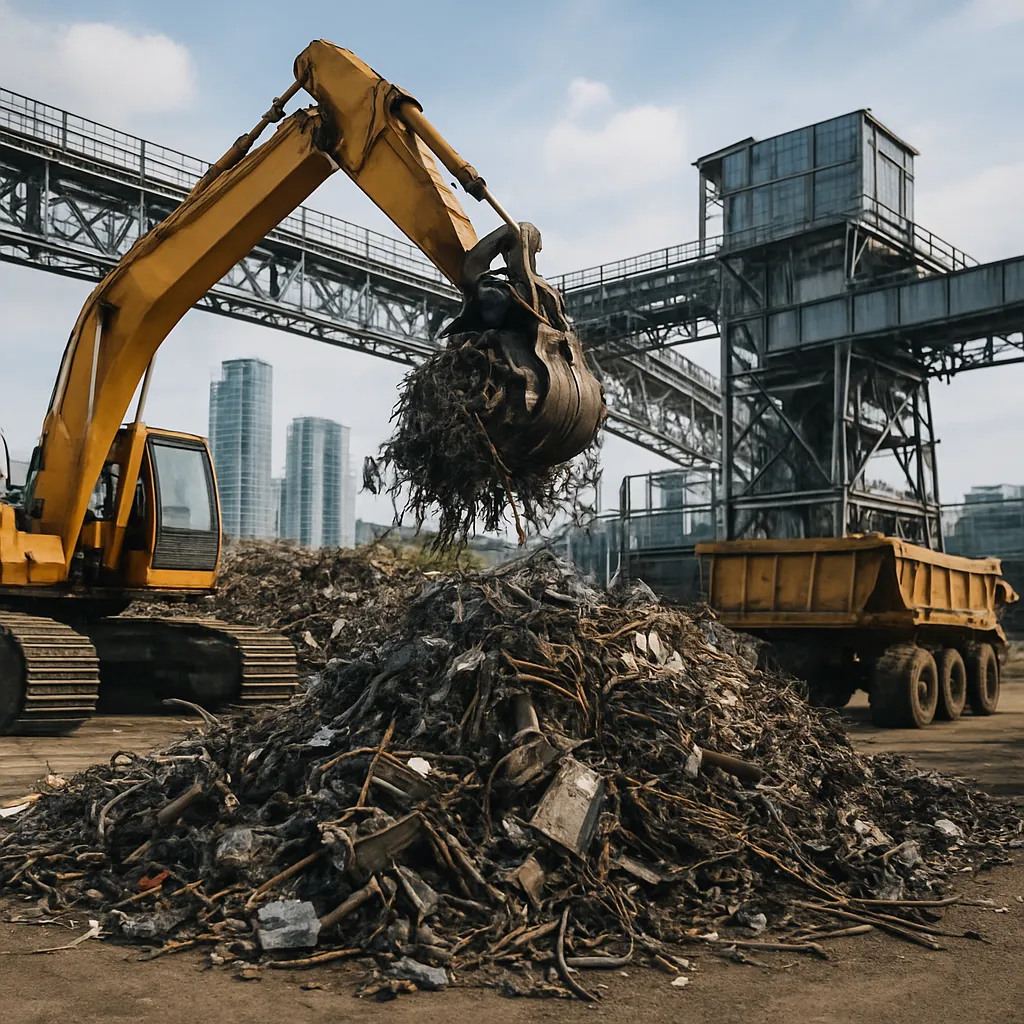
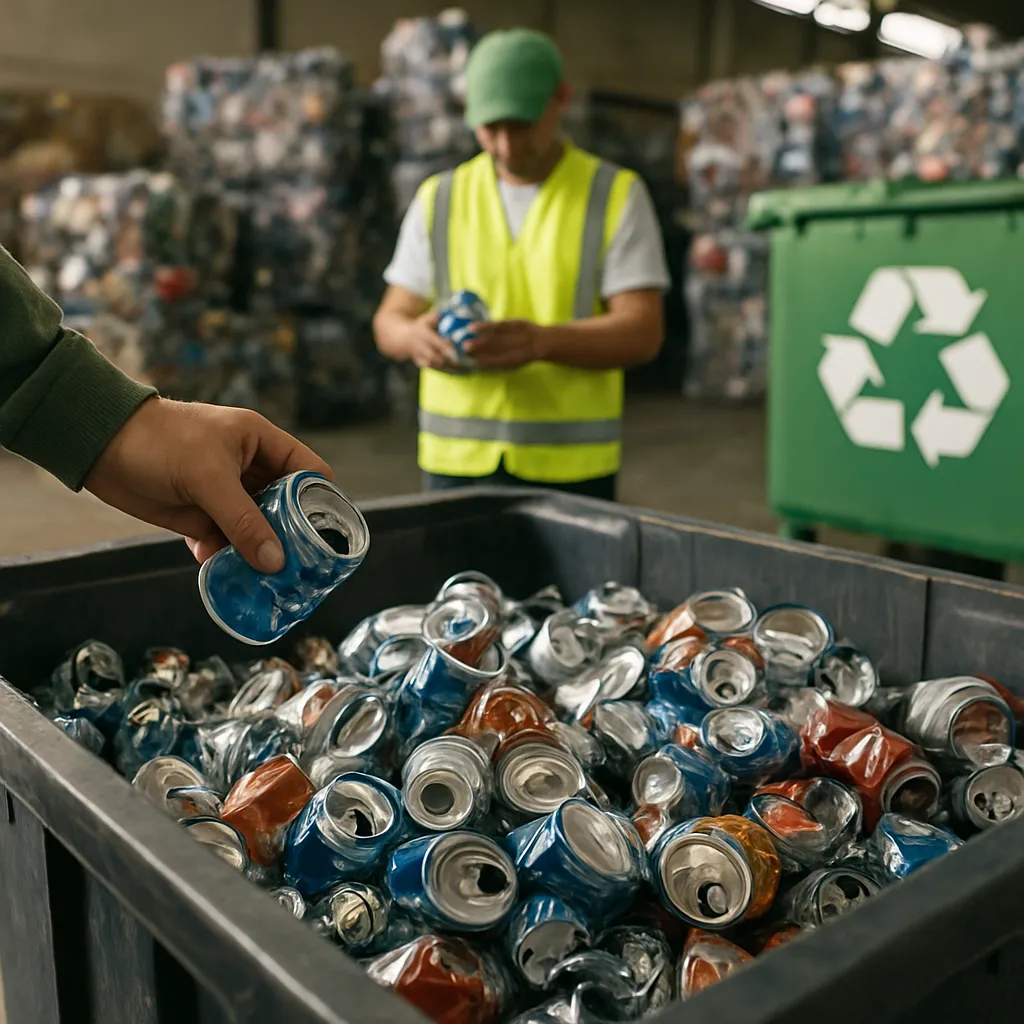
- Recovery of lithium and cobalt from spent batteries through hydrometallurgical and pyrometallurgical processes.
- Reclaiming neodymium and other rare earths from discarded hard drives, motors, and fluorescent lamps.
Circular Design Principles
- Designing IoT devices with modularity and ease of disassembly, facilitating component reuse and material separation at end-of-life.
- Standardizing parts and interfaces to streamline repairs and upgrades, extending product lifecycles and reducing material throughput.
These efforts not only alleviate pressure on virgin resources but also create new economic opportunities. Recycled metals can command significant value, particularly when recovered at high purity levels. Forward-looking manufacturers integrate take-back programs and collaborate with specialized recyclers to secure closed-loop supply chains.
Future Outlook: Innovation Meets Responsibility
The intersection of the Internet of Things revolution and the finite availability of rare metals presents both challenges and opportunities. On one hand, rising demand for smart devices accelerates resource depletion and intensifies competition. On the other, breakthroughs in material science, recycling technologies, and sustainable mining practices offer pathways to balance growth with stewardship.
Key trends to watch include:
- Development of alternative materials and substitutes to reduce dependency on geopolitically sensitive elements.
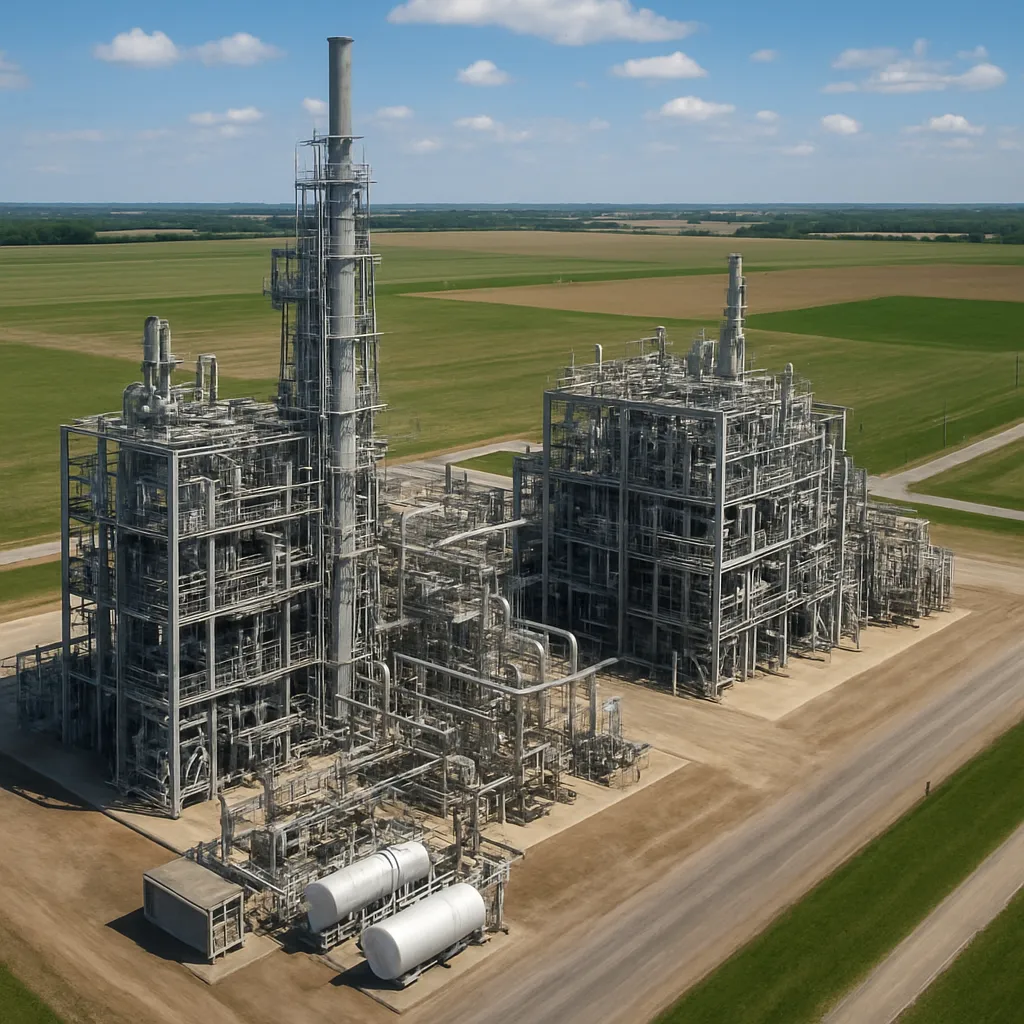
- Scaling of pilot recycling facilities into large-scale operations capable of processing millions of devices annually.
- Adoption of blockchain and digital tracking to ensure responsible sourcing and transparency across complex supply chains.
- Cross-sector collaboration among governments, industry, and academia to fund research and implement best practices.
By embracing a holistic approach—one that combines technological innovation with environmental and social responsibility—the global community can harness the full potential of the IoT while preserving the planet’s precious mineral resources for future generations.