The relentless pursuit of computational supremacy has ushered in a new era of technological marvels. Quantum computers promise staggering processing power by harnessing phenomena such as entanglement and superconductivity. Yet behind these breakthroughs lies a complex web of material requirements, with certain metals playing a pivotal role in turning theory into practice. This article delves into the intersection of emerging quantum computing technologies and the global landscape of critical metals, exploring applications, supply chain dynamics, and the broader implications for the high-tech industry.
Quantum Computing and Material Demands
Quantum computing leverages quantum-mechanical phenomena to perform tasks beyond the reach of classical machines. The fundamental building blocks of these systems are qubits, which can exist in superposition and become entangled with one another. Achieving stable qubit operation requires exceptional control over environmental factors, often necessitating ultralow temperatures and exotic hardware components fabricated with extreme precision.
Superconducting Qubit Architectures
Among various qubit platforms, superconducting circuits have emerged as frontrunners due to their compatibility with existing semiconductor fabrication techniques. These circuits rely on materials that exhibit zero electrical resistance when cooled near absolute zero. Key components of superconducting qubits include Josephson junctions, which consist of aluminum or niobium electrodes separated by insulating layers. Manufacturers must ensure atomic-scale uniformity and defect control to maintain coherence times sufficient for quantum error correction protocols.
Trapped Ions and Photonic Implementations
Alternative approaches use trapped ions or photonic states to encode quantum information. Ion traps require electrode structures made from highly conductive and chemically inert metals, such as gold or aluminum, while photonic qubits depend on materials with tailored optical properties. In all cases, the purity and isotopic composition of these metals can influence qubit performance, mandating stringent sourcing and refining practices.
Key Rare Metals and Their Applications
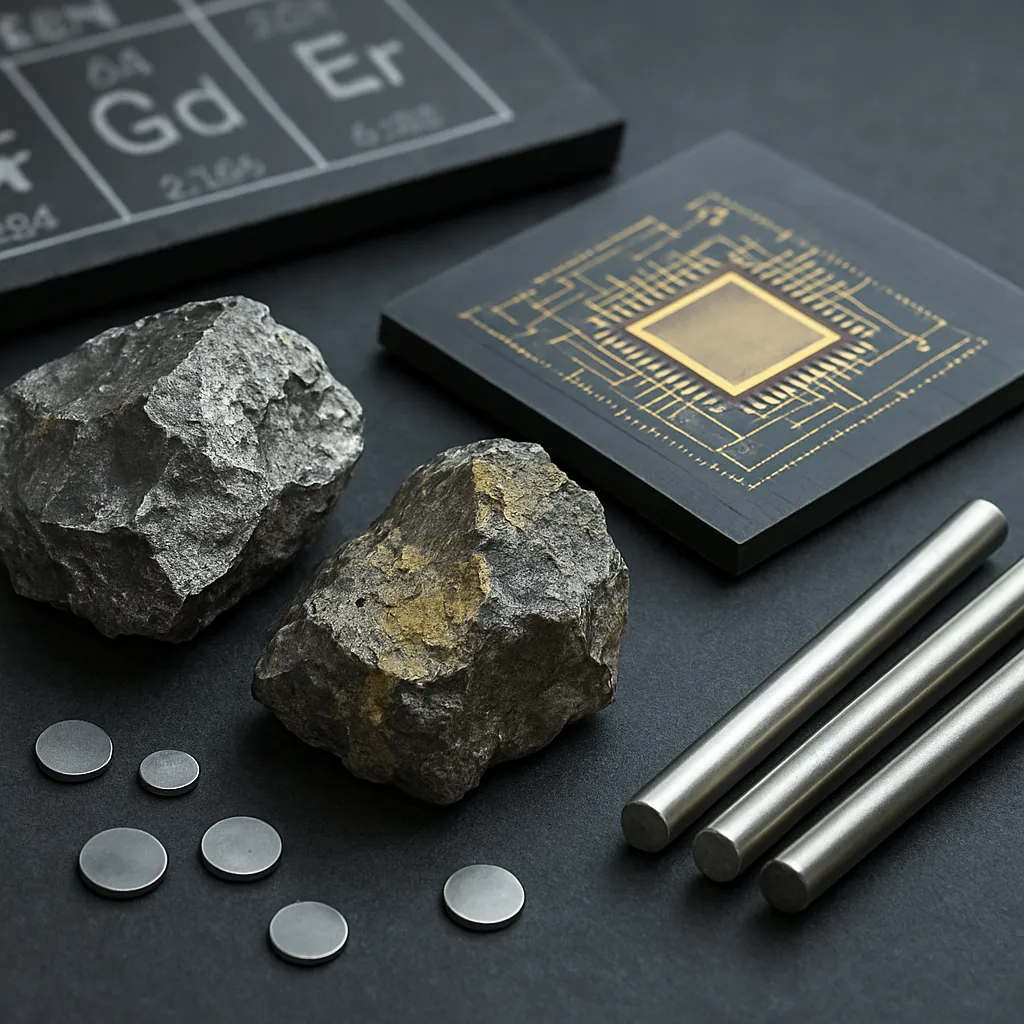
Several metals are indispensable to quantum computing hardware. While not all are classified as “rare,” many face supply constraints or ethical concerns. Understanding their roles illuminates broader geopolitical and environmental challenges.
- Niobium: A critical component of superconducting cavities and resonators. Its high critical temperature and robust mechanical properties make it ideal for sustaining quantum states in dilution refrigerators.
- Tantalum: Used in thin-film capacitors and coatings to improve device stability. Its corrosion resistance ensures long-term reliability in cryogenic environments.
- Rare earth elements (e.g., europium, yttrium): Employed in laser systems for qubit control and fluorescence detection, providing precise wavelength tuning and high quantum yield.
- Copper and aluminum: Widely used in microwave lines and thermal anchoring structures. Purity levels above 99.999% are often required to minimize scattering losses.
Metallurgical Challenges
Producing quantum-grade metals demands exceptional metallurgical expertise. Even trace impurities at the parts-per-million level can introduce decoherence channels. Refiners must deploy advanced separation techniques, such as solvent extraction and ion exchange, to isolate desired isotopes. Further, alloying strategies are sometimes applied to tailor mechanical and electrical characteristics, adding complexity to material supply chains.
Supply Chain Challenges and Future Outlook
The concentration of rare metal mining and refining in a handful of regions poses significant risks. Political instability, export restrictions, and environmental regulations can all disrupt the flow of essential raw materials. Companies straddle a delicate balance between securing long-term contracts and adhering to responsible sourcing standards.
Geopolitical Considerations
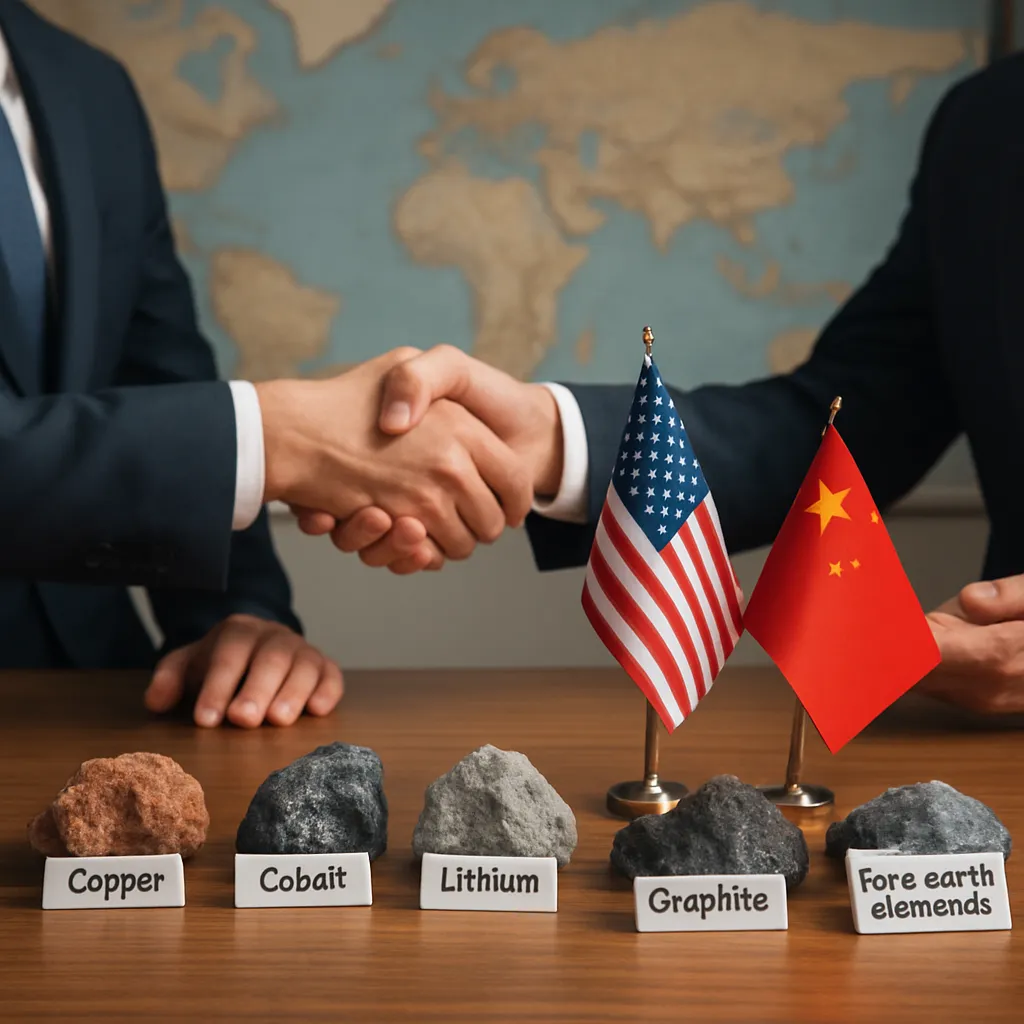
Global dependence on key producers has prompted nations to diversify supply sources. Strategic stockpiling, domestic mining initiatives, and recycling programs are emerging as mitigation strategies. However, ramping up production of metals like niobium or tantalum involves multi-year lead times and substantial capital investment.
Recycling and Circular Economy
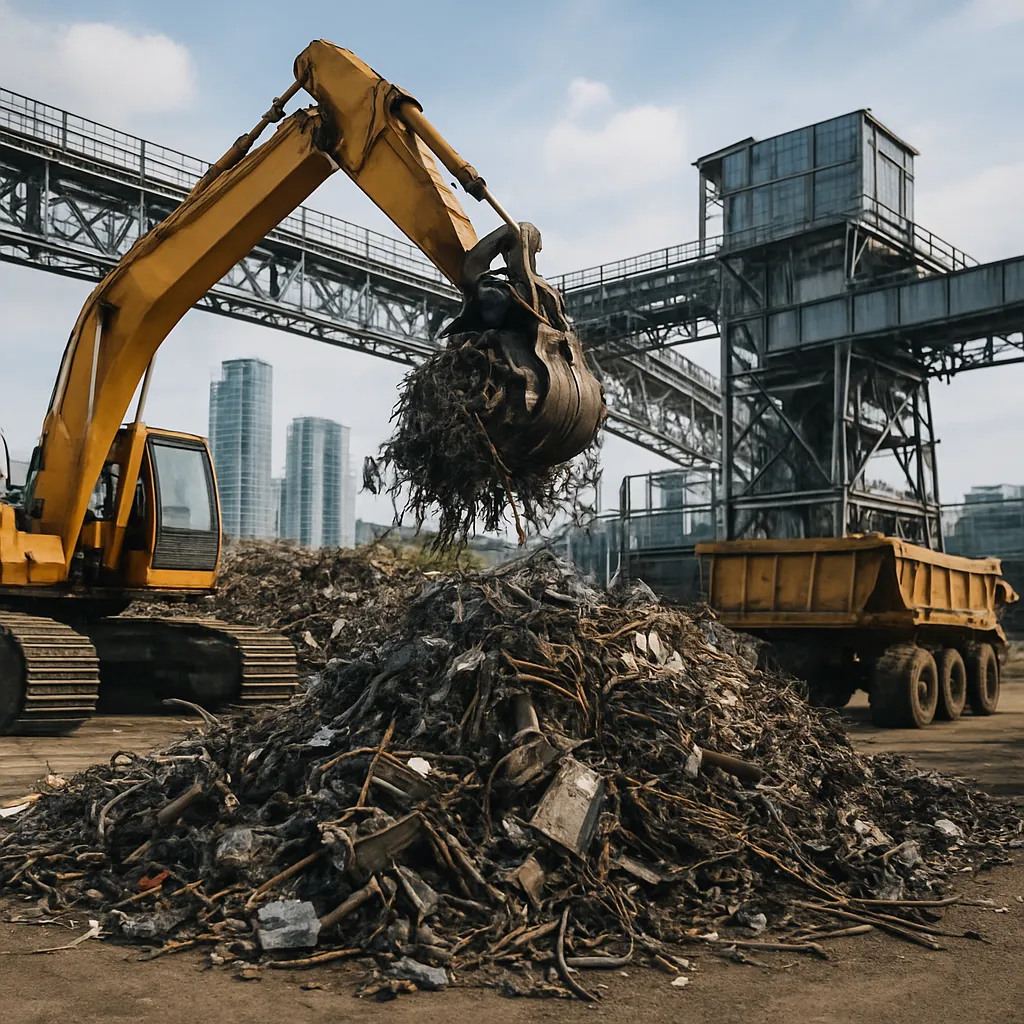
Reclaiming metals from end-of-life electronics offers a promising pathway to reduce reliance on virgin ores. Advanced recycling techniques can recover high-purity fractions suitable for quantum hardware. Developing closed-loop systems not only enhances sustainability but also insulates the industry from market volatility.
Innovation in Material Science
Researchers are actively seeking alternatives to scarce metals. Novel superconductors based on iron pnictides and other compounds may reduce or eliminate reliance on niobium. Similarly, synthetic diamond substrates, doped with nitrogen-vacancy centers, offer potential routes to photonic qubits without rare-earth dependence. These breakthroughs require interdisciplinary collaboration between physicists, chemists, and materials engineers to translate laboratory discoveries into manufacturing realities.
Environmental and Ethical Considerations
Mining activities for rare metals often incur significant ecological footprints, including habitat disruption, water contamination, and carbon emissions from extraction processes. Ethical lapses in artisanal mining can lead to human rights abuses and unsafe working conditions. The quantum computing industry must confront these challenges head-on to build a socially responsible supply chain.
- Implementing third-party certification schemes to verify the provenance of critical metals.
- Adopting waterless extraction methods and renewable energy sources at mining sites.
- Investing in community development programs to ensure that local populations benefit from mineral wealth.
As quantum computing advances, the stakes surrounding raw materials will only intensify. By fostering transparency, innovation, and environmental stewardship, stakeholders can ensure that the race for quantum dominance proceeds in harmony with global sustainability goals.