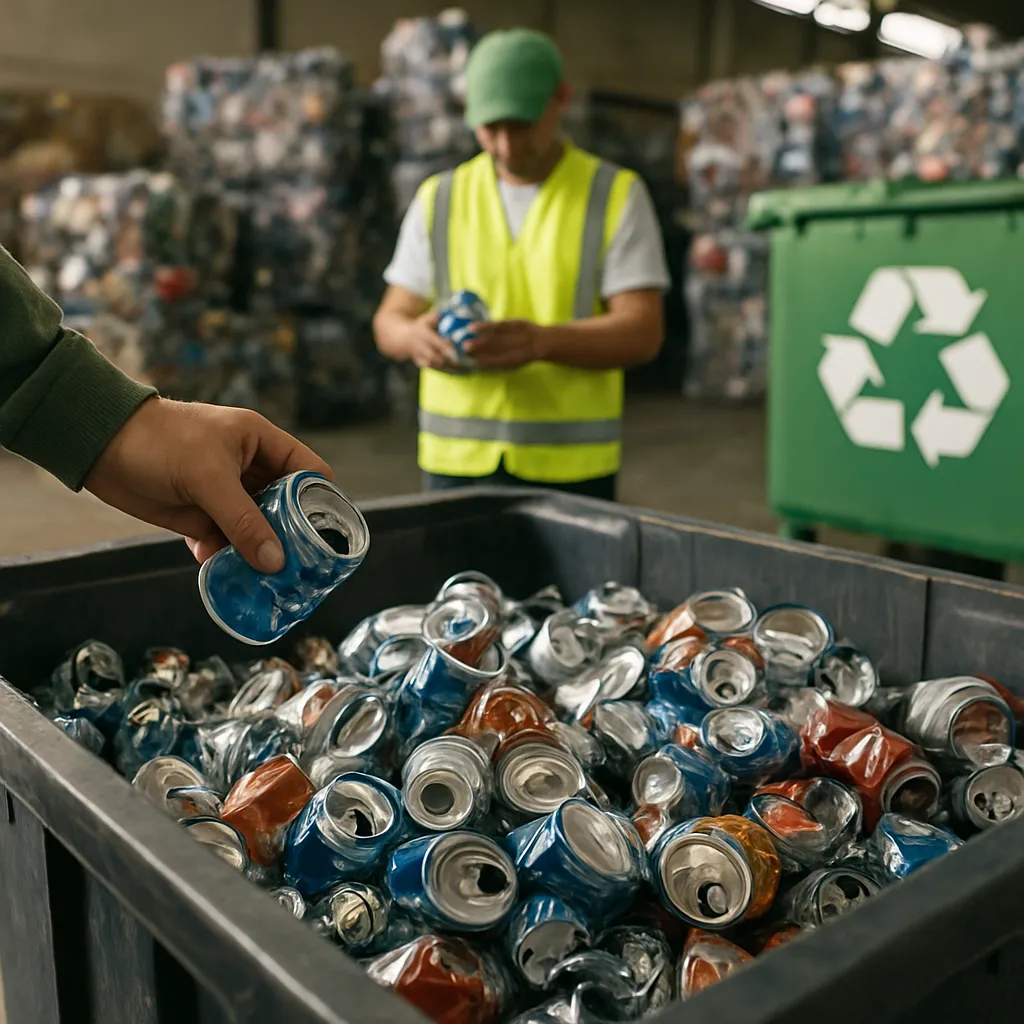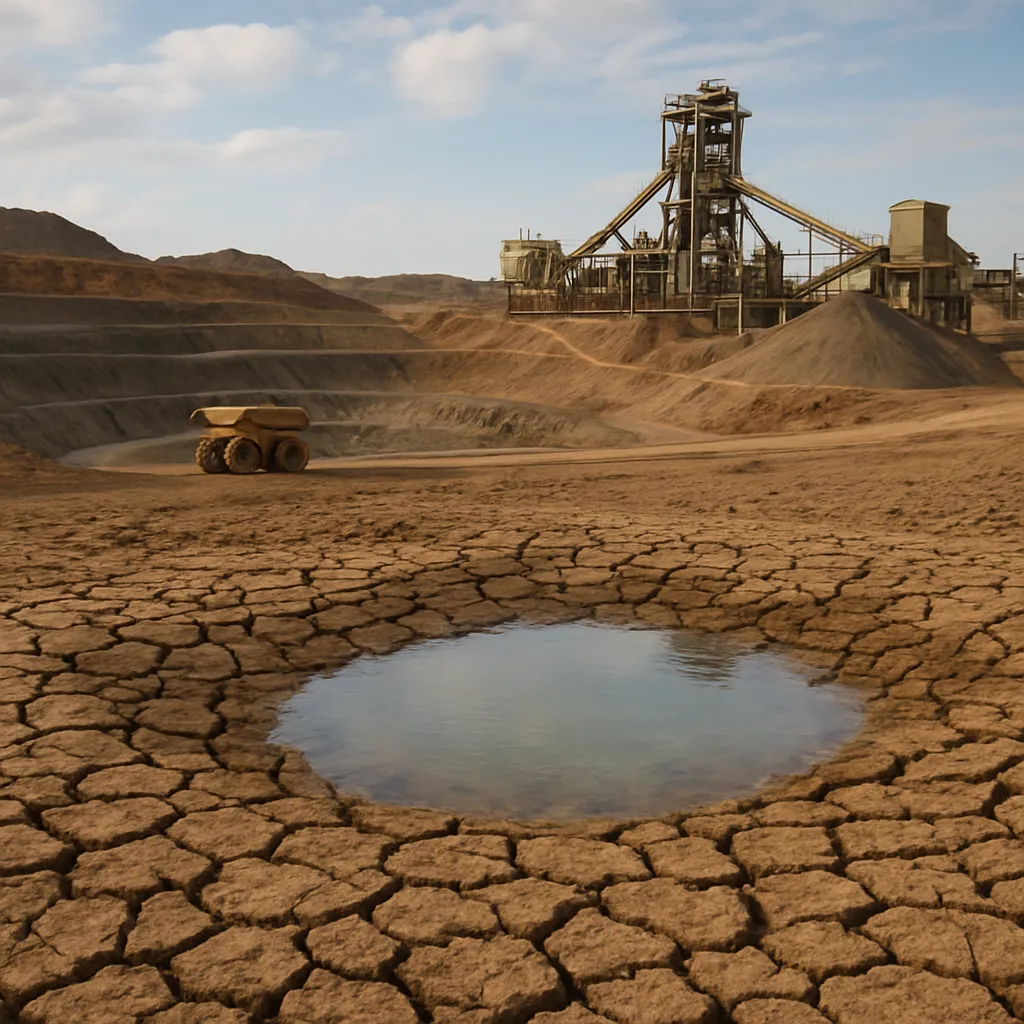
The mining sector is increasingly challenged by the dual pressures of dwindling freshwater supplies and surging demand for rare metals. As global economies race to electrify transportation, expand renewable energy, and upgrade telecommunications infrastructure, the extraction of key elements like lithium, cobalt, nickel, and rare earth elements intensifies. However, these operations often coincide with regions suffering from acute water shortages. Balancing the pursuit of critical minerals with responsible resource stewardship requires a rethink of traditional practices and a push towards innovative solutions.
Water Scarcity and Rare Metal Extraction
Water is fundamental to metal recovery processes, from ore crushing and flotation to tailings management and dust suppression. In areas facing extreme scarcity, mining projects can consume millions of liters per day, putting enormous strain on local supplies. This competition for water between mining operations and communities often sparks conflict and poses risks to ecosystem health.
Regional Hotspots
- Southwestern United States: Lithium and copper mines.
- Australia’s Goldfields: Nickel and rare earth extraction in arid zones.
- Central Asia: Uranium and lithium operations in semi‐deserts.
- South America’s Lithium Triangle: Salt flats with fragile hydrological systems.
In each of these hotspots, mining companies must navigate a web of competing demands, from agricultural irrigation and municipal consumption to fragile wetlands that support biodiversity.
Technological Innovations in Water Management
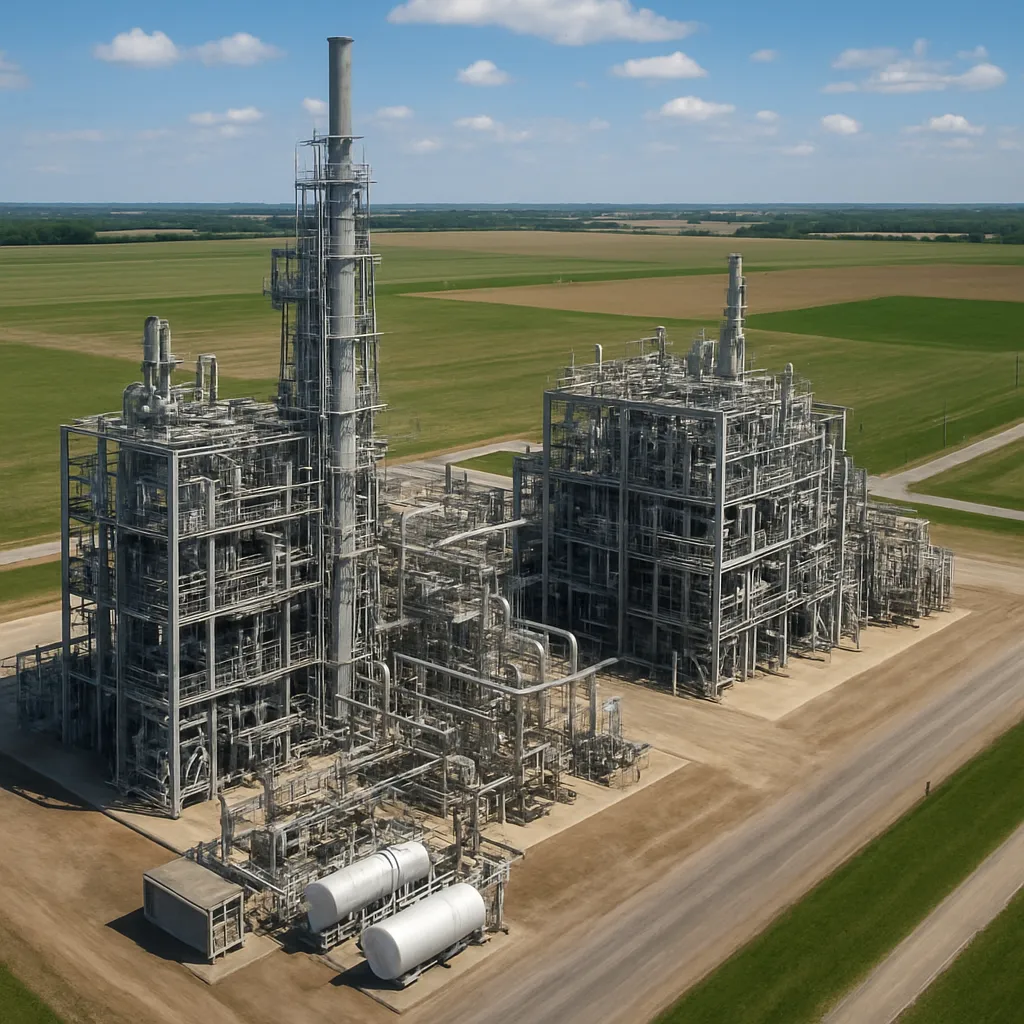
Pioneering firms are adopting advanced technology to reduce freshwater withdrawals and increase efficiency. These approaches span the full mine lifecycle:
- Closed‐loop processing: Recycling tailings water through treatment systems that remove contaminants before reuse.
- Dry stacking: Dewatering tailings to produce filter cakes, minimizing the need for tailings dams and lowering water demand.
- Membrane filtration: Using reverse osmosis and ultrafiltration units to recover and purify process water.
- Atmospheric water generation: Harvesting moisture from the air in arid regions to support dust control and small-scale operational needs.
Implementing these solutions can cut freshwater intake by up to 80 percent, but requires significant capital investment and specialized expertise. Collaboration with technology providers and research institutions is essential to tailor systems that suit local geochemistry and climate.
Environmental and Social Impacts
Beyond operational concerns, water shortages carry profound community and ecological implications. Lowered water tables can desiccate wetlands, degrade riparian habitats, and threaten endangered species. In parallel, reduced groundwater availability harms agriculture and jeopardizes drinking water for nearby towns.
Community Engagement and Equity
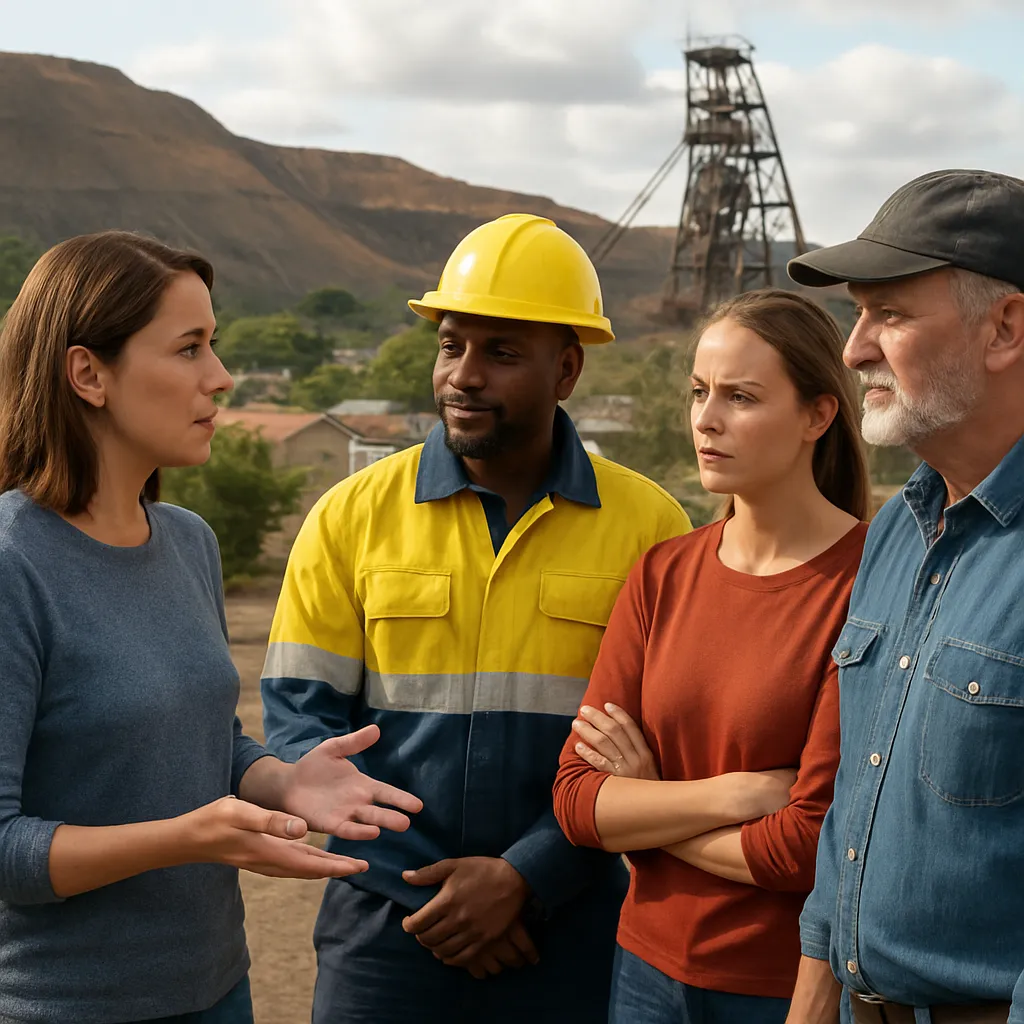
Effective stakeholder engagement ensures mining entities understand and mitigate social risks. Key measures include:
- Transparent water accounting and public reporting of withdrawal volumes.
- Investment in alternative water supply projects, such as community water stations.
- Compensation schemes for affected farmers and pastoralists.
- Participatory frameworks that incorporate indigenous rights and traditional knowledge.
When communities perceive equitable sharing of benefits and burdens, the likelihood of protests and legal disputes declines, fostering a more stable investment climate.
Regulatory and Governance Considerations
Governments play a pivotal role in shaping the balance between mining growth and sustainability. Regulatory mechanisms can include:
- Water allocation permits tied to stringent usage caps and efficiency targets.
- Mandatory environmental impact assessments that evaluate cumulative water stress.
- Enforcement of baseline water monitoring before and during mining activities.
- Incentives for companies achieving water‐positive or net‐zero water footprints.
In jurisdictions where enforcement is weak, companies may exploit regulatory gaps, leading to detrimental outcomes. Conversely, robust frameworks encourage investment in cutting‐edge innovation and support global supply chains that demand high environmental standards.
Building Resilience for Future Mining Projects
Adapting to a world of constrained water resources necessitates a shift from reactive measures to proactive resilience strategies. Mining firms should:
- Conduct climate risk assessments that forecast future water availability under various warming scenarios.
- Establish water partnerships with local municipalities, industry peers, and NGOs to share infrastructure and best practices.
- Invest in decentralized renewable energy to power water treatment, reducing reliance on diesel and grid electricity.
- Adopt circular economy principles, turning one operation’s waste into another’s resource.
By embedding water considerations into every stage of project planning, from site selection to closure, mining companies can minimize environmental footprints while securing their operations against unpredictable hydrological shifts.
Conclusion
The quest for critical raw materials underpins the global transition to low‐carbon technologies but must not come at the expense of vital freshwater ecosystems and vulnerable communities. Through a combination of technology, collaborative governance, and social responsibility, the mining industry can forge a path that balances resource extraction with water stewardship. Such an approach not only safeguards the environment but also enhances the long-term viability of metal supply chains that power modern society.