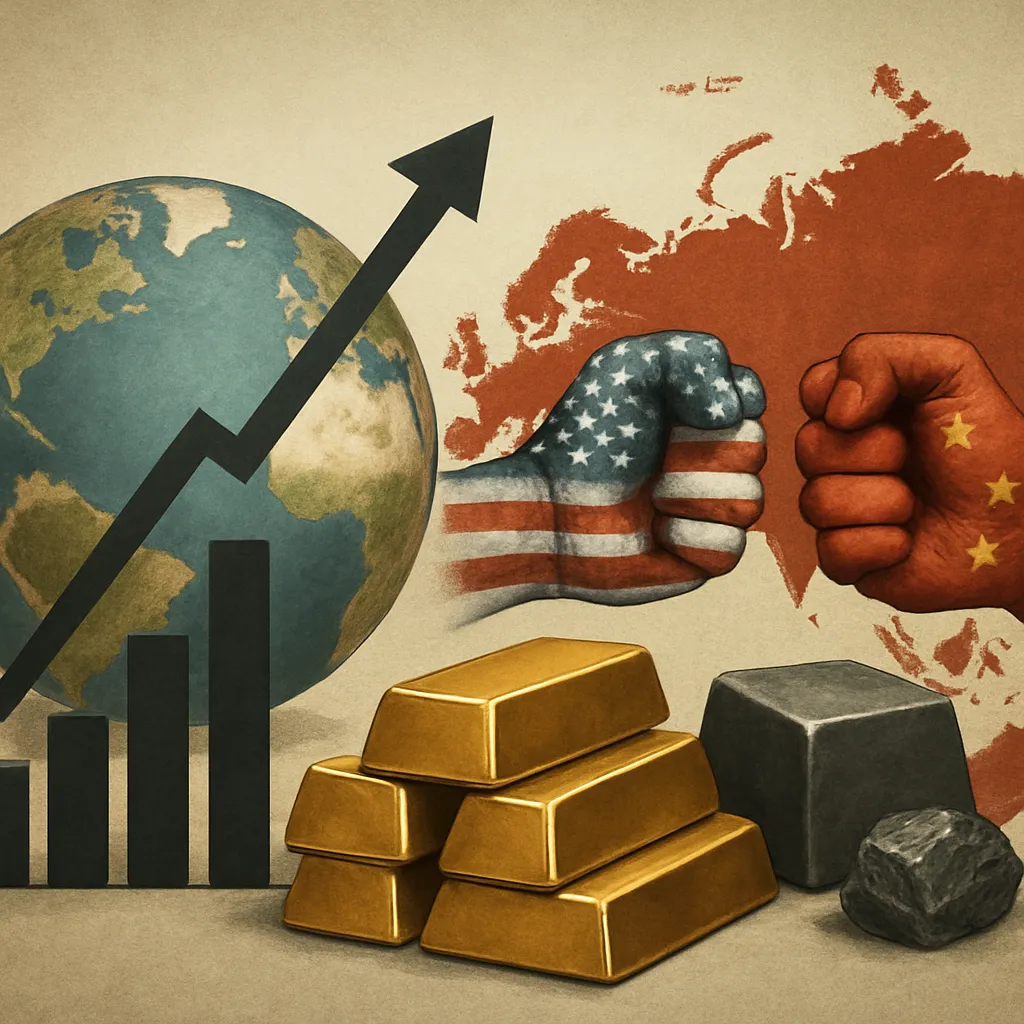
The global landscape of rare metals is being reshaped by evolving power relations, trade alliances, and resource nationalism. Investors and policymakers alike are racing to adapt to new risk paradigms, as the extraction, processing, and distribution of critical elements become entangled in the broader tapestry of international rivalry. This article examines how geopolitical realignments are redirecting capital into rare metal sectors, what that means for market participants, and how technological advances are both a driver and a beneficiary of these emerging trends.
Geopolitical Influences on Rare Metal Supply Chains
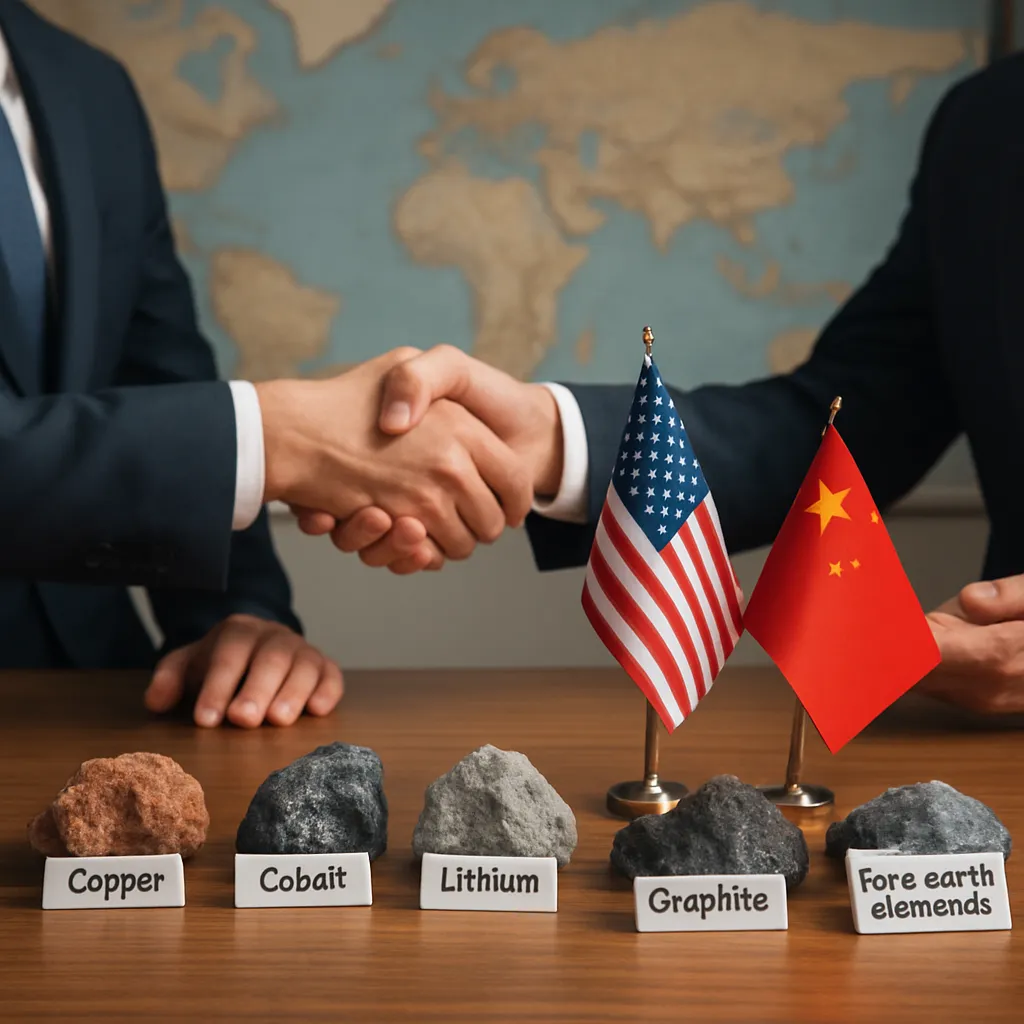
The last decade has witnessed an unprecedented consolidation of rare metals production within a handful of jurisdictions. Nations have leveraged their mineral endowments to pursue objectives of sovereignty and industrial leverage. By exercising export quotas or introducing stringent licensing regimes, major producers can substantially alter global price dynamics. This is exemplified by the 2010 rare earth export restrictions, which sent shockwaves through high-tech and defense markets worldwide.
Competing trade blocs are now courting new alliances with resource-rich states. In Africa, Asia, and South America, governments have begun to negotiate long-term supply contracts in exchange for infrastructure investments. Such arrangements offer host countries improved local capacity but also raise concerns about overreliance on external capital. Investors must therefore weigh the benefits of preferential access against potential diplomatic volatility.
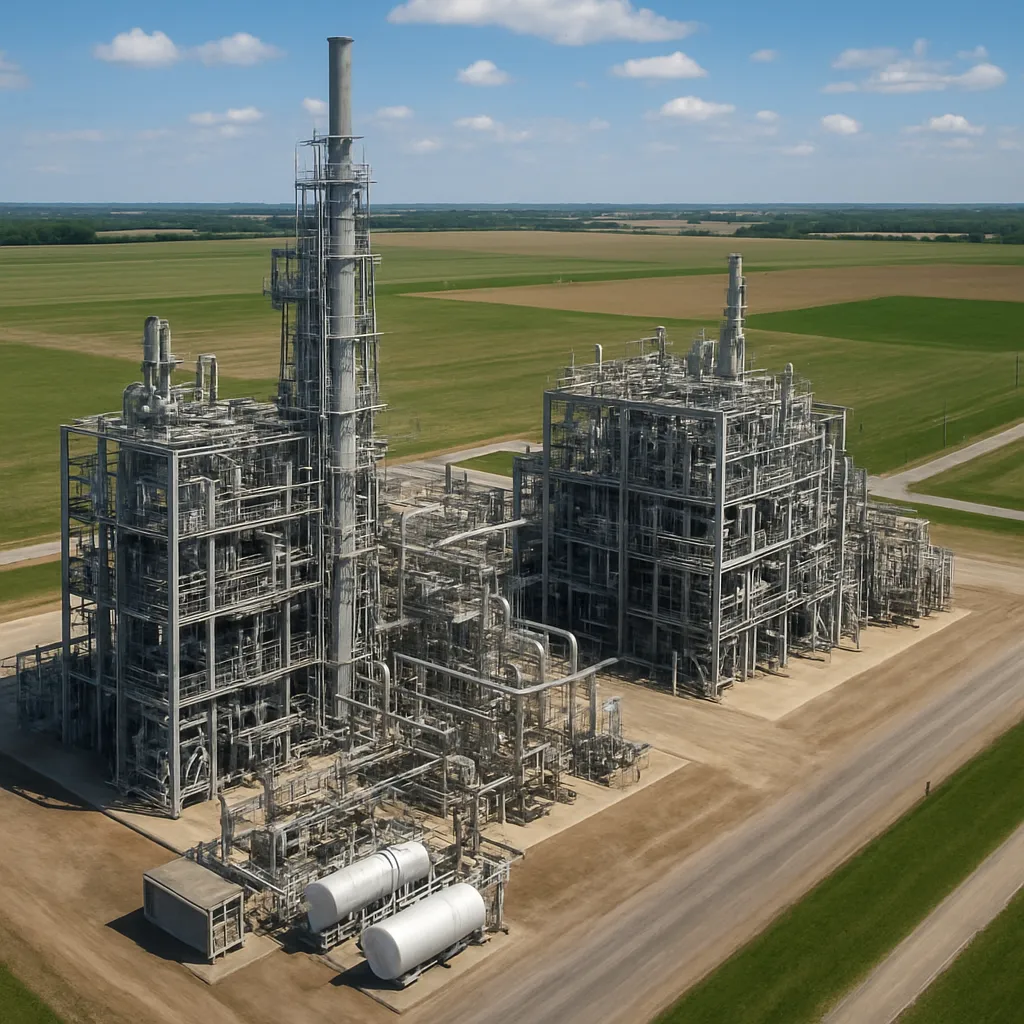
Amid these maneuvers, China’s dominant position in processing remains a critical pinch point. While some Western nations have sought to develop alternative refining hubs, the complexity of separating and purifying rare metals creates high barriers to entry. Consequently, any attempt at diversification must confront steep technology costs and lengthy permitting processes.
Resource nationalism has surfaced as a potent force in Latin America, where governments have demanded larger royalties and participatory stakes in mining ventures. These policy shifts have triggered a wave of renegotiations and, in some cases, litigation. As sovereign actors assert more control over in-country assets, multinational investors are forced to adapt strategies designed to maintain stable supply without inciting political backlash.
Shifting Investment Flows and Market Dynamics
Financial institutions and private equity firms are intensifying their scrutiny of geopolitical risk indicators before allocating capital to new mining projects. Emerging tools, such as AI-driven risk scoring models, now factor in diplomatic tensions, potential sanctions, and trade embargo scenarios. Consequently, many global funds are diversifying their portfolios to include secondary deposits and recycling operations, which present lower exposure to sovereign arbitrage.
- Primary mining projects in politically stable jurisdictions
- Recycling of critical minerals from end-of-life electronics
- Strategic partnerships with midstream processors
- Hedging strategies using metal futures and options
Investor appetite for streaming and royalty agreements has also surged. These structures enable financiers to secure future production at discounted rates while avoiding operational complexities. However, the rise of these contracts has sparked concerns about the long-term sustainability of project financing models, especially when governments revise fiscal terms.
Stock market performance of rare metal producers has shown heightened sensitivity to news on geopolitical standoffs. Share prices can fluctuate by double digits following announcements of export controls or new sanctions regimes. Such volatility has prompted asset managers to augment their hedging with derivatives linked to basket indices of critical metals, in order to dilute jurisdiction-specific exposure.
Technological Demand and Strategic Stockpiling
The accelerating shift toward electrification and decarbonization of transportation and energy grids is propelling demand for metals like lithium, cobalt, nickel, and platinum-group elements. Governments keen on securing supply chains are implementing strategic stockpiles to insulate against sudden disruptions. For instance, several European states have announced plans to build national reserves for battery-grade lithium and rare earth oxides.
Meanwhile, corporate off-takers are forging prepayment agreements with mining companies, ensuring preferential access to future outputs. Such arrangements often include clauses that allow purchasers to renegotiate price terms if geopolitical risk levels exceed specified thresholds. Through these mechanisms, both governments and private entities aim to bolster resilience in the face of potential trade wars.
Innovation in extraction technologies—such as deep-sea mining and geothermal brine recovery—has drawn scrutiny from investors eager to reduce exposure to land-based geopolitical hotspots. While these methods promise access to untapped reserves, they carry environmental and regulatory hurdles that could delay commercialization. Nevertheless, venture capital is pouring into exploration of these frontier techniques in pursuit of first-mover advantages.
Future Frontiers in Rare Metal Finance
As geopolitical alignments continue to evolve, innovative financial instruments will emerge to bridge gaps between supply uncertainty and industrial demand. Green bonds tied to metal recycling projects, sovereign-backed loan guarantees for mining expansions, and tokenized commodity platforms are already under development. These vehicles aim to mobilize capital more effectively while embedding risk management features that reflect the volatile nature of the rare metals arena.
Institutional investors are also exploring the potential for carbon-credit arbitrage linked to mining operations that adopt low-emission extraction processes. By integrating environmental performance into debt and equity financing terms, lenders can incentivize decarbonization without sacrificing returns. This approach aligns with broader ESG mandates and reinforces the strategic importance of sustainability in resource sectors.
The trajectory of rare metal investment flows will be shaped by the interplay between diplomatic engagements, regulatory frameworks, and technological breakthroughs. Savvy market participants will monitor policy signals closely while forging alliances that transcend traditional geopolitical fault lines. Those who can anticipate shifts and cultivate diversified portfolios stand to reap significant rewards in this high-stakes arena of global resource competition.