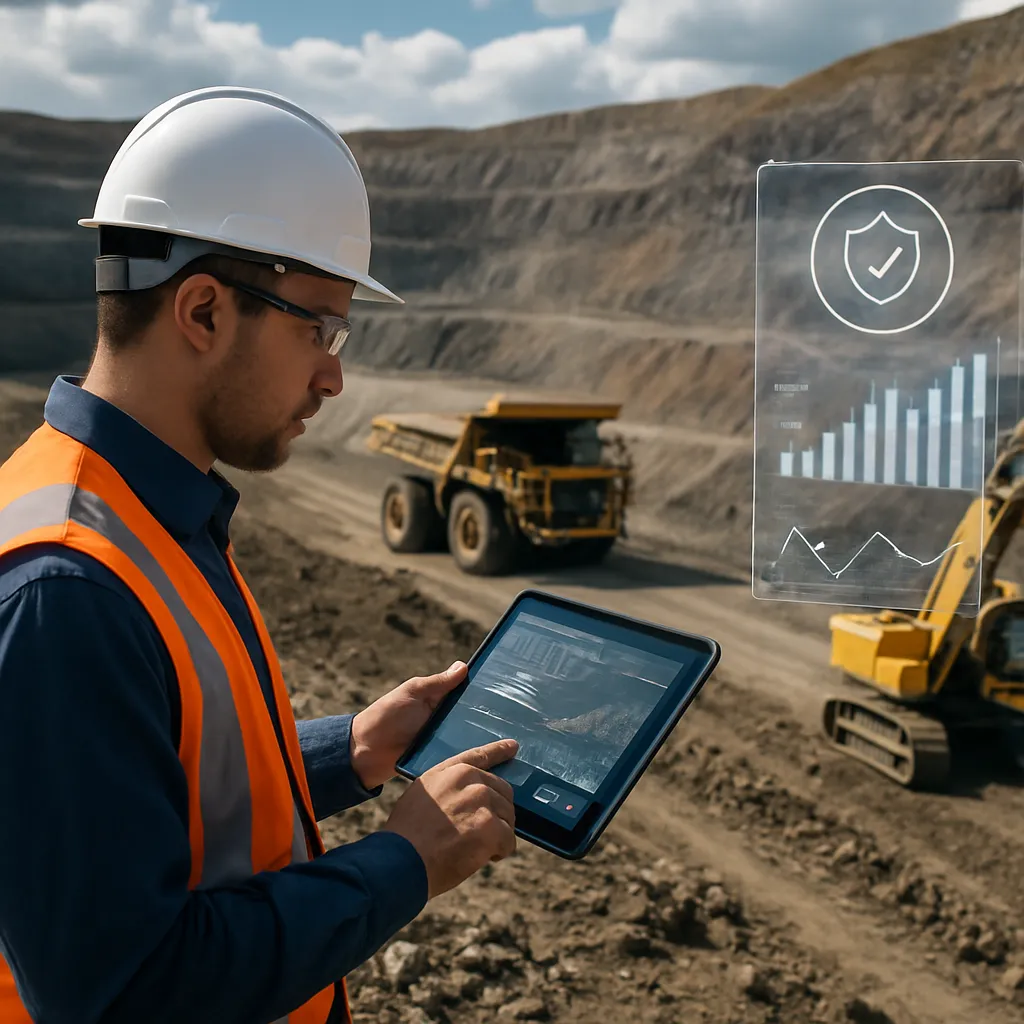
The global competition for securing critical resources has entered a new phase as the demand for advanced computing power accelerates. The emergence of cutting-edge artificial intelligence systems has placed an unprecedented strain on supplies of specialized minerals that underpin modern electronics. As nations and corporations race to secure their position, the dynamics of extraction, processing, and distribution of rare metals have taken on strategic significance far beyond traditional energy markets. This article explores the evolving landscape of these materials, examining the forces shaping market stability, technological breakthroughs, and environmental consequences.
Global Rare Metals Landscape
Rare metals such as lithium, cobalt, neodymium, and tantalum form the backbone of contemporary electronics and renewable energy systems. These rare metals are crucial for manufacturing components like permanent magnets, batteries, and high-performance chips. While some regions boast abundant deposits, others lack domestic capacity to refine or process ores into usable forms. This uneven distribution has created a geopolitical scramble for resource security.
Key Resource Hubs
- China: Dominates processing of rare earth elements used in EV motors and wind turbines.
- Congo: Holds over 60% of global cobalt reserves critical for battery cathodes.
- Australia: Rich in lithium deposits essential for electrification of transport.
- United States: Expanding domestic mining but still heavily reliant on imports for refined materials.
The reliance on a handful of suppliers introduces vulnerabilities. Policy shifts, trade disputes, or production disruptions can cascade through the supply chain, elevating prices and stalling technological development. For companies developing AI hardware, securing long-term contracts and investing in alternative sources has become a strategic imperative to mitigate risk.
Supply Chain Dynamics and Geopolitics
The journey from ore to chip involves multiple stages: mining, refinement, component fabrication, and final assembly. Each stage is subject to regulatory, environmental, and political pressures. For instance, export quotas on refined rare earths can force manufacturers to stockpile or diversify suppliers, adding costs and delays.
Strategic Alliances and Trade Tensions
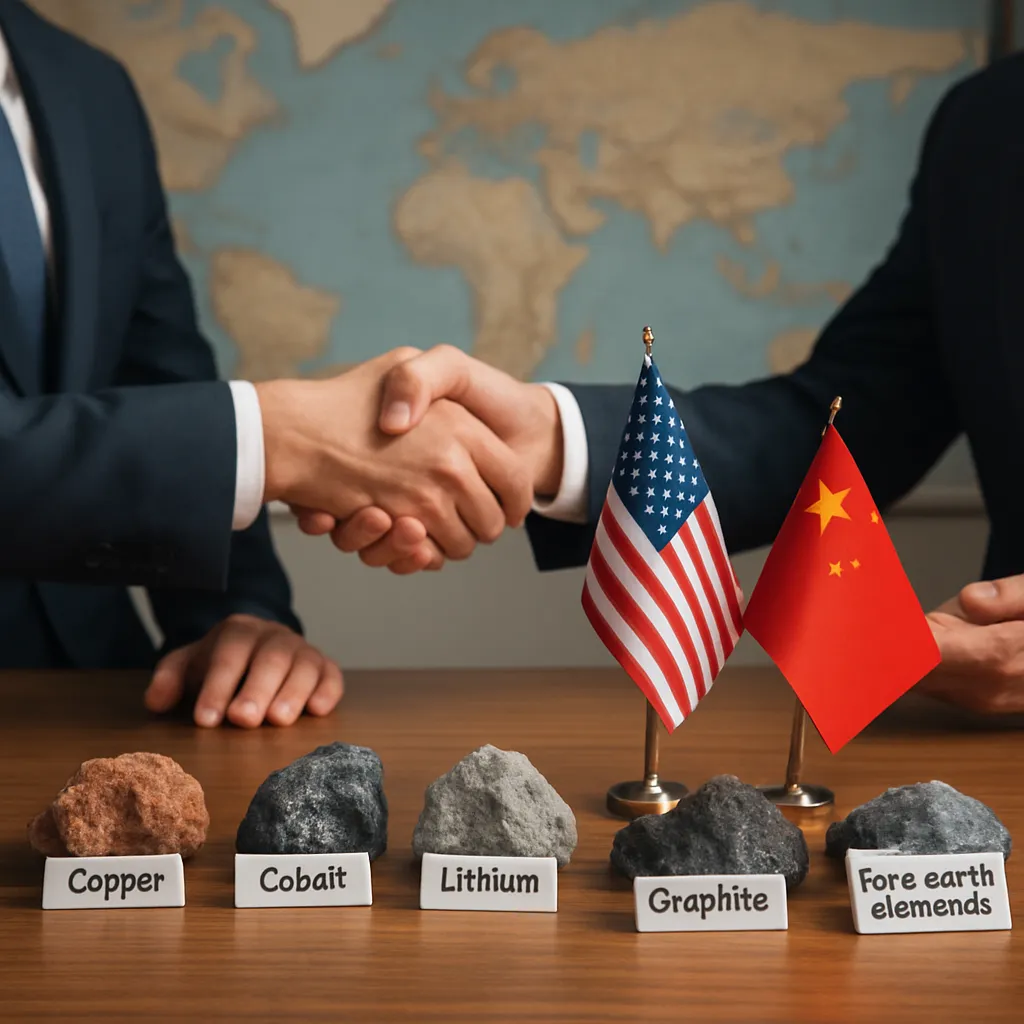
- Export restrictions have spurred new alliances. Countries are forming resource partnerships to secure raw materials.
- Sanctions on mining companies can shift production to regions with laxer environmental standards.
- Trade negotiations increasingly include provisions on critical minerals, turning them into bargaining chips.
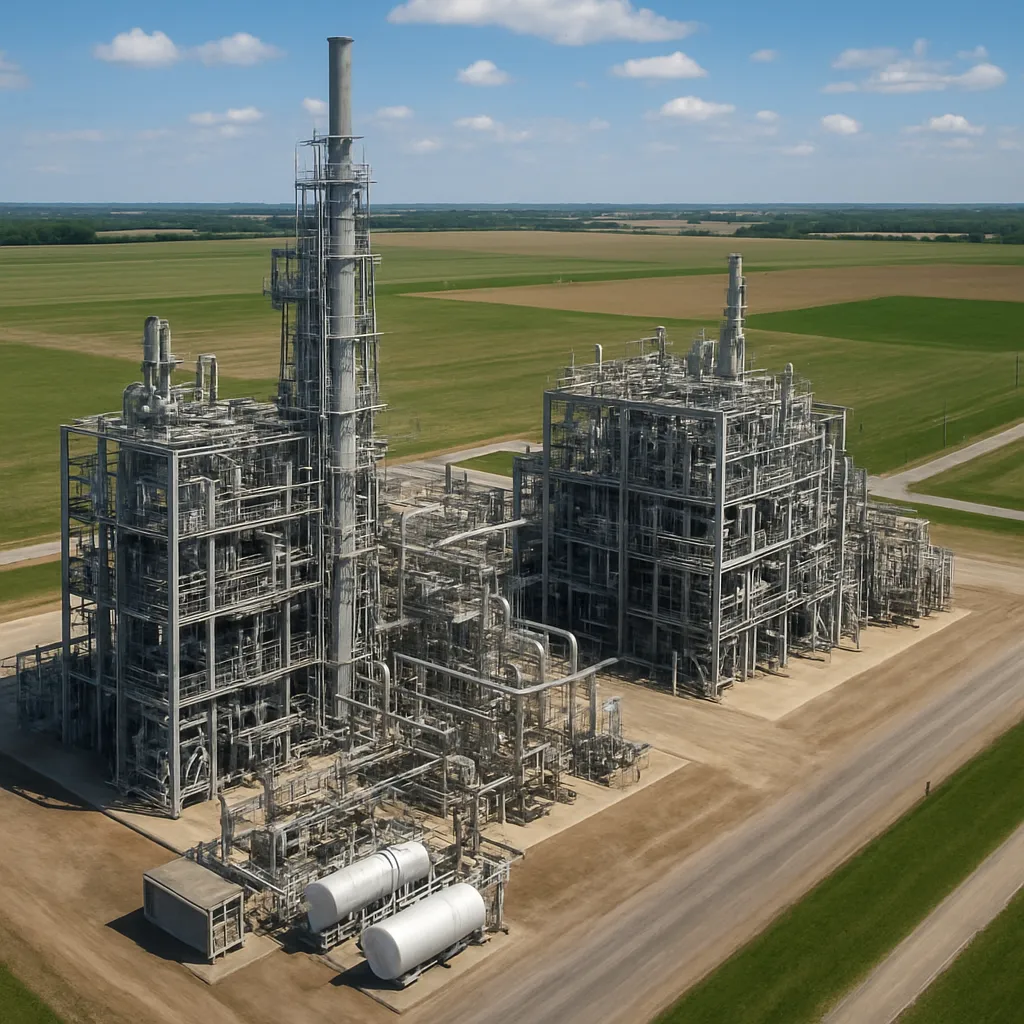
The importance of supply chain resilience has prompted governments to incentivize domestic refining and recycling initiatives. In the United States, the Inflation Reduction Act offers tax credits and grants for processing facilities, while the European Union is implementing its Critical Raw Materials Act to reduce dependence on third-party suppliers.
Technological Innovations and Sustainability
Advances in materials science are creating opportunities to alleviate supply pressures. Substitutes for scarce metals, improved extraction techniques, and enhanced recycling processes promise to reshape the resource landscape.
Alternative Materials and Recycling
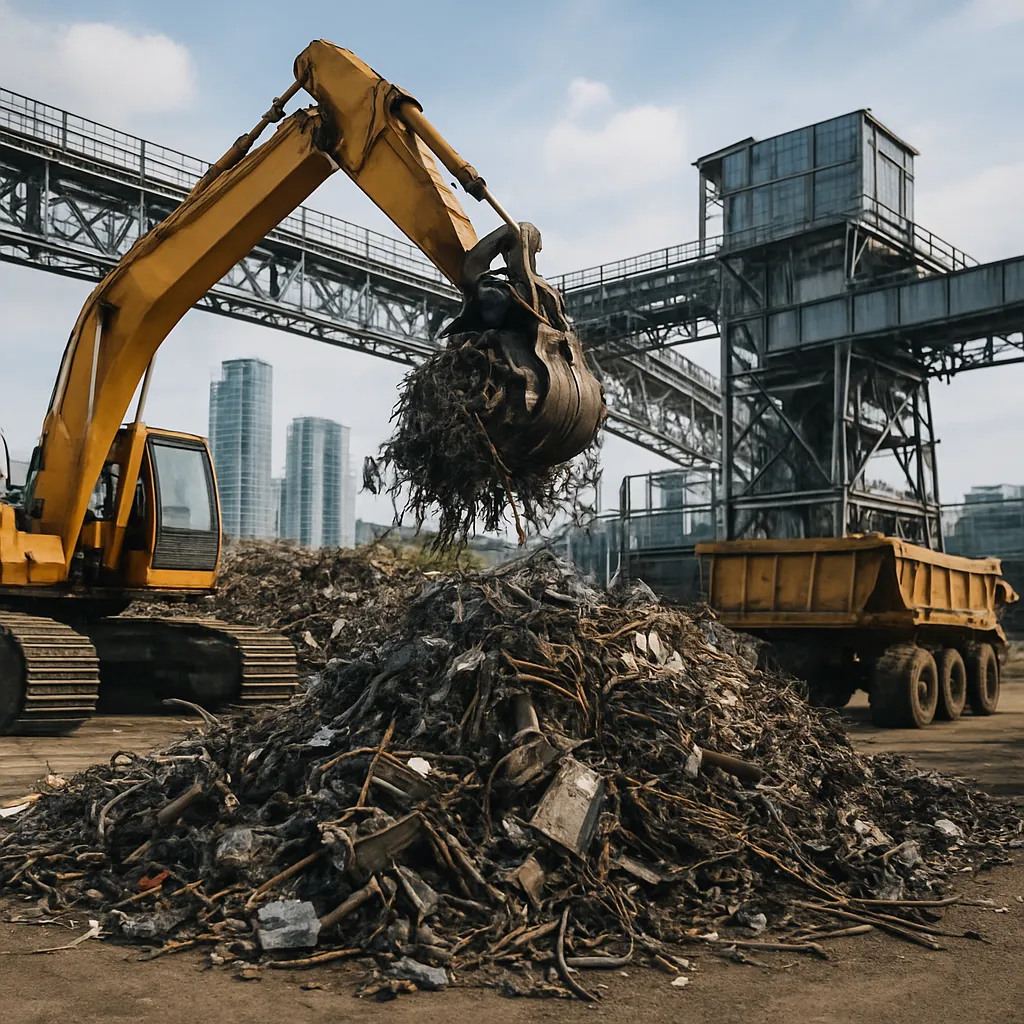
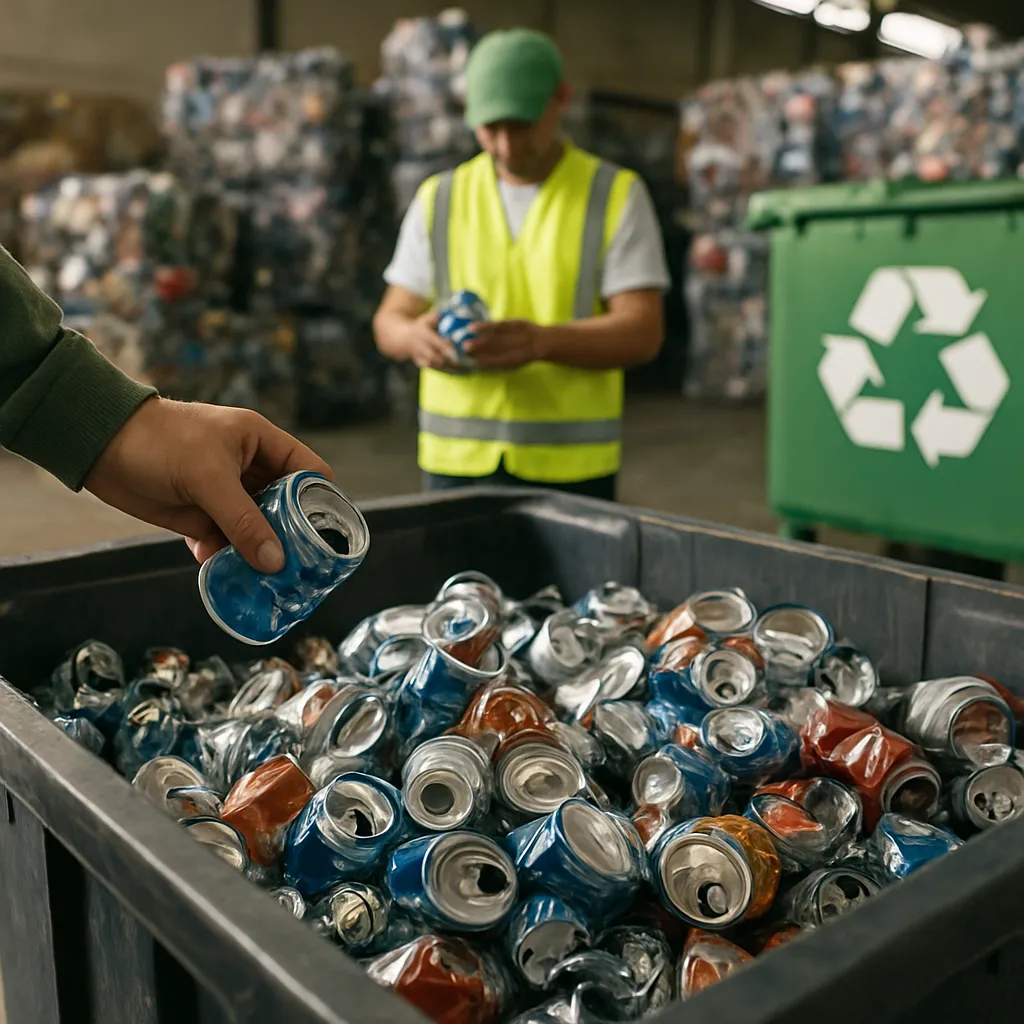
Researchers are exploring iron-nitride magnets to reduce reliance on neodymium and dysprosium without compromising performance in electric motors. Meanwhile, closed-loop recycling systems aim to recover up to 90% of rare metals from electronic waste. These methods accelerate the shift toward a circular economy, lessening environmental impact and diminishing the need for new mining operations.
- Hydrometallurgy processes use aqueous solvents to extract valuable elements with minimal land disruption.
- Biomining employs microbes to leach metals from ores, offering an eco-friendly alternative to traditional practices.
- Modular recycling facilities near urban centers reduce transportation costs and emissions.
However, challenges remain. Contaminants in spent batteries can impede recovery efficiency, and economic incentives must align to make recycling competitive against primary extraction. To overcome these hurdles, governments and industry leaders are forging joint ventures to scale pilot projects and establish standardized protocols.
Environmental and Social Considerations
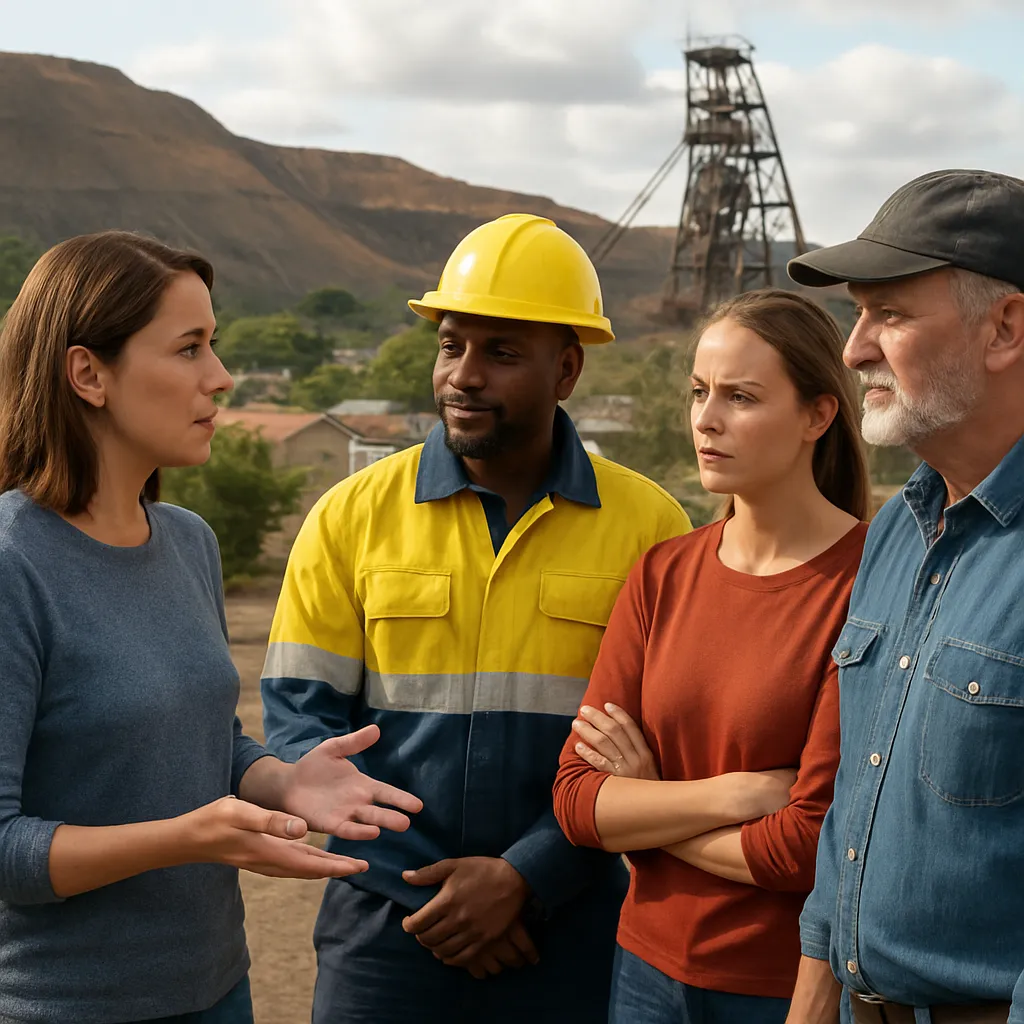
Mining operations often occur in ecologically sensitive regions where indigenous communities face displacement and water scarcity. Ensuring ethical procurement of critical materials has become a focal point for stakeholders who demand transparency and accountability.
Responsible Mining Practices
- Certification schemes now track the provenance of minerals from mine to market, guaranteeing that suppliers adhere to environmental and labor standards.
- Impact assessments and local community engagement reduce conflicts and foster long-term partnerships.
- Rehabilitation programs restore ecosystems, aiming for biodiversity offsets that compensate for habitat loss.
Investors are increasingly integrating sustainability criteria into their portfolios, scrutinizing mining projects for ecological risks and human rights considerations. Companies that embrace stringent ESG (Environmental, Social, Governance) policies often gain preferential access to capital and public trust, which can accelerate project development and market acceptance.
Future Outlook for AI Hardware Dominance
The intersection of resource scarcity and technological ambition will define the next era of computing. Emerging trends suggest that the demand for high-density memory chips, advanced semiconductors, and large-scale data center infrastructure will intensify pressure on global supply chains.
Strategies for Resource Security
- Vertical integration: Tech firms may acquire stakes in mining and processing operations to secure upstream supplies.
- Strategic stockpiling: Governments and corporations could maintain reserves of mining outputs to buffer short-term disruptions.
- International frameworks: Collaborative initiatives can standardize trade, reduce barriers, and promote equitable sharing of critical minerals.
Efforts to boost innovation in materials science and manufacturing processes will be crucial. Companies investing in advanced lithography, novel chip architectures, and energy-efficient designs can achieve more with fewer resources. At the same time, the expansion of green energy projects—solar panels, wind turbines, grid storage—will compete for the same slate of minerals, making resource planning an even more complex puzzle.
Ultimately, the race for AI hardware dominance hinges not only on computational prowess but also on the ability to navigate a fragmented and contested resource environment. By coordinating policy, investment, and technology, stakeholders can foster a resilient ecosystem that powers the next generation of intelligent machines without compromising planetary boundaries.