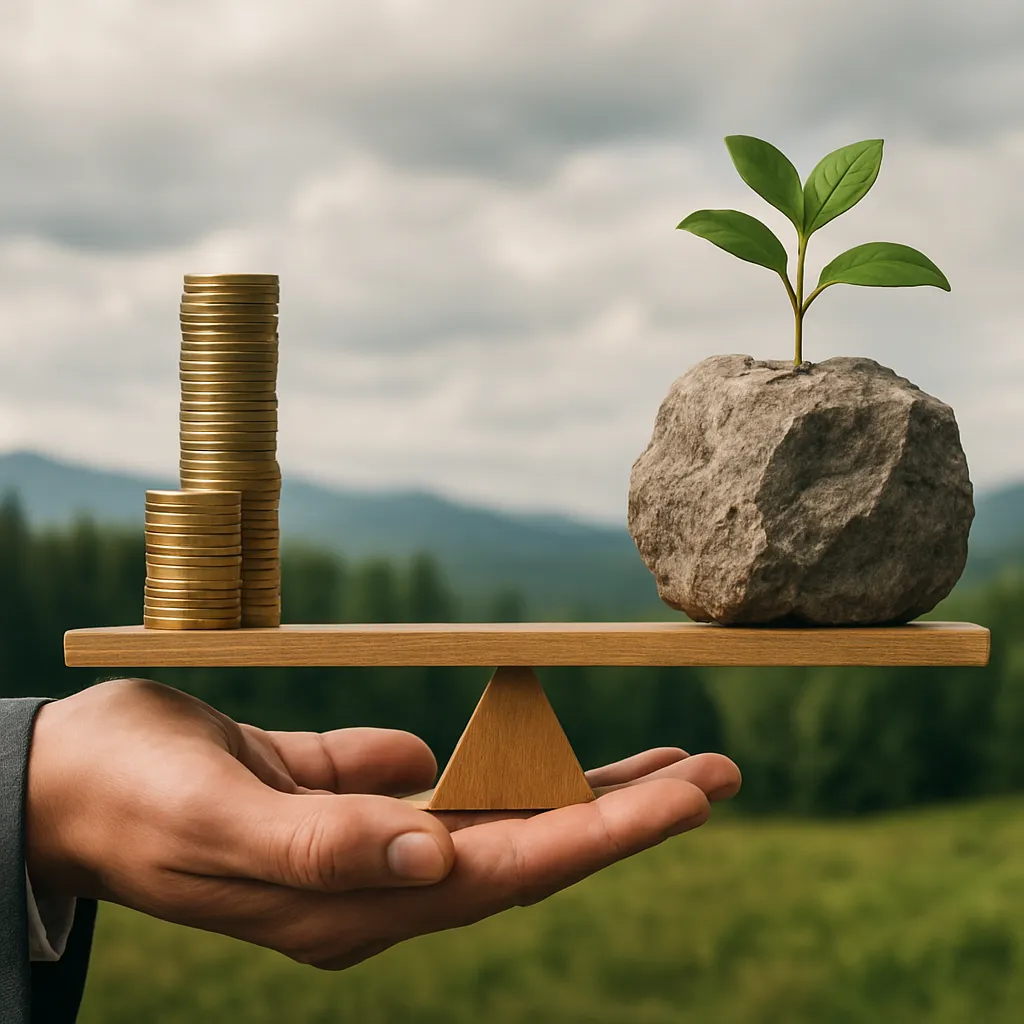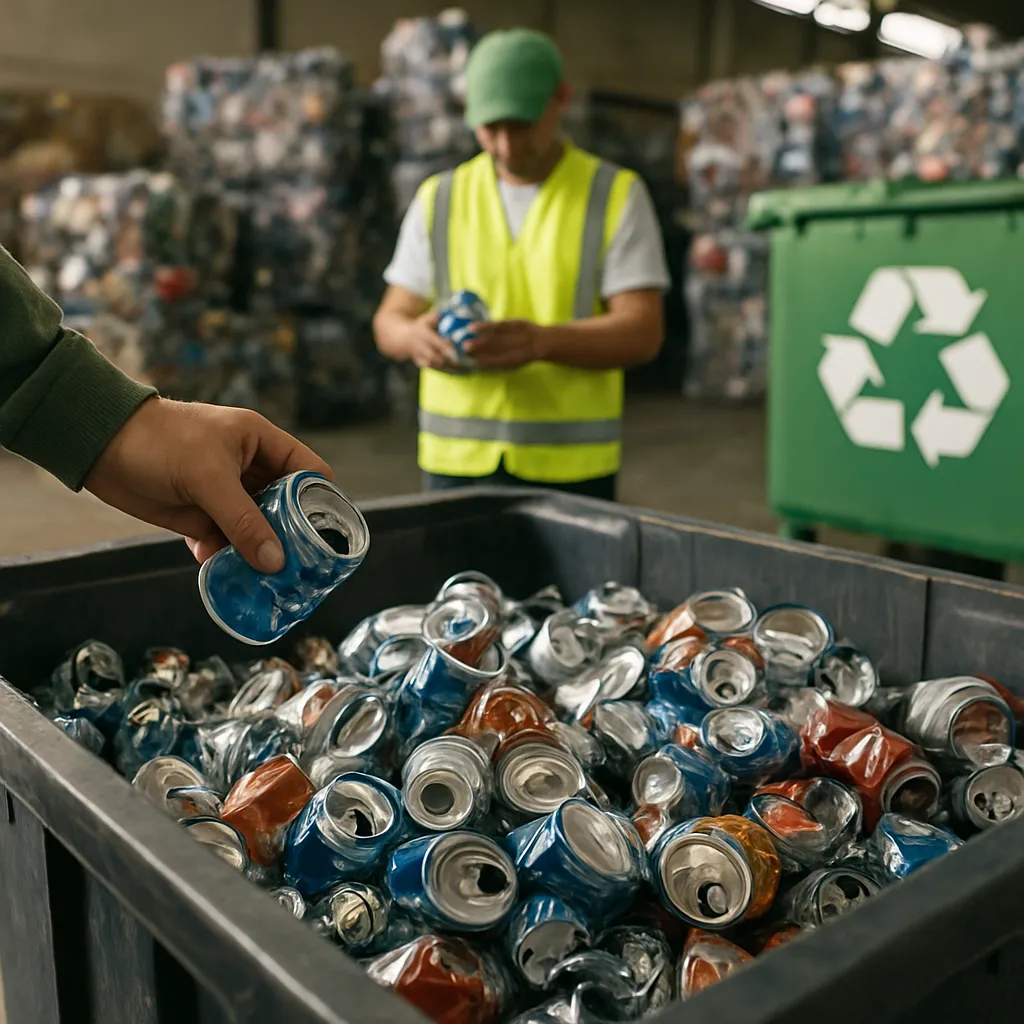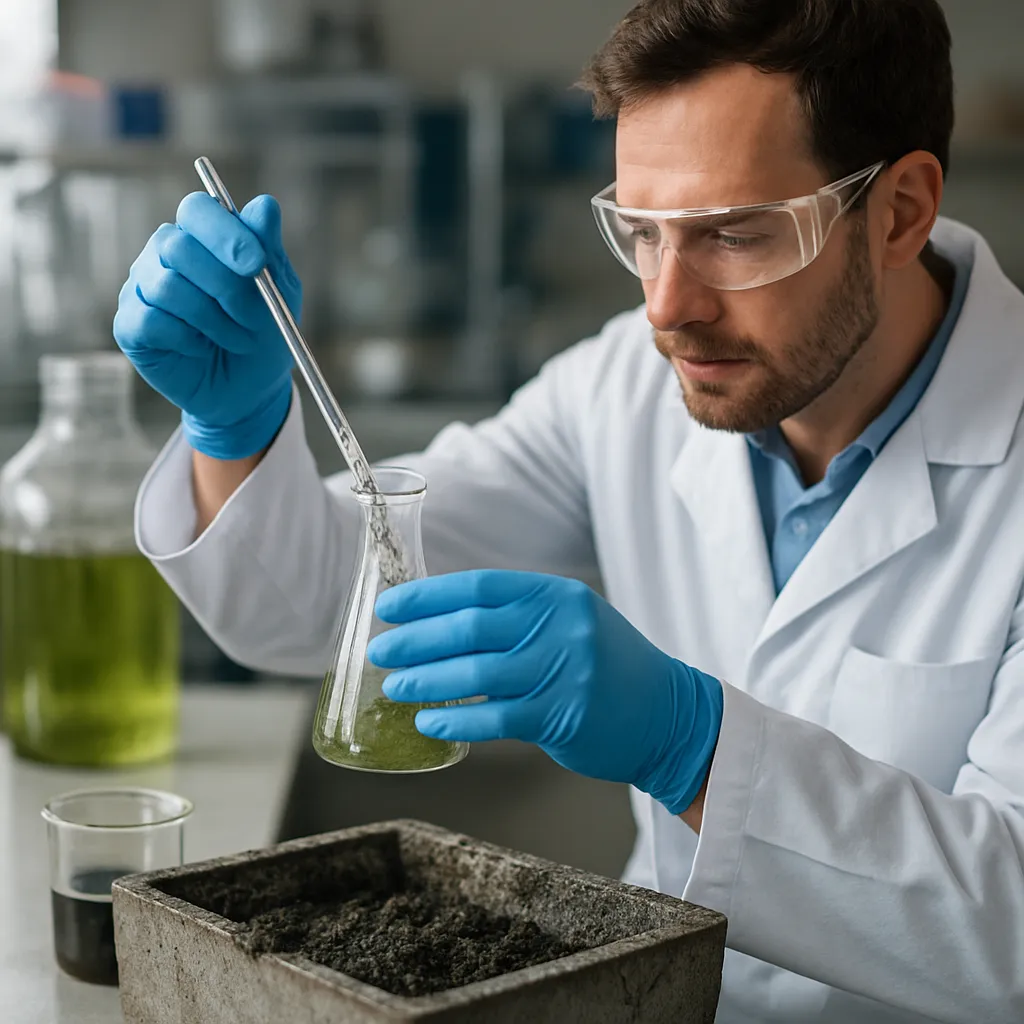
In recent years, the exploration of biotechnological approaches for the recovery of scarce elements has gained significant momentum. This article delves into the transformative role of microbial processes in unlocking the hidden potential of low-grade ores, electronic waste, and industrial residues. By harnessing the power of specialized organisms, industries can achieve more efficient, eco-friendly, and cost-effective pathways for securing critical raw materials.
Background on Rare Metals and Their Significance
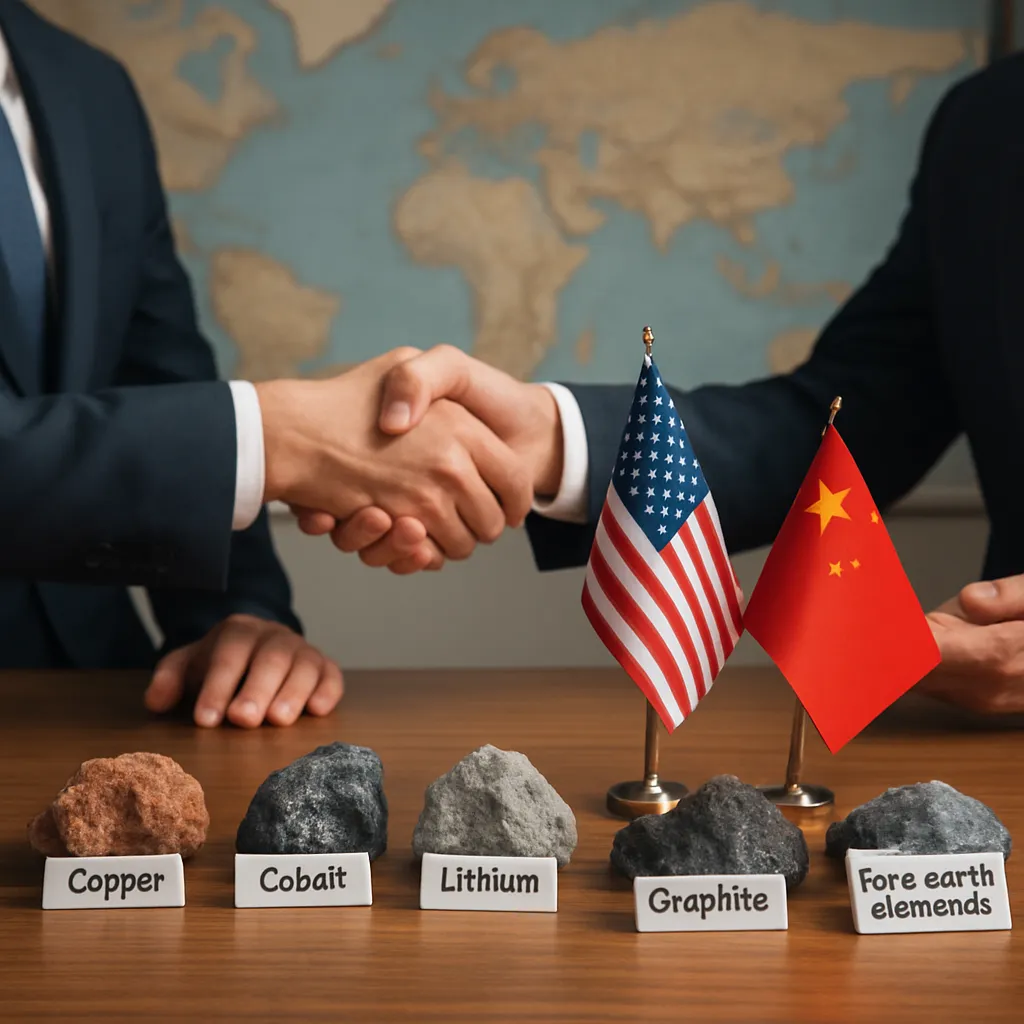
The ever-growing demand for high-performance electronics, renewable energy systems, and advanced industrial applications has placed immense pressure on the supply of rare metals such as cobalt, lithium, nickel, and indium. These elements are classified as critical due to their limited geographic distribution, geopolitical risks, and indispensable role in technology. Conventional extraction techniques, including open-pit mining and pyrometallurgy, often incur high energy consumption, greenhouse gas emissions, and large volumes of tailings.
In light of these challenges, the concept of sustainability has driven researchers and companies to seek alternative strategies. Among these, bioleaching—the use of microorganisms to solubilize metals—stands out as a promising solution. By leveraging naturally occurring biochemical pathways, it is possible to recover target elements from:
- Low-grade mineral deposits
- E-waste streams such as printed circuit boards and batteries
- Mine tailings and metallurgical slags
- Industrial residues and acid mine drainage
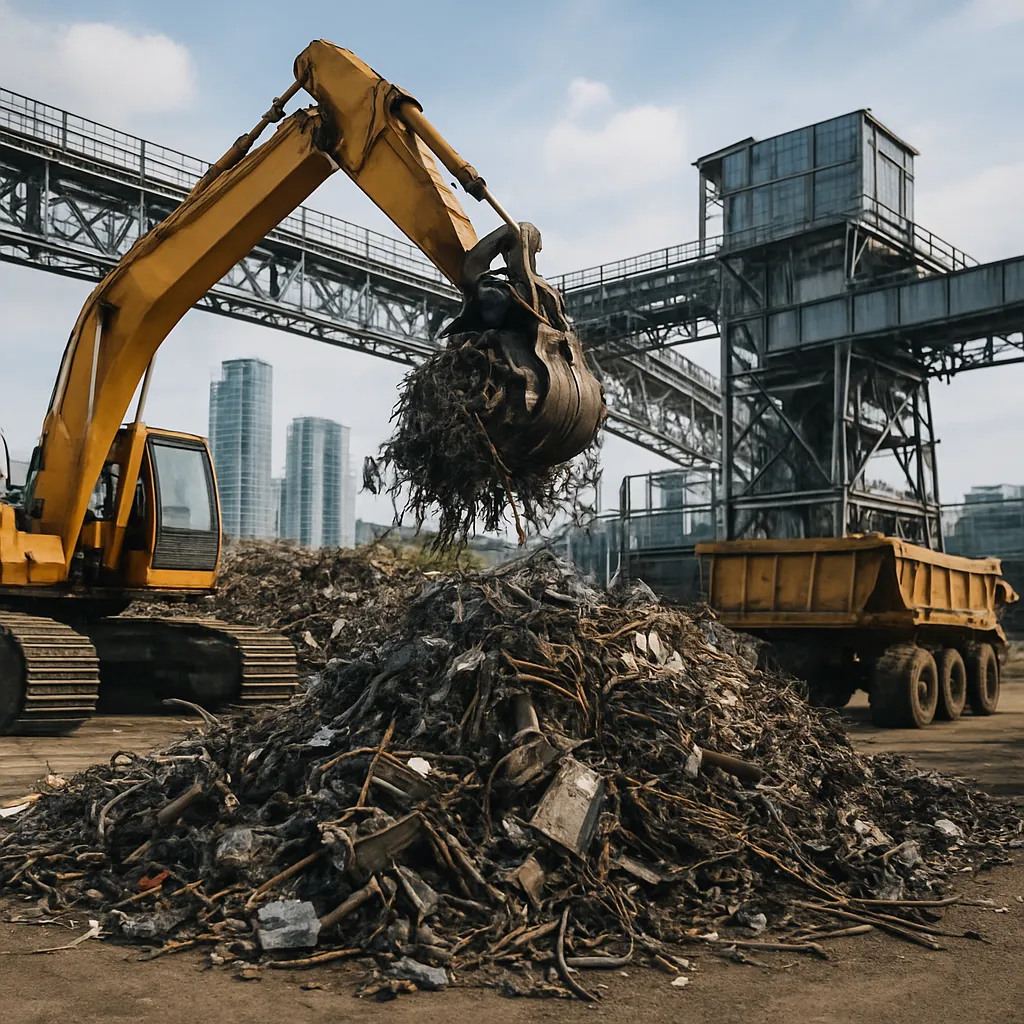
These feedstocks, traditionally considered waste, can be transformed into valuable resources, reducing environmental impact and enhancing resource efficiency.
Mechanisms and Advances in Bioleaching Technologies
Bioleaching relies on a consortium of acidophilic and chemolithotrophic microorganisms that oxidize sulfide minerals, releasing metal ions into solution. Key microbial players include Acidithiobacillus, Leptospirillum, and various archaea. Their metabolic activities drive two main processes:
- Direct extraction: Microbes attach to mineral surfaces and enzymatically oxidize metal sulfides.
- Indirect leaching: Microorganisms produce ferric iron and sulfuric acid, which chemically dissolve target minerals.
Recent Innovations
- Genetic engineering of microbial strains for enhanced acid tolerance and metal resistance.
- Optimization of bioreactor designs, including column leaching and heap leaching, to maximize contact between microbes and ore particles.
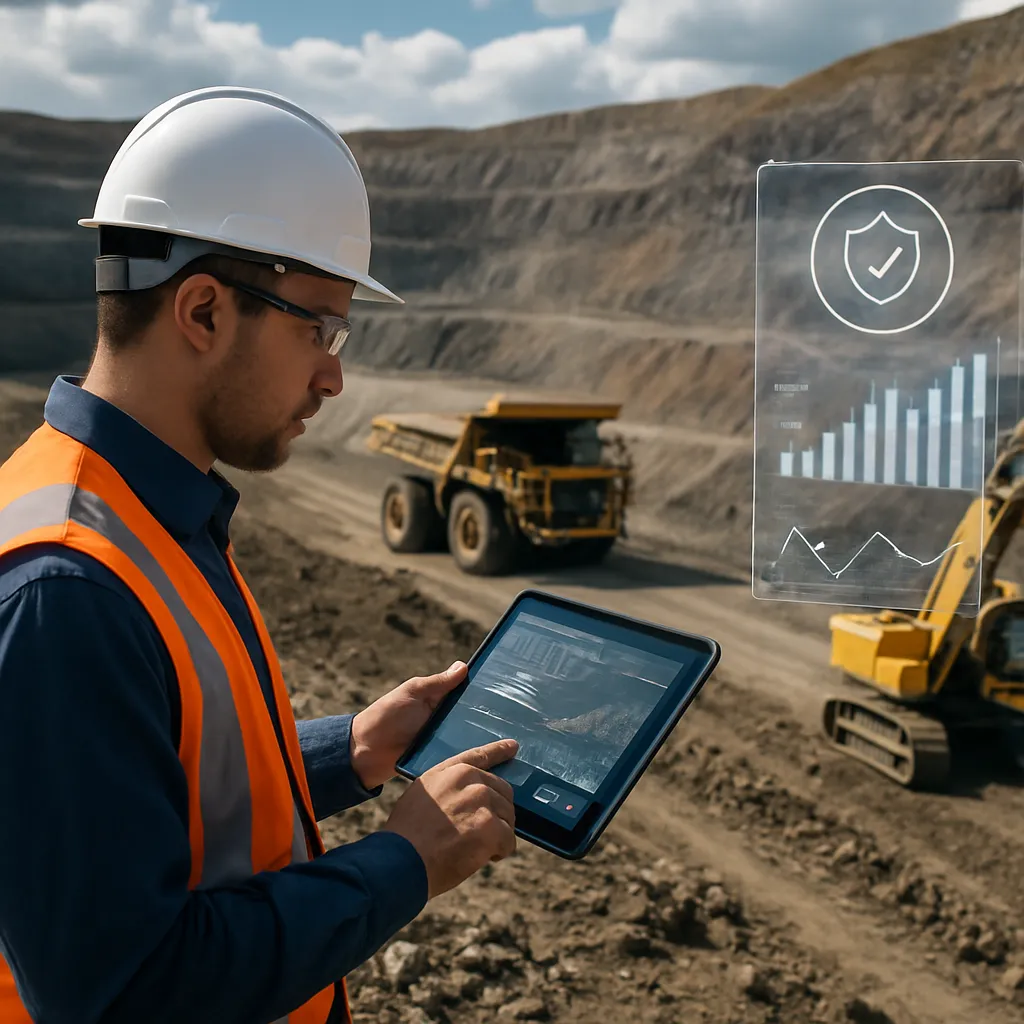
- Integration of real-time monitoring systems using advanced sensors and machine learning algorithms to maintain ideal pH and redox conditions.
- Hybrid processes combining bioleaching with solvent extraction or precipitation to improve recovery rates and metal purity.
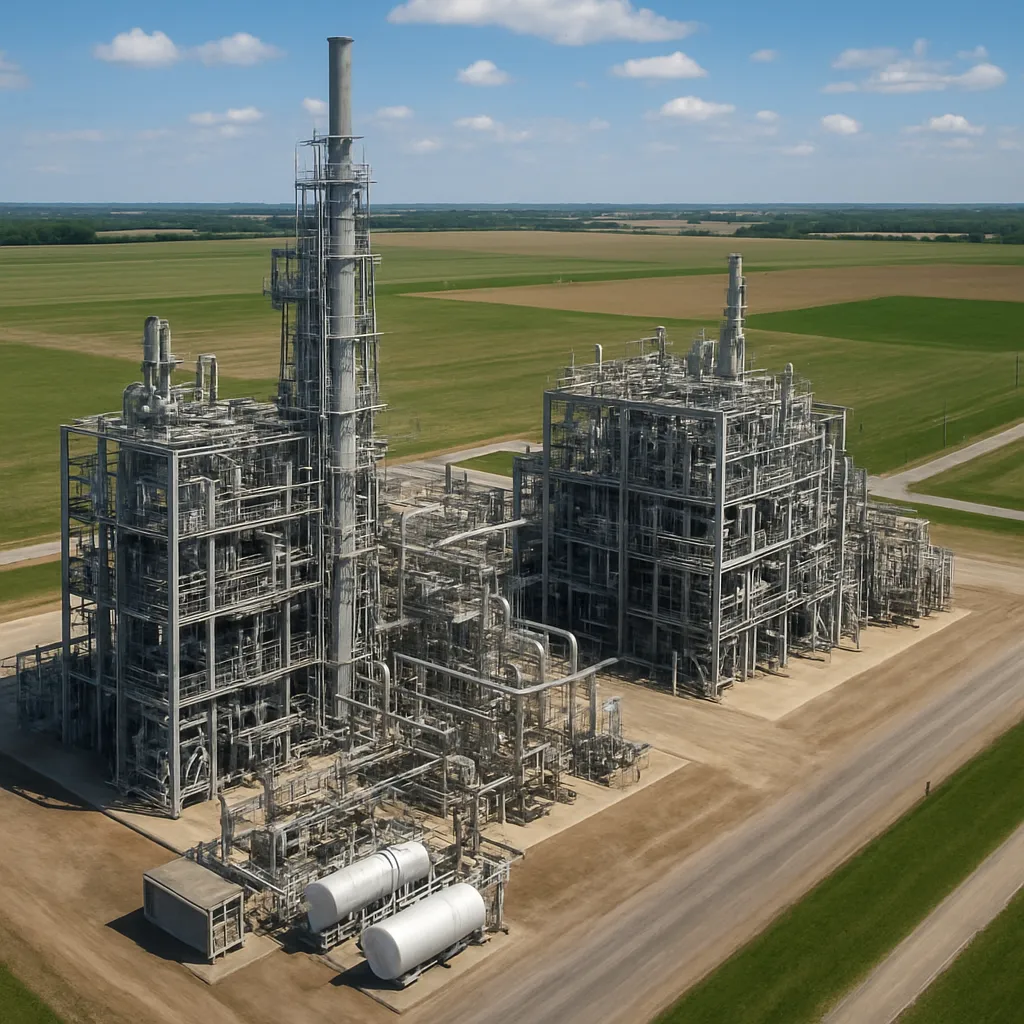
These breakthroughs have elevated bioleaching from laboratory-scale studies to pilot plants and commercial operations, particularly in the extraction of copper, cobalt, and nickel from laterite and sulfide deposits.
Applications in E-Waste and Secondary Sources
The rise of electronic waste has created both an environmental hazard and an opportunity for resource recovery. E-waste contains significant concentrations of gold, silver, palladium, and copper, embedded in complex matrices of plastics, ceramics, and other metals. Traditional recycling methods involve energy-intensive smelting and hazardous chemicals.
Bioleaching offers a milder alternative, capable of selectively solubilizing base metals while leaving precious metals intact for subsequent processing. Typical steps include:
- Mechanical shredding and particle size reduction
- Pre-treatment to remove organic contaminants
- Leaching with microbial consortia in controlled bioreactors
- Recovery of dissolved metals through electrochemical or chemical precipitation
Case studies demonstrate copper recovery rates exceeding 85% and cobalt recovery above 70%, with significantly lower energy inputs and reduced greenhouse gas emissions compared to smelting. Additionally, the use of indigenous microbial strains minimizes the risk of introducing non-native species into the environment.
Environmental and Economic Implications
One of the most appealing aspects of bioleaching is its environmental footprint. By operating at ambient temperatures and pressures, it eliminates the need for high-temperature furnaces and toxic reagents. Moreover, microbial processes can often be conducted in situ, reducing land disturbance associated with large open pits and tailings storage facilities.
- Lower carbon footprint: Bio-based methods can cut CO2 emissions by up to 60% compared to pyrometallurgical routes.
- Reduced water consumption: Closed-loop systems and wastewater recycling limit freshwater withdrawals.
- Minimized waste generation: Many byproducts of bioleaching are biodegradable or can be neutralized with minimal chemical inputs.
Economically, the scalability of bioleaching is evident in several successful ventures:
- A large-scale nickel operation in Indonesia that transitioned to heap bioleaching, achieving competitive production costs.
- An e-waste recycling plant in Europe employing continuous stirred-tank reactors for base metal recovery.
- A pilot project for rare earth element extraction from phosphogypsum waste in North America.
These examples showcase how microorganisms can turn liabilities into assets, promoting circular economy principles and reducing dependence on virgin mineral resources.
Future Perspectives and Challenges
Despite its promise, bioleaching faces technical and regulatory hurdles. Process kinetics remain slower than conventional methods, posing challenges for high-throughput operations. Additionally, ensuring consistent microbial performance across varying feedstock compositions demands robust strain selection and process control.
Emerging research focuses on:
- Metabolic engineering to create hyperactive bioleachers with broad substrate ranges
- Co-culture systems that synergize different microbial metabolisms
- Advanced omics approaches to unravel microbial community dynamics
- Life cycle assessment (LCA) studies to quantify overall sustainability benefits
Governments and industry associations are also developing frameworks to certify bioleaching operations, guaranteeing environmental compliance and social acceptance. As global demand for critical metals escalates, the strategic integration of biotechnologies into mineral supply chains will be paramount.
Bridging Science, Industry, and Policy
Realizing the full potential of bioleaching requires multidisciplinary collaboration. Academic institutions must work alongside mineral producers to pilot large-scale installations, while policymakers create incentives for low-impact extraction methods. Key actions include:
- Funding demonstration projects and public–private partnerships
- Standardizing best practices for microbial handling and waste management
- Educating stakeholders on the benefits of biotechnological recovery routes
- Facilitating technology transfer to developing regions rich in low-grade deposits
By fostering an ecosystem that aligns innovation with regulation, the mining sector can transition toward more resilient, sustainable models for rare metal supply.
Conclusion and Outlook
The journey from laboratory bench to industrial-scale bioleaching marks a pivotal shift in resource recovery paradigms. With ongoing advances in genetic tools, process engineering, and digital monitoring, microbial extraction methods are poised to redefine how society sources vital elements. Embracing these technologies not only addresses supply risks but also champions environmental stewardship and circular economy goals. The synergy between nature’s microscopic workforce and human ingenuity offers a blueprint for meeting tomorrow’s material needs responsibly and efficiently.