The accelerating demand for next-generation technologies has thrust the search for critical minerals into the spotlight. From electric vehicle batteries and renewable energy storage to advanced electronics, these resources underpin the transition to a low-carbon economy. The emergence of specialized innovation clusters is reshaping how stakeholders collaborate, discover deposits, and commercialize extraction processes. By leveraging localized expertise, shared infrastructure, and targeted financing, these ecosystems are driving breakthroughs in exploration, processing, and sustainable supply chain development.
The Rise of Innovation Clusters in Critical Mineral Ecosystems
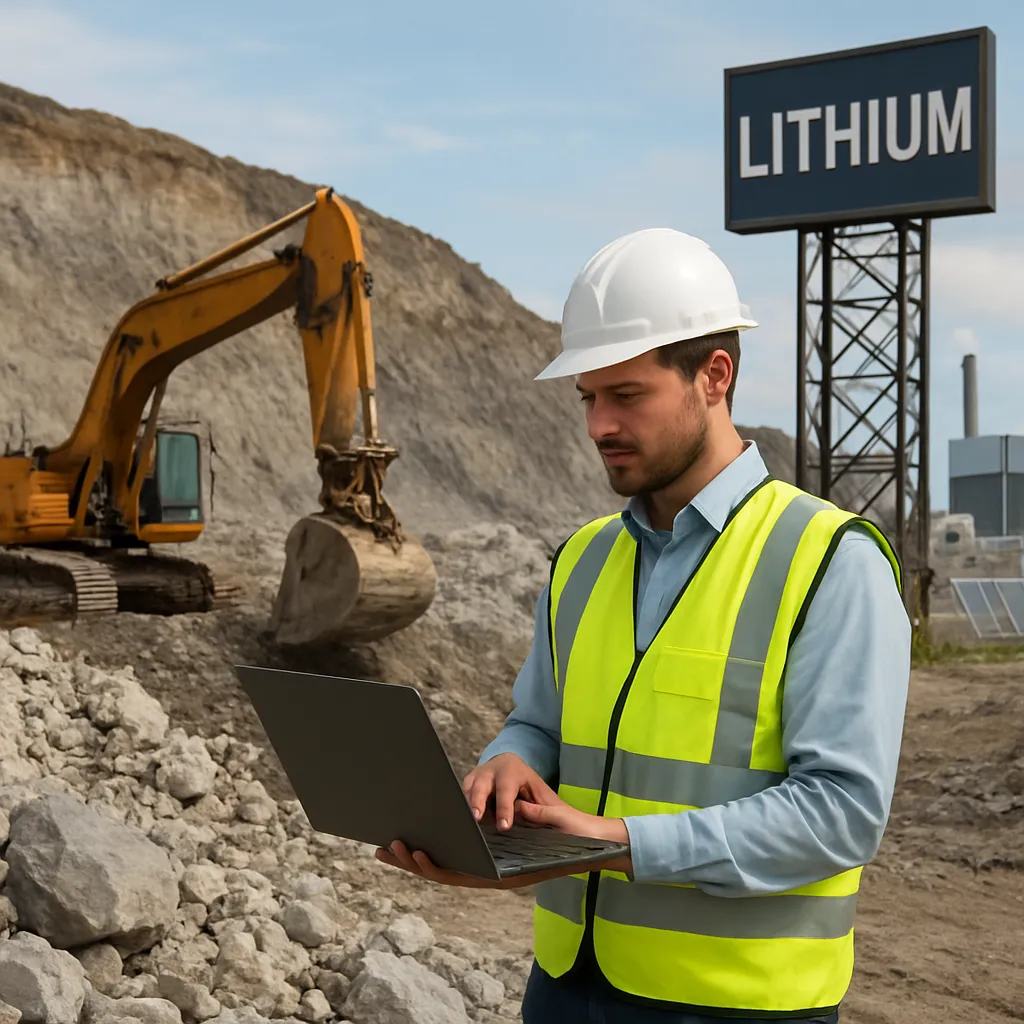
Across continents, regional hubs are forming around abundant deposits of rare metals such as lithium, cobalt, nickel, and graphite. These innovation clusters bring together mining firms, research institutions, start-ups, and government agencies in a concerted effort to:
- Pool resources for advanced geological surveys and pilot drilling programs.
- Share access to specialized laboratories equipped with cutting-edge technology.
- Facilitate rapid prototyping of new extraction and refining methods.
- Strengthen local supply chains by integrating downstream processing facilities.
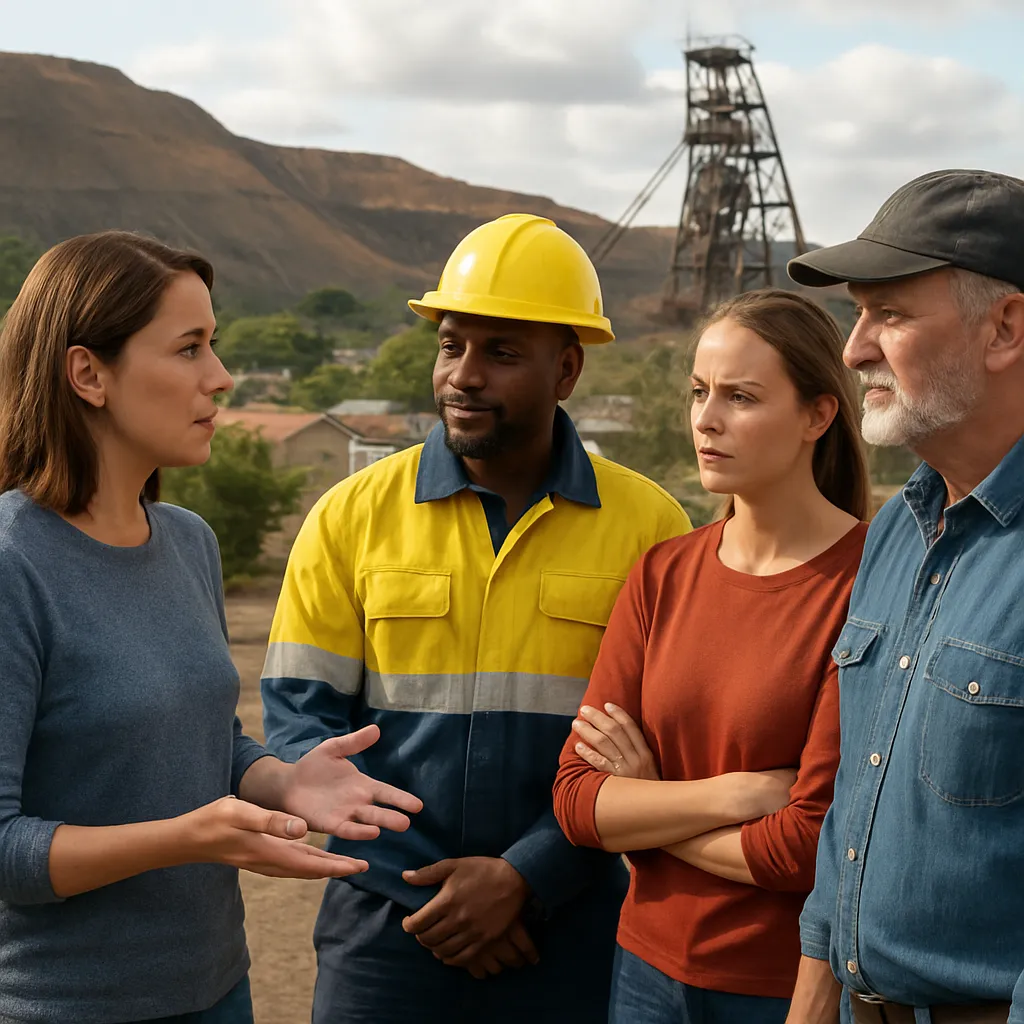
By co-locating stakeholders, clusters reduce the time lag from initial discovery to commercial production. This model has been particularly effective in regions with established mining traditions, where regulatory frameworks and community engagement protocols are already in place.
Strategic Collaborations Driving Rare Metal Exploration
Collaboration at the heart of these clusters fosters innovation and de-risks high-capital projects. Key elements include:
- Public-Private Partnerships: Governments provide fiscal incentives, expedited permitting, and infrastructure support, while private firms contribute technical expertise and capital.
- Academic Alliances: Universities and research centers spearhead mineral characterization studies, metallurgical testing, and environmental impact assessments.
- Industry Consortia: Coalitions of mining companies and equipment manufacturers co-fund pilot plants and joint R&D efforts to refine processing techniques.
One notable example is the collaboration between a European research university and a consortium of battery manufacturers, which has led to novel leaching processes that increase metal recovery rates by over 15%. By aligning objectives around cost reduction, sustainability, and circular economy principles, these partnerships accelerate the commercialization pipeline.
Technological Breakthroughs and Sustainable Practices
In the race to secure a reliable supply of critical minerals, clusters drive the deployment of digital and green technologies. Innovations include:
- Autonomous drilling rigs equipped with AI-driven rock characterization systems.
- Real-time monitoring networks that optimize energy consumption and water use in processing plants.
- Biometallurgical techniques using micro-organisms to extract metals with reduced chemical inputs.
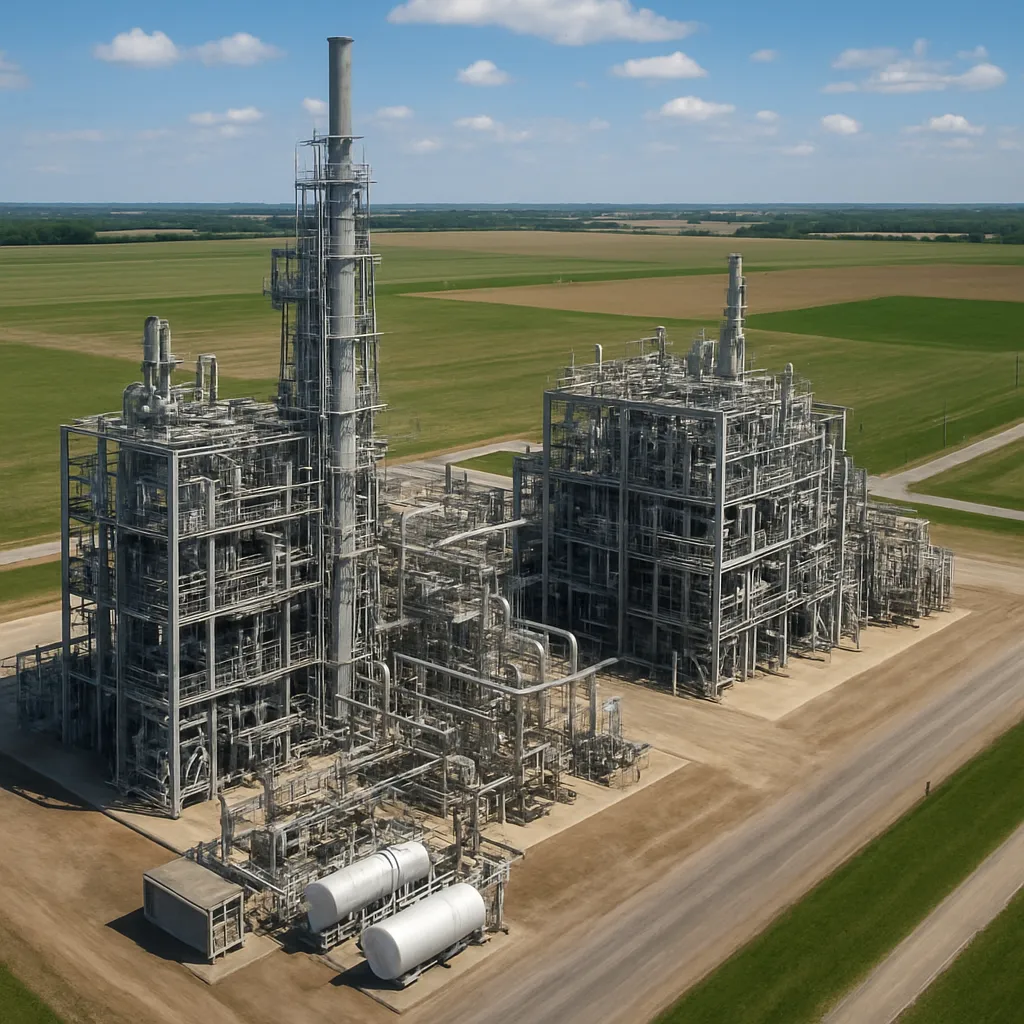
- Modular, relocatable refining units that minimize environmental footprints.
Through demonstration sites within cluster boundaries, stakeholders test and validate these methods under realistic operating conditions. This accelerates the feedback loop, enabling rapid iteration and scaling. The result is higher extraction efficiency, lower carbon emissions, and improved resilience against price volatility and geopolitical risks.
Data-Driven Resource Intelligence
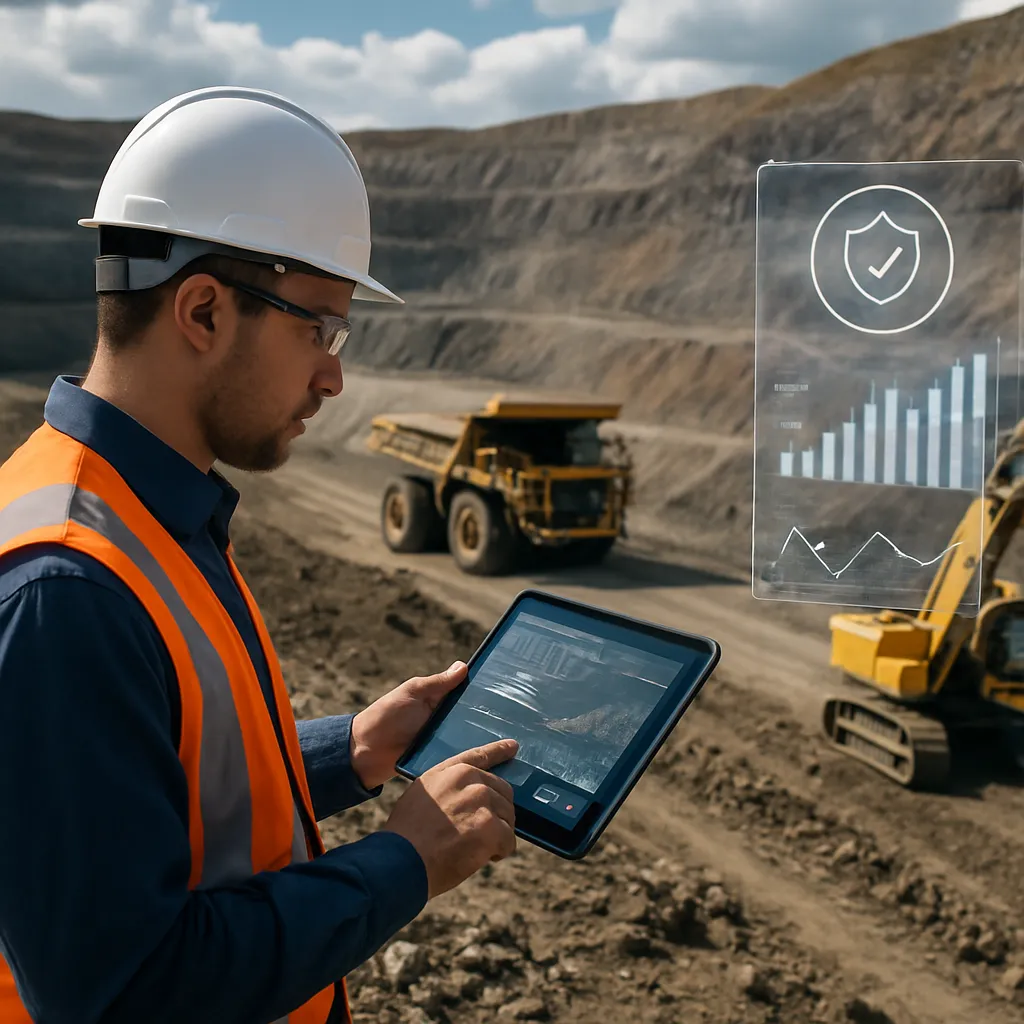
Another dimension of cluster success lies in the integration of geospatial analytics, machine learning, and remote sensing. By harnessing vast datasets, explorers can:
- Predict high-potential targets with unprecedented accuracy.
- Prioritize drilling programs based on probabilistic modeling of ore grades.
- Optimize land use and minimize disruption to sensitive ecosystems.
This data-driven approach fosters smarter capital allocation, curbing wasted expenditures on low-probability prospects. It also supports transparent reporting, enhancing stakeholder confidence and attracting further investment.
Policy Incentives and Global Supply Chain Integration
Robust policy frameworks are essential to ensure that innovation clusters deliver sustainable economic benefits and social value. Effective measures include:
- Tax credits for R&D expenditures on advanced mining and refining technologies.
- Streamlined permitting processes with clear environmental safeguards.
- Grants and low-interest loans for community-based infrastructure projects.
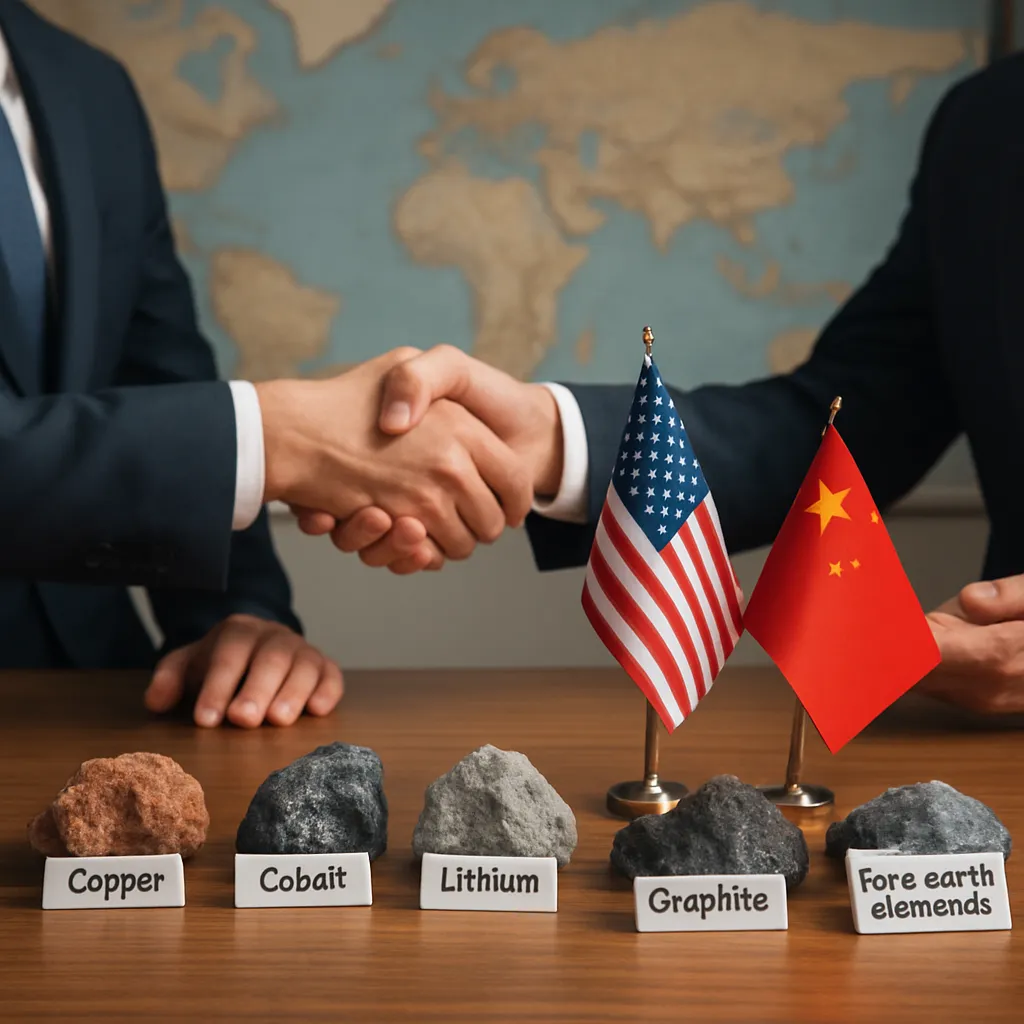
- Trade agreements that facilitate cross-border movement of ores, concentrates, and equipment.
By aligning national mineral strategies with international sustainability standards, governments can attract foreign direct investment and secure lifeline markets for cluster outputs. Integration into global supply chains also demands rigorous due diligence, ensuring that ethical sourcing and human rights considerations are fully addressed.
As the world pivots toward decarbonization, the strategic deployment of clusters for innovation in critical mineral development will prove pivotal. These dynamic ecosystems catalyze synergies among research, industry, and policy, forging a path toward resilient supply networks for the metals that power tomorrow’s technologies.