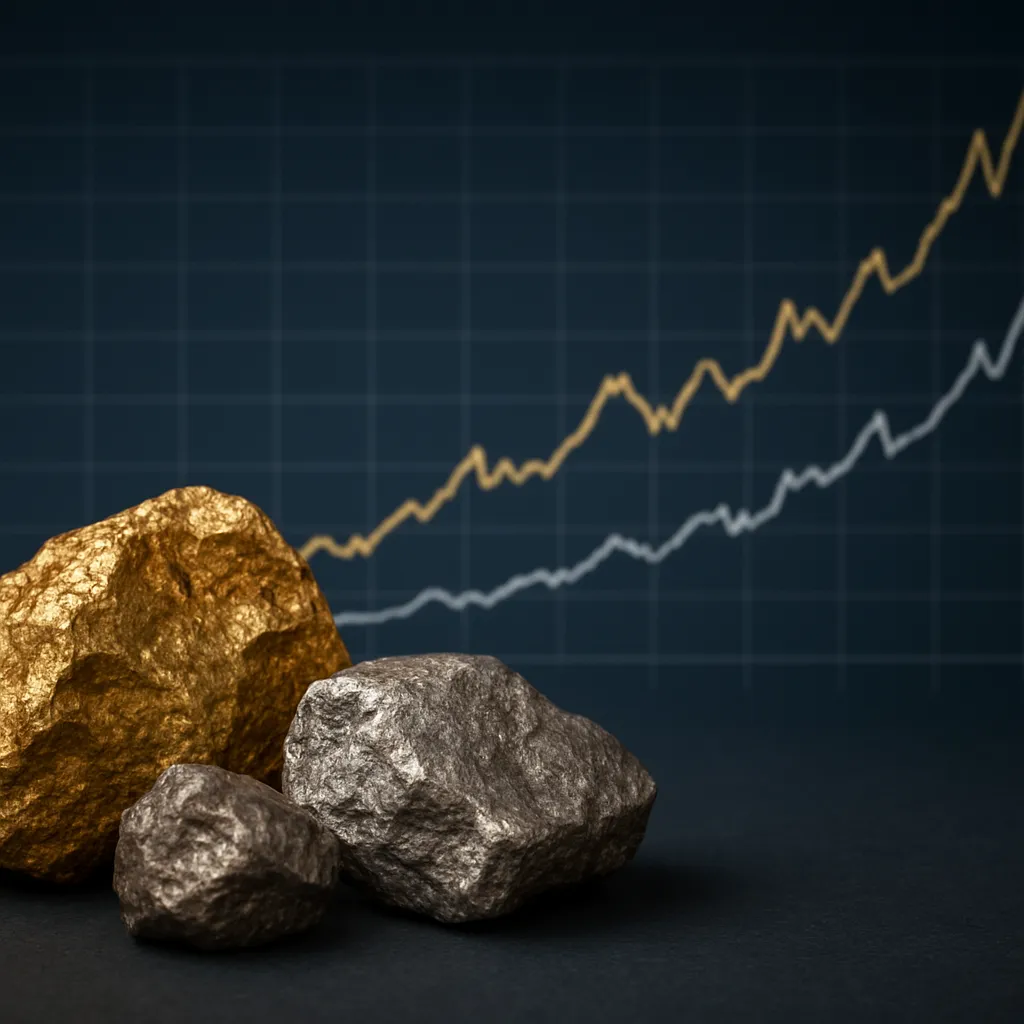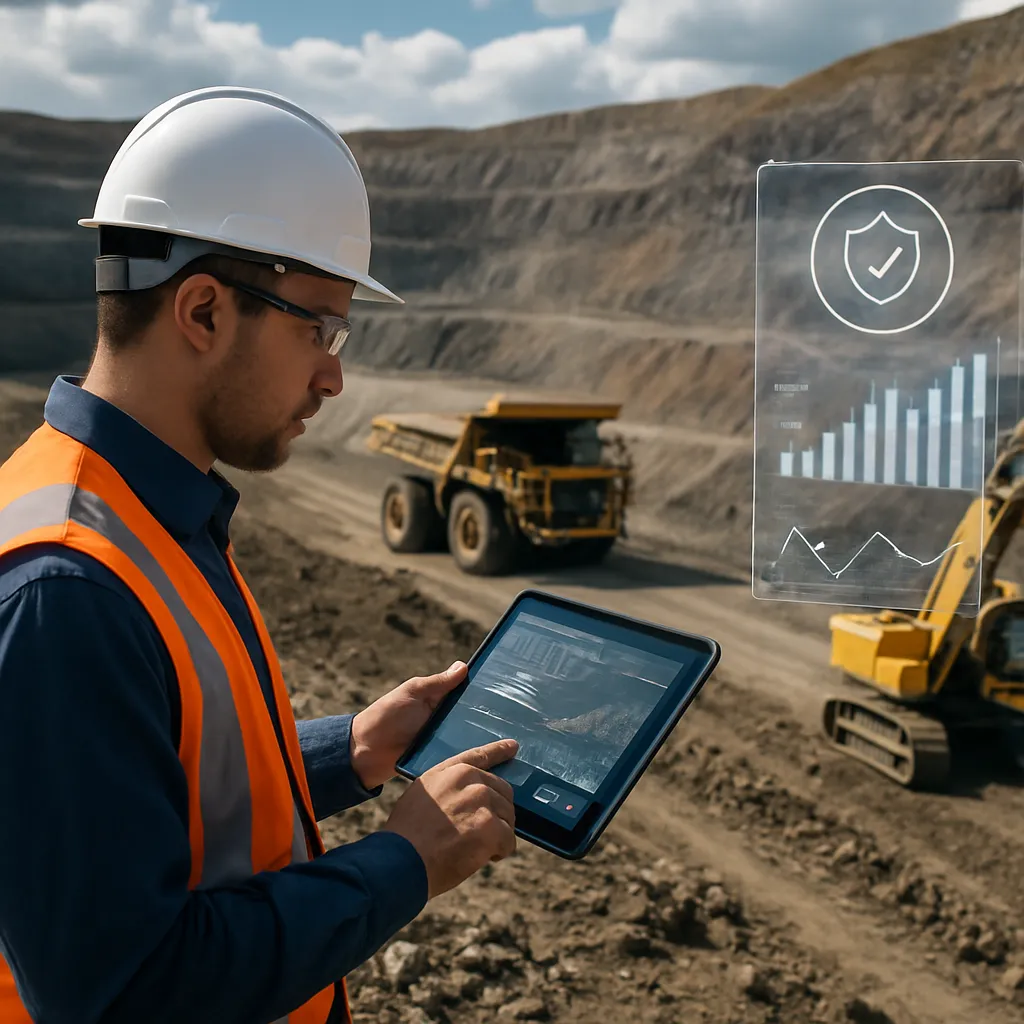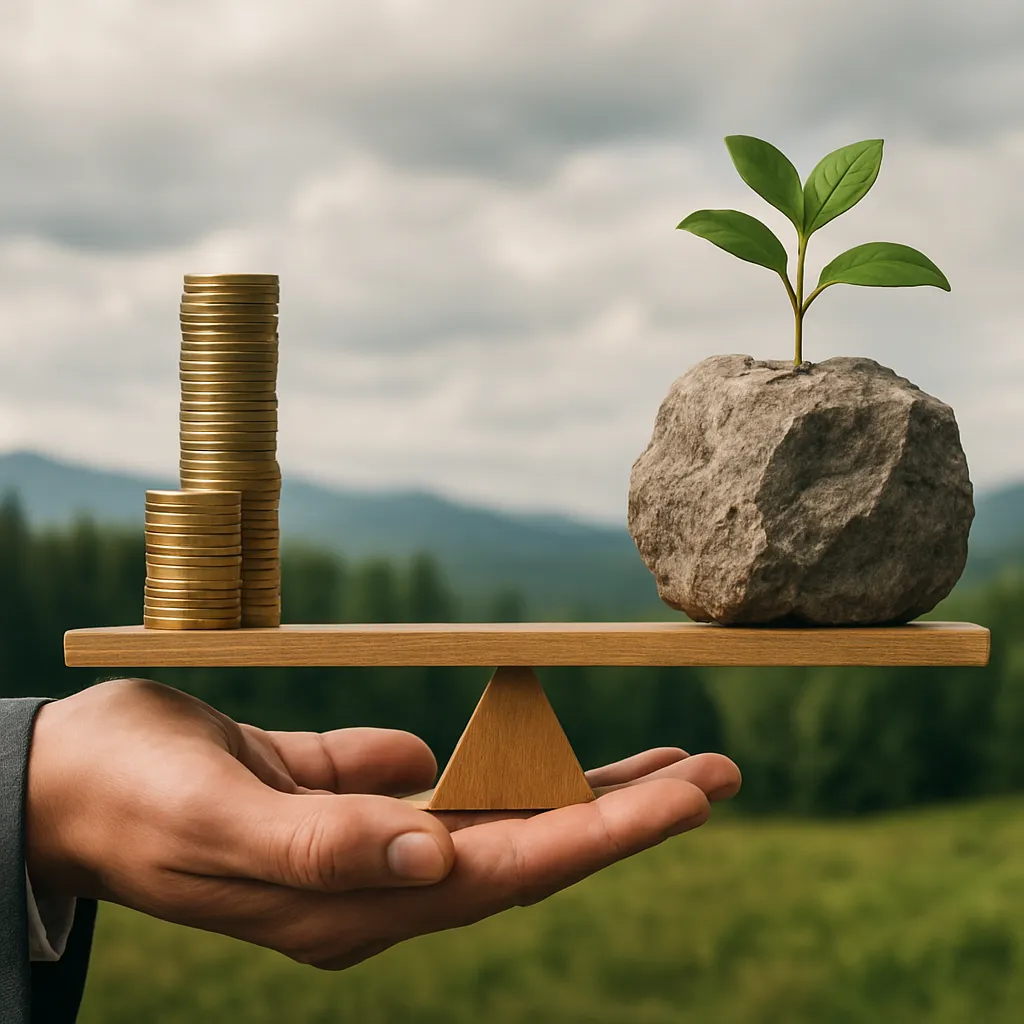
The demand for rare metals is surging as electric vehicles, renewable energy systems and advanced electronics proliferate around the globe. Legacy mining and refining operations struggle to keep pace with requirements for materials like lithium, cobalt and nickel, while environmental pressures and geopolitical risks intensify. In response, pioneering startups are deploying cutting-edge methods to reimagine every stage of supply—from ore extraction to high-purity refining and closed-loop recycling. Holistic approaches combining biotechnology, advanced chemistry, digital traceability and circular design aim to create new models of efficiency, sustainability and resilience.
Innovative Extraction Techniques
Traditional open-pit and underground mining can be labor-intensive, carbon-intensive and ecologically disruptive. Emerging players are introducing disruptive solutions that reduce waste, minimize carbon footprints and unlock access to lower-grade deposits.
Biological Leaching
Certain microorganisms can selectively dissolve target metals from ores in low-temperature processes. By harnessing extremophile bacteria and fungi, startups are developing hydrometallurgy platforms that extract metals through bio-mediated leaching rather than energy-intensive smelting. Key advantages include:
- Lower energy consumption compared to conventional roasting and reduction.
- Selective recovery of elements from polymetallic ores, boosting yield of strategic metals.
- Reduced greenhouse gas emissions and acid runoff.
Researchers are engineering microbial consortia capable of tolerating high metal concentrations and extreme pH. Pilot facilities in South America and Australia have demonstrated up to 90% recovery rates for copper and nickel with negligible air pollution.
Advanced Solvent Extraction and Electrochemistry
In parallel, electrochemical methods combined with novel solvents and ion-exchange membranes are enabling highly selective separation of critical elements. These processes leverage tailored ligands in solvent extraction circuits to differentiate between closely related ions. Innovations include electro-extraction cells that deposit pure metal sheets directly, bypassing furnace smelting. Benefits include:
- Enhanced purity (>99.9%) of final metal products for battery and electronics grade.
- Modular, scalable equipment footprints suitable for remote mine sites.
- Lower water usage and simplified waste streams.
Sustainable Refining Processes
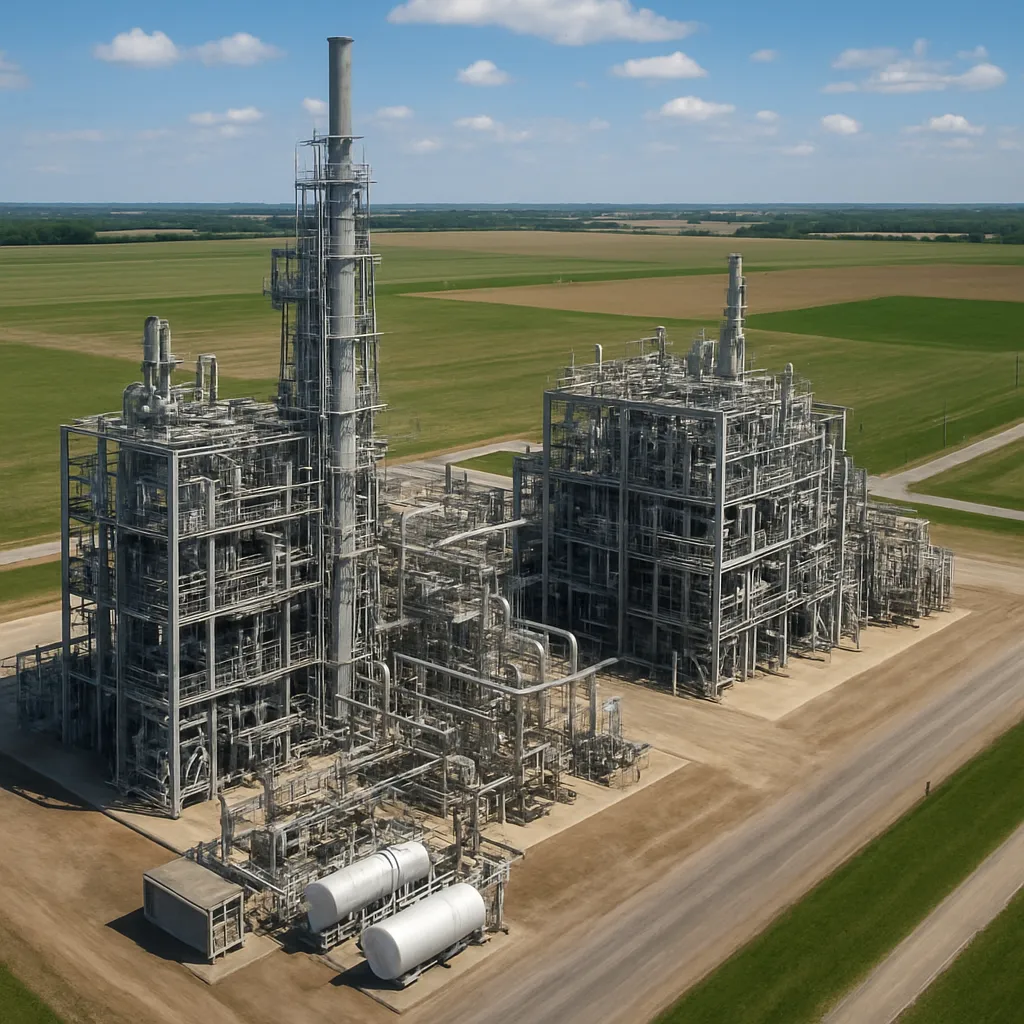
Refining of rare earth elements (REEs) and battery metals traditionally relies on aggressive acids and generates large volumes of hazardous waste. New entrants aim to overhaul these legacy methods by introducing closed-loop and low-impact refining workflows.
Reagent Recycling and Green Acid Design
Next-generation facilities are pioneering processes where acidic and alkaline reagents are continuously recycled, significantly reducing fresh chemical input. Innovative chelating agents derived from biomass can replace nitric and hydrochloric acids in certain separation steps. This approach:
- Minimizes effluent toxicity and neutralization demands.
- Reduces procurement costs for strategic reagents.
- Improves lifecycle profiles of refined products.
Urban Mining and Circular Recovery
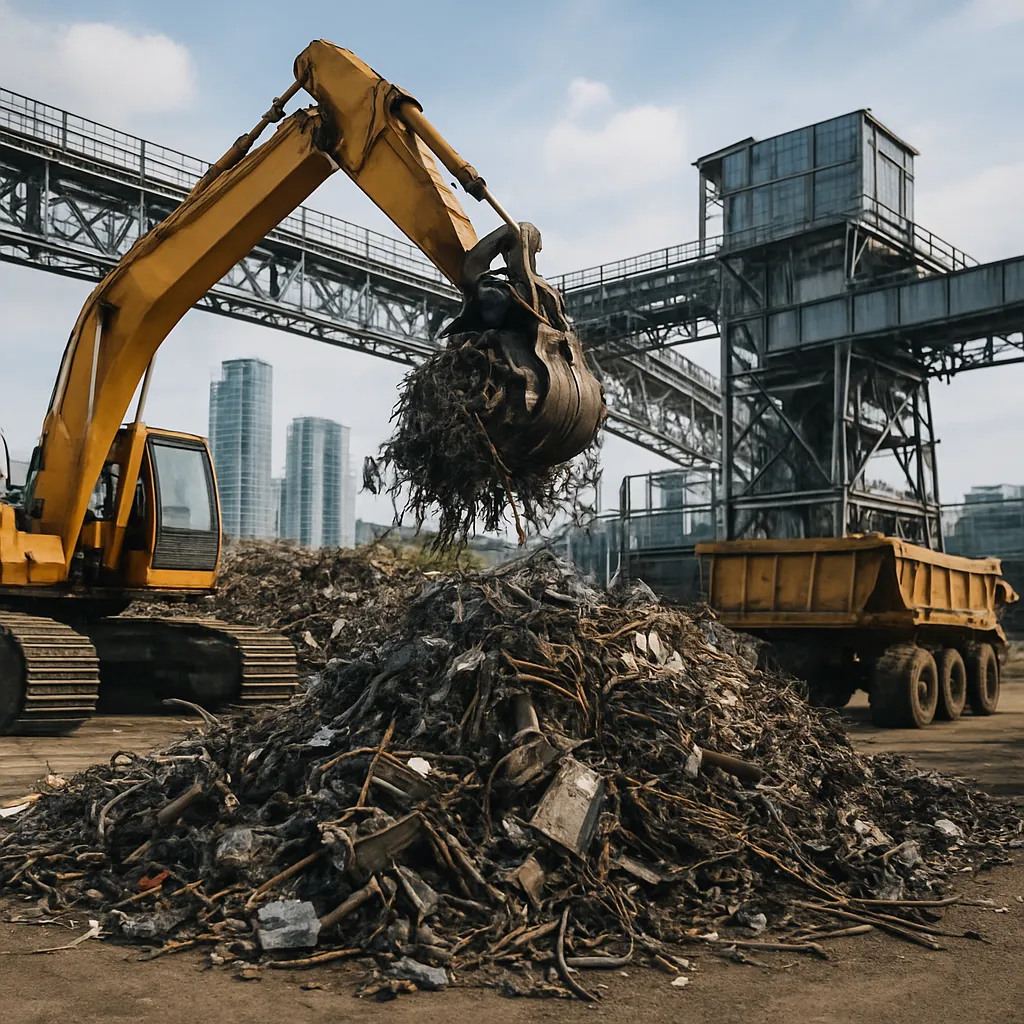
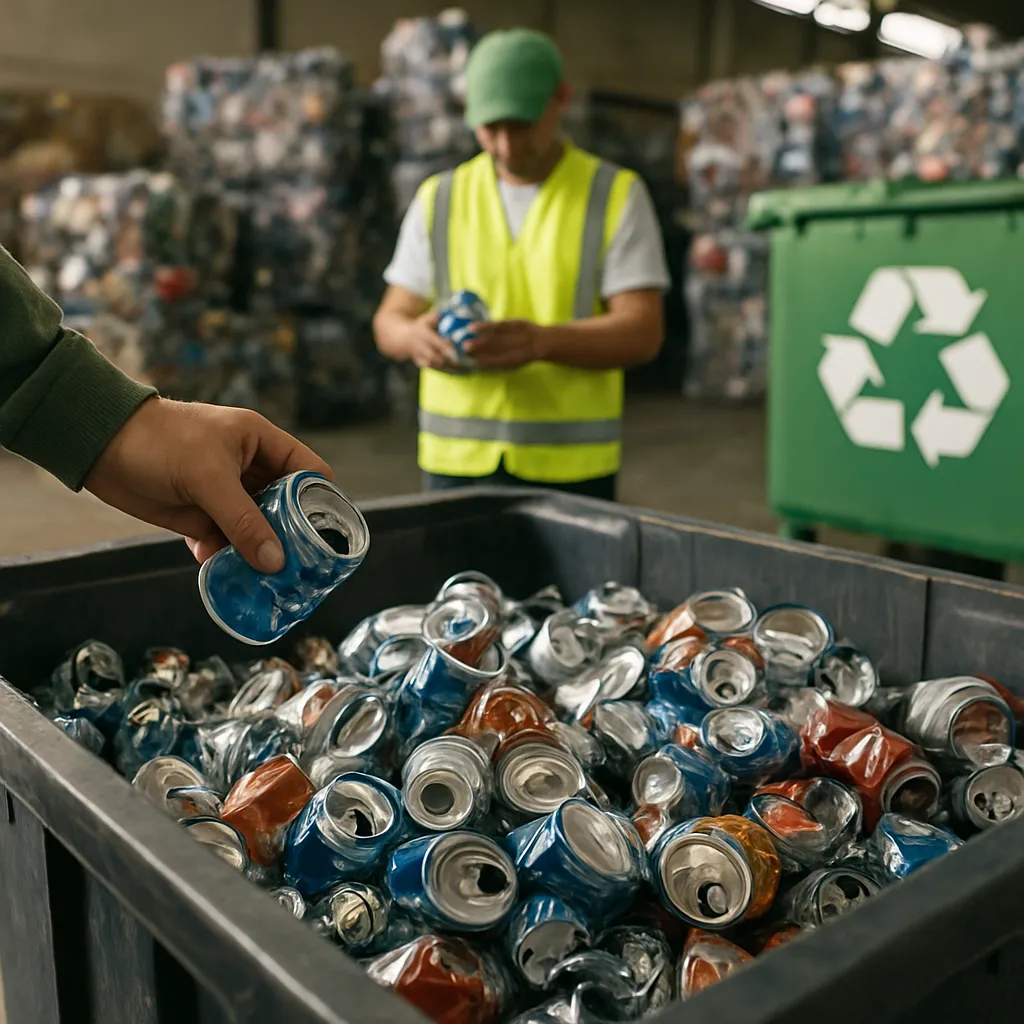
Since discarded electronics and spent batteries contain valuable concentrations of lithium, cobalt, rare earths and precious metals, urban mining startups are deploying automated shredders, sensor-based sorting and hydrometallurgical recovery to reclaim those resources. Core features include:
- Robust mechanical preprocessing to liberate material fractions.
- Selective leaching circuits tailored to electronic scrap composition.
- Integration with recycling networks to reduce landfilling and raw ore demand.
By processing end-of-life components within or near major consumption markets, these systems curb supply chain risks and strengthen the circular economy for critical metals.
Supply Chain Digitization and Transparency
Ensuring ethical sourcing, chain-of-custody verification and geopolitical resilience requires end-to-end visibility. Startups are building digital platforms that track material flows from mine to refinery to OEM assembly.
Blockchain and IoT Tagging
Decentralized ledgers combined with low-cost IoT sensors and RFID tags enable immutable records of:
- Extraction locations and batch metadata.
- Smelting and refining process conditions.
- Ownership transfers and quality certifications.
Strong cryptographic signatures ensure that buyers can verify claims of conflict-free or artisanal-free sourcing. This also helps companies maintain compliance with evolving regulations on responsible mineral procurement.
AI-Driven Supply Forecasting
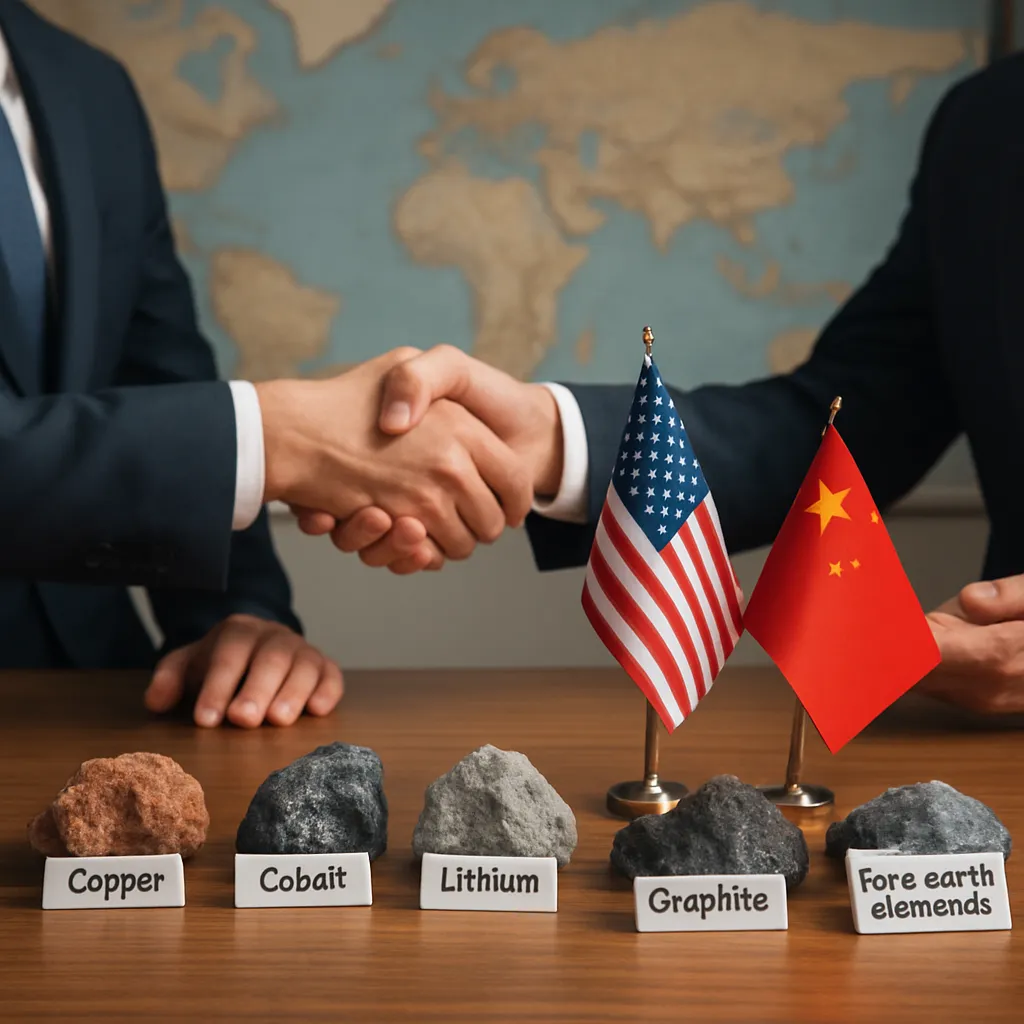
Machine learning models ingest geological surveys, production data and trade flows to forecast potential supply disruptions. Early warning systems highlight regions at risk of social conflict, water shortages or regulatory shifts. Predictive analytics empower partners to diversify sourcing, plan buffer inventories and strike strategic partnerships ahead of price shocks.
Future Outlook and Emerging Trends
As demand for electric vehicles, grid storage and high-performance electronics escalates, the global market for rare metals will become even more competitive and scrutinized. Emerging trends likely to shape the next decade include:
- Integration of advanced recycling directly at consumer product returns centers, reducing logistics costs.
- Expansion of low-carbon hydrometallurgical hubs in regions with renewable energy surpluses.
- Development of bio-based ion exchangers to improve selectivity and reduce chemical footprints.
- Large-scale demonstrations of in-situ recovery techniques to harvest metals without total excavation.
Continued investment by venture capital and corporate backers is accelerating breakthroughs across the extractive value chain. Collaborative consortia between mining majors and agile startups are forming to pilot hybrid operations that combine proven throughput with next-generation sustainability features. Ultimately, this wave of innovation will be crucial to securing supply of strategic elements while meeting ambitious climate targets and fostering long-term resilience in critical material ecosystems.