In the rapidly evolving landscape of materials research, tackling the complexities of global rare metals demands an interdisciplinary mindset that bridges chemistry, engineering, economics, and policy. By fostering collaborations across distinct fields, scientists and industry leaders can unlock novel pathways for innovation, drive sustainability in supply chains, and secure access to critical metals essential for next-generation technologies.
Global Challenges of Rare Metals
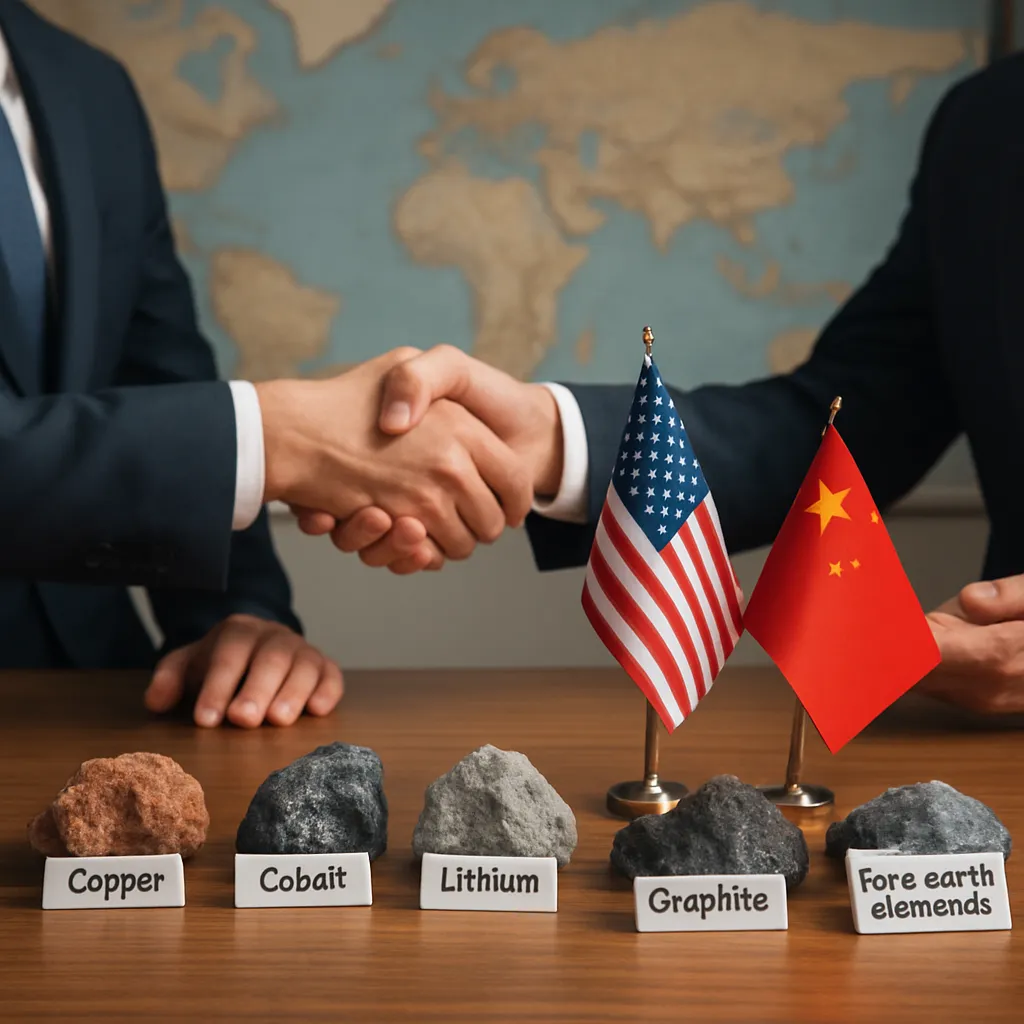
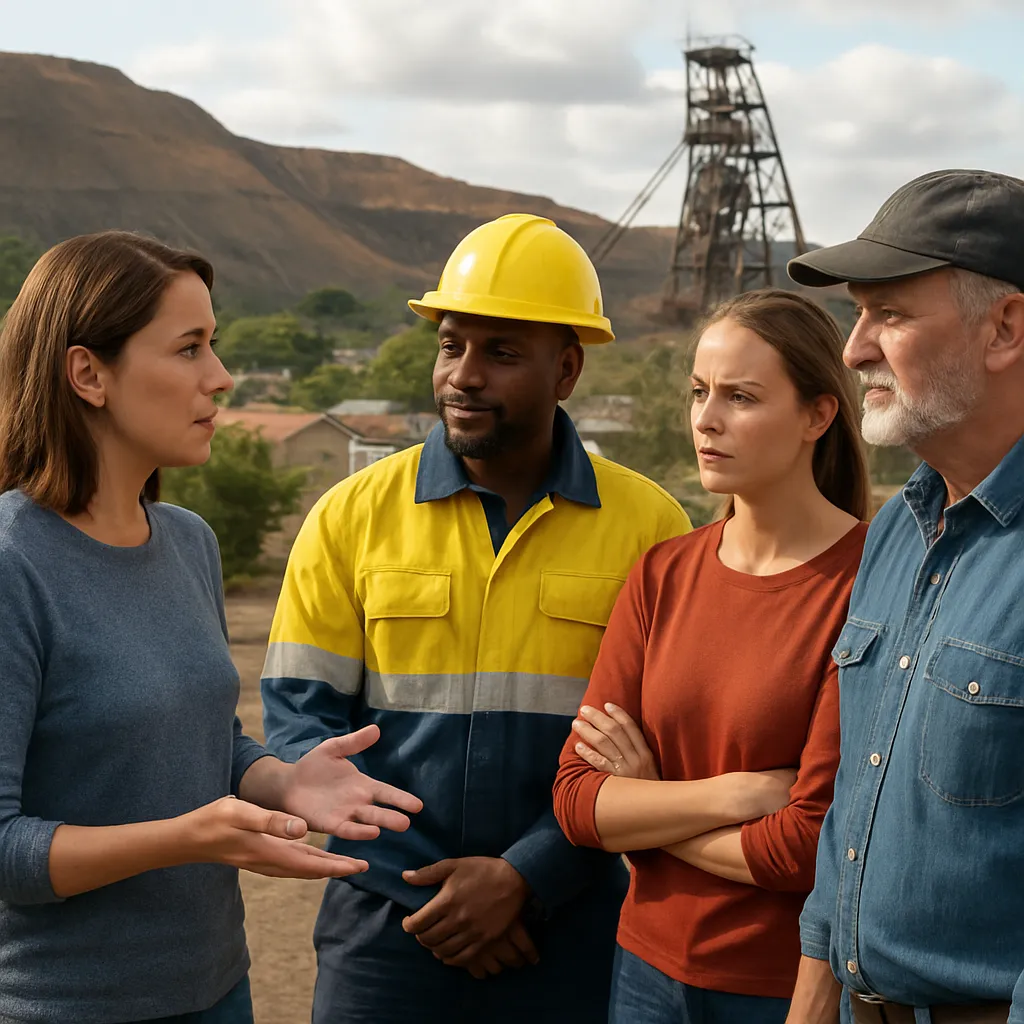
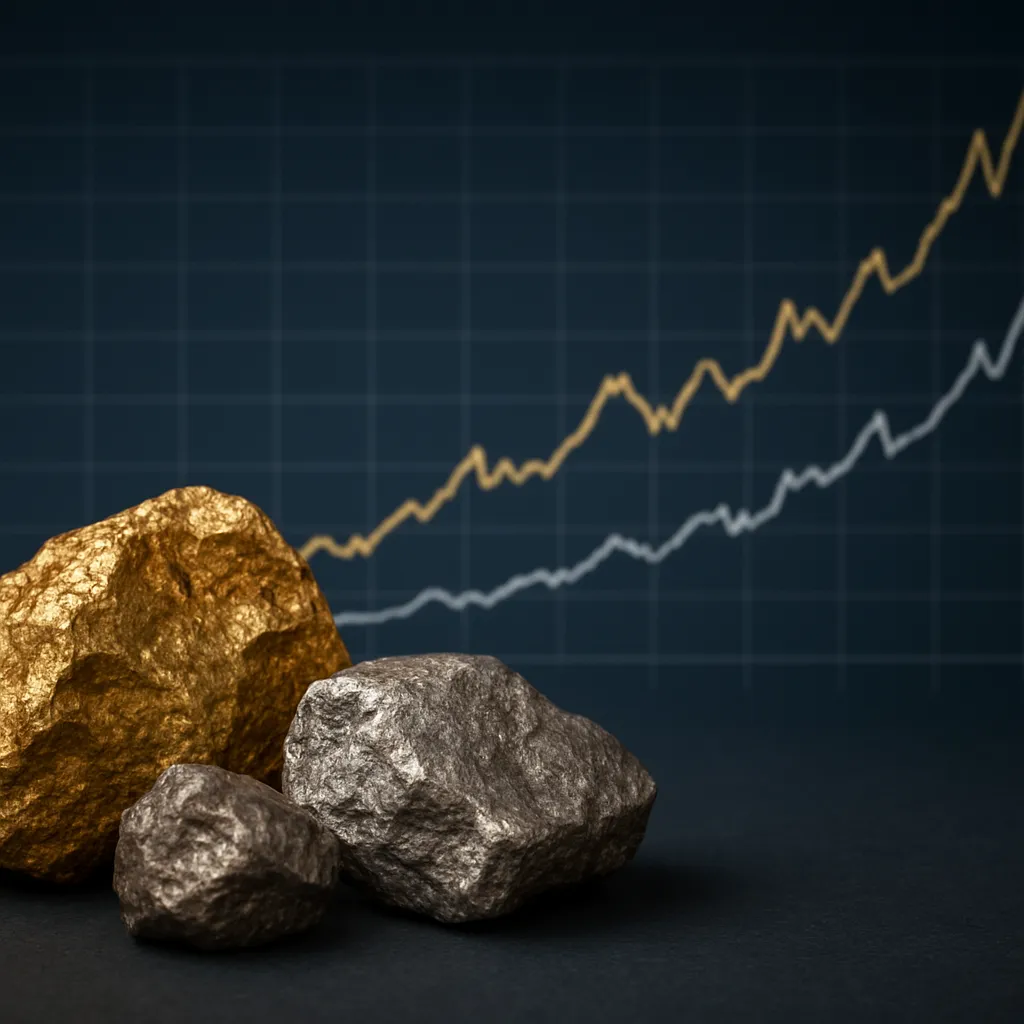
Rare metals such as lithium, cobalt, tantalum, and neodymium serve as the backbone for countless high-tech applications, from renewable energy systems to advanced electronics. Despite growing demand, the market remains vulnerable to supply disruptions due to geopolitical tensions, environmental regulations, and limited geographic distribution of ore deposits. For example, more than half of the world’s cobalt is mined in the Democratic Republic of the Congo, raising concerns about ethical practices and human rights. Meanwhile, fluctuations in price and availability can stall large-scale deployment of electric vehicles and wind power generators, underscoring the need for resilient supply chains and diversified sourcing strategies.
Addressing these challenges requires a holistic approach. Economic models must account for trade policies and tariff fluctuations, while environmental assessments evaluate the impact of extraction and processing on local ecosystems. Engineers design novel extraction and separation methods, and material scientists explore alternative alloys and composites to reduce reliance on scarce elements. By merging these perspectives, stakeholders can create robust frameworks for long-term resource management.
Innovative Approaches and Interdisciplinary Collaboration
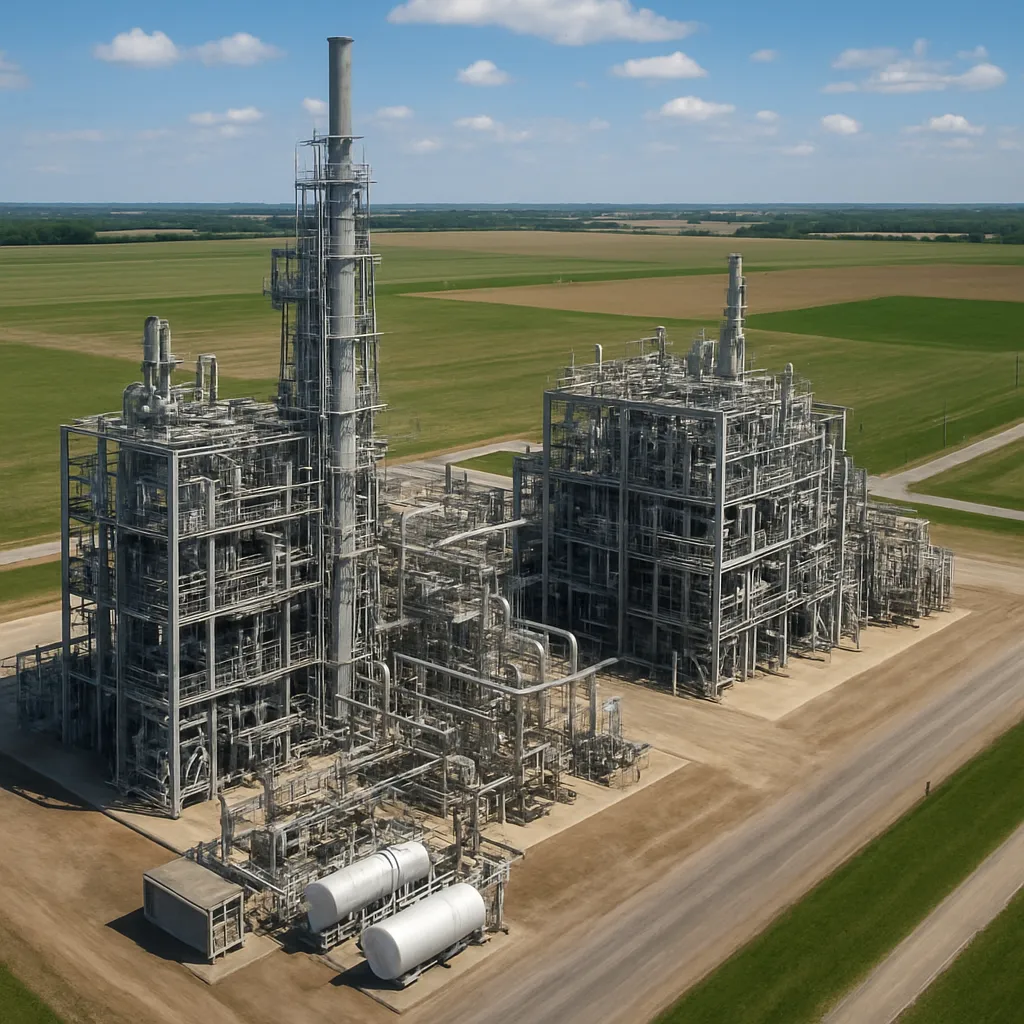
Advances in technology often emerge at the intersection of multiple disciplines. In the realm of rare metals, breakthroughs occur when geologists, chemists, data scientists, and policy analysts pool their expertise. Machine learning algorithms, for instance, enable predictive mapping of mineral deposits by analyzing vast geological datasets. Meanwhile, chemists develop green leaching techniques that minimize water usage and chemical waste, and engineers prototype modular processing units suitable for remote or decentralized operations.
Such progress hinges on effective collaboration platforms. Joint research centers bring together academic institutions and industry partners to pilot demonstration projects, while international consortia align regulatory standards and best practices. These alliances foster knowledge transfer and reduce duplication of effort. Moreover, interdisciplinary education programs train a new generation of scientists who can navigate both laboratory research and real-world policy challenges. By integrating coursework in resource economics, environmental ethics, and materials engineering, universities equip graduates with a versatile skill set that accelerates metal innovation.
Case Studies: Success Stories in Rare Metal Innovation
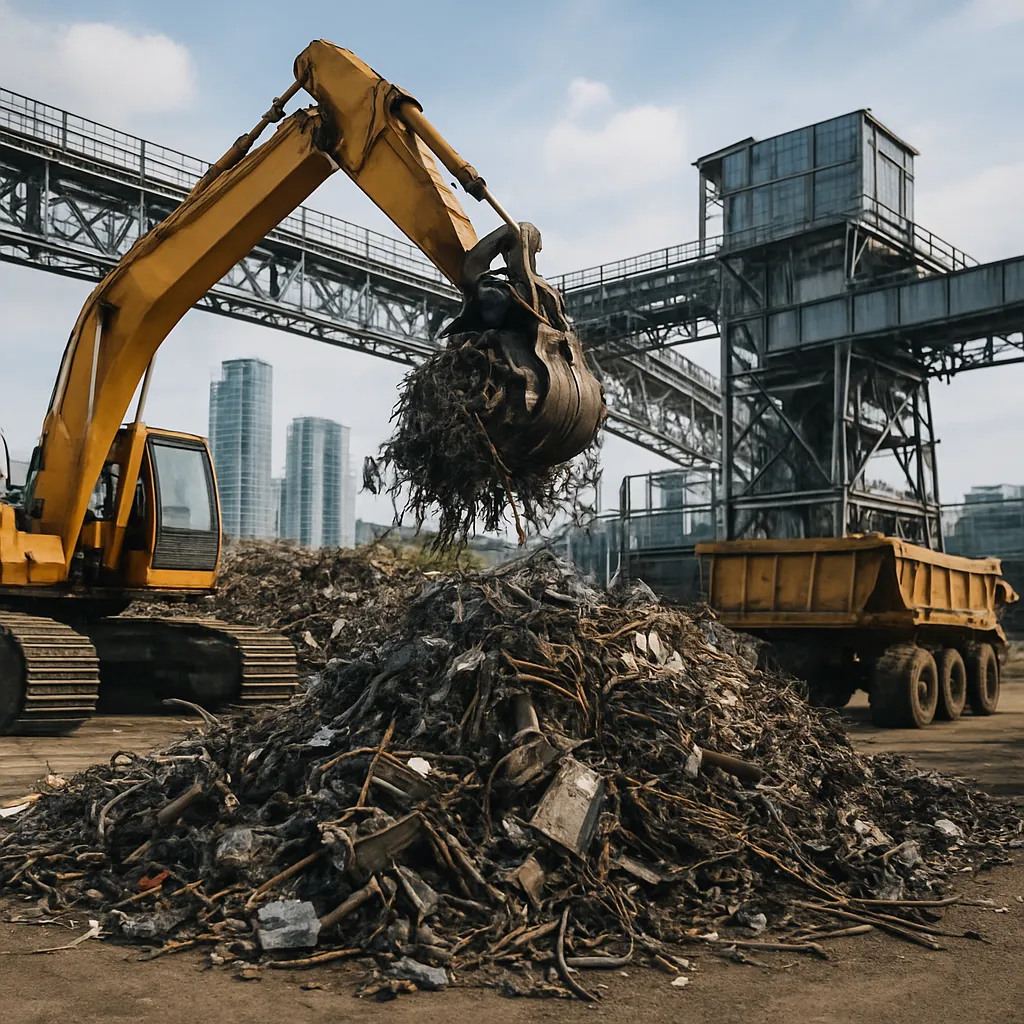
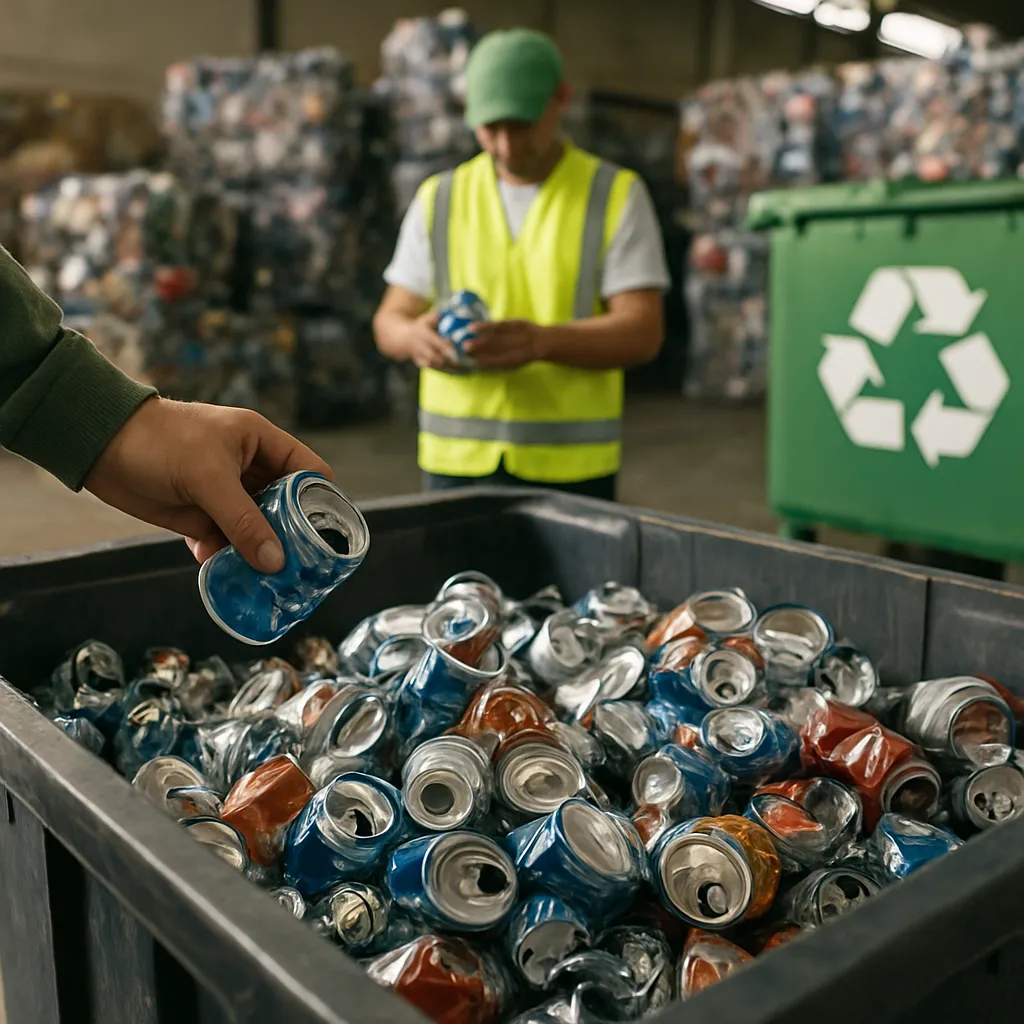
Several pioneering projects illustrate the power of interdisciplinary research. In Scandinavia, a coalition of mining companies, universities, and government agencies developed a circular economy model for rare earth elements. This initiative employs advanced recycling techniques to reclaim magnets from discarded wind turbine blades and electric motors. Chemical engineers refine solvent extraction processes to achieve unprecedented recovery rates, while economists assess the financial viability of urban mining operations. The result is a scalable blueprint that other regions can replicate.
Another notable example emerges from South Korea, where an interdisciplinary team created a novel battery architecture that reduces cobalt content by 80%. By combining insights from electrochemistry, materials science, and industrial design, researchers formulated a high-nickel cathode material that maintains performance while lowering both cost and environmental footprint. Government incentives for sustainable manufacturing further accelerated commercialization, demonstrating how coordinated policy and research efforts can drive rapid technology adoption.
Future Directions and Sustainable Strategies
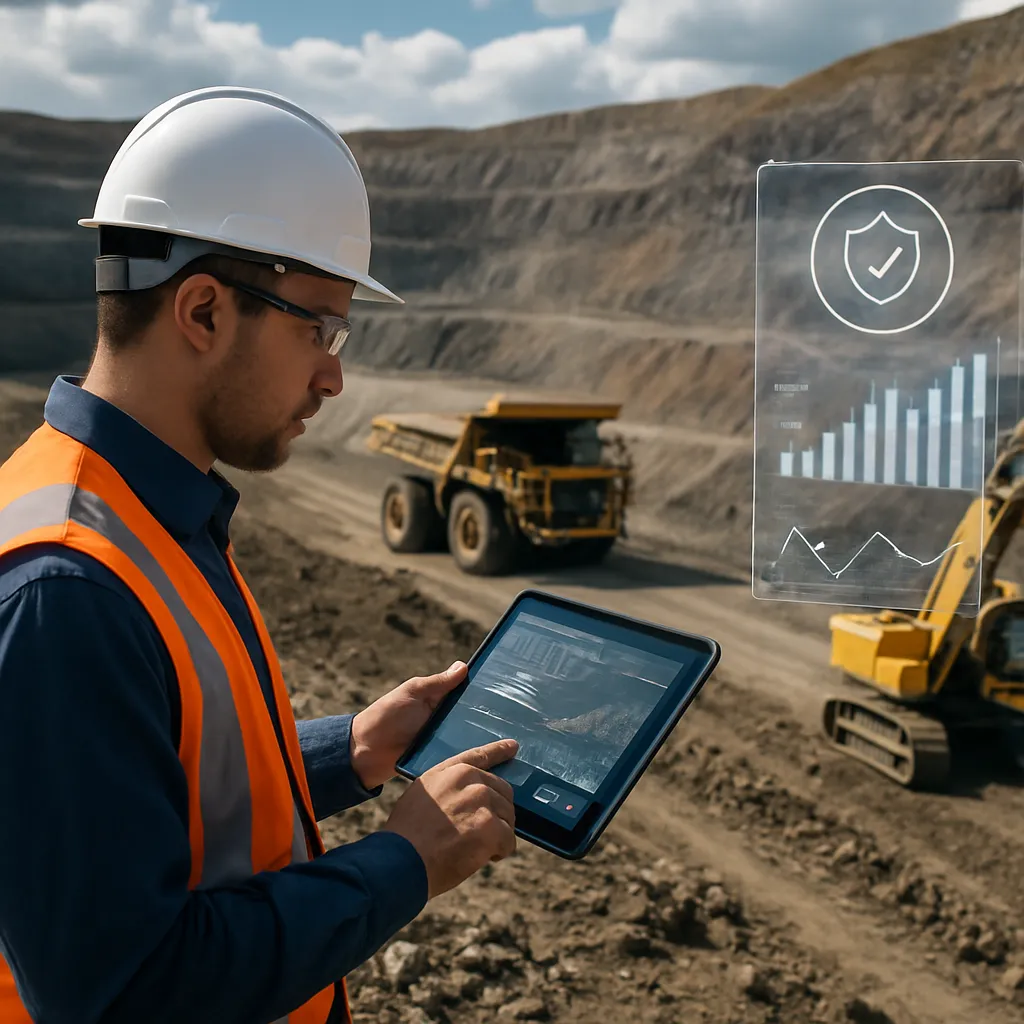
Looking ahead, the integration of digital tools and real-time monitoring promises to transform rare metal extraction and processing. Internet of Things (IoT) devices embedded in mining equipment can track energy consumption, greenhouse gas emissions, and water usage, enabling continuous optimization of operational parameters. Data analysts develop dashboards that visualize key performance indicators, supporting evidence-based decision-making across multidisciplinary teams.
Furthermore, exploring bioleaching methods with specialized microorganisms offers an eco-friendly alternative to conventional acid treatments. This approach unites microbiology, environmental engineering, and industrial biotechnology to harness natural processes for metal recovery. In parallel, policy experts advocate for extended producer responsibility regulations, mandating that manufacturers design products with end-of-life recycling in mind. Such frameworks incentivize innovation in material science and product design, reducing waste and fostering a more circular resource model.
The quest for resilient and sustainable rare metal systems depends on ongoing collaboration among diverse stakeholders. By embracing an interdisciplinary ethos, the research community can address technical, environmental, and social dimensions in concert—ensuring that tomorrow’s metal innovations deliver both cutting-edge performance and lasting global benefits.