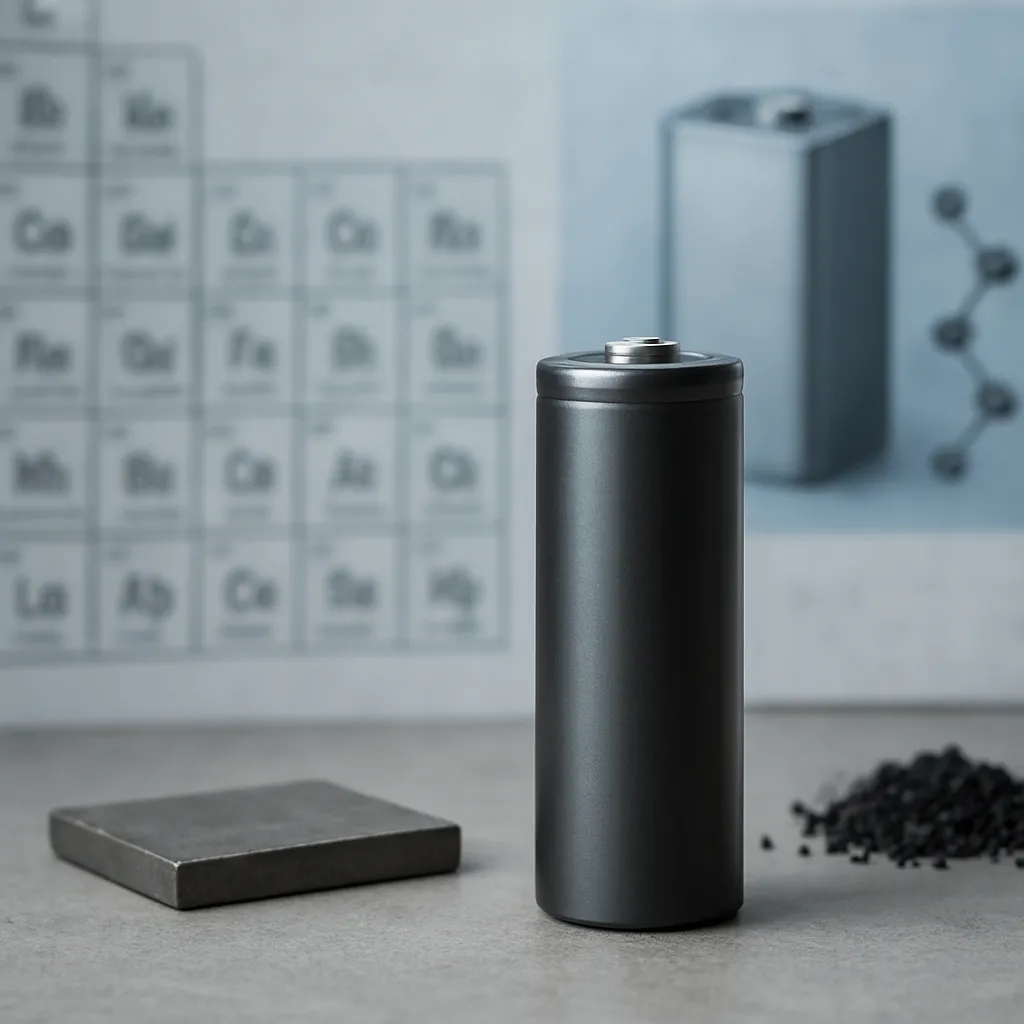
As energy sectors pivot toward decarbonization and transport networks embrace electrification at an unprecedented pace, emerging battery platforms are set to transform the world’s reliance on a handful of strategic elements. Breakthrough chemistries promise to reshape supply chains, alleviate critical bottlenecks, and trigger a fresh wave of innovation in materials science. This article explores how new battery designs disrupt entrenched dependencies on rare metals and what that means for global markets, policy frameworks, and sustainable development.
Evolution of Battery Chemistries and Material Dependencies
Modern electric vehicles and grid-scale storage have largely depended on the proven performance of lithium-ion cells. Within this dominant family, variants such as nickel-cobalt-manganese (NCM) or nickel-cobalt-aluminum (NCA) cathodes have dictated demand for nickel and cobalt. While these metals deliver superior energy density and cycle life, their production is geographically concentrated and associated with social and environmental challenges. Simultaneously, the search for lighter, cheaper, and safer architectures has driven researchers toward alternative platforms:
- Sodium-ion chemistries: Leveraging abundant sodium resources, these cells trade off some energy density for lower cost and reduced reliance on scarce elements.
- Solid-state batteries: Promising higher energy density and intrinsic safety through non-flammable electrolytes, they often target lithium metal or alternative anodes.
- Lithium-sulfur and lithium-air designs: Utilizing sulfur or oxygen as active materials, they boast exceptional theoretical capacity but face challenges in cycle stability and infrastructure compatibility.
- Multivalent and metal-air variants: Concepts involving magnesium or aluminum carry the allure of three-electron transfers per ion or open-air cathodes, but they demand novel electrolytes and advanced electrode engineering.
Each of these breakthroughs stands to recalibrate mineral demands. For instance, shifting to sulfur-based cathodes could slash cobalt consumption, while embracing sodium-ion cells may curb the need for lithium altogether. The pace of commercial rollout will depend on performance parity, manufacturing scalability, and end-of-life management strategies.
Global Dynamics of Rare Metal Supply Chains
Current supply chains for critical minerals are intricately woven through a limited set of regions. The Democratic Republic of Congo dominates cobalt mining, Chile and Australia lead in lithium extraction, and Indonesia and Russia hold significant shares of global nickel output. Such concentration fosters both price volatility and strategic vulnerability. Governments and corporations have responded by:
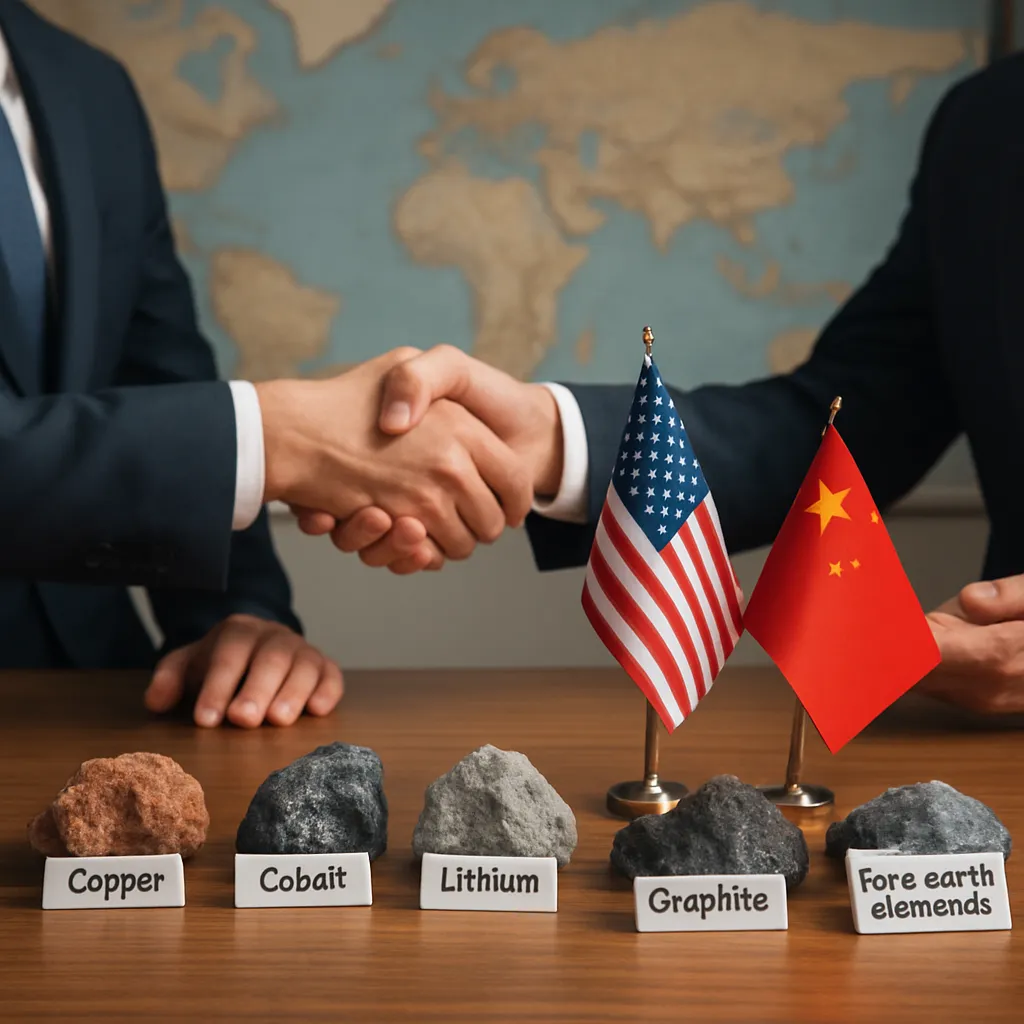
- Forming bilateral agreements to secure stable volumes of feedstock.
- Investing in new refining facilities outside traditional hubs.
- Imposing export controls or tariffs to advance domestic processing industries.
These shifts reflect broader concerns over geopolitics and resource sovereignty. Policy frameworks in Europe, North America, and Asia increasingly classify certain metals as “critical,” prompting stockpiling, subsidies for upstream projects, and stringent due-diligence rules. Meanwhile, the environmental footprint of mining—water usage, habitat disruption, and carbon emissions—has spurred calls for greater transparency and adherence to best practices.
Emerging Alternatives and Material Substitutions
To mitigate supply risks and bolster resilience, battery developers are experimenting with material substitutions that lower or eliminate reliance on contentious elements. Key pathways include:
- Transitioning to high-manganese or iron-based cathodes that reduce nickel and cobalt loading.
- Incorporating silicon-carbon composite anodes to boost capacity and diminish the role of graphite.
- Deploying aqueous or gel polymer electrolytes that avoid rare metals used in conventional lithium salts.
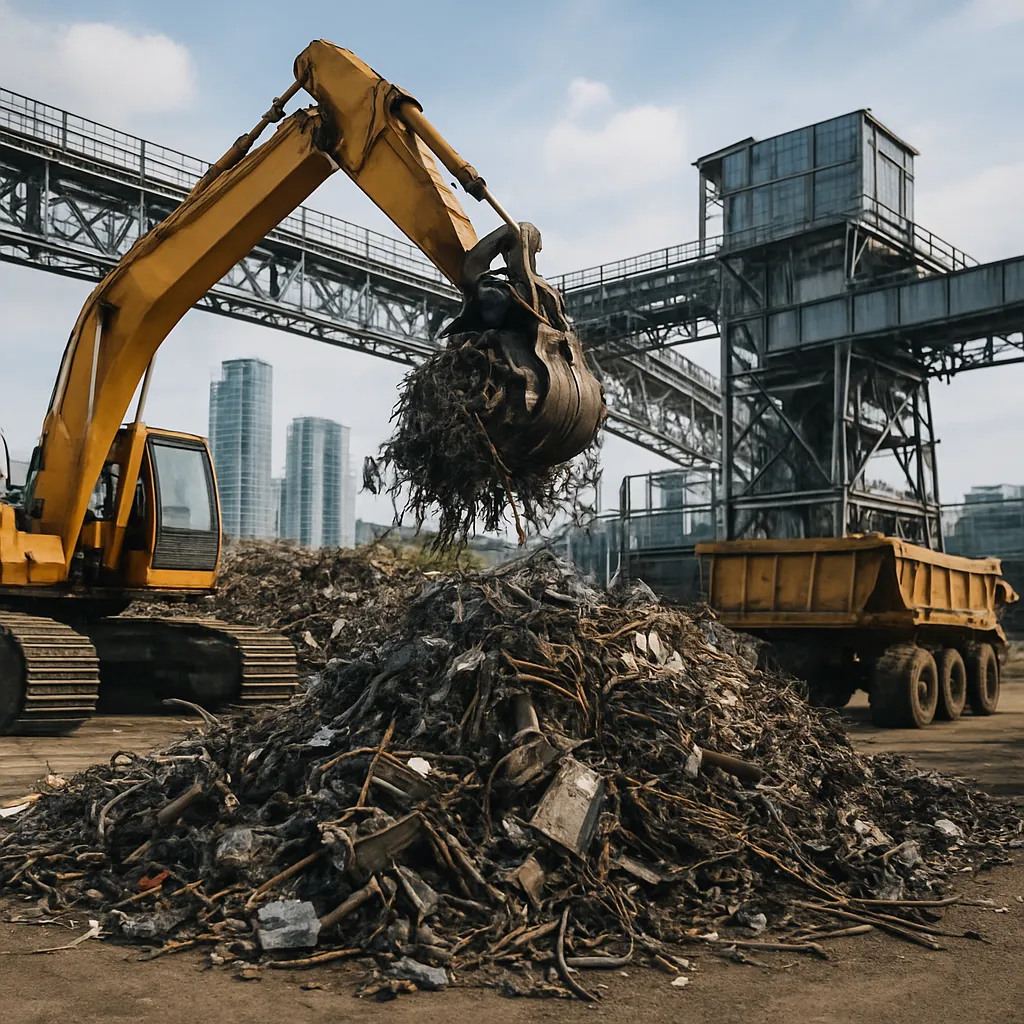
- Exploring bio-derived or recycled precursors—captured from manufacturing waste or spent batteries—to supply active materials.
One particularly promising avenue focuses on the iron-sodium hybrid systems, which straddle the line between cost-effectiveness and robust cycle life. By unlocking the potential of Earth-abundant iron, such chemistries position themselves as a counterweight to the volatility of lithium and cobalt markets. In parallel, breakthroughs in binder technology and electrode coatings enhance the longevity and fast-charge capabilities of low-cost cells, paving the way for mass adoption.
Scaling Production: Technical and Environmental Challenges
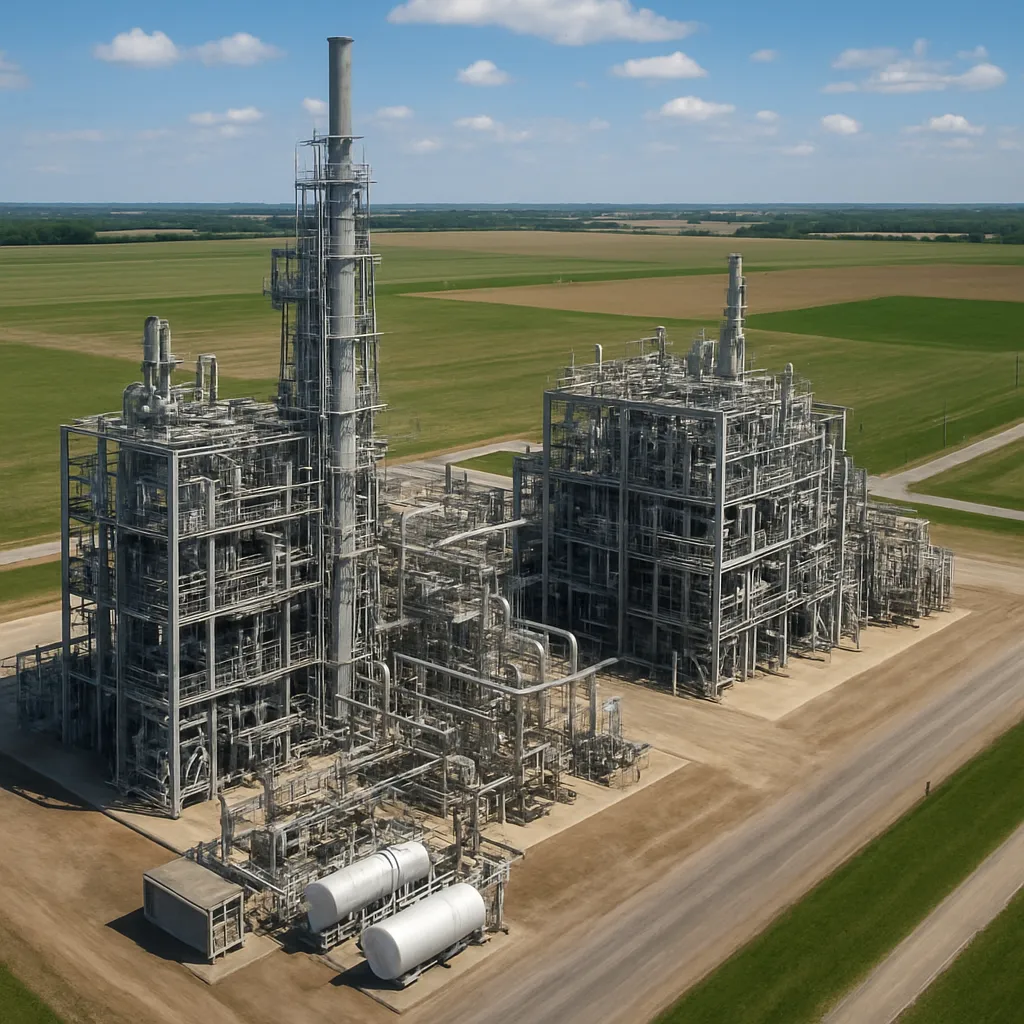
Translating laboratory successes into gigawatt-scale manufacturing presents a complex set of hurdles. New processes often require specialized equipment, new supply lines for raw materials, and rigorous quality control protocols. The capital intensity of retooling existing plants—or building completely new facilities—can be prohibitive without long-term offtake agreements or government incentives. Moreover, lifecycle analyses must account not only for greenhouse gas emissions during production but also for land use impacts, water consumption, and end-of-life strategies like recycling.
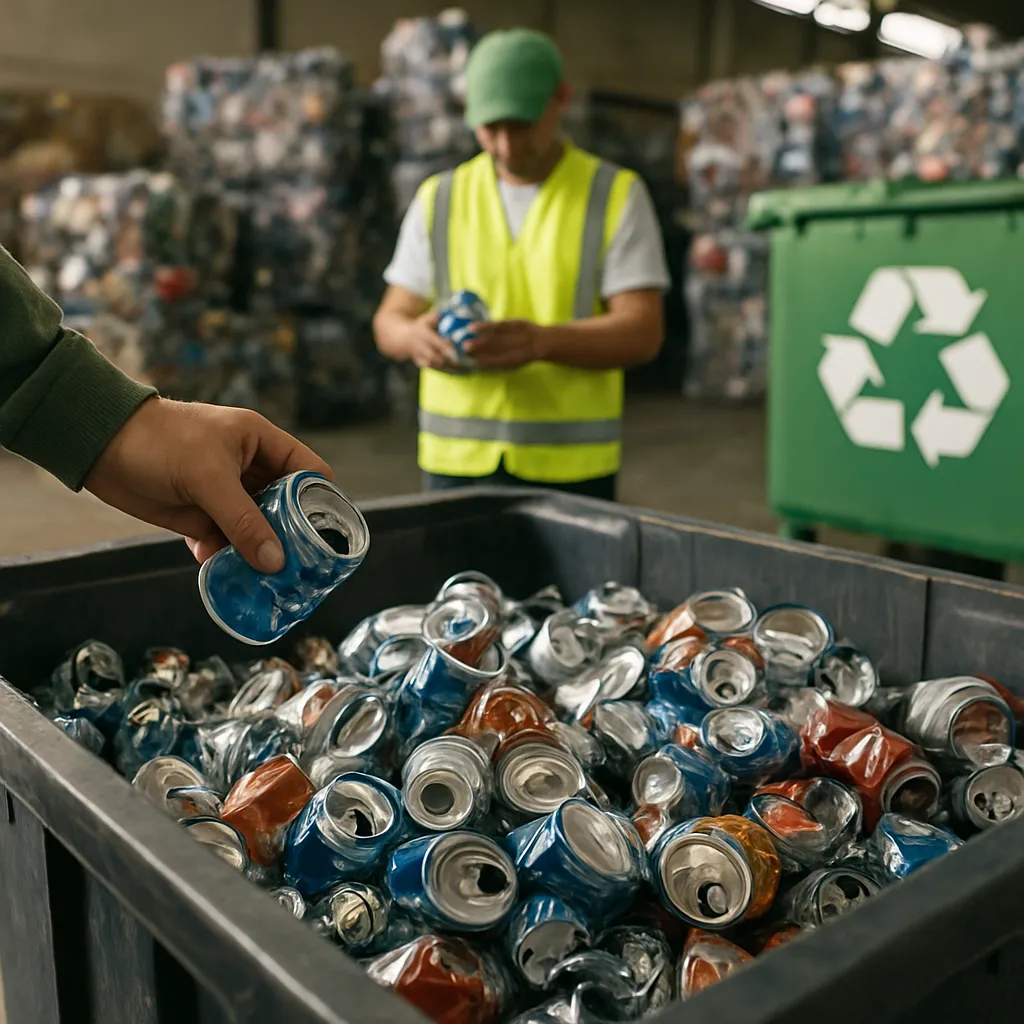
Industry leaders and policy makers are collaborating to establish harmonized standards for environmental performance and worker safety. Programs that certify “responsibly sourced” minerals or promote closed-loop recycling networks play a crucial role in minimizing ecological footprints. Of equal importance is the integration of digital tracking solutions—blockchain, advanced analytics, and remote sensing—to verify material origins and trace processing pathways from mine to battery.
Market Implications and Strategic Outlook
As next-generation battery platforms inch toward commercialization, stakeholders must grapple with evolving market landscapes. The disruption of entrenched material dependencies will have ripple effects:
- Reduced bargaining power for dominant miners as demand diversifies across new resources.
- Heightened competition among refiners to adapt to novel chemistries and processing flows.
- Opportunities for novel entrants—startups, consortiums, and state-owned enterprises—to capture market share.
A strategic imperative emerges for companies to maintain flexible supply strategies, investing in multiple chemistries and forging partnerships across the value chain. Ultimately, success will hinge on balancing short-term cost pressures with long-term resilience and the pursuit of sustainability. The interplay of technological innovation, policy incentives, and evolving consumer expectations will define the next chapter in the global energy transition, driving us toward a future where resource constraints are no longer the limiting factor in electrification.