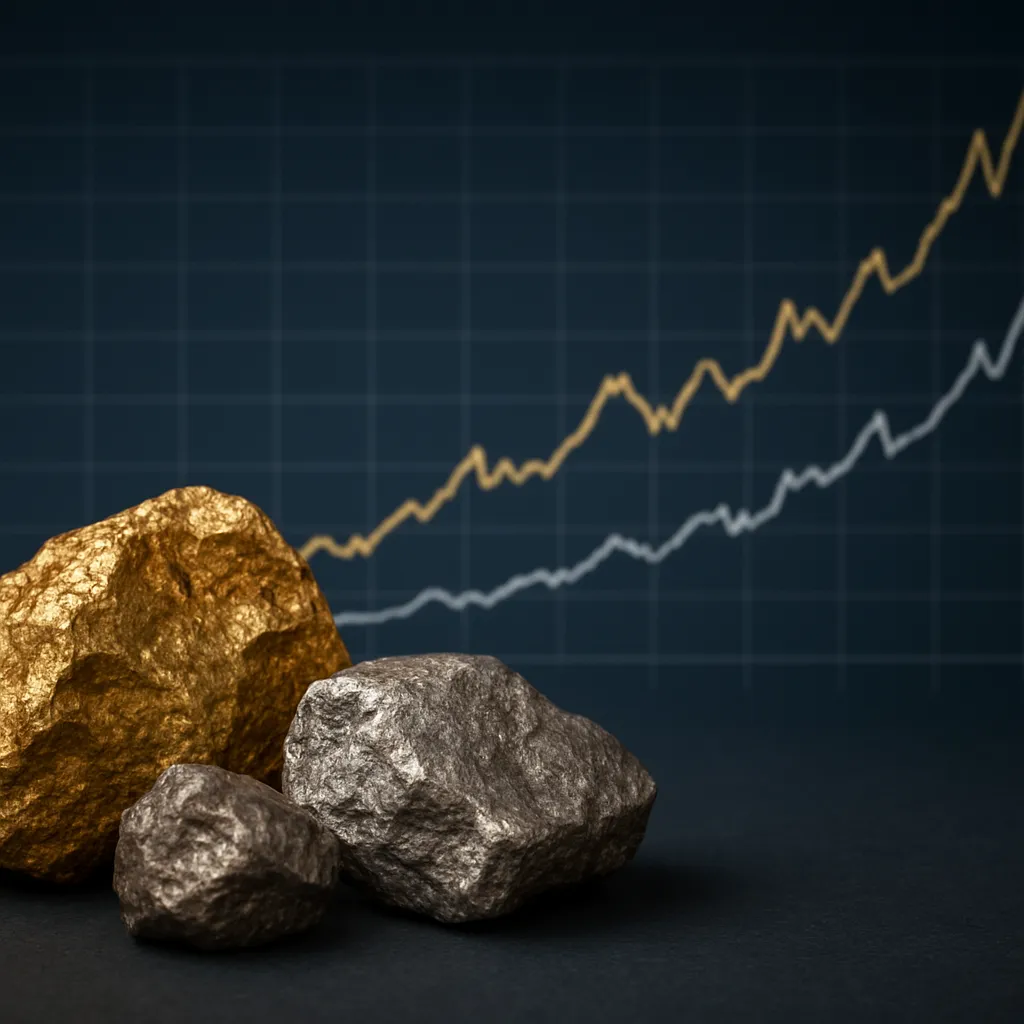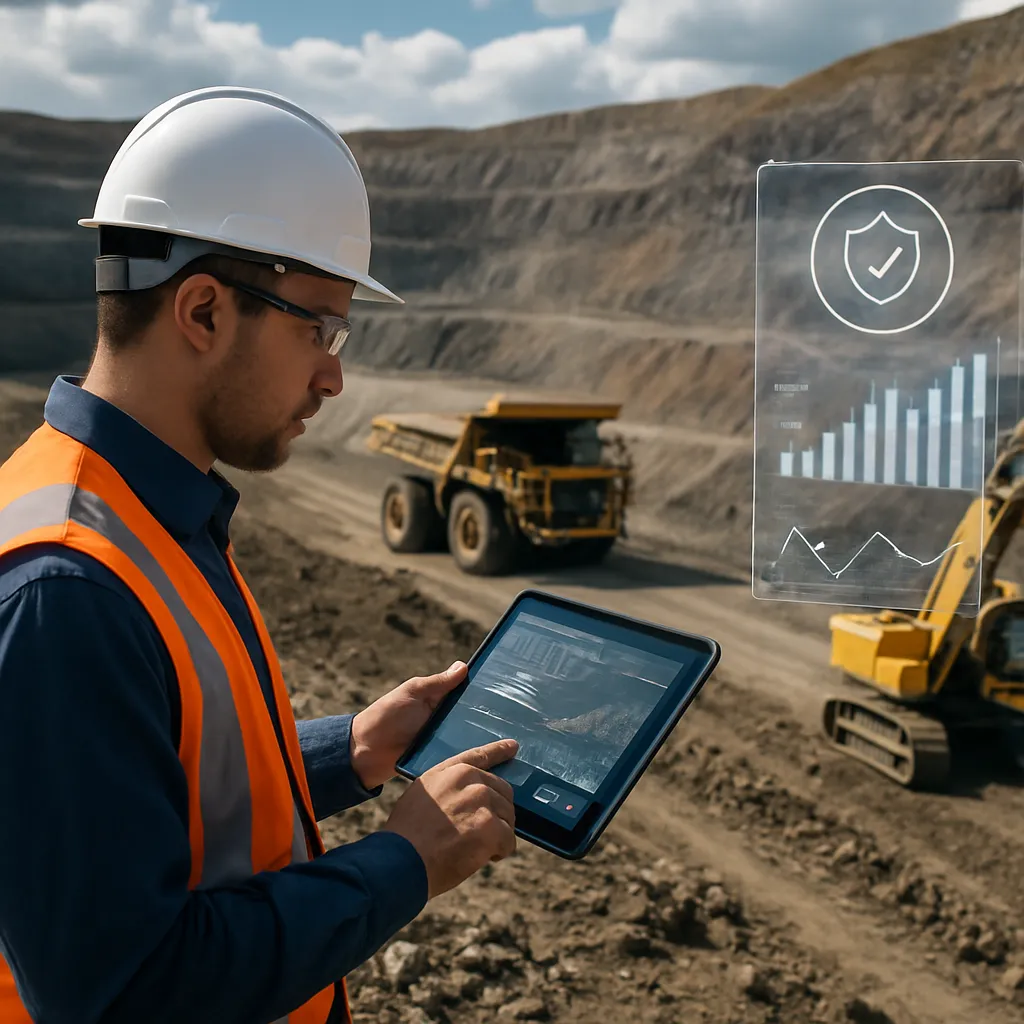
The relentless demand for rare metals in industries such as electronics, renewable energy, and electric vehicles has driven researchers to explore cutting-edge solutions for maximizing recovery and minimizing waste. Artificial intelligence models, with their unparalleled ability to process massive datasets and uncover hidden patterns, are revolutionizing how mining and metallurgical operations handle complex mineral matrices. By integrating AI-driven analytics directly into extraction workflows, companies can dramatically enhance metal efficiency, reduce environmental footprints, and secure a more stable supply of critical resources for a rapidly evolving global market.
AI-Driven Analytics in Rare Metals Extraction
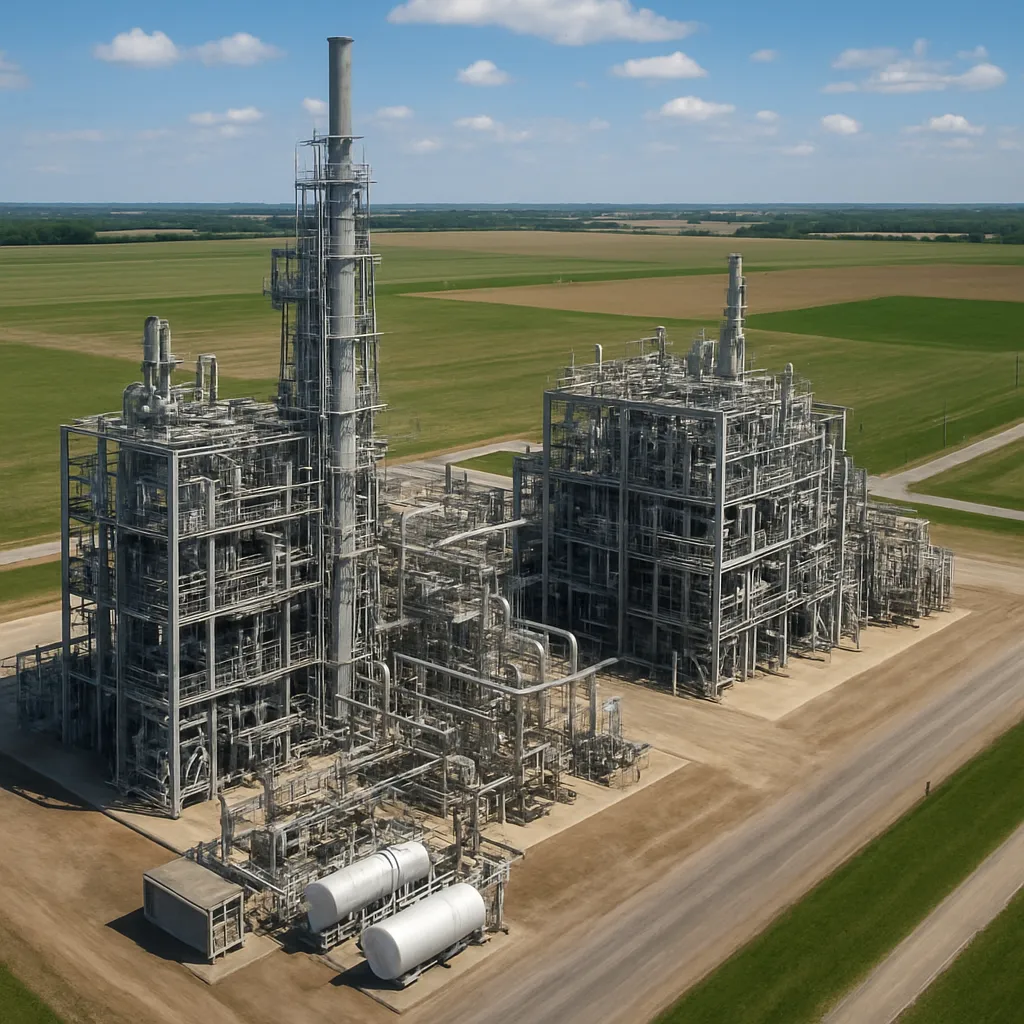
Implementing machine learning and deep learning algorithms in rare metal recovery transforms traditional process control. These models analyze real-time data from sensors distributed across the mining site, flotation circuits, and hydrometallurgical plants. By continuously monitoring parameters such as temperature, pH levels, reagent dosage, and particle size distribution, AI frameworks can dynamically adjust operating conditions to optimize yields.
Sensor Integration and Data Fusion
- Advanced spectroscopy tools, including X-ray fluorescence (XRF) and laser-induced breakdown spectroscopy (LIBS), feed elemental composition data into AI platforms.
- Optical and acoustic sensors monitor slurry consistency and froth stability during flotation, identifying anomalies that degrade processing performance.
- IoT-enabled probes in tailings storage facilities track moisture, chemical concentrations, and seismic activity to improve sustainability and safety.
When fused, these diverse datasets empower AI models to predict operational trends and adjust control loops in milliseconds. For instance, predictive algorithms can forecast reagent consumption and recommend dosage tweaks that lower chemical costs without sacrificing metal grades.
Predictive Maintenance and Equipment Optimization
- Vibration and thermal imaging sensors detect early-stage equipment failures in crushers, mills, and pumps.
- AI-driven diagnostics schedule maintenance during planned downtimes, minimizing unexpected stoppages.
- Automated lubrication and alignment protocols extend the lifespan of critical machinery, ensuring uninterrupted recovery rates.
By leveraging predictive maintenance, operations maintain peak performance and deliver consistently high metal yield.
Challenges in Scaling AI Solutions for Global Rare Metals
Despite its promise, deploying AI at scale in the rare metals sector faces several hurdles. The diversity of ore types—ranging from lithium-rich pegmatites to cobalt-laden laterites—requires tailored models for each deposit. Additionally, data quality and availability remain fundamental obstacles in remote mining regions with limited connectivity.
Data Standardization and Governance
- Heterogeneous data sources—historical drilling logs, lab assays, and sensor outputs—must be harmonized to feed into AI pipelines.
- Robust annotation protocols ensure that model training accounts for shifts in ore characteristics over time.
- Data security measures protect proprietary geological and metallurgical information from unauthorized access.
Without consistent data governance, AI-driven insights may be skewed, leading to suboptimal decisions that erode metal recovery rates.
Computational Demands and Infrastructure
- High-performance computing clusters and cloud-based platforms are essential to train complex neural networks on terabytes of geospatial and process data.
- Edge computing nodes at mining sites reduce latency by performing preliminary inference locally, with model updates synchronized to central servers.
- Scalable architectures guarantee that as data volumes grow, system performance remains stable, enabling real-time optimization.
Balancing on-site processing versus cloud dependency demands careful planning to maintain both speed and data protection standards.
Optimizing Metallurgical Processes with AI
The heart of rare metal recovery lies in metallurgical stages such as flotation, leaching, and solvent extraction. AI models pinpoint bottlenecks in these workflows and propose actionable adjustments to solvents, acidity, temperature, and retention times. Integrating these recommendations fosters a continuous improvement cycle.
Flotation Circuit Enhancement
- Real-time image recognition systems classify froth particles by size and color, correlating these features to metal grade.
- Reinforcement learning agents experiment with reagent types and concentrations in simulation environments before field deployment.
- Feedback loops incorporate market price signals, guiding the process to prioritize higher-value metals when demand surges.
Such adaptive flotation controls can increase selective recovery of rare earth elements by up to 15%, directly boosting profitability.
Hydrometallurgy and Solvent Extraction
- AI optimizes leach recipes by analyzing mineralogical composition and acid consumption data, maximizing dissolution of target metals.
- Chromatographic analysis coupled with supervised learning identifies optimal organic solvent mixtures for selective metal separation.
- Multivariable process simulation predicts effluent quality and guides treatment methods to meet stringent environmental regulations.
These advancements ensure that tailings contain minimal residual metals, promoting both resource efficiency and ecological responsibility.
Future Prospects and Innovations
Looking ahead, the convergence of AI with emerging technologies promises further breakthroughs in global rare metals recovery. Quantum computing, for instance, could solve complex molecular interactions in leaching agents with unprecedented speed. Meanwhile, digital twin frameworks will simulate entire mining operations, enabling operators to test new strategies virtually before implementation.
Autonomous Mining Vehicles and Robotics
- Self-driving trucks and drills, guided by AI-driven path planning, reduce fuel consumption and operator risk.
- Robotic arms equipped with hyperspectral cameras can selectively extract high-grade ore blocks, minimizing dilution.
- Swarm robotics in tailings reprocessing plants enable distributed handling of materials, boosting throughput.
End-to-End Circularity
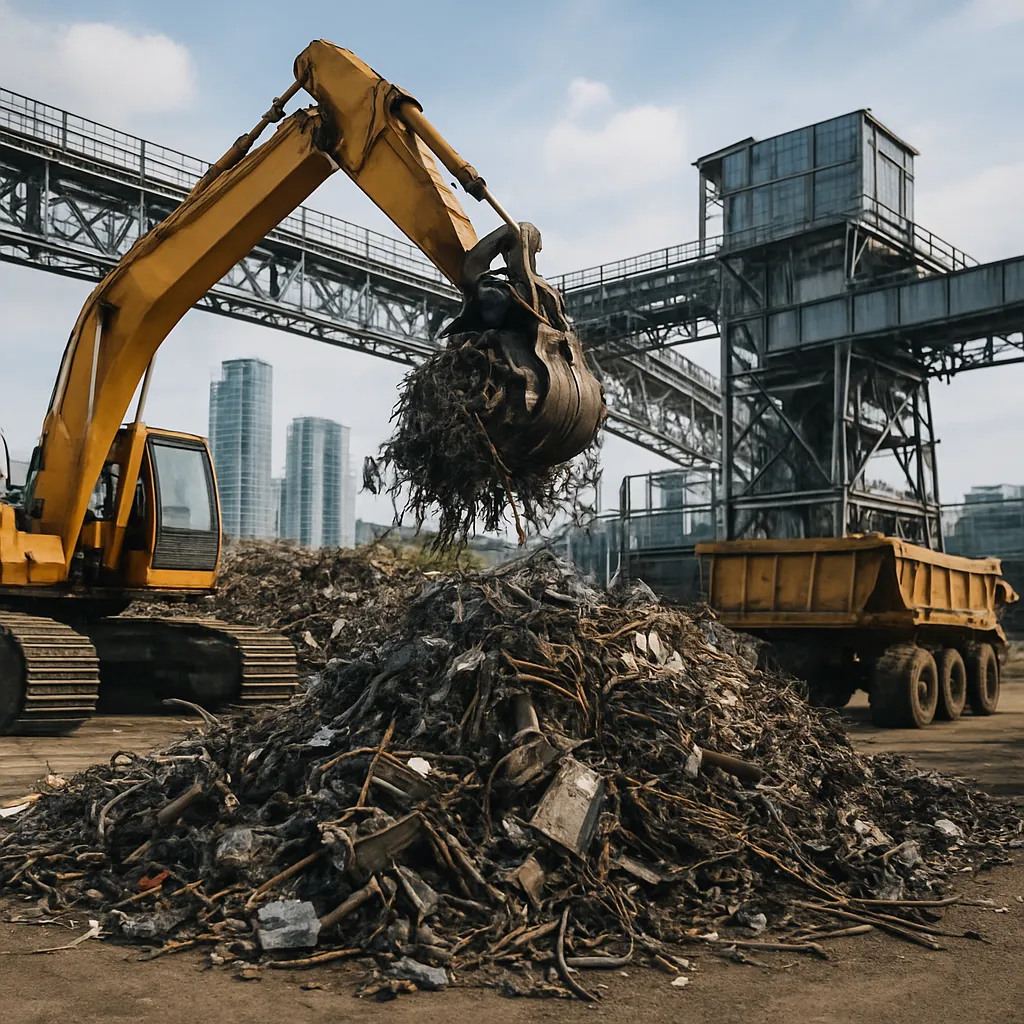
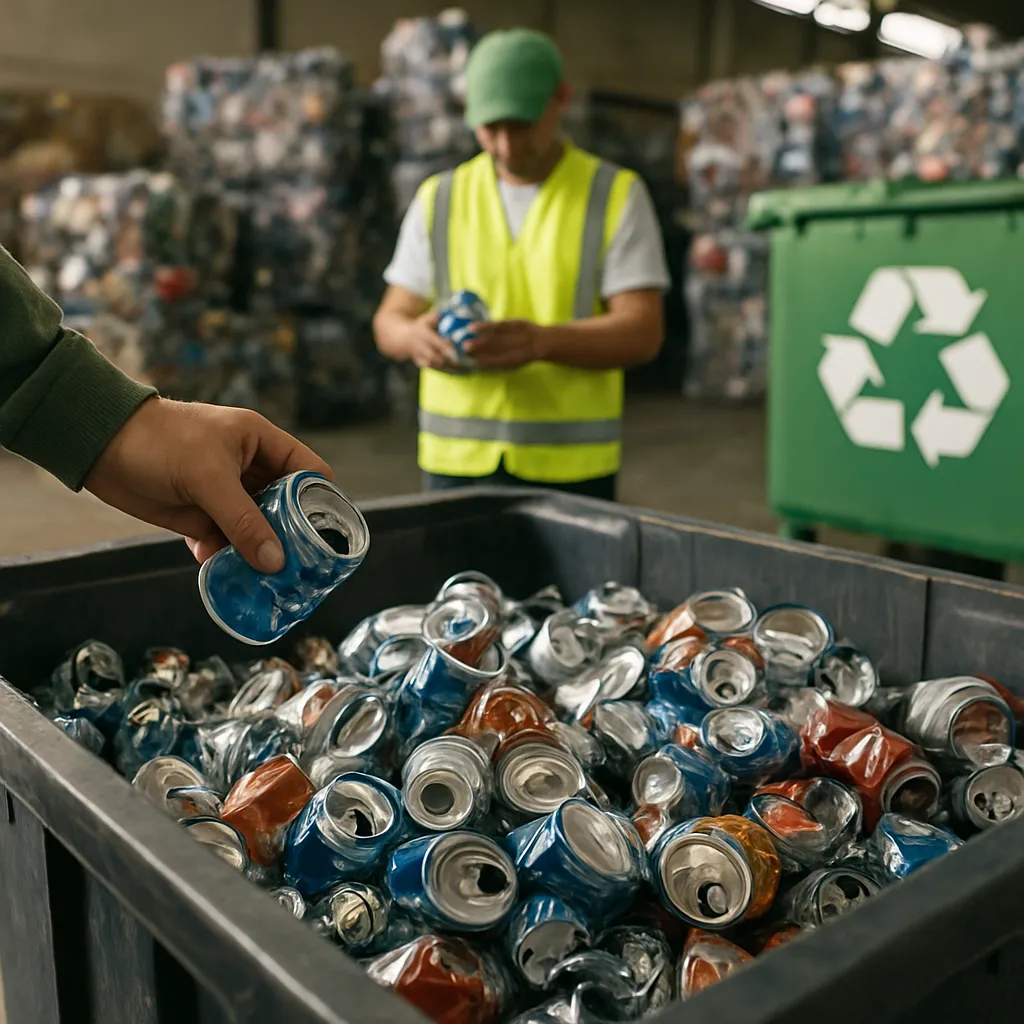
- AI-assisted recycling processes recover metals from electronic waste streams, reducing the need for virgin ore mining.
- Closed-loop material tracking ensures traceability from extraction to end-of-life disposal, supporting ethical sourcing.
- Lifecycle assessment models powered by AI measure the true environmental impact, guiding sustainable investment decisions.
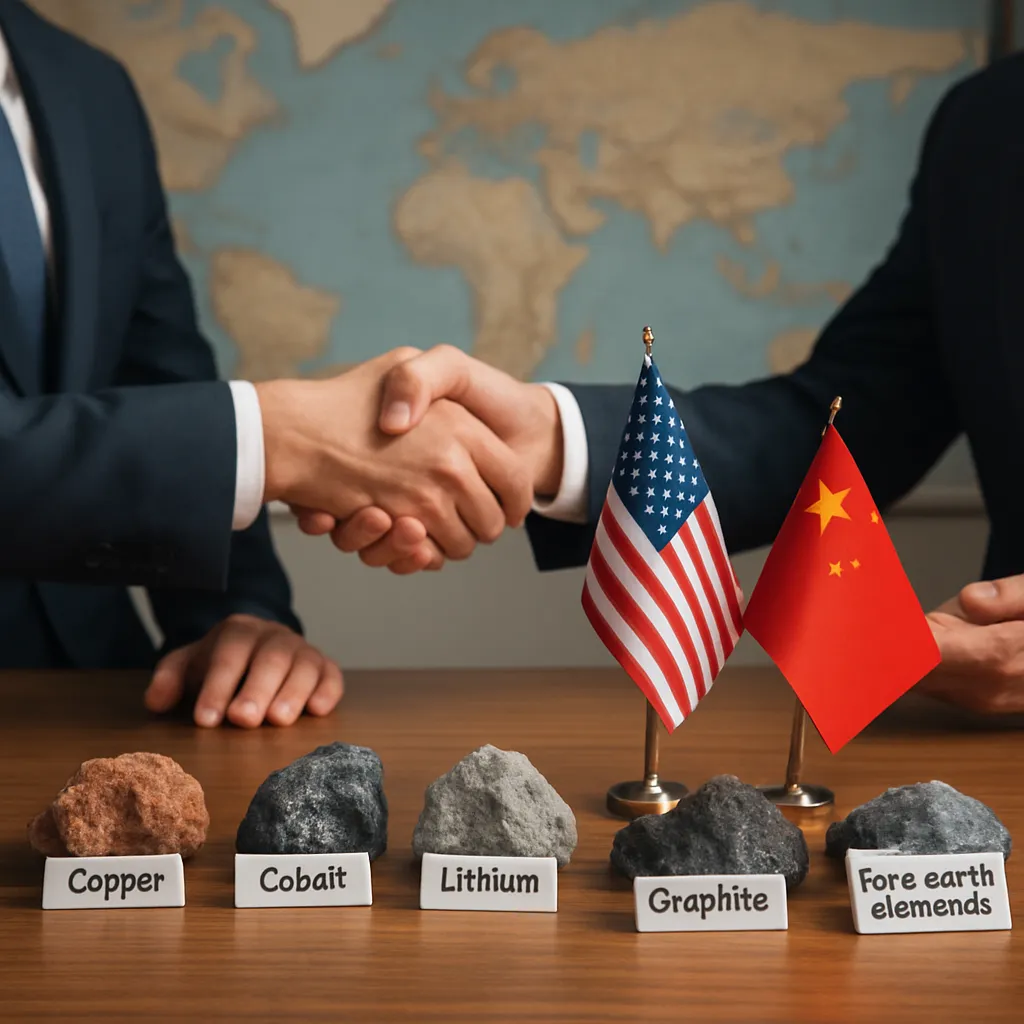
As the industry embraces digital transformation, companies that harness the full potential of AI will lead the way in securing a reliable supply of nickel, cobalt, lithium, and rare earths for decades to come.