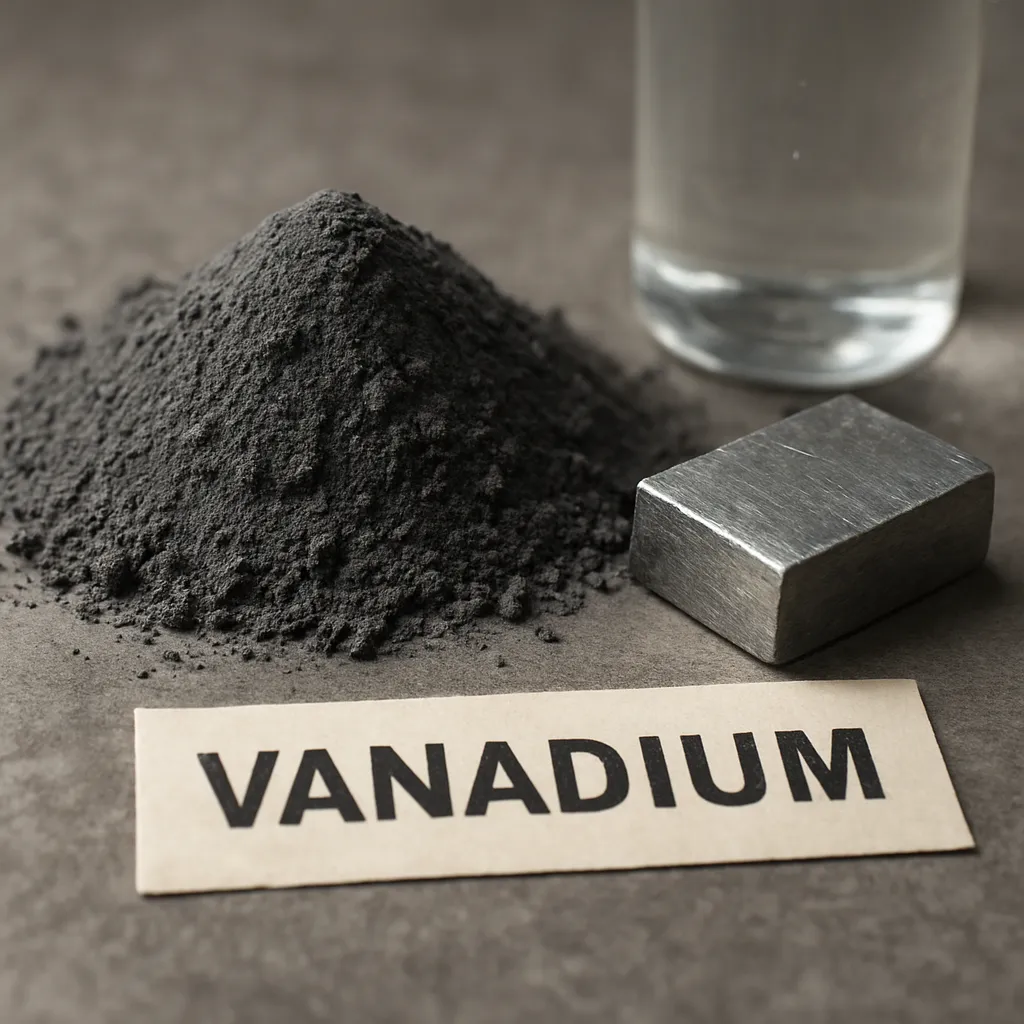
The global shift toward **renewable** energy and advanced **storage** solutions has ignited a race for critical materials far beyond the well-known **lithium**. While lithium-ion batteries remain dominant, a quieter revolution is brewing around **vanadium**, a lesser-known element with extraordinary potential. As nations and corporations scramble to secure stable supply chains, vanadium’s unique chemical properties and diverse applications position it as a key player in the next generation of **grid-scale** energy systems and high-performance alloys.
The Emerging Role of Vanadium in Energy Storage
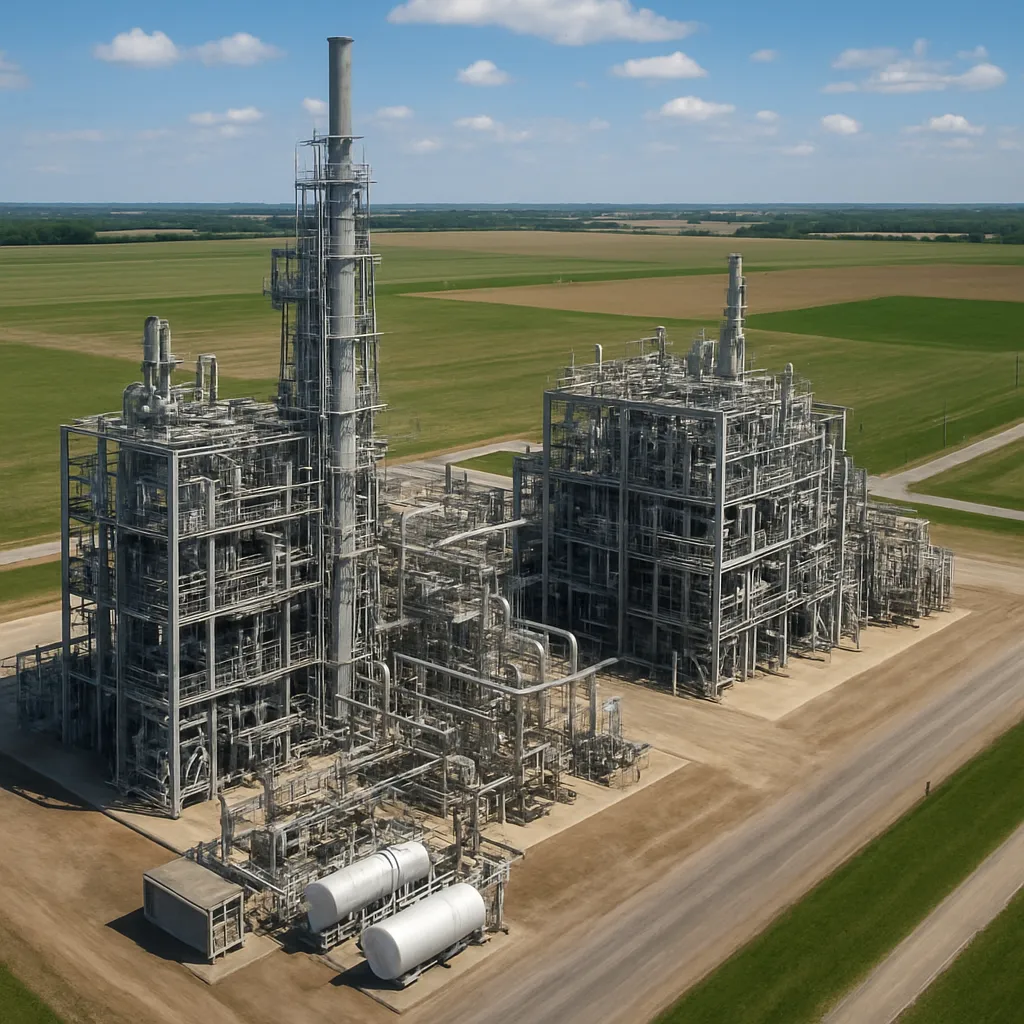
Vanadium redox flow batteries (VRFBs) have captured the attention of engineers, policymakers, and investors seeking reliable, long-duration **energy** storage. Unlike conventional battery chemistries, VRFBs use vanadium ions dissolved in electrolyte solutions to store and release electrical energy through reversible oxidation-reduction reactions. This design offers several compelling advantages:
- Scalability: Capacity and power can be independently scaled by adjusting the size of electrolyte tanks and cell stacks.
- Durability: Electrolytes do not degrade over thousands of cycles, ensuring a lifespan of more than 20 years with minimal maintenance.
- Safety: Non-flammable aqueous electrolytes reduce fire risk compared to lithium-ion systems.
These features make VRFBs especially attractive for utility-scale deployments, microgrids, and renewable integration. Large solar and wind farms benefit from vanadium’s ability to deliver consistent power output, stabilize voltage, and bridge intermittency gaps without the capacity fade issues seen in other chemistries.
Technological Advantages Over Lithium-Based Systems
Although lithium-ion batteries dominate consumer electronics and electric vehicles, they face significant challenges at grid scale. Vanadium-based systems outperform in several key areas:
- Chemical Stability: VRFB electrolytes remain fully reversible, eliminating the formation of dendrites and solid electrolyte interphase (SEI) layers that plague lithium systems.
- Temperature Tolerance: Vanadium electrolytes operate effectively across a wide temperature range without complex thermal management.
- Resource Abundance: The Earth’s crust contains more vanadium than lithium, and it can be recovered as a byproduct of steel slag and crude oil residues.
Recent innovations have reduced vanadium electrolyte costs and improved cell stack designs. Breakthroughs in electrode materials, such as advanced carbon paper and 3D-printed flow frames, have enhanced power density and reduced capital expenses. Meanwhile, modular manufacturing allows rapid deployment of prefabricated VRFB units, enabling utilities to upgrade existing infrastructure with minimal disruption.
Supply Chain Dynamics and Geopolitical Considerations
The global supply chain for vanadium is complex, with major producers concentrated in a handful of regions. South Africa, China, and Russia account for approximately 70% of mined vanadium production, while additional capacity arises from secondary sources:
- Steel Slag Recovery: Reprocessing of blast furnace slag yields vanadium pentoxide as a valuable byproduct.
- Oil Residue Extraction: Certain crude oils contain vanadium compounds that can be refined into battery-grade materials.
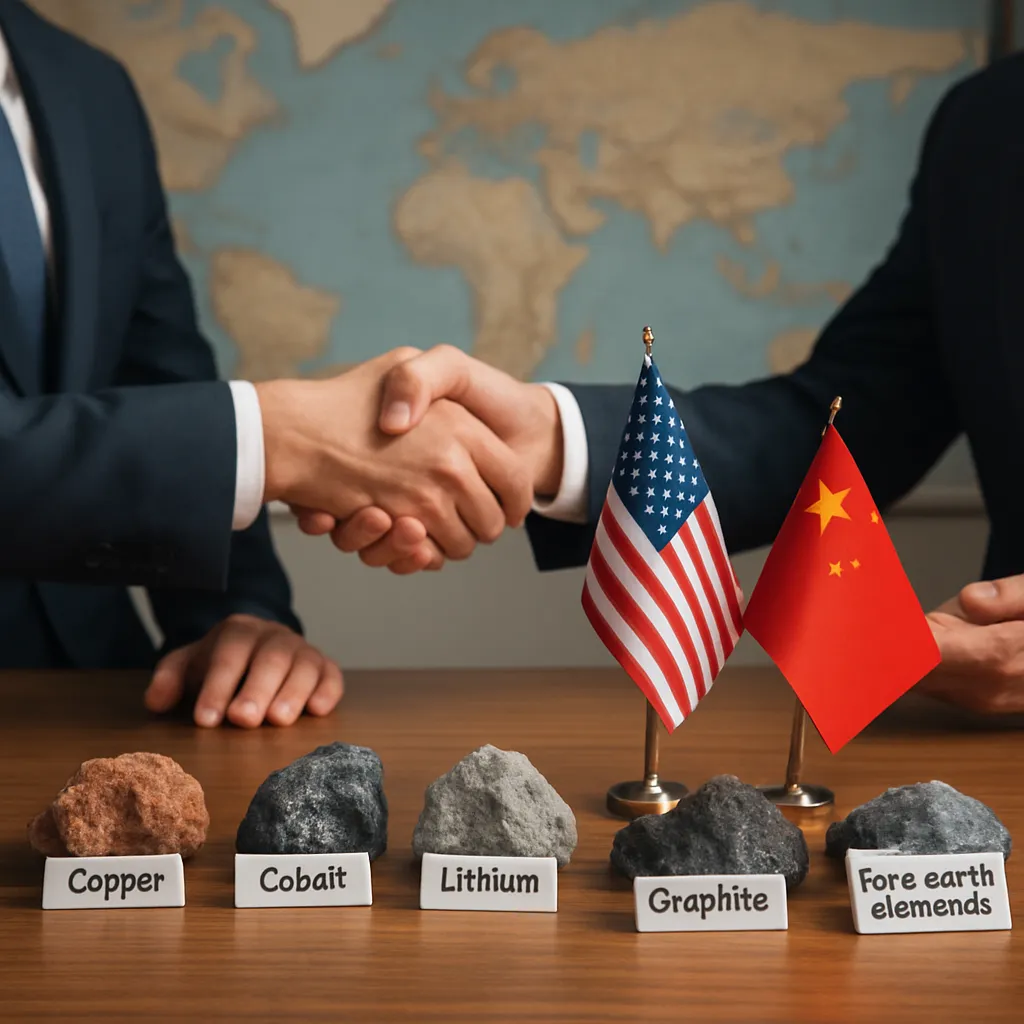
Geopolitical tensions and export controls can quickly ripple through vanadium markets, echoing past disruptions in rare earth supply. To mitigate risk, stakeholders pursue diversified sourcing strategies, including:
- Investing in emerging mining projects in Brazil and Australia.
- Expanding recycling programs to recapture vanadium from retired catalysts and spent batteries.
- Forming strategic partnerships between mining firms and end-users to secure long-term offtake agreements.
Policy support also plays a pivotal role. Governments in the European Union and the United States are considering critical material incentives, tax credits, and domestic processing facilities to strengthen resilience against potential supply shocks.
Broader Applications Beyond Batteries
While energy storage drives much of the current excitement, vanadium’s versatility extends to multiple high-tech and industrial uses. A few notable applications include:
- High-Strength Alloys: Vanadium is alloyed with steel and titanium to produce components for aerospace, automotive, and construction sectors, where weight reduction and mechanical performance are critical.
- Catalysts: Vanadium oxides serve as catalysts in chemical reactions, such as sulfuric acid production and selective oxidation of hydrocarbons.
- Advanced Ceramics: Nanostructured vanadium compounds enhance the thermal stability and electrical conductivity of ceramic materials.
As industries pursue **lightweight**, high-performance materials, vanadium’s demand could rise substantially. Its ability to impart strength without compromising toughness makes it a valuable alloying element for next-generation transportation and infrastructure projects.
Investment and Innovation Landscape
Investors are increasingly eyeing vanadium juniors, technology startups, and established mining companies that are expanding production capacity. Key trends shaping the investment landscape include:
- Vertical Integration: Battery manufacturers acquiring mining assets to ensure consistent vanadium supply and price stability.
- Recycling Initiatives: Firms developing closed-loop systems to reclaim vanadium from end-of-life batteries and industrial catalysts.
- R&D Funding: Public and private grants supporting research into advanced electrode materials and optimized flow battery architectures.
These initiatives aim to drive down the **cost** per kilowatt-hour and accelerate the commercialization of flow battery projects. Pilots in Australia, Europe, and North America are demonstrating grid services, demand response capabilities, and peaking capacity deployments that rival traditional gas turbines in both performance and environmental footprints.
Vision for a Vanadium-Powered Future
Transitioning to low-carbon energy systems requires robust, flexible, and sustainable storage solutions. Vanadium redox flow batteries and related technologies offer a pathway to achieve decarbonization goals while stabilizing the grid against the variability of **renewables**. With its growing foothold in critical industrial sectors and increasing **investment** momentum, vanadium is poised to emerge as more than a niche resource—it could become the next cornerstone metal in the global transition to a clean energy economy.