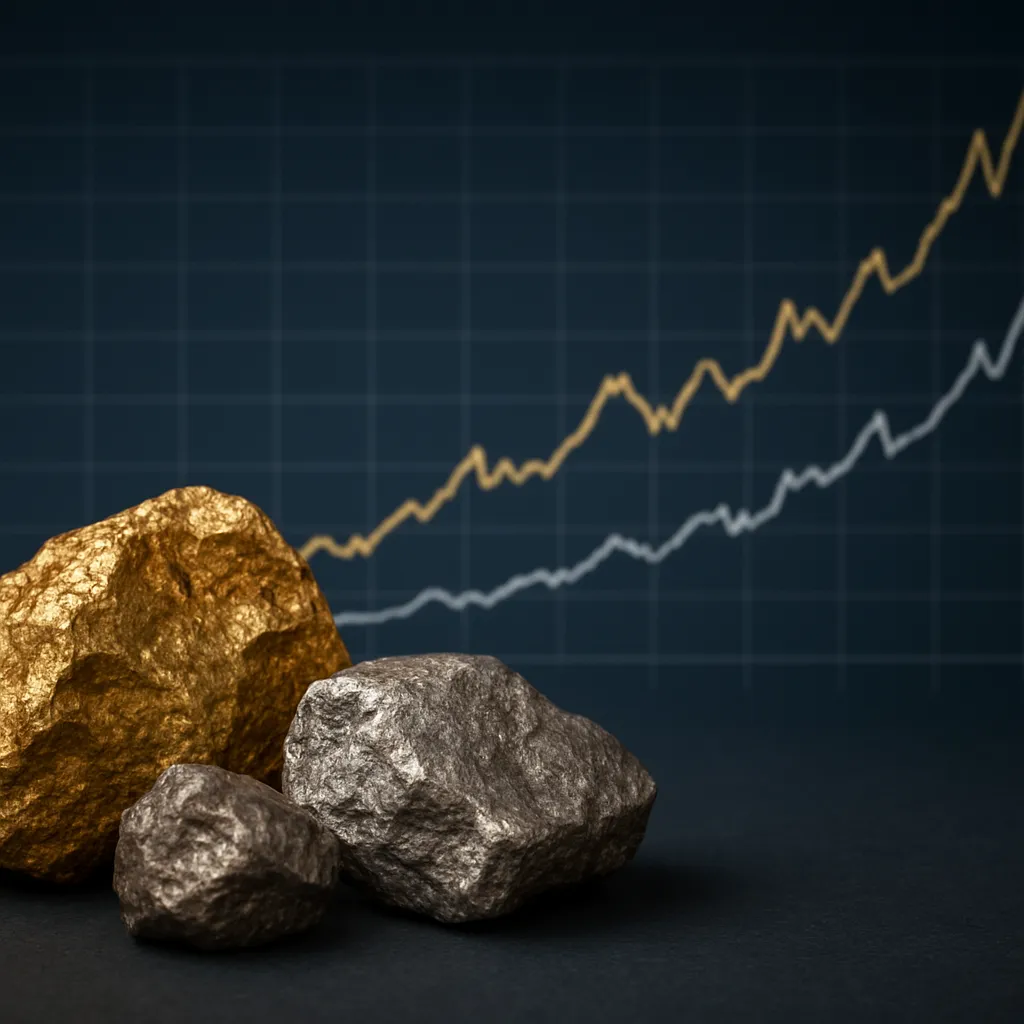
The global quest for critical metals has entered a transformative era, driven by the urgent needs of high-tech industries, defense systems, and the renewable energy transition. As governments and corporations scramble to secure reliable access to minerals vital for batteries, electronics, and advanced manufacturing, new patterns of cooperation are emerging. These evolving partnerships are not only redefining traditional trade routes but also reshaping the very nature of international commerce in the 21st century.
Global Demand and the Anatomy of Rare Metal Supply Chains
Resource Concentration and Market Vulnerabilities
Many of the world’s most sought-after elements—lithium, cobalt, nickel, and the suite of rare earths—are geographically concentrated in a handful of countries. This uneven distribution creates acute pressure points within global supply chains. For instance, the Democratic Republic of Congo produces over 70% of the world’s cobalt, while China dominates the processing of rare-earth oxides. Such concentration leads to supply disruptions, price spikes, and strategic anxiety among end-user nations.
Role of Emerging Market Producers
In response to these vulnerabilities, rising producers in South America, Africa, and Southeast Asia are investing heavily in extraction capacity. Lithium brine projects in Argentina’s ‘Lithium Triangle’ and nickel mines in Indonesia strive to diversify the global resource mix. This decentralization aims to reduce dependence on single suppliers, boosting overall resilience and offering end-users alternative sources to hedge against geopolitical risks.
Strategic Alliances and Geopolitical Impacts
Formation of Bilateral and Multilateral Pacts
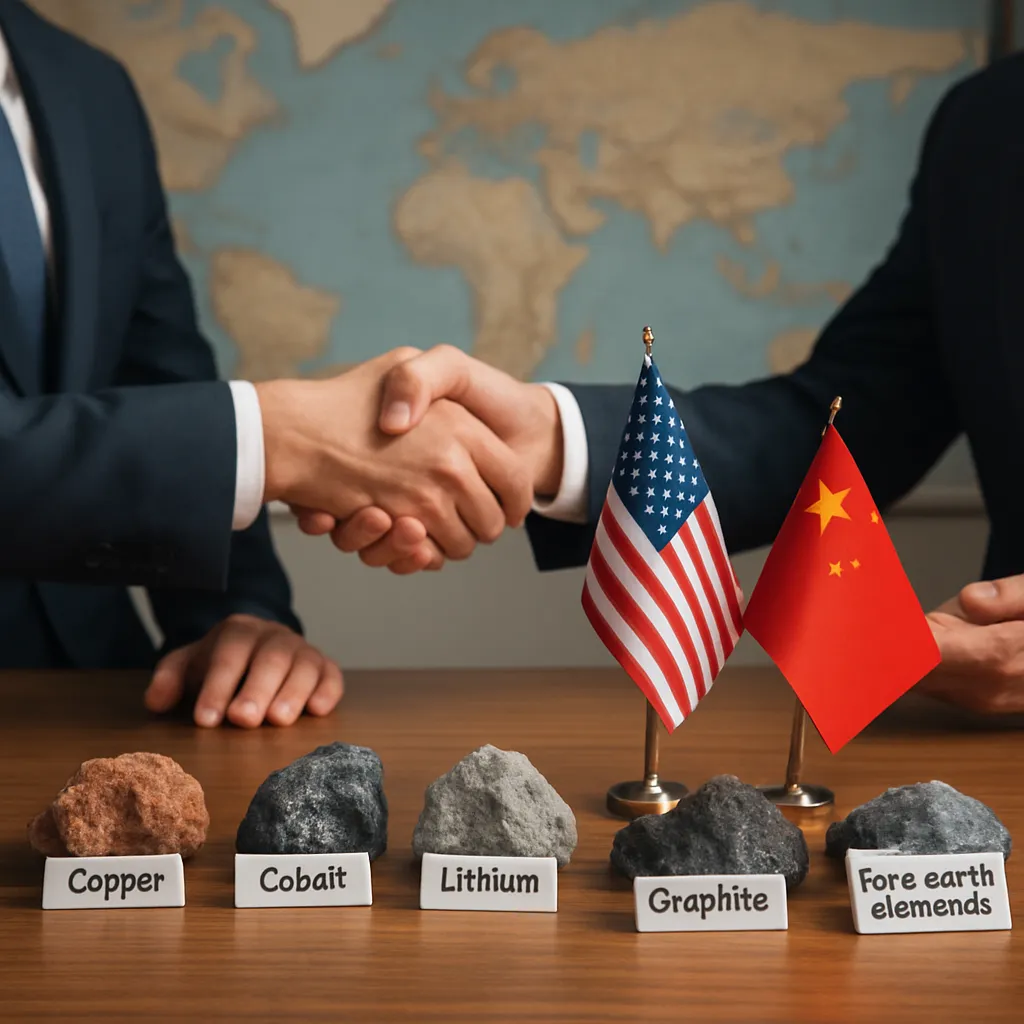
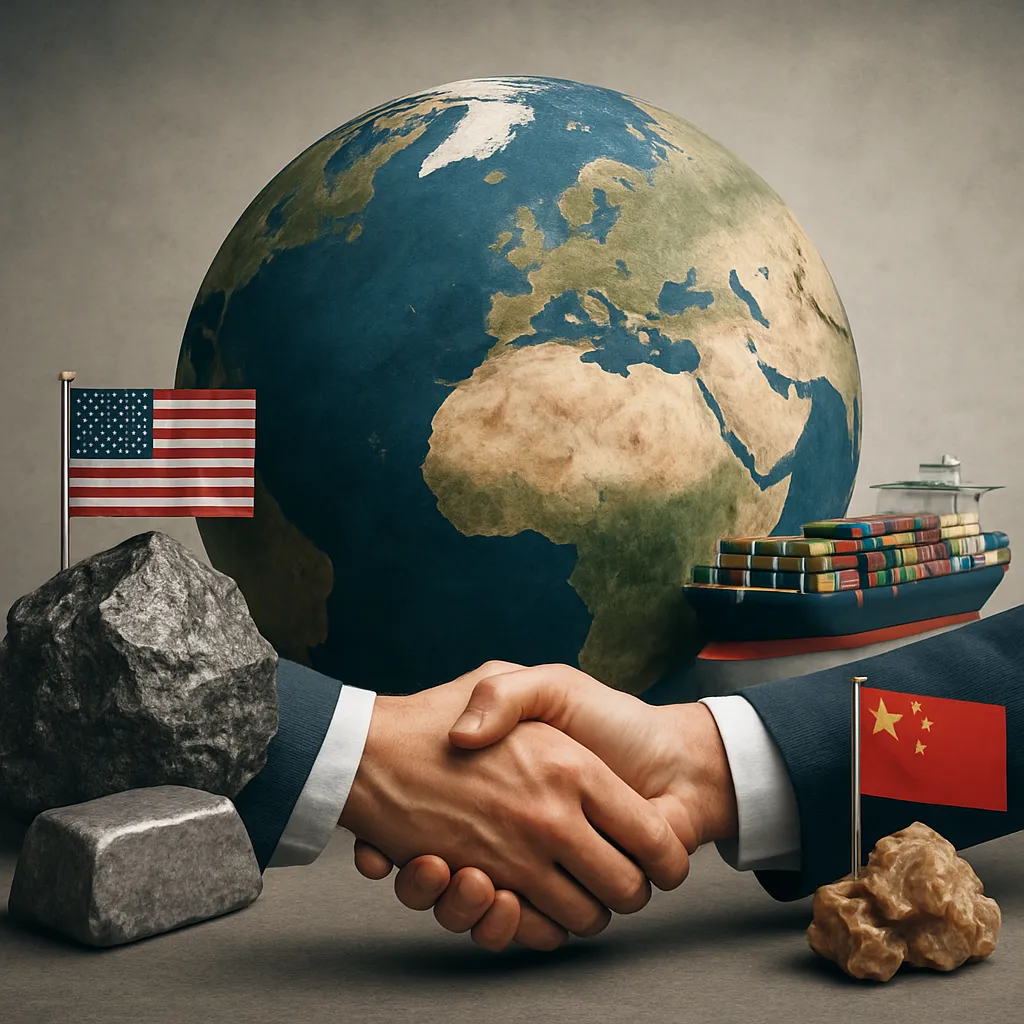
National governments have recognized that securing critical metals cannot rely solely on market forces. As a result, they are forging alliances that span continents. The European Union’s Raw Materials Initiative, the U.S. Critical Minerals Strategy, and Japan’s Mineral Security Partnerships all exemplify a departure from passive procurement toward active, government-led cooperation. These frameworks often include technology exchanges, joint exploration funding, and co-development of processing facilities.
Case Studies: US-Australia and EU-Japan Collaborations
The US-Australia alliance stands out for its comprehensive approach: from geological surveys to refinery construction. Australia’s robust mining sector complements U.S. expertise in advanced metallurgy. Similarly, the EU-Japan pact emphasizes high-grade processing and battery recycling programs. By pooling technical know-how and capital resources, these pacts enhance supply chain diversification and mitigate single-point failures.
Technological Advancements and Circular Practices
Recycling and Circular Economy Solutions
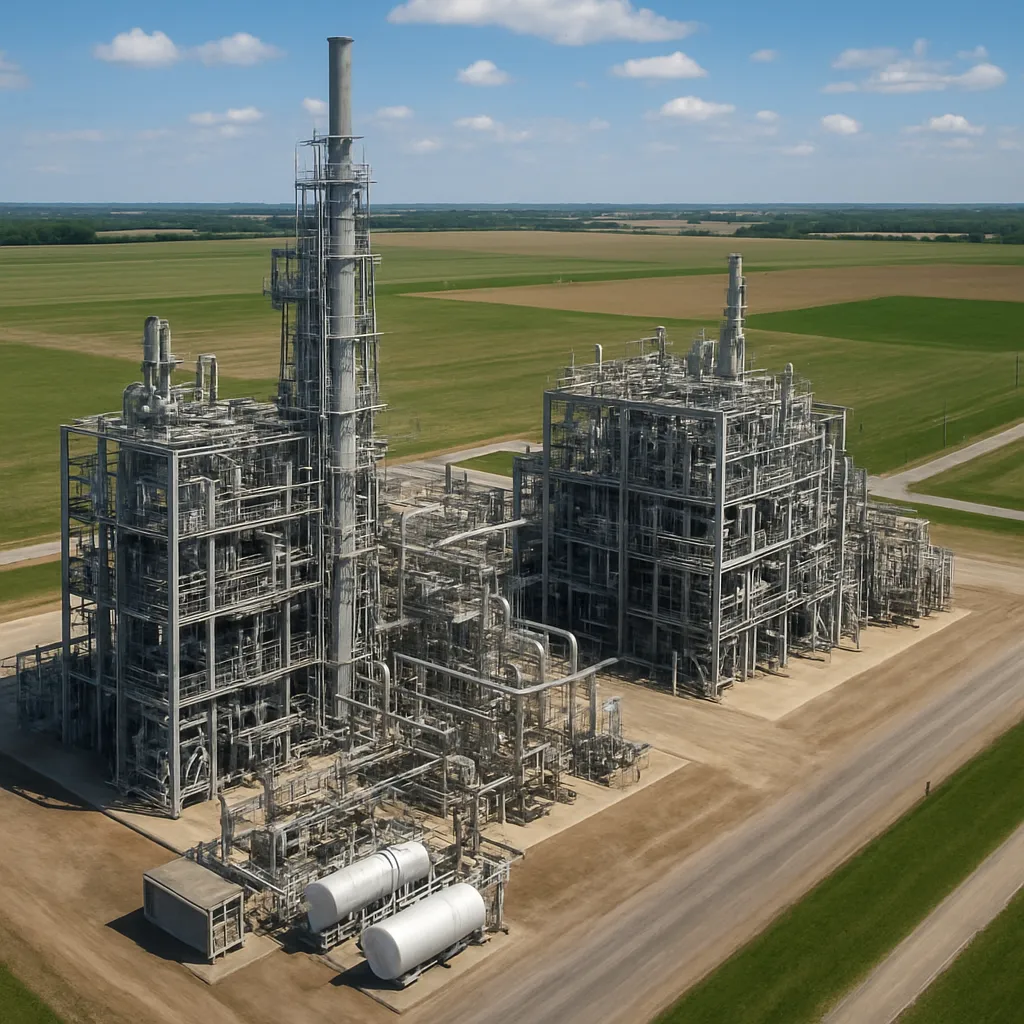
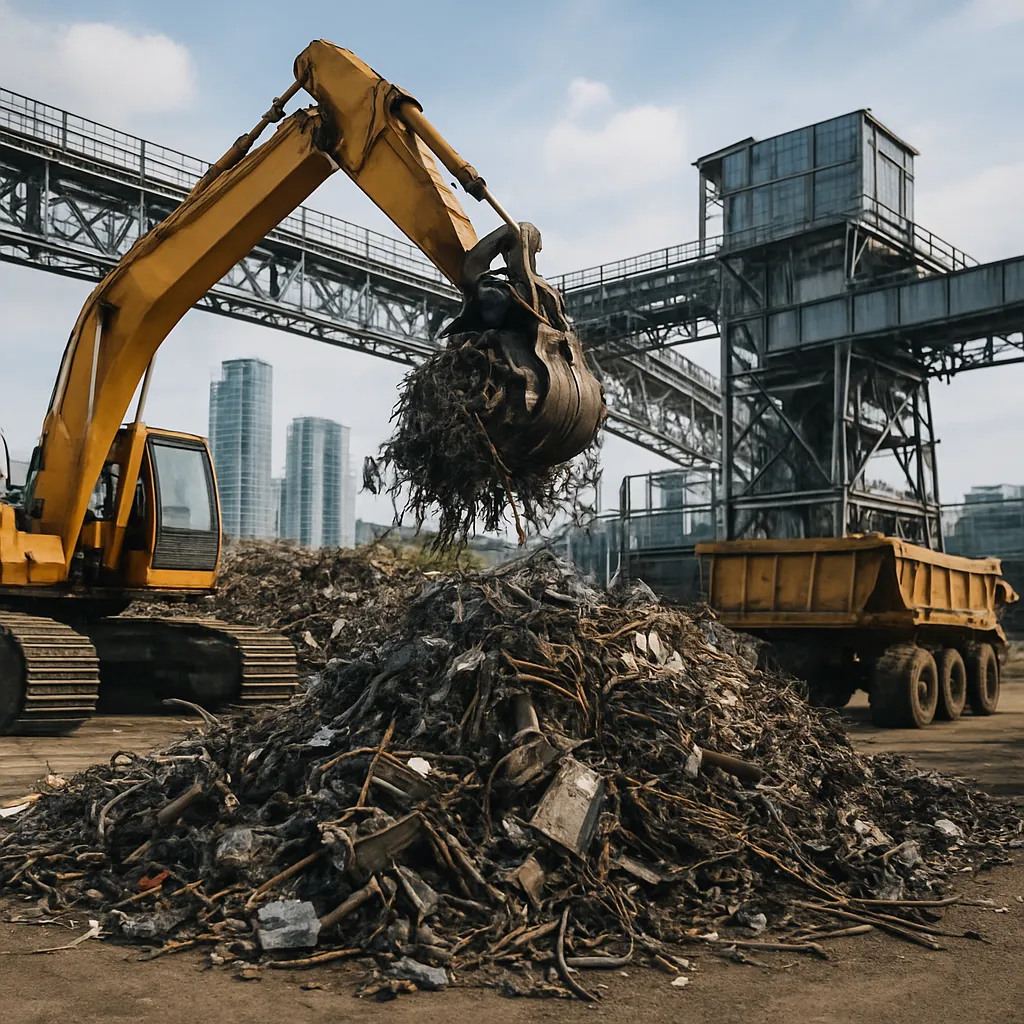
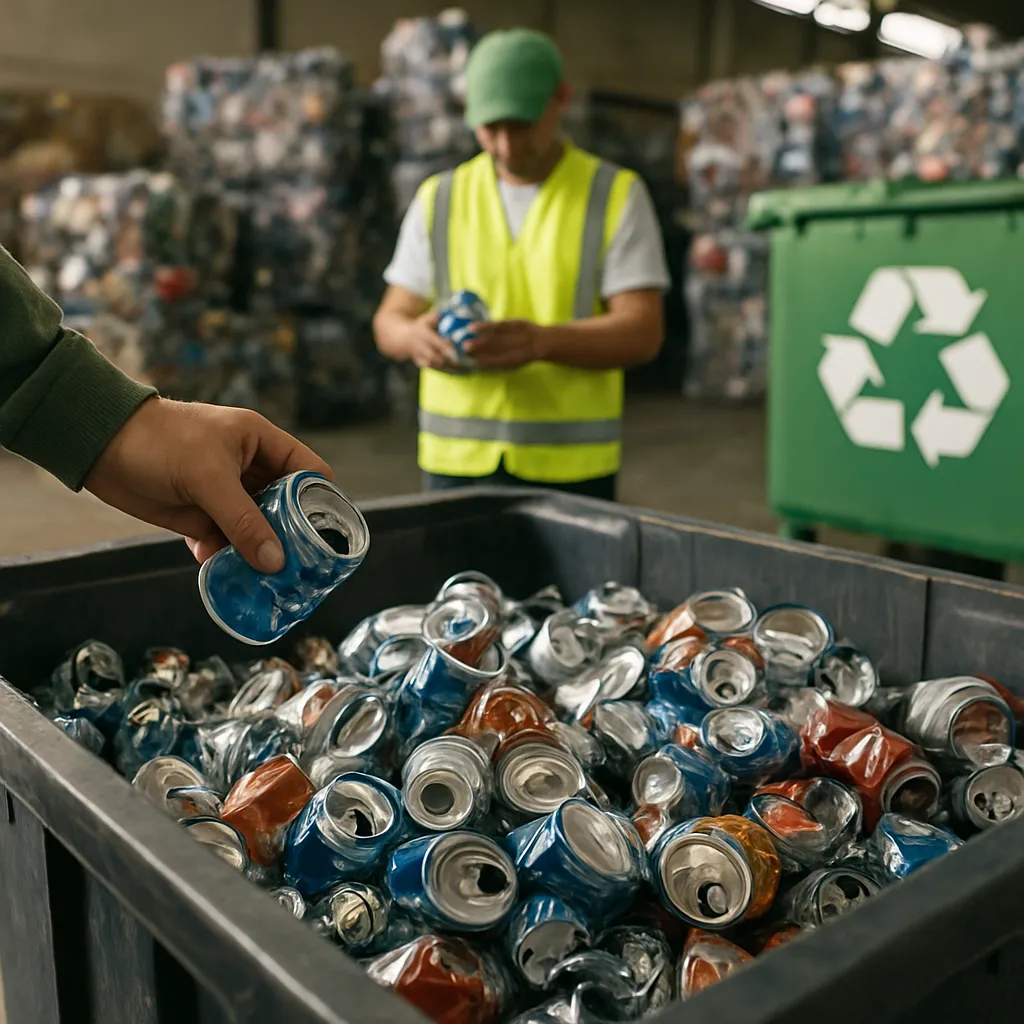
Technological innovation is pivotal to reducing primary extraction pressures. Companies worldwide are scaling up battery recycling plants to reclaim cobalt, lithium, and nickel. Urban mining initiatives recover precious metals from discarded electronics, while advanced hydrometallurgical techniques promise higher recovery rates than traditional smelting. This movement toward a sustainability-driven circular economy reduces environmental footprints and extends the life cycle of finite resources.
Alternative Material Research
Beyond recycling, research institutions are exploring substitute materials to alleviate reliance on the scarcest elements. Magnesium alloys for lightweight vehicles, cerium-based catalysts in chemical processing, and iron-based magnets are among the promising contenders. While alternatives may not fully replace all functions of a rare metal, they can lower usage volumes and diversify technological pathways.
Environmental and Ethical Dimensions
Mining Footprint and Community Rights
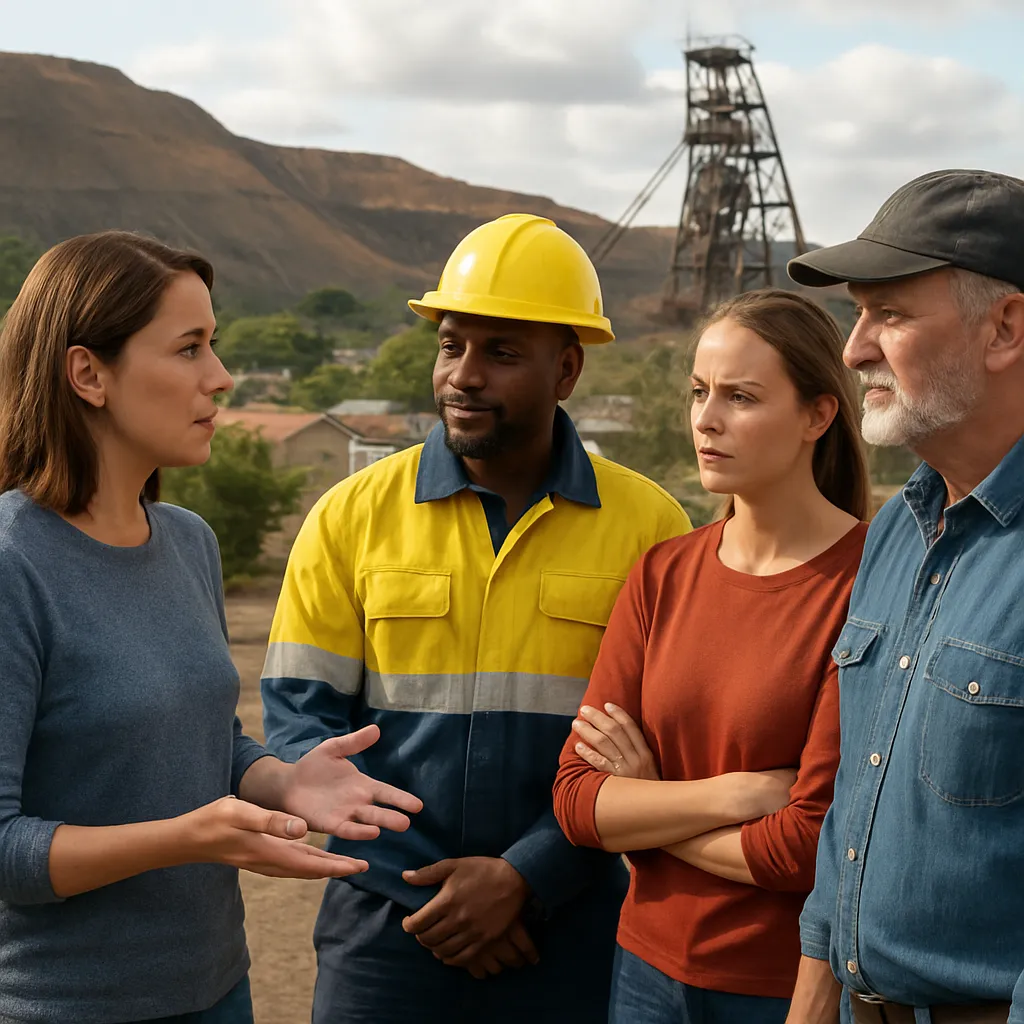
Increasing global demand for minerals often collides with local environmental and social concerns. Intensive mining can lead to deforestation, water contamination, and displacement of indigenous communities. To address these challenges, some alliances now include binding environmental standards, community-engagement protocols, and benefit-sharing agreements. Ethical sourcing certifications and third-party audits have become key instruments in ensuring projects comply with international norms.
Governance and Transparency Mechanisms
Enhanced transparency in commodity flows is crucial for building trust among stakeholders. Blockchain-based traceability platforms are being piloted to track ore from mine to smelter, guaranteeing provenance and adherence to labor standards. Public-private partnerships are funding local governance training to strengthen regulatory oversight. By shining a light on every link in the chain, these mechanisms help prevent illegal mining and human rights abuses.
Charting the Future of Critical Metal Trade
Digital Platforms and Data Sharing
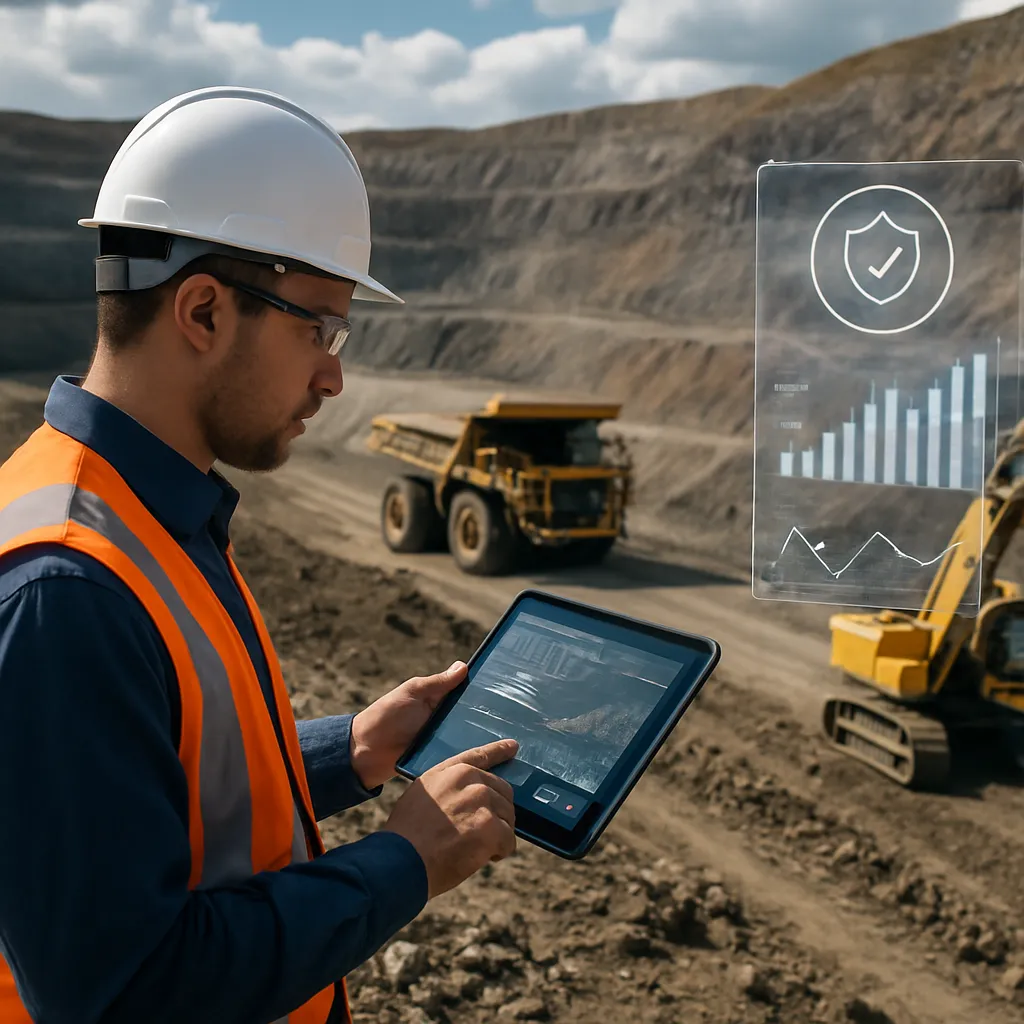
Digital transformation is revolutionizing how companies and governments manage mineral resources. Real-time data platforms integrate geological surveys, market analytics, and logistics information. Such tools enable stakeholders to forecast shortages, identify new exploration targets, and optimize shipping routes. Shared data ecosystems foster collaboration across borders, turning isolated national projects into globally coordinated efforts.
Long-Term Resilience Strategies
Looking ahead, resilience will depend on a blend of strategic stockpiles, diversified partnerships, and continuous technological progress. Regional processing hubs, anchored by joint ventures between resource-rich and tech-advanced nations, will emerge as new centers of influence. Meanwhile, research into zero-emission extraction methods and next-generation battery chemistries will further mitigate environmental impacts and enhance supply security. In this ever-evolving landscape, the convergence of resource diplomacy, cutting-edge science, and ethical stewardship promises to reshape global trade in rare and critical metals for decades to come.