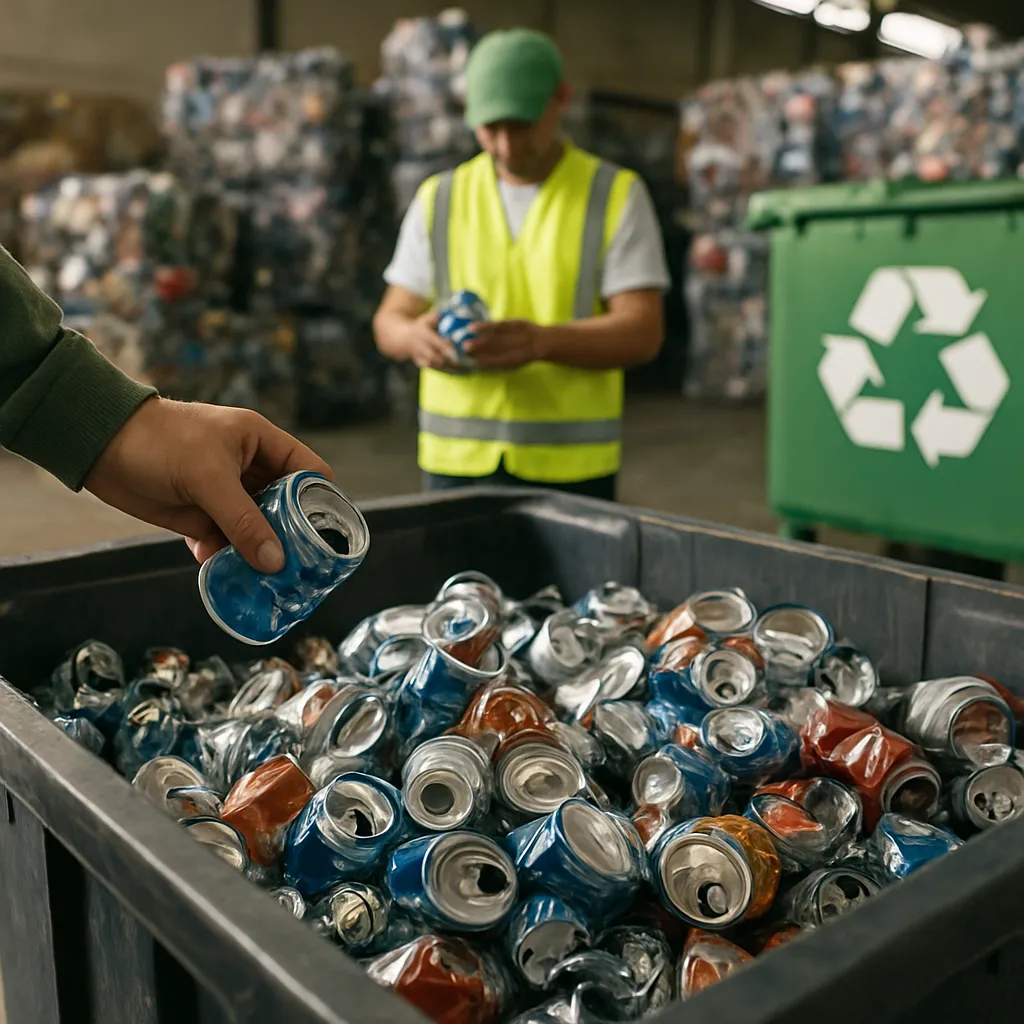
The intricate world of global rare metal trading has witnessed a paradigm shift with the growing significance of secondary markets. As the supply of critical elements such as lithium, cobalt, and neodymium tightens, stakeholders are increasingly turning their attention to avenues that exist beyond primary mining operations. This exploration reveals how secondary channels—encompassing recycling, industrial byproducts, and private exchanges—impact price movements, resource availability, and strategic decision-making for governments and corporations alike.
Market Dynamics and Liquidity in Secondary Channels
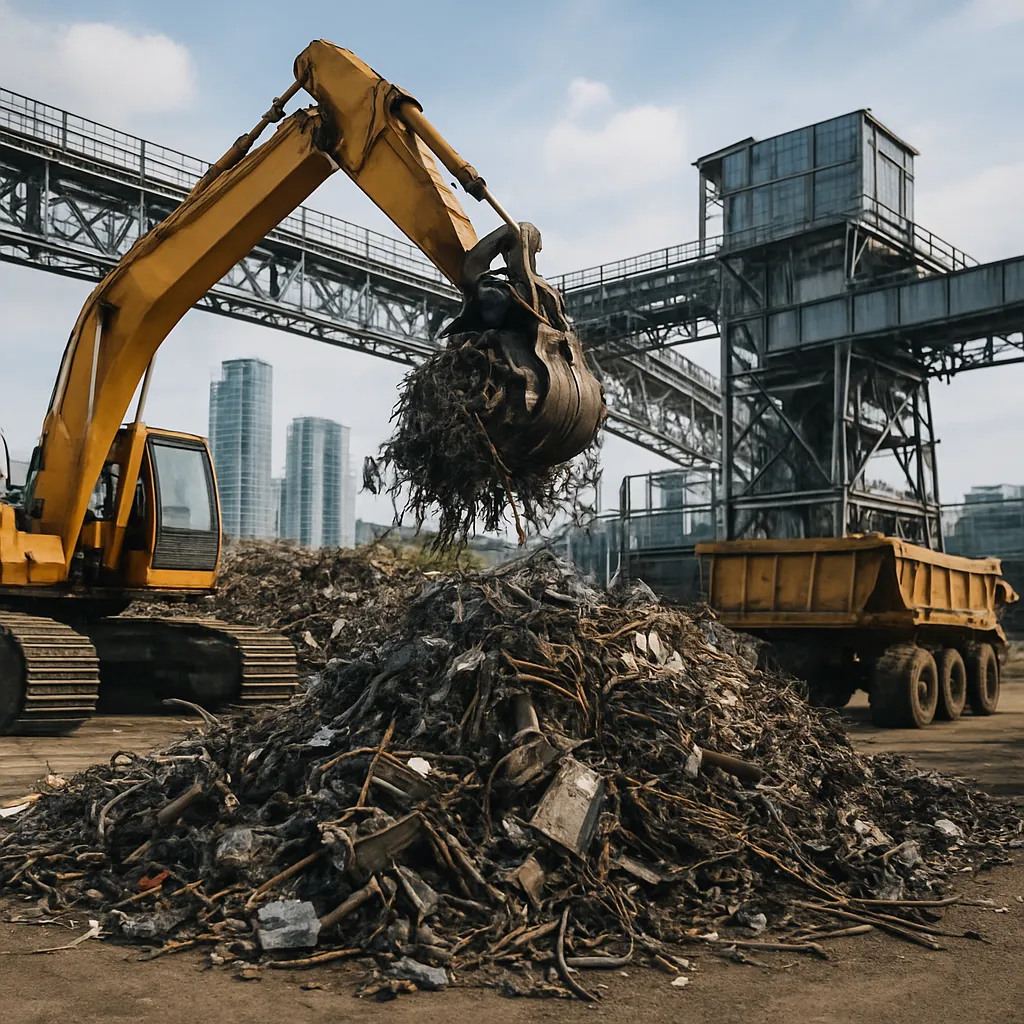
Traditional mining output once dominated the rare metal ecosystem, but evolving economic and environmental pressures have spurred development in recycling and waste-recovery processes. By tapping into end-of-life electronics, automotive scrap, and manufacturing offcuts, secondary markets offer a vital buffer against supply shocks. These markets exhibit distinct characteristics:
- Enhanced Liquidity: Diverse sources—from recycled batteries to industrial residues—create multiple entry points for traders. This diversification helps mitigate the volatility associated with single-origin disruptions.
- Price Arbitrage: Regional and global price differentials arise due to varying recycling efficiencies, energy costs, and regulatory environments, enabling savvy participants to profit through cross-border operations.
- Quality Variation: Materials recovered from secondary sources often require additional refinement to match primary-grade standards. The purity and trace-metal composition dictate final market value and processing costs.
Key Drivers of Secondary-Market Growth
- Technological improvements in separation and purification methods.
- Stricter environmental regulations reducing landfill disposal incentives.
- Investment flows into startups focusing on resource efficiency and closed-loop systems.
- Corporate sustainability commitments mandating recycled content.
Mechanisms of Price Discovery and Valuation Models
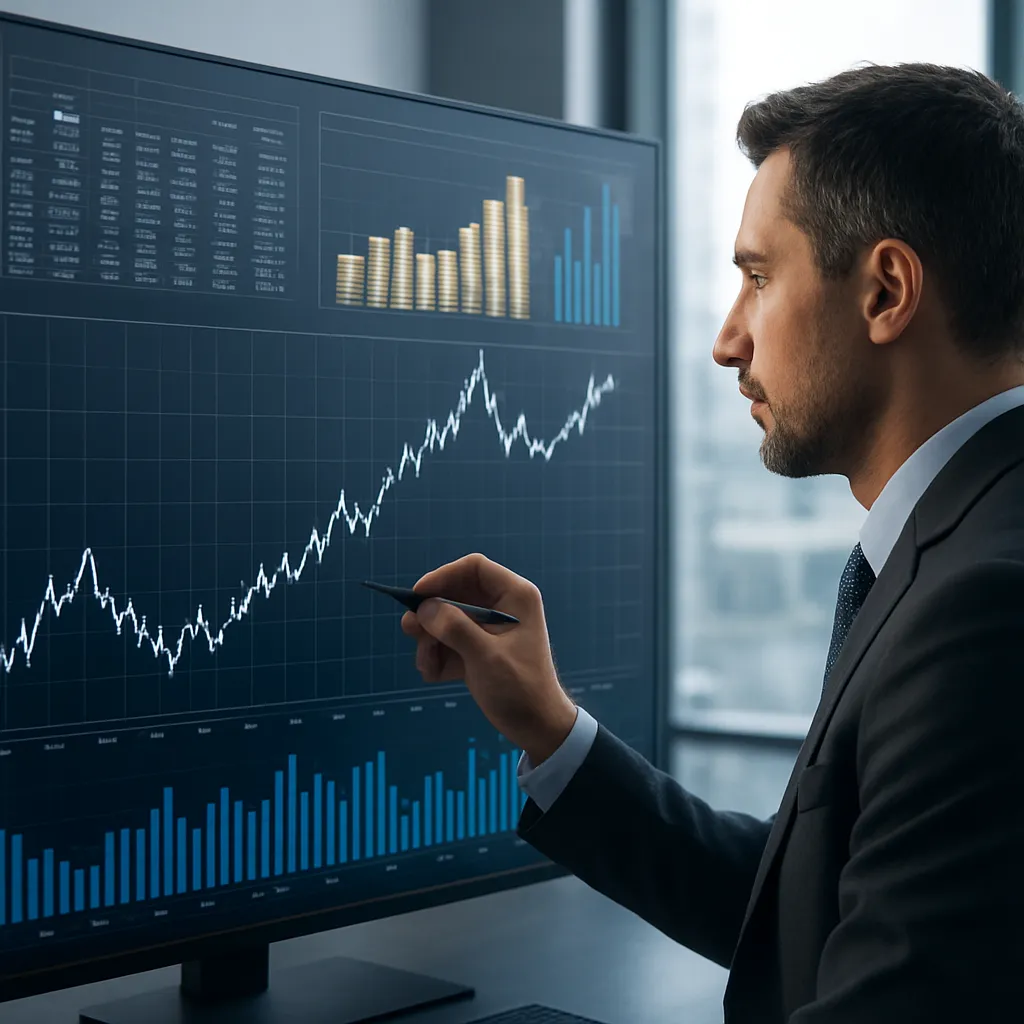
Unlike primary metal markets that rely on benchmark exchanges (e.g., London Metal Exchange), secondary channels often function through private negotiations, bilateral contracts, and online trading platforms. Achieving transparent price discovery requires advanced valuation frameworks that consider:
- Feedstock provenance: The origin of recovered materials influences perceived risk and quality.
- Processing footprints: Carbon intensity, water usage, and chemical consumption factor into sustainable valuation.
- Stockpile dynamics: Accumulation of secondary inventory during periods of low primary output can depress prices until industrial demand rebounds.
- Regulatory credits: Attributes like recycled content certificates or carbon credits enhance the value proposition for eco-conscious buyers.
Valuation Methodologies
- Cost-Plus Model: Establishes baseline price by adding margins to recycling and purification costs.
- Benchmark Hybridization: Ties a portion of the contract price to primary-market indices, with adjustments for quality and logistics.
- Scenario Analysis: Projects future price ranges based on shifts in primary supply, geopolitical tensions, and regulatory changes.
Geopolitical and Environmental Considerations
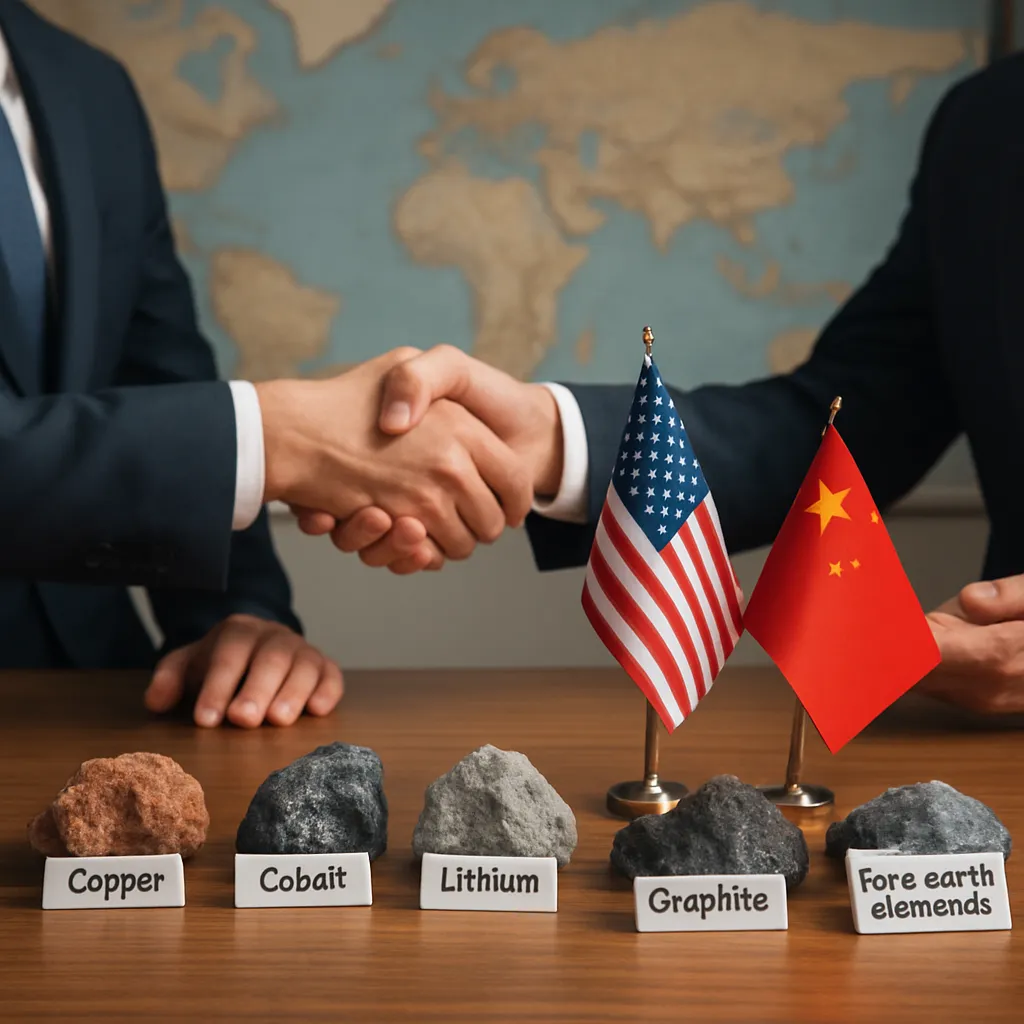
Rare metals are often concentrated in specific geographic regions, making supply chains vulnerable to political upheaval. Secondary markets introduce a degree of resilience by localizing material sources, but they also intersect with broader policy debates.
- National Security: Governments classify some rare metals as critical due to their applications in defense and advanced electronics. Secondary sources can reduce dependency on foreign producers.
- Trade Barriers: Export controls or tariffs on recovered metals may arise if nations seek to protect burgeoning domestic recycling industries.
- Sustainability Metrics: Lifecycle assessments (LCAs) of recycled versus primary metals inform policy incentives such as subsidies, tax breaks, or green procurement standards.
- Circular Economy Goals: Industrialized economies incorporate targets for recovery rates in consumer electronics legislation, fostering growth in the secondary sector.
Case Study: Lithium-Ion Battery Recycling
With the electric vehicle (EV) market surging, spent lithium-ion batteries represent a rapidly expanding secondary feedstock. Regions such as Europe and East Asia have introduced extended producer responsibility (EPR) schemes, mandating manufacturers to facilitate end-of-life recovery. As a result:
- Recycled lithium, cobalt, nickel, and manganese now supply a meaningful portion of battery-grade precursors.
- Private consortiums share data on recovery yields to standardize industry benchmarks.
- Advanced hydrometallurgical processes achieve up to 95% material retrieval, narrowing the gap with primary mining costs.
Technological Innovations Shaping Secondary Market Efficiency
Progress in analytical and processing technologies has accelerated the competitiveness of secondary materials. Key breakthroughs include:
- Sensor-based Sorting: Real-time identification of metal alloys in shredded electronic waste reduces cross-contamination.
- Biometallurgy: Use of microorganisms to leach metals offers a low-energy alternative to conventional smelting.
- Modular Refining Units: Compact, scalable systems enable localized processing, cutting transportation emissions and costs.
Digital Platforms and Traceability
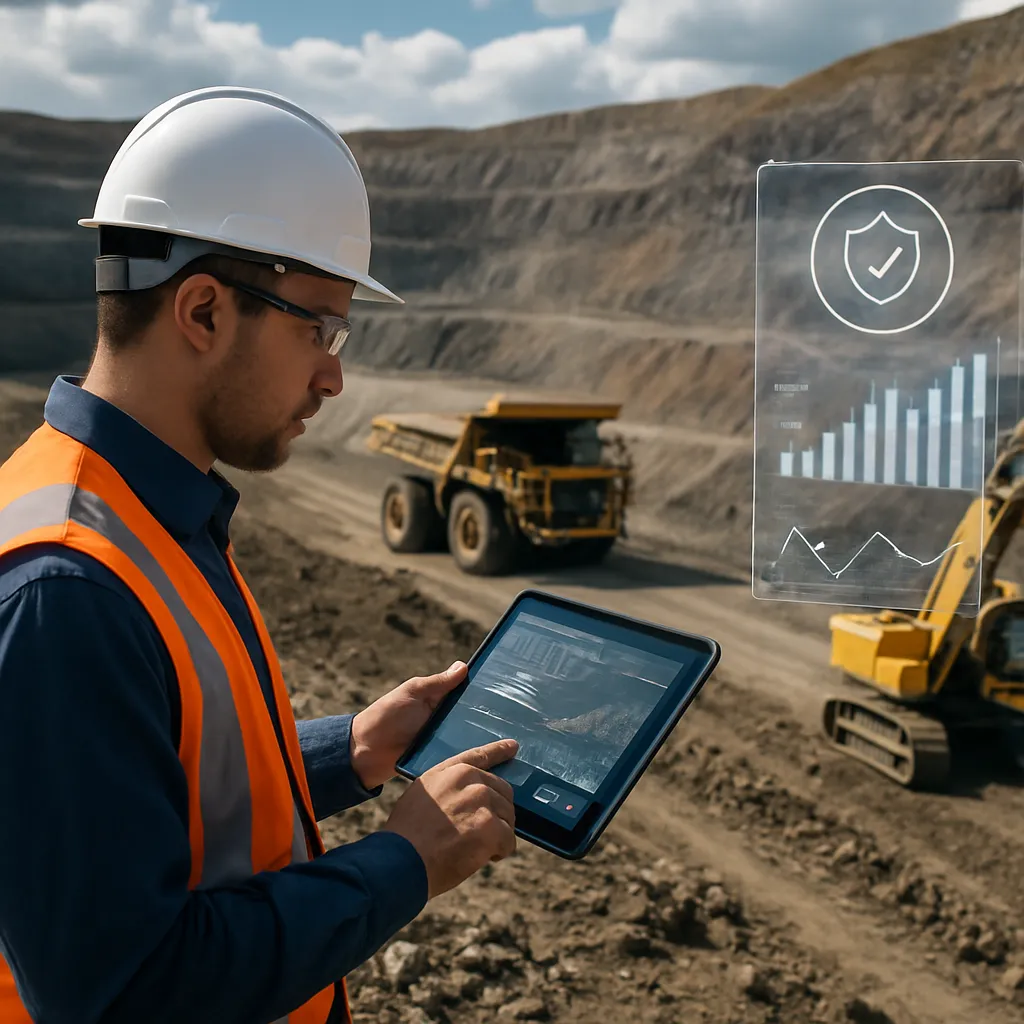
Blockchain and Internet-of-Things (IoT) solutions are being deployed to certify the chain of custody for recovered metals. This ensures that customers pay a premium for verifiable sustainable sourcing and regulatory compliance.
- Distributed ledgers record each stage of the recycling journey.
- Smart contracts automate payments upon attainment of predefined purity thresholds.
- Machine-learning algorithms predict material flows, optimizing inventory levels and minimizing idle capacity.
Investment Trends and Future Outlook
As awareness of finite primary supplies intensifies, financial institutions and strategic investors have begun channeling capital into secondary market ventures. Observed patterns include:
- Venture funding for startups pioneering closed-loop manufacturing in electronics and automotive sectors.
- Infrastructure funds backing large-scale recycling facilities with integrated refinery capabilities.
- Sovereign wealth interests stockpiling recycled rare metals to bolster national reserves.
Looking forward, the synergy between primary and secondary markets promises to redefine the rare metal landscape. Collaboration among miners, refiners, technology providers, and governments will be crucial to unlocking sustainable growth. As innovation drives down recovery costs and regulatory frameworks incentivize circularity, secondary channels are poised to become a mainstream pillar of global resource security.