The pursuit of a decarbonization pathway has intensified the global race for rare metals essential to renewable energy, electric mobility, and digitalization. As demand surges, metal-intensive industries face pressure to reconcile production growth with environmental stewardship and geopolitical stability. This article examines the evolving landscape of supply chains, technological breakthroughs in extraction and processing, and strategies to embed a circular economy within the rare metals sector.
1. Demographic Shifts and Emerging Demand for Critical Minerals
Global electrification and urbanization trends are reshaping consumption patterns for metals like lithium, cobalt, and nickel. Electric vehicles (EVs) and stationary energy storage demand high-purity lithium compounds and cobalt-based cathodes. Wind turbines and solar photovoltaic systems rely on rare earth elements such as neodymium and dysprosium to optimize generator efficiency and magnet performance.
1.1 Electric Mobility as a Growth Driver
- Battery chemistry: Advances in lithium-ion technology increase energy density, but also amplify demand for lithium, cobalt, and manganese.
- EV adoption: Forecasts suggest over 40 million EVs on roads by 2030, intensifying competition for battery-grade metals.
- Infrastructure build-out: Charging networks and grid upgrades impose further strain on copper and aluminum supplies.
1.2 Clean Power Generation and Rare Earths
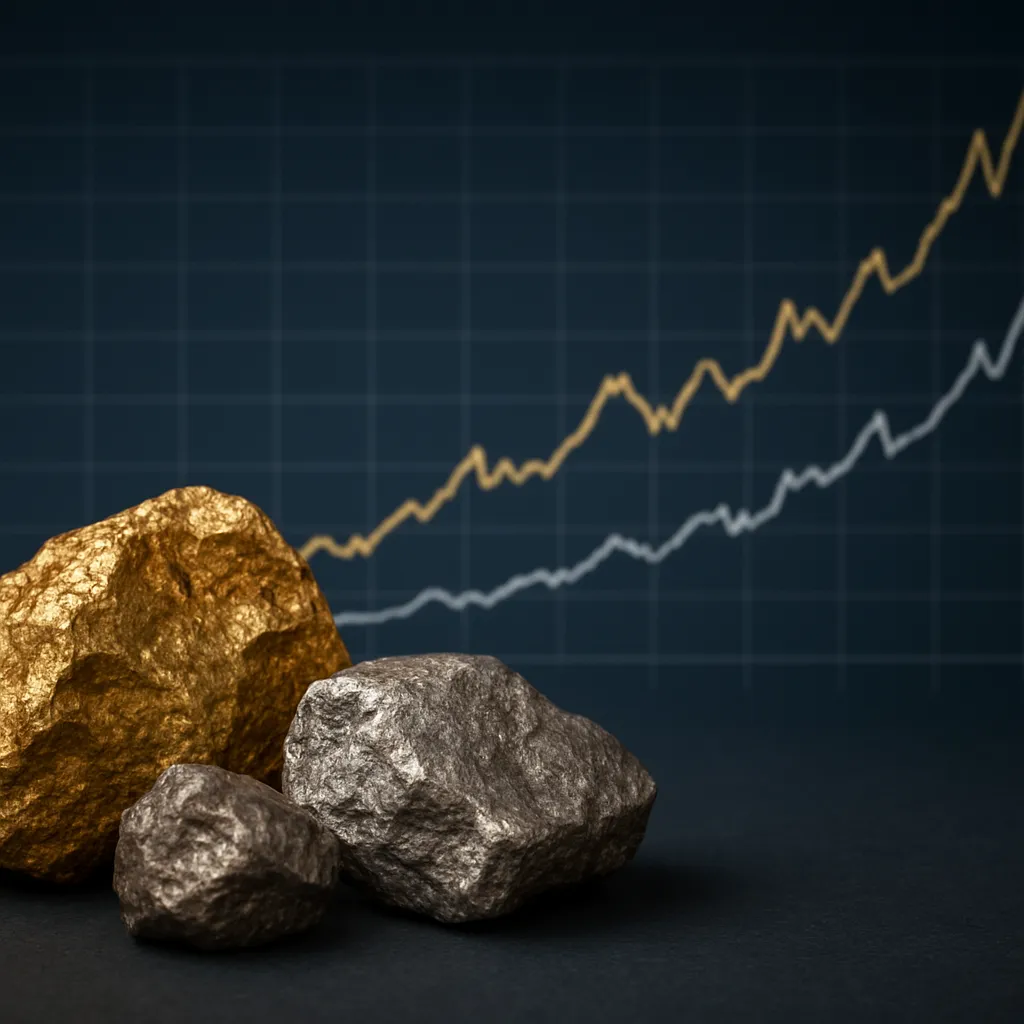
Permanent magnets used in direct-drive wind turbines achieve higher torque-to-weight ratios, yet depend heavily on neodymium-praseodymium alloys. Solar panel manufacturing also consumes silver and indium. Coupled with policy incentives—like tax credits for renewables—this has created unprecedented upward pressure on metal prices and strategic stockpiling initiatives by various governments.
2. Technological Innovations in Extraction and Processing
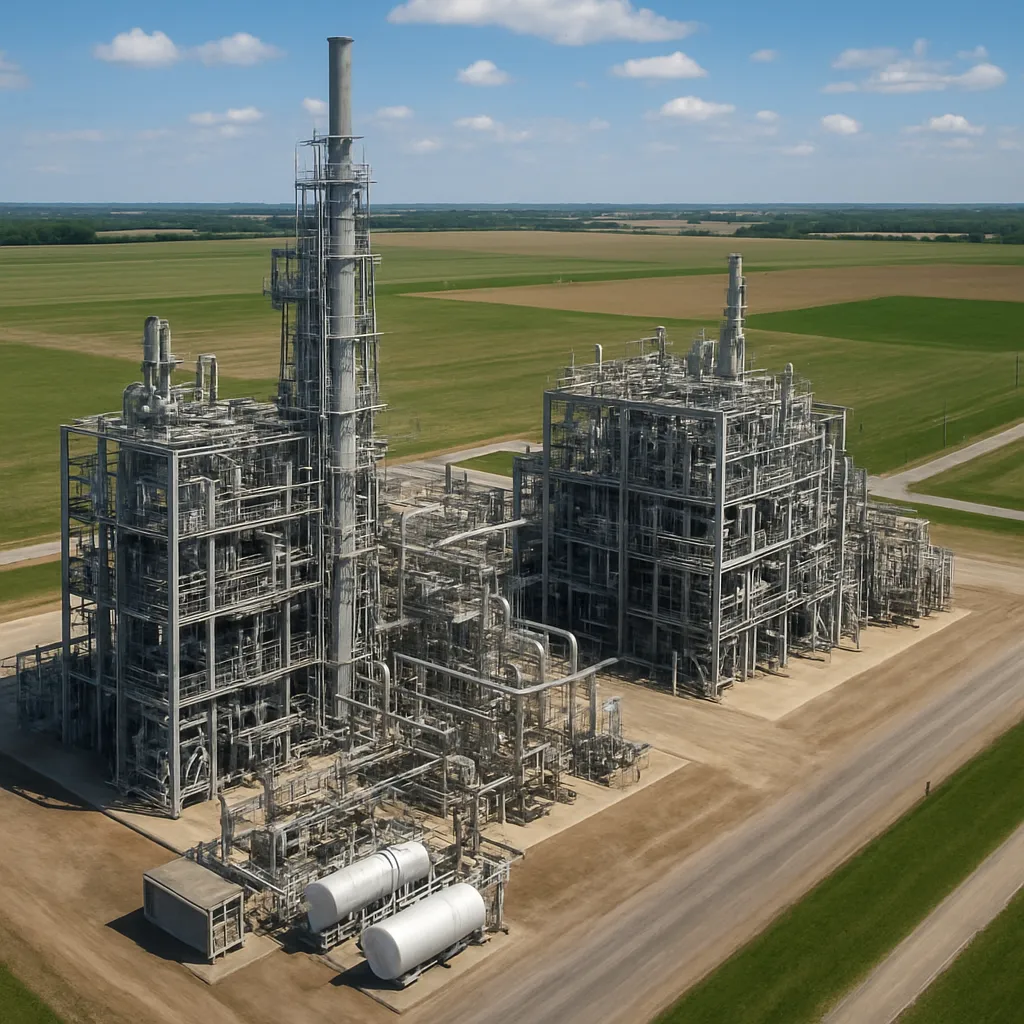
To mitigate costs and reduce the environmental footprint, firms are investing in next-generation technologies that enhance yield and minimize waste.
2.1 Direct Lithium Extraction (DLE)
DLE leverages ion-exchange membranes, selective sorbents, or solvent extraction to recover lithium from brines more efficiently than traditional evaporation ponds, cutting processing times from 18 months to mere days. This approach reduces land use and water consumption in arid regions, offering a more sustainable alternative.
2.2 Advanced Hydrometallurgy and Bioleaching
Hydrometallurgical processes utilize acid or alkaline solutions to dissolve target metals from ores, enabling lower-temperature operations and reduced greenhouse gas emissions compared to conventional pyrometallurgy. Meanwhile, bioleaching employs specialized bacteria to extract copper and cobalt from low-grade tailings, turning waste into a valuable feedstock.
2.3 Digitalization and Automation
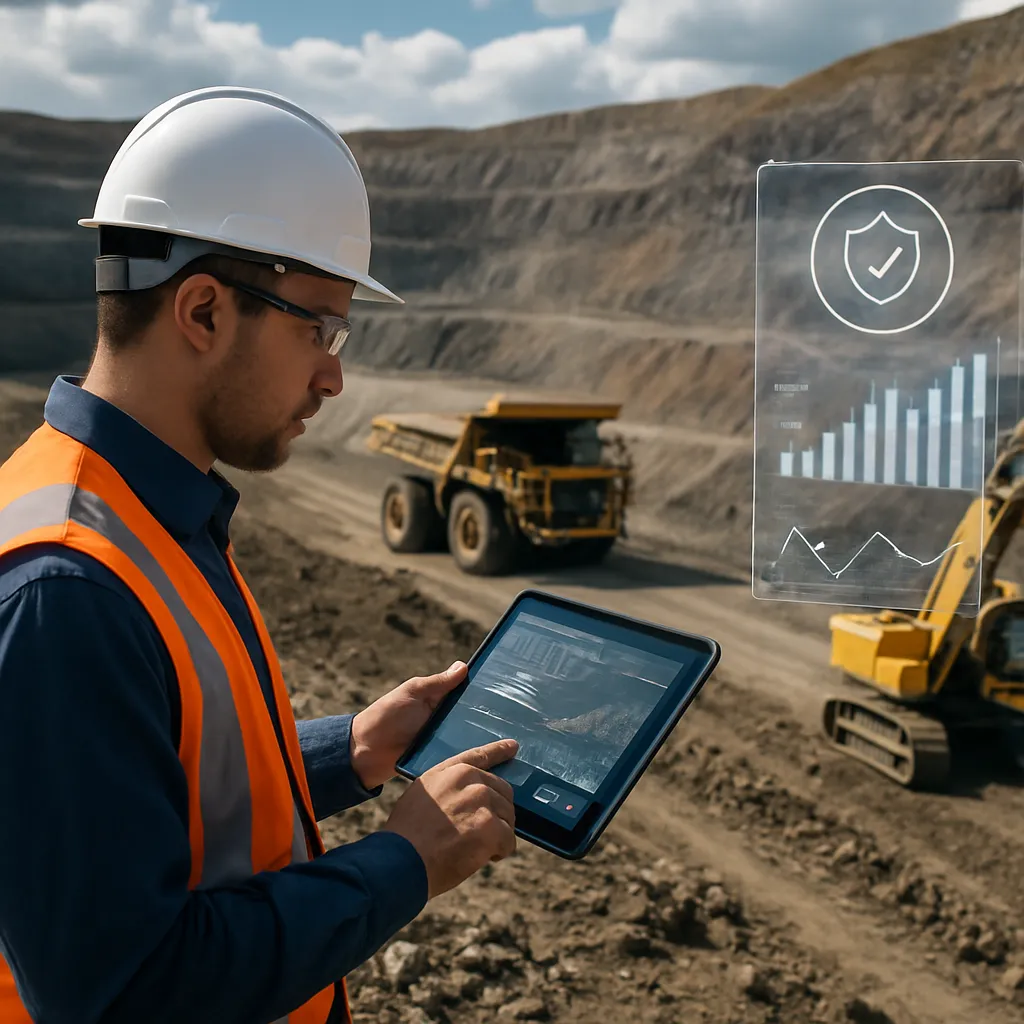
Industrial digital twins, enabled by sensors and AI analytics, optimize mine planning and metallurgical circuits in real time. Predictive maintenance lowers downtime, and automated drilling rigs improve safety while reducing fuel consumption. These innovations enhance resource recovery rates and cut operational carbon footprints.
3. Geopolitical Dynamics and Supply Chain Resilience
The concentration of critical mineral reserves and processing capacity in specific countries poses risks to global industry stability. A diverse, transparent supply chain is vital for ensuring uninterrupted access to essential inputs.
3.1 Resource Nationalism and Trade Tensions
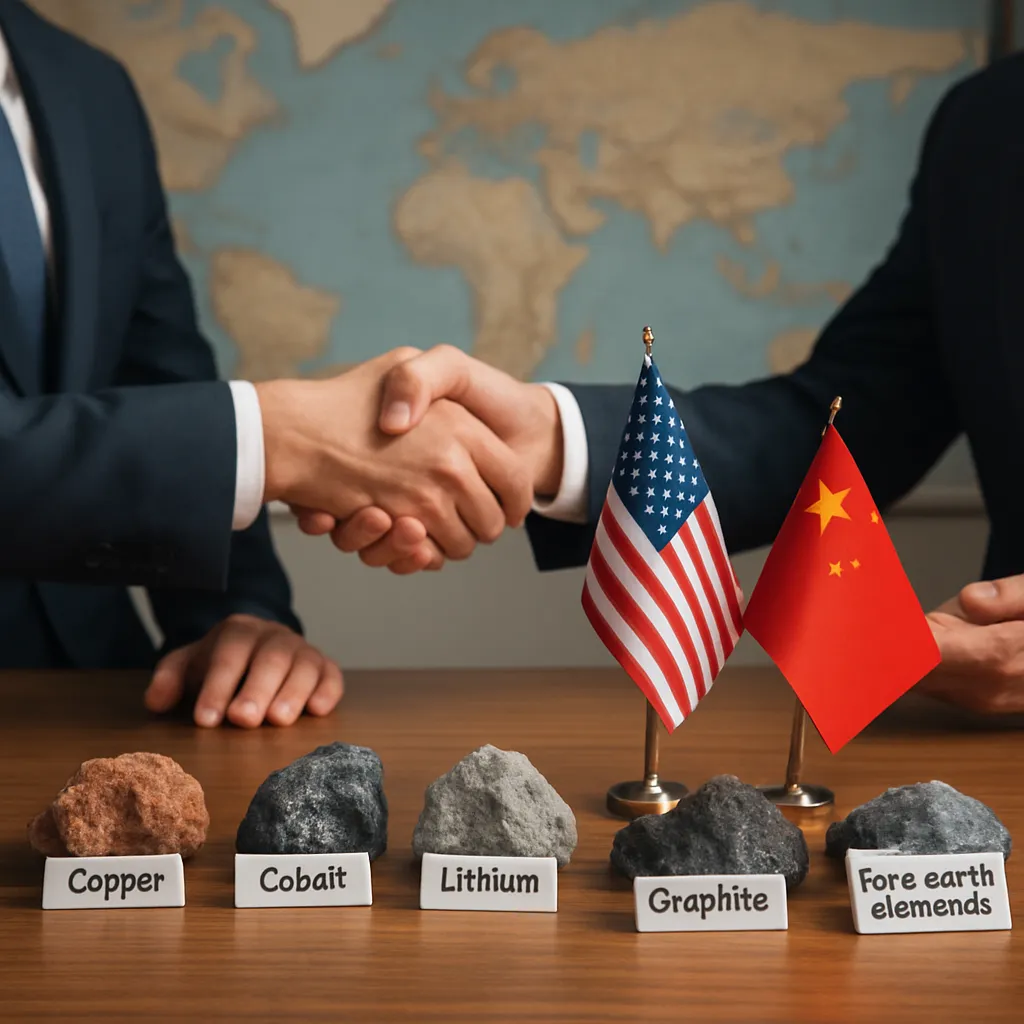
- China’s dominance: Controls over 70% of global rare earth oxide production and a leading share of battery precursor refinement.
- Export restrictions: Periodic curbs on certain metals can trigger price volatility and prompt competing nations to stockpile strategic reserves.
- Diplomatic leverage: Mineral-rich states may use resource exports as a tool for geopolitical influence.
3.2 Diversification of Supply Sources
Efforts to reduce reliance on a single region include:
- Development of new lithium brine projects in South America’s “Lithium Triangle.”
- Reopening of nickel and cobalt mines in Australia and Canada, leveraging robust environmental regulations.
- Exploration of deep-sea nodules and polar deposits, albeit accompanied by ecological concerns.
3.3 Strategic Stockpiling and Industrial Alliances
Collaborations among governments and private sectors—such as joint financing for mining ventures—can hedge against supply disruptions. National stockpiles of rare metals, structured similarly to petroleum reserves, are being considered by advanced economies to stabilize markets during crises.
4. Advancing a Circular Economy for Rare Metals
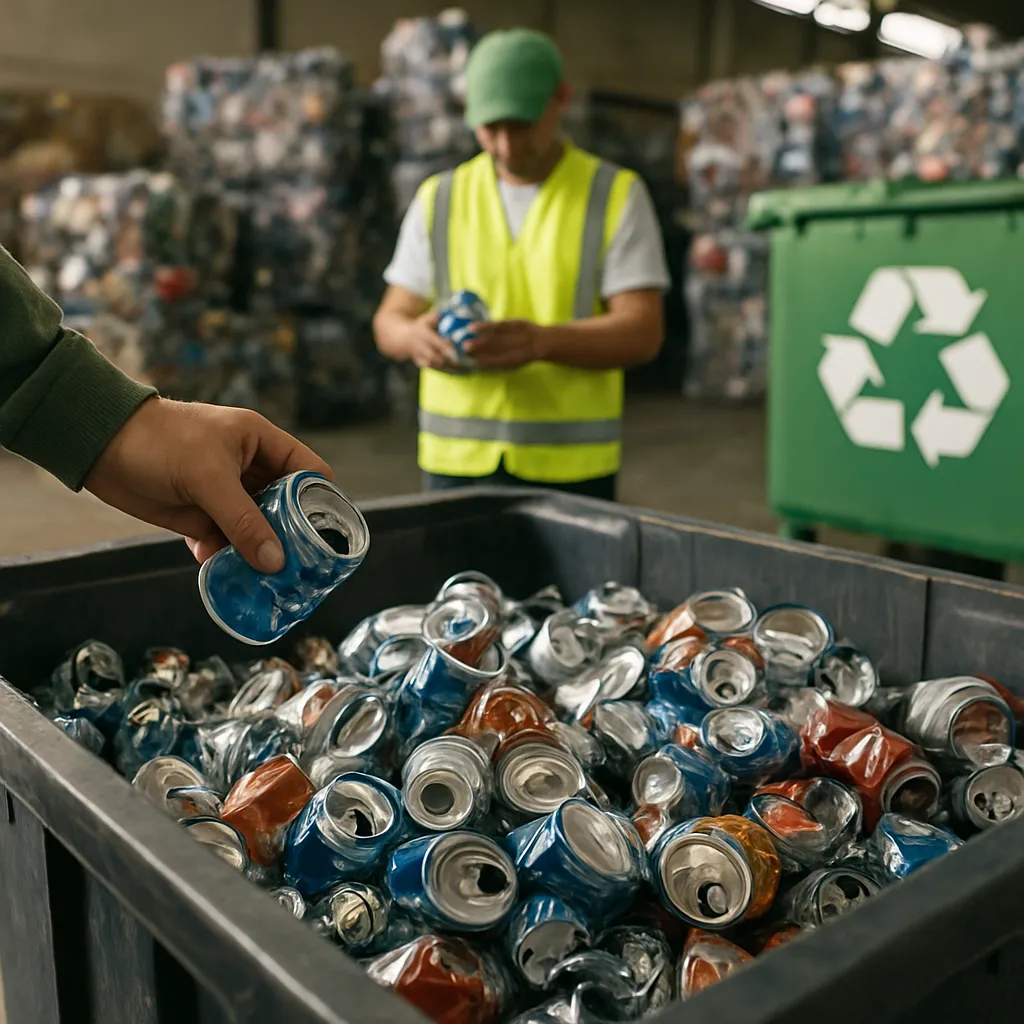
Recycling and reuse play a pivotal role in closing material loops, lowering dependency on primary extraction, and reducing lifecycle emissions.
4.1 Electronic Waste Recycling
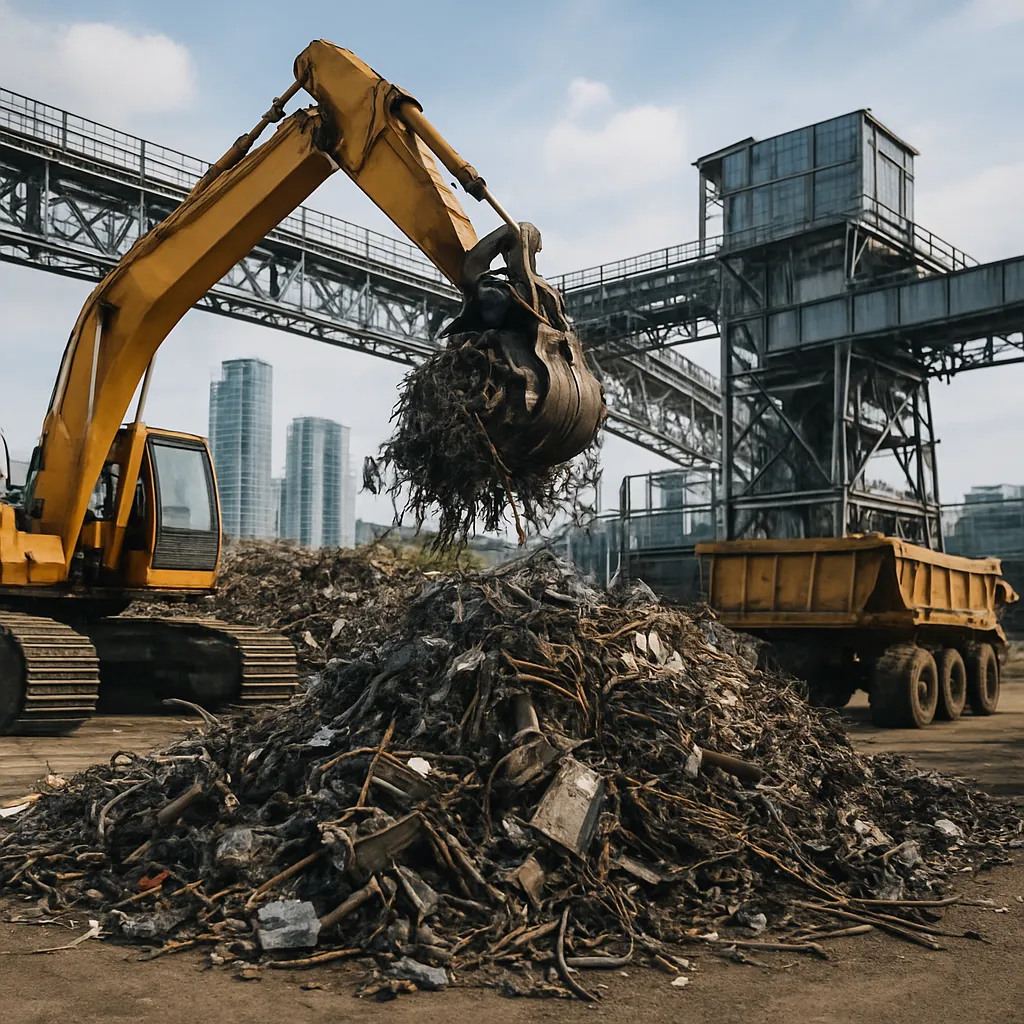
End-of-life consumer electronics represent a rich repository of copper, gold, palladium, and rare earth magnets. Efficient collection networks and refined separation technologies, such as robotic disassembly and AI-driven sorting, improve material recovery rates and generate valuable feedstocks for new manufacturing.
4.2 Battery Second-Life Applications
Degraded EV batteries that no longer meet automotive performance thresholds can be repurposed for stationary energy storage, leveraging their remaining capacity to stabilize power grids or support renewable integration. This innovation delays recycling and extracts additional value from battery packs.
4.3 Closed-Loop Manufacturing
- Automakers and electronics firms partner with recyclers to reclaim scrap and incorporate recycled metals into new products.
- Design for disassembly principles ensure future recoverability of components.
- Material passports track composition throughout the lifecycle, facilitating efficient end-of-life processing.
5. Environmental and Social Considerations
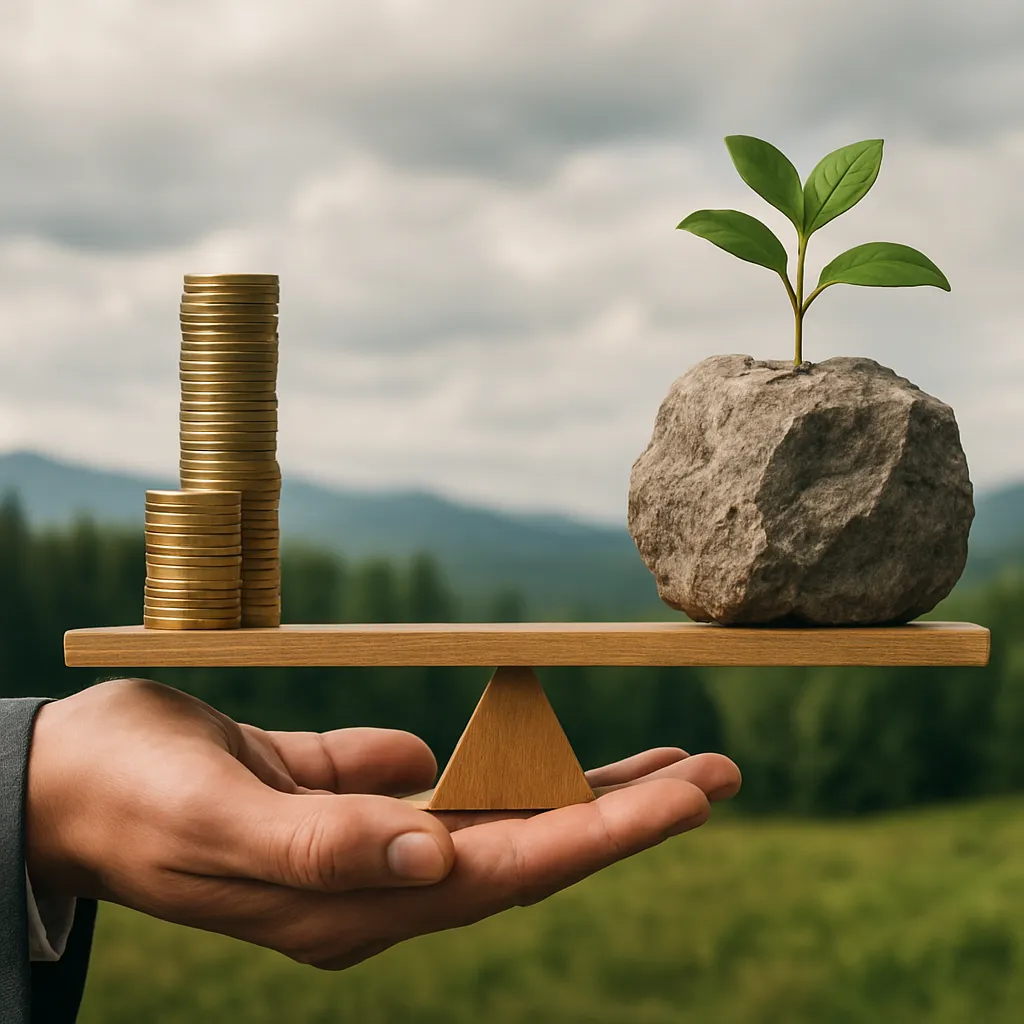
While technological and economic factors drive the race for rare metals, social and environmental safeguards must underpin expansion efforts.
5.1 Community Engagement and Rights of Indigenous Peoples
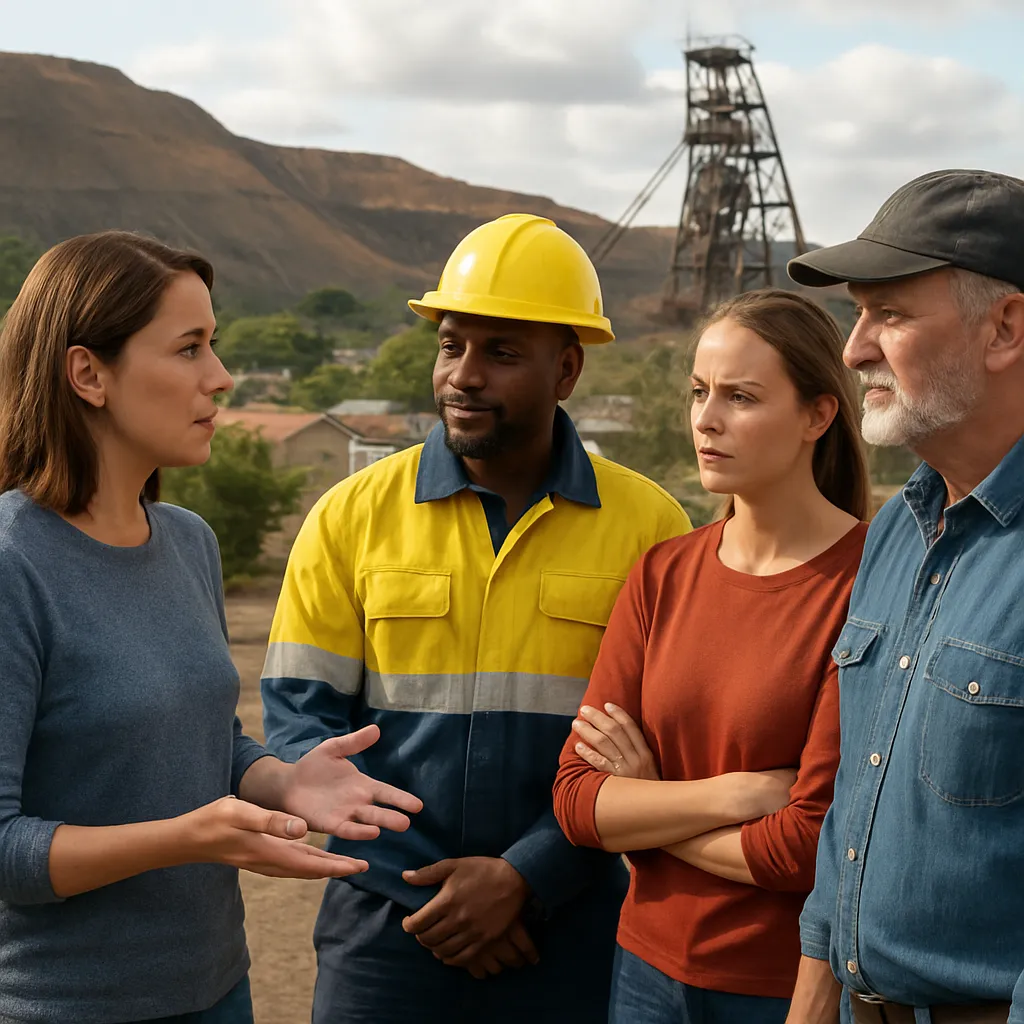
Mining projects frequently overlap with lands inhabited by indigenous communities. Inclusive consultation processes, benefit-sharing agreements, and transparency in environmental impact assessments are essential to maintain social license to operate.
5.2 Biodiversity Protection and Land Rehabilitation
Mining operations can lead to habitat fragmentation and soil degradation. Best practices now include:
- Progressive reclamation of tailings and waste rock piles.
- Monitoring programs for endemic flora and fauna.
- Offsets or conservation banking to maintain ecological balance.
5.3 Carbon Footprint Accounting
Scope 1, 2, and 3 emissions measurement is increasingly mandatory for publicly traded companies. Transparent reporting enables stakeholders to benchmark performance and encourages investments in cleaner energy sources such as renewable-powered smelters and electrolytic refining using green hydrogen.
6. Outlook: Synergies for a Low-Carbon, Metal-Driven Future
Achieving global decarbonization goals depends on a robust, innovative, and ethically managed metals industry. By integrating advanced extraction technologies, fortifying supply chains, embracing circularity, and respecting environmental and social imperatives, stakeholders can ensure that critical minerals enable—not hinder—the transition to a sustainable, electrified world.