As the aviation sector embarks on a transformation toward sustainable mobility, the quest for high-performance, lightweight materials has never been more urgent. Electric propulsion systems and advanced battery packs promise to reshape air travel, but they hinge on a steady flow of critical resources. The interplay between raw material availability, geopolitics, and cutting-edge technology is driving a new era in global resource management. This article delves into the multifaceted challenges of sourcing rare metals for electric aviation and explores emerging pathways to ensure a resilient future.
Global Demand for Rare Metals and Flight Electrification
The electrification of aircraft relies heavily on high-energy-density batteries and lightweight electric motors. Components within these systems often incorporate lithium, cobalt, nickel, neodymium, and other rare earth elements. Each of these metals plays a specific role in balancing energy storage, weight, and durability:
- Lithium: Integral to lithium-ion cells, prized for its excellent energy-to-weight ratio.
- Cobalt: Enhances battery stability and cycle life, but raises ethical sourcing concerns.
- Nickel: Improves capacity and efficiency, especially in high-performance chemistries.
- Neodymium and Dysprosium: Used in permanent magnets for lightweight electric motors, enabling high torque and efficiency.
Rising Consumption Patterns
Forecasts anticipate a surge in demand for these metals as hybrid and fully electric aircraft enter service. Commercial operators eye net-zero targets for 2050, pressuring manufacturers to secure long-term supplies. Airlines are negotiating offtake agreements directly with mining firms, while startups explore alternative chemistries that reduce reliance on conflict-prone materials.
Market Volatility and Price Spikes
Price fluctuations have become commonplace amid production halts, export restrictions, and speculative trading. For example, a temporary cutback in cobalt exports from the Democratic Republic of Congo triggered a 40% price increase within months. Such volatility complicates budgeting for aerospace programs, spurring interest in more stable, diversified sourcing strategies.
Geopolitical and Supply Chain Complexities
Securing rare metals transcends mere extraction—it is deeply entangled with international relations, regulatory frameworks, and local socio-economic conditions. Governments and corporations must navigate a complex web of influences to maintain uninterrupted flows of strategic materials.
Resource Nationalism and Export Controls
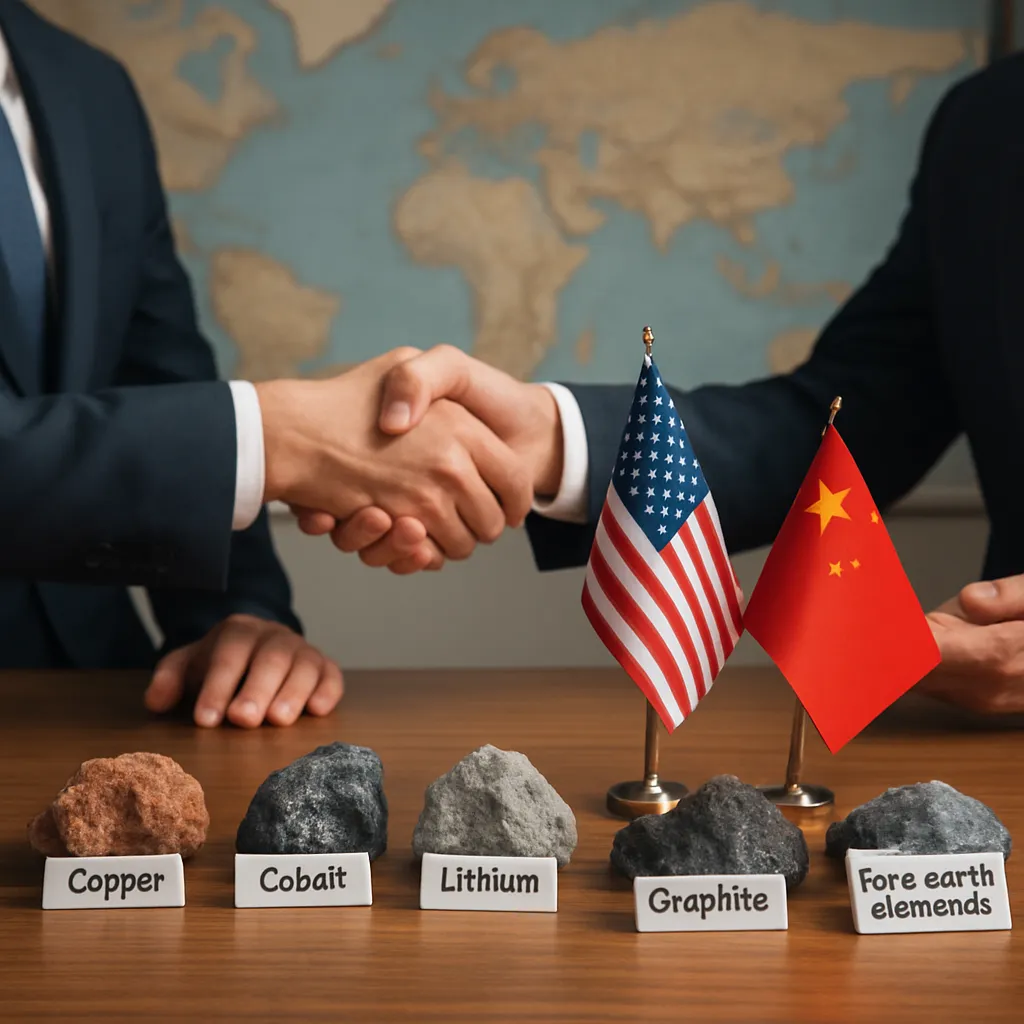
Several resource-rich nations have enacted policies to retain more value domestically. Indonesia’s ban on nickel ore exports and China’s occasional restrictions on rare earth elements exemplify how export controls can reshape global supply chains. Such measures often provoke retaliatory actions and prompt consuming countries to develop domestic refining capacities or seek alternative sources.
Human Rights and Environmental Impacts
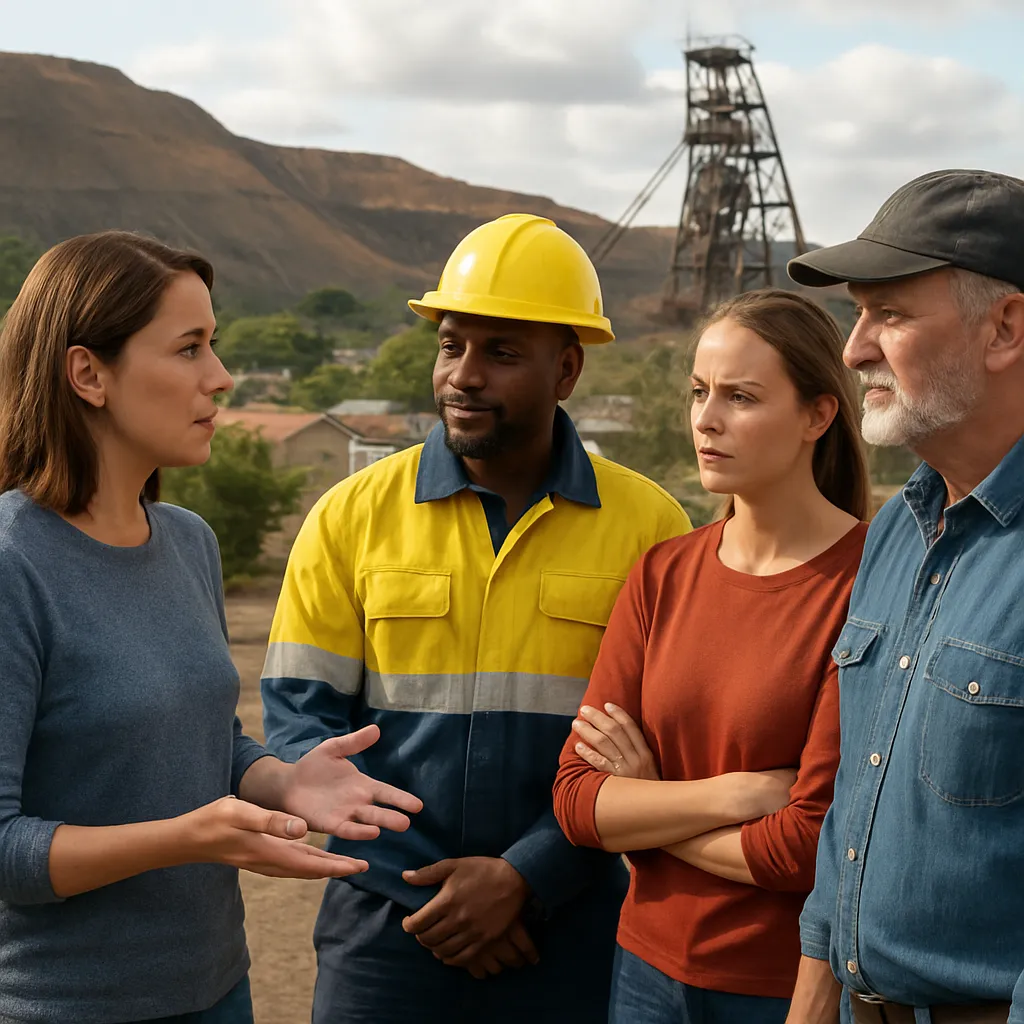
Mining projects in remote regions can generate significant socio-environmental challenges, from deforestation to labor rights violations. Ethical certification schemes and ESG (Environmental, Social, Governance) reporting aim to promote transparency, but enforcement remains uneven. Electric aviation stakeholders increasingly demand traceable supply chains that guarantee responsible practices.
- Local community engagement and benefit-sharing agreements.
- Strict environmental impact assessments and rehabilitation plans.
- Independent audits and blockchain-based tracking systems for material provenance.
Strategic Stockpiling and Joint Ventures
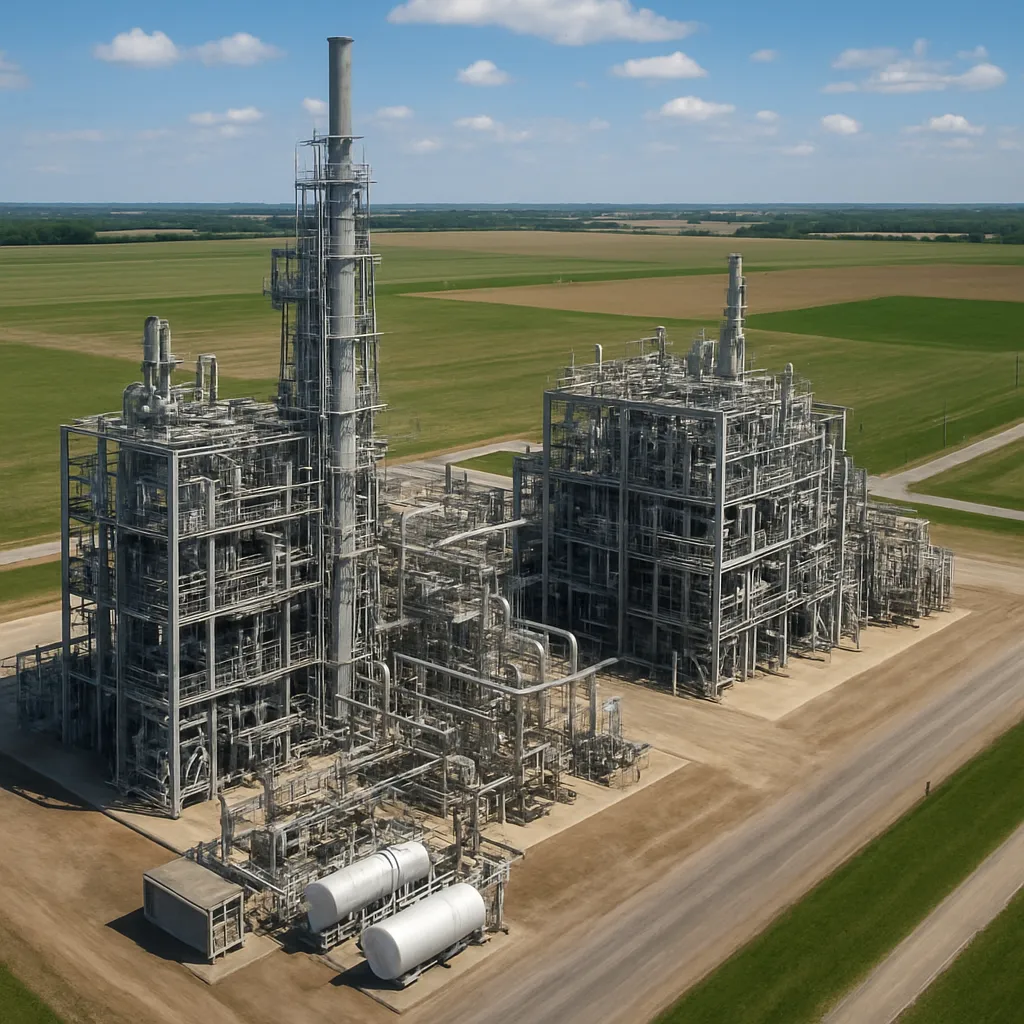
To hedge against supply disruptions, several nations are expanding strategic reserves of critical metals. Meanwhile, aerospace OEMs are forging joint ventures with mining companies to secure prioritized access. These partnerships often encompass co-investment in downstream processing facilities, ensuring a vertically integrated approach from ore to electric propulsion module.
Innovation in Recycling, Substitution, and Extraction Technologies
Confronted with finite resources and environmental imperatives, industry leaders and researchers are pursuing multifarious strategies to reduce reliance on virgin materials.
Battery Recycling and Urban Mining
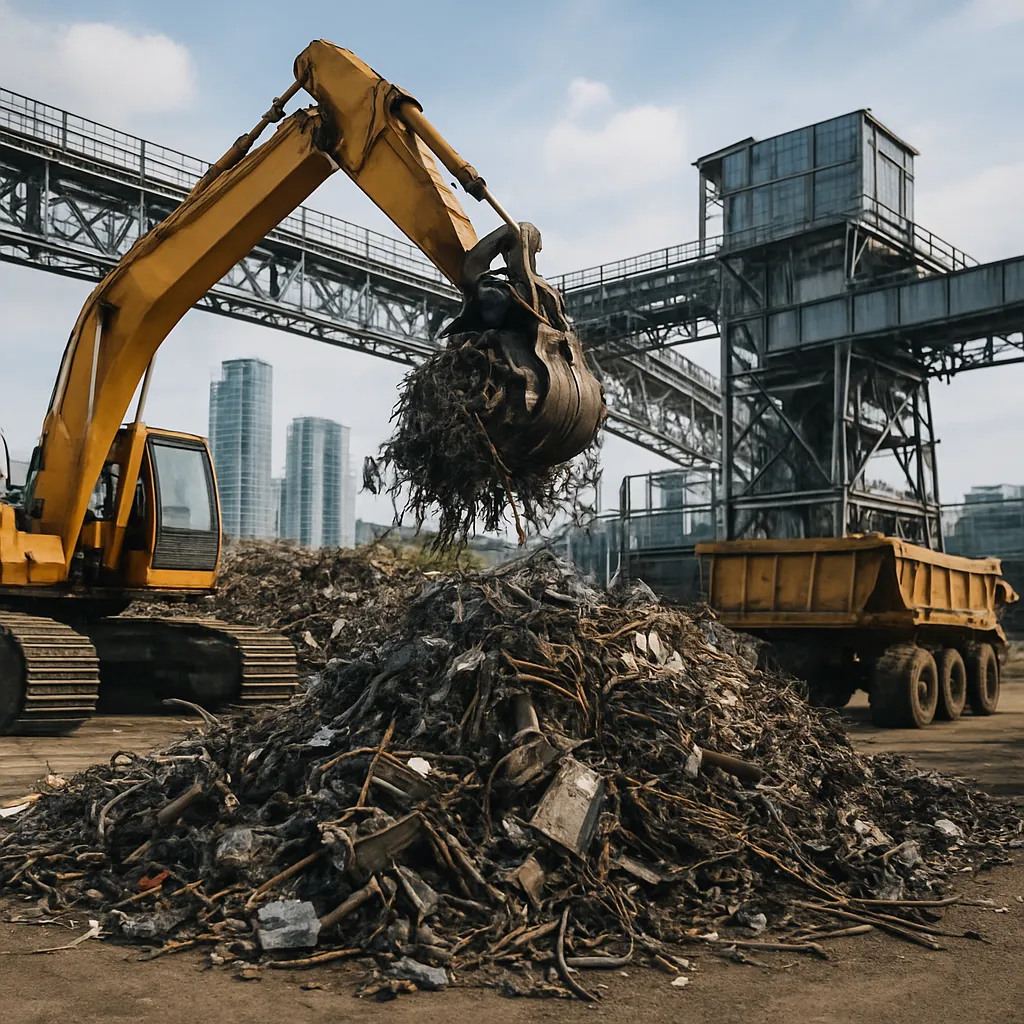
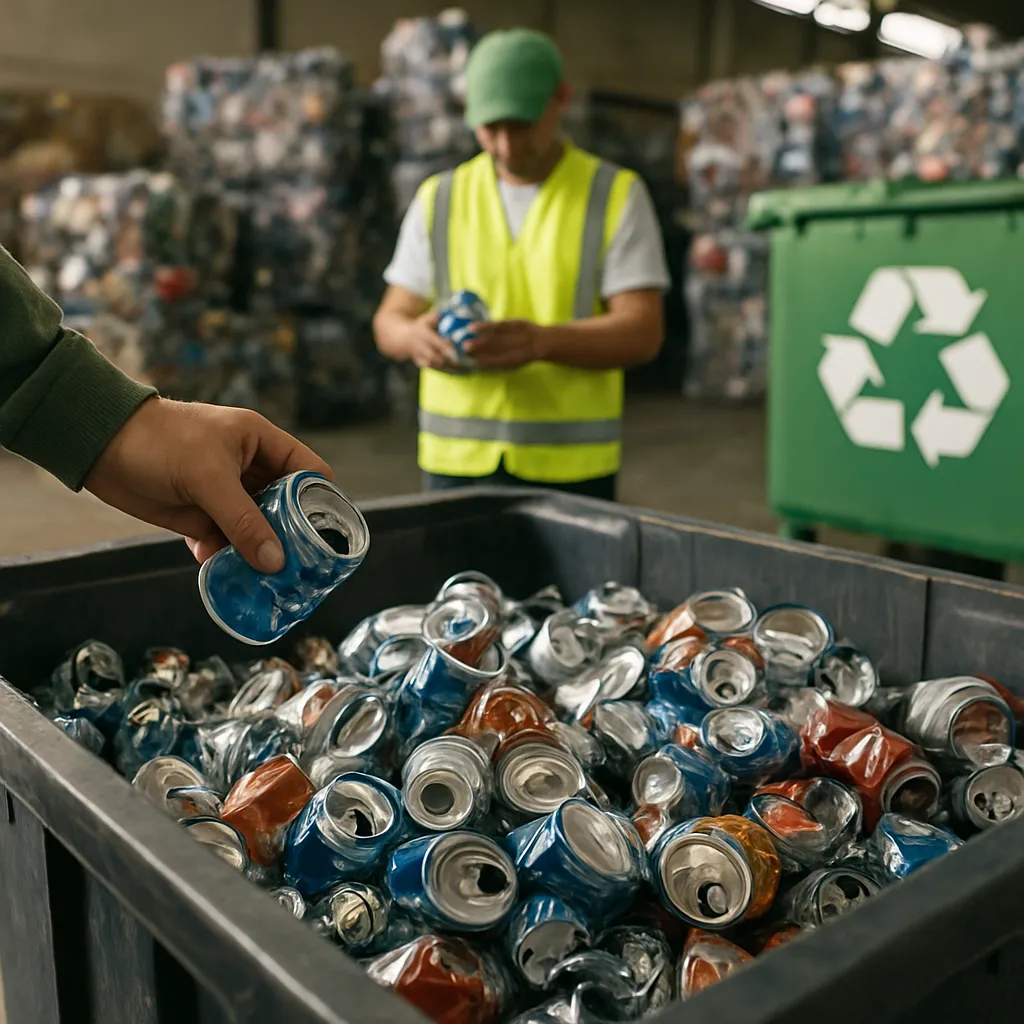
End-of-life aviation batteries represent both a challenge and an opportunity. Advanced hydrometallurgical and pyrometallurgical processes can recover up to 95% of lithium, cobalt, and nickel contained in spent cells. Urban mining facilities specialize in:
- Mechanical shredding and sorting of battery modules.
- Chemical leaching to extract pure metal compounds.
- Closed-loop systems to minimize water use and emissions.
Material Substitution and Alternative Chemistries
Researchers are exploring cobalt-free cathodes, solid-state electrolytes, and sodium-ion chemistries to alleviate dependence on scarce elements. In parallel, the quest for green aviation extends to alternative motor designs that minimize or eliminate the need for rare earth magnets—such as induction motors or novel iron-based magnets.
Innovative Extraction Techniques
Traditional open-pit and underground mining methods face mounting social license pressures. Consequently, companies are piloting:
- Deep-sea mining for polymetallic nodules rich in manganese, nickel, and cobalt.
- In-situ recovery, which dissolves minerals underground and pumps them to the surface, reducing land disturbance.
- Phytomining, leveraging hyperaccumulator plants that concentrate metals, then harvesting biomass for metal recovery.
Collaborative Frameworks and Policy Measures
Ensuring a robust supply of rare metals for electric aviation demands unprecedented levels of cooperation among governments, industry consortia, and research institutions.
International Standards and Certification
Organizations like the International Civil Aviation Organization (ICAO) and the International Energy Agency (IEA) are drafting guidelines to harmonize sustainability criteria for critical material sourcing. Standardized certification can facilitate cross-border trade while enforcing rigorous environmental and social safeguards.
Public–Private Partnerships
Governments are co-financing demonstration projects that integrate renewable energy, mining best practices, and circular economy models. By sharing risk and leveraging public funds, these partnerships accelerate the commercialization of next-generation supply chain technologies.
Incentive Mechanisms and Carbon Pricing
Carbon pricing schemes, subsidies for domestic refining, and tax credits for recycled content all encourage stakeholders to adopt more sustainable supply chain practices. These policy levers can tilt investment toward lower-impact mining, bolster recycling infrastructure, and underwrite R&D for material innovations.
Outlook for Electric Aviation Materials
The race to electrify flight has sparked a new battleground for securing, processing, and managing rare metals. Success hinges on balancing industrial growth with ethical sourcing, environmental stewardship, and geopolitical stability. As stakeholders pursue innovation in battery chemistries, recycling methodologies, and extraction techniques, the aviation industry edges closer to realizing its decarbonization ambitions. Navigating this complex landscape will require agility, foresight, and unwavering commitment to resilient supply chain strategies that can withstand shifting global dynamics.