The race to secure a stable supply of global critical rare metals has intensified as governments and industries pivot toward a net-zero future. Investors seeking to capitalize on this trend must navigate complex geological, regulatory, and market dynamics. This article explores practical frameworks for assessing opportunities in the critical minerals sector, covering strategic significance, exploration potential, market forces, and technological innovation.
The Strategic Significance of Critical Minerals
Critical minerals underpin vital industries—from electric vehicles (EVs) and renewable energy systems to advanced electronics and defense applications. Their supply chain resilience directly affects national security and economic growth. As demand for lithium, cobalt, nickel, rare earth elements (REEs), and other battery metals climbs, investors must understand the broader geopolitical landscape:
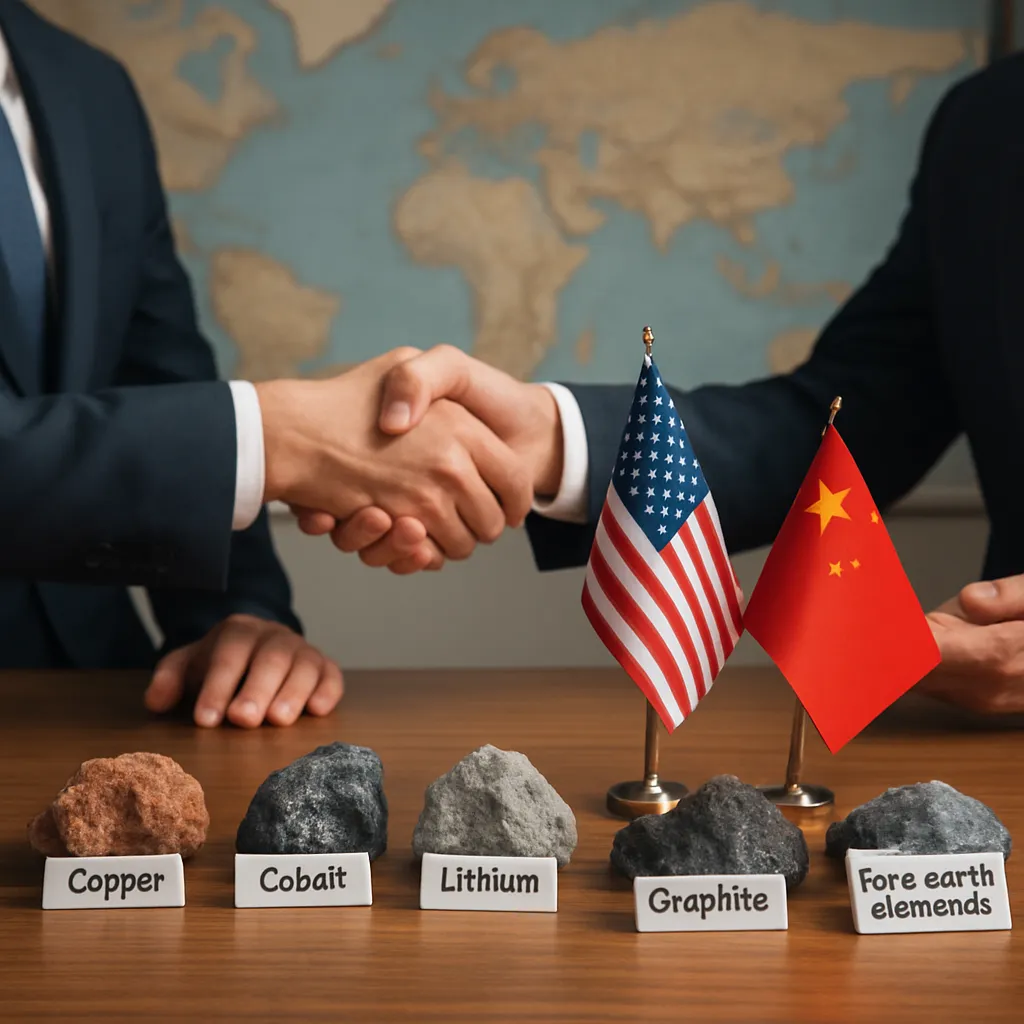
- Geopolitical Concentration: A handful of countries control large shares of production and processing. For example, China dominates REE refining, while the Democratic Republic of Congo leads cobalt mining.
- Diversification Imperative: Reducing reliance on single-source suppliers has spurred exploration in Australia, Canada, and Latin America. Governments are offering incentives to encourage onshore or allied-country development.
- Strategic Stockpiling: Several nations are building reserves or forming alliances to mitigate supply shocks. Understanding these policies helps investors anticipate market tightness.
By gauging the strategic importance of a mineral, investors can prioritize assets with the highest potential to benefit from government support or price appreciation.
Evaluating Geological and Exploration Potential
Identifying a promising critical mineral deposit requires thorough scrutiny of geological data, exploration results, and resource estimates. Key considerations include:
- Geological Models: Robust structural and geochemical models guide drill targeting. High-resolution geophysics and geochemistry can uncover concealed mineralization.
- Grade and Tonnage: The interplay between ore grade and deposit size influences economic viability. A high-grade, lower-tonnage deposit may compete effectively with a bulk-tonnage, lower-grade resource depending on processing costs and metal prices.
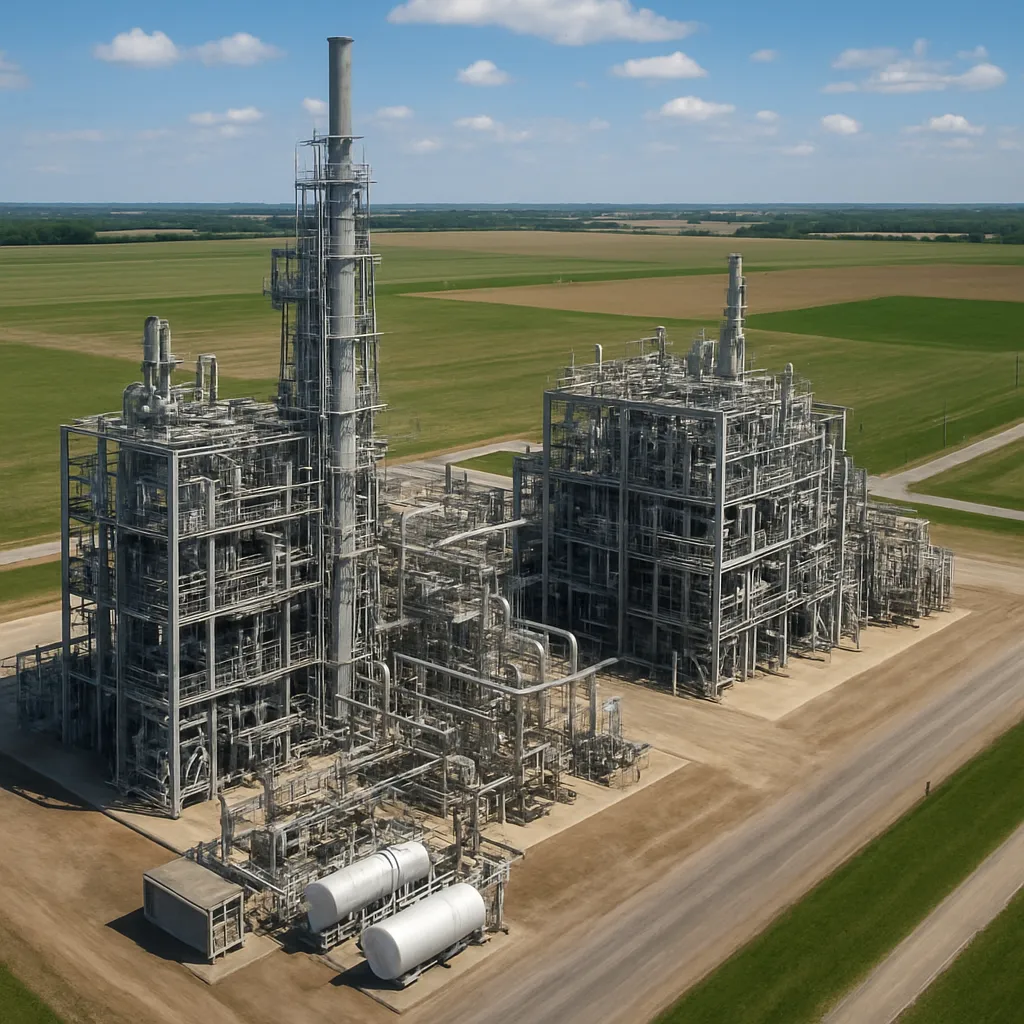
- Mineralogy and Metallurgy: Complex mineral assemblages may require advanced processing techniques. Conducting preliminary metallurgical test work reduces downstream valuation risk.
- Mining Method and Infrastructure: Open-pit projects often have lower development costs but may carry a larger environmental footprint. Proximity to power, water, and transportation networks is crucial to minimize capital expenditure.
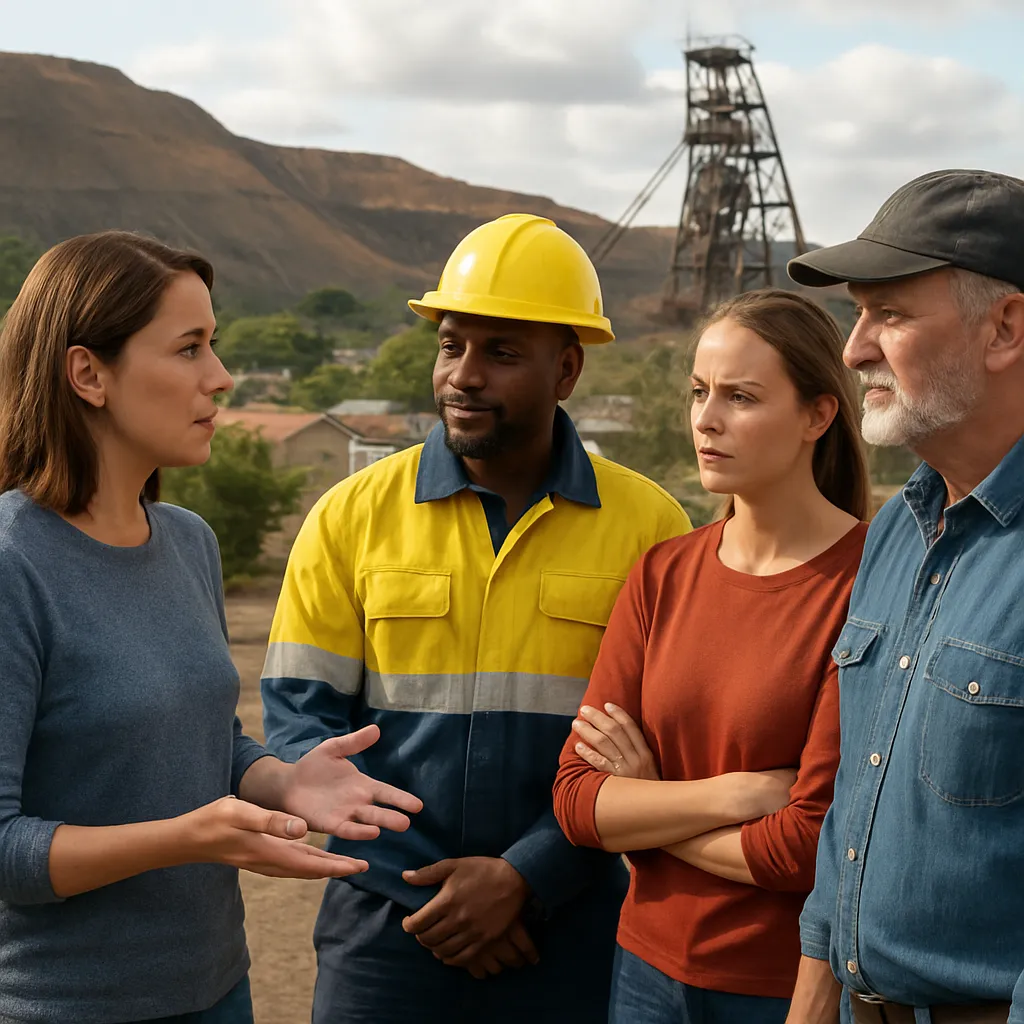
- Jurisdictional Risk: Political stability, regulatory clarity, and community relations impact project timelines and permit success. A proactive approach to stakeholder engagement enhances social license to operate.
Investors should conduct rigorous due diligence on technical reports, verifying assumptions in preliminary economic assessments (PEAs) and feasibility studies to ensure realistic forecasting.
Assessing Market Dynamics and Investment Risk
Critical mineral markets are shaped by cyclical price swings, technological substitution, and supply disruptions. A comprehensive risk analysis should address:
- Demand Forecasting: Understanding end-use markets—such as EVs, grid storage, and consumer electronics—allows for projection of future consumption curves. Collaboration with industry analysts provides more accurate demand modeling.
- Price Volatility: Commodity prices can be highly volatile. Hedging strategies and off‐take agreements with strategic partners or manufacturers help lock in prices and reduce downside risk.
- Environmental, Social, and Governance (ESG): Investors increasingly demand high ESG standards. Projects with robust environmental management plans and transparent supply‐chain traceability attract premiums and lower financing costs.
- Financing and Capital Structure: Early-stage exploration typically requires equity capital, while development projects may combine debt, equity, and strategic investments. Disease-based or revolving credit facilities can provide flexible funding.
- Exit Strategies: Clear pathways—such as asset sales to major miners or strategic partnerships—ensure liquidity options. Establishing relationships with offtake partners strengthens exit prospects.
Effective risk management integrates scenario analysis, stress-testing cash flows under different price and cost environments, and sensitivity studies to identify the most critical value drivers.
Technological Innovation and Value Chain Integration
Breakthroughs in processing, recycling, and substitute materials can alter the competitive landscape. Investors should monitor advances in:
- Hydrometallurgy and bio‐leaching techniques that reduce energy intensity and environmental impact.
- Recycling and Urban Mining: Recovering metals from end-of-life batteries and electronics alleviates primary supply pressures and aligns with circular-economy goals.
- Advanced Materials: Emerging alternatives such as sodium-ion batteries may shift demand away from certain raw materials. Staying abreast of R&D in energy storage informs long-term forecasts.
- Integrated Supply Chains: Strategic partnerships with smelters, refiners, or battery manufacturers create vertical integration. This approach captures additional margin and secures offtake commitments.
By evaluating the entire value chain—from mine to market—investors can identify value-enhancing synergies and potential bottlenecks.
Implementing a Holistic Investment Framework
Bringing together strategic, technical, market, and innovation perspectives enables a robust investment thesis:
- Portfolio Diversification: Allocate capital across various minerals, jurisdictions, and project stages to balance risk and reward.
- Milestone-Driven Financing: Tie funding tranches to specific deliverables, such as drill results, resource upgrades, or permitting approvals.
- Partnerships and Alliances: Engage with off-take partners, technology providers, and local stakeholders to share expertise and capital.
- Continuous Monitoring: Regularly update assumptions based on evolving market data, regulatory changes, and technological breakthroughs.
Adopting a disciplined yet flexible approach positions investors to capitalize on the transformative opportunities presented by critical minerals, while carefully managing inherent risks.