As global demand for cutting-edge electronics and clean energy technologies continues to rise, the management of rare metals has become a focal point of contemporary discourse. Mineral recycling not only addresses the pressing issue of resource scarcity but also aligns closely with ambitious zero-waste strategies aimed at minimizing environmental footprints. This exploration delves into the multifaceted world of rare metals, examining their critical role, the evolution of recycling technologies, and their integration into broader sustainability efforts.
Understanding the Importance of Rare Metals in the Modern Era
The Role of Rare Metals in Technology
Rare metals such as lithium, cobalt, neodymium, and platinum underpin a vast array of modern devices. From smartphones and electric vehicle batteries to wind turbines and advanced medical equipment, these elements are indispensable. Their unique physical and chemical properties enable high energy density, superior magnetic performance, and exceptional catalytic activity. As manufacturers race to innovate, the competition for secure and reliable sources of these metals intensifies.
Environmental and Ethical Concerns
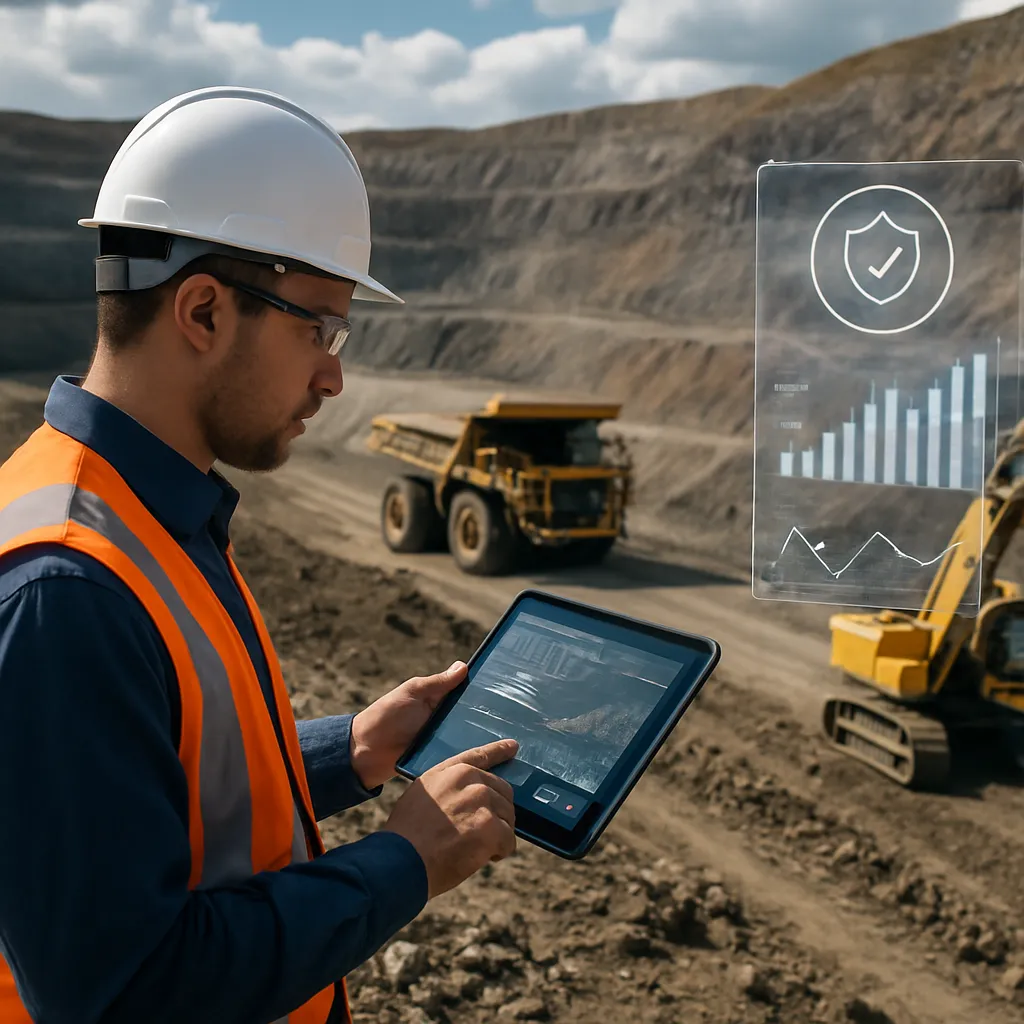
Traditional mining operations often provoke significant ecological disruption, including deforestation, soil erosion, and water contamination. Moreover, social challenges such as exploitative labor practices and geopolitical tensions can exacerbate supply chain vulnerabilities. The extraction of rare metals sometimes occurs in regions with weak regulatory oversight, raising concerns about human rights and long-term land degradation. Transitioning to a robust recycling framework can mitigate these issues by reducing dependency on virgin materials and promoting more ethical resource sourcing.
Advancements in Mineral Recycling Techniques
Hydrometallurgical Processes
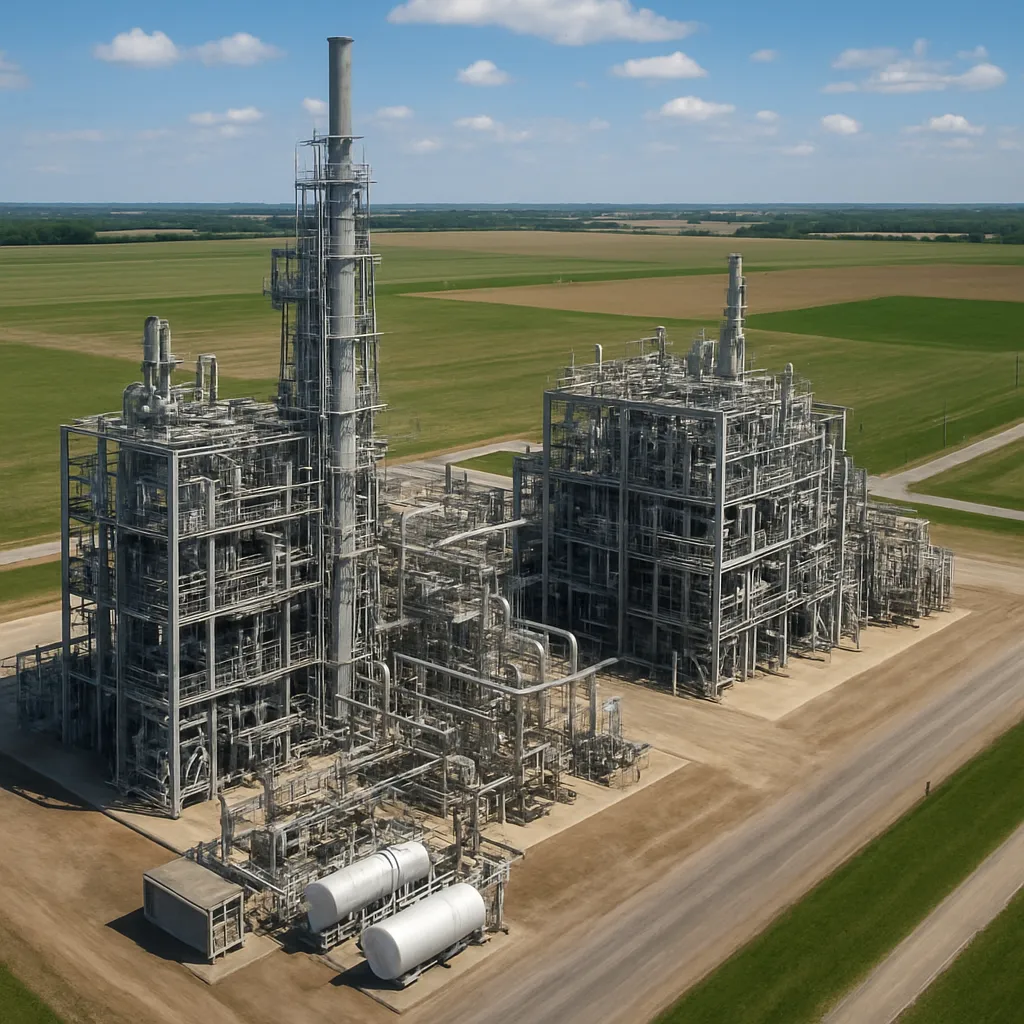
Hydrometallurgy employs aqueous chemistry to recover valuable metals from secondary sources. Leaching solutions—often acid- or base-based—dissolve target elements, which are subsequently recovered via precipitation or solvent extraction. This method is prized for its resource efficiency and adaptability to diverse waste streams, including spent lithium-ion batteries and industrial catalysts. Continuous research is optimizing reagent formulations and process parameters to enhance metal recovery rates while minimizing chemical consumption.
Pyrometallurgical Methods
Pyrometallurgy involves high-temperature smelting and refining to separate metals from complex feedstocks. Scrap electronics or battery black mass are subjected to thermal treatment, yielding metal-rich slags and alloy phases. Despite the significant energy requirements, modern pyro routes leverage renewable heat sources and heat integration strategies to improve overall energy efficiency. Moreover, the process can handle large volumes of mixed wastes, making it a powerful tool for bulk metal recovery.
Innovative Bioleaching and E-Waste Recovery
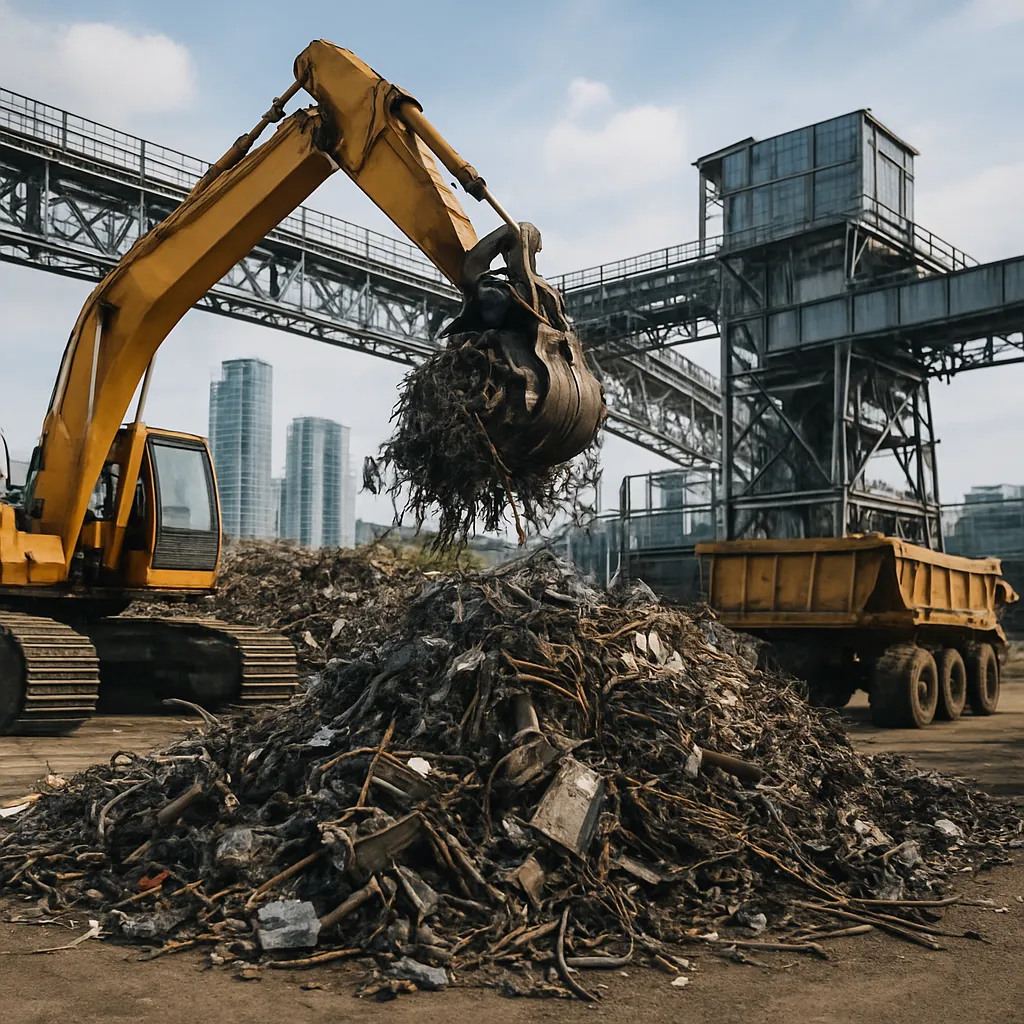
Emerging bioleaching techniques harness specialized microorganisms to extract metals under mild conditions. Bacteria such as Acidithiobacillus ferrooxidans oxidize sulfide minerals, freeing valuable ions in solution. This approach thrives at ambient temperatures and pressures, offering a low-impact alternative to conventional methods. Concurrently, advanced sorting and mechanical separation technologies streamline the pre-processing of electronic waste, ensuring consistent feed quality and boosting the efficiency of downstream chemical operations.
Integrating Recycling into Zero-Waste Initiatives
Design for Disassembly and Circular Design
Proactive product design can significantly enhance recyclability. Manufacturers are embracing principles of design for disassembly, where devices are constructed with standardized modules and minimal use of mixed materials. This approach facilitates quick component separation, reducing labor costs and contamination risks. By adopting a circular economy mindset, companies extend product lifespans through refurbishment and remanufacturing, closing material loops and diverting waste from landfills.
Supply Chain Collaboration
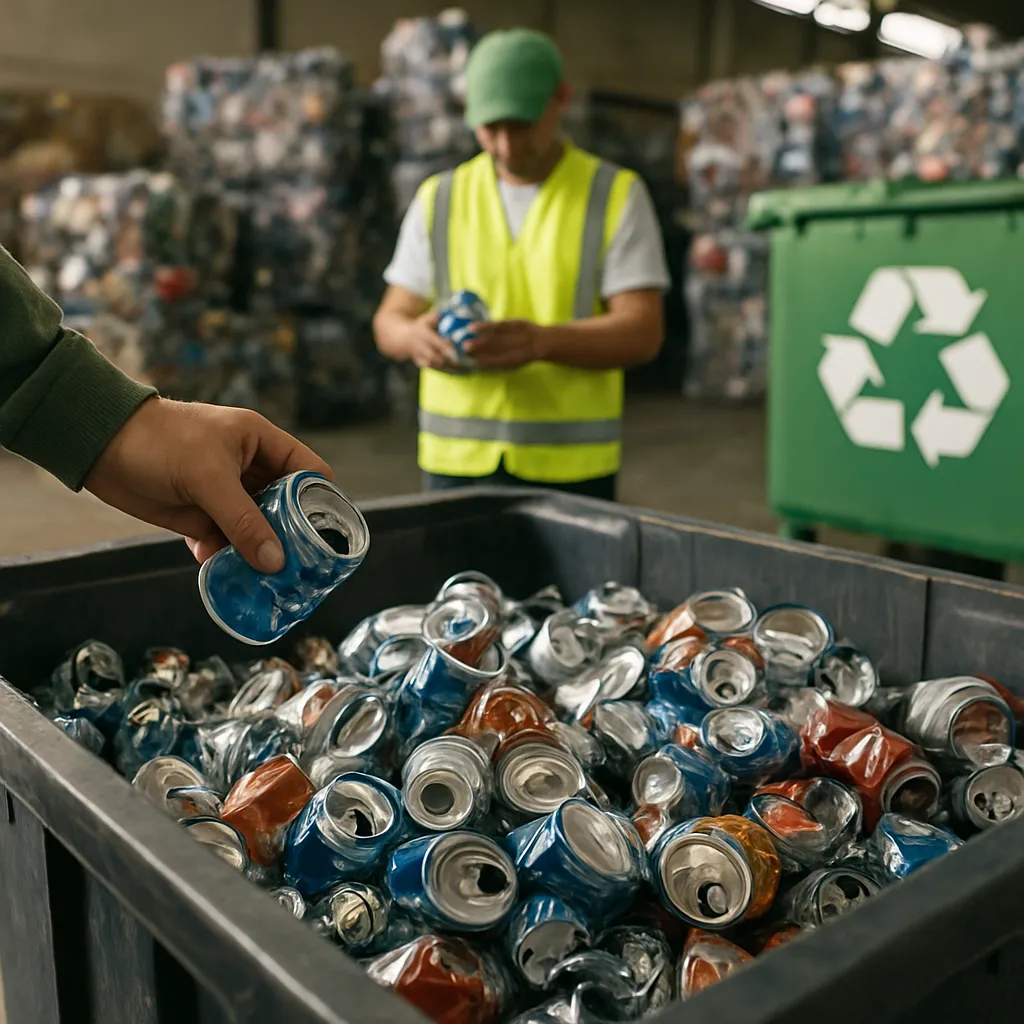
Successful mineral recycling requires close cooperation among stakeholders across the value chain. Original equipment manufacturers, recycling firms, chemical suppliers, and policymakers must establish transparent information flows and shared infrastructure. Reverse logistics networks collect end-of-life products, while certification schemes verify recycled content and trace environmental performance. Through consortiums and public–private partnerships, the industry can scale best practices and unlock new innovation pathways.
Policy and Regulatory Frameworks
Governments play a pivotal role in incentivizing sustainable resource management. Regulatory measures such as extended producer responsibility (EPR), deposit-refund systems, and mandatory recycling targets create market conditions favorable to mineral recovery. Financial instruments, including tax credits and green bonds, can underwrite the capital-intensive deployment of advanced recycling facilities. By harmonizing regulations across jurisdictions, policymakers foster a predictable landscape for long-term investments in technologies that support zero-waste ambitions.
The Road Ahead: Challenges and Opportunities
Scaling Up Recycling Infrastructure
Despite technical breakthroughs, recycling capacity remains unevenly distributed. Significant investment is needed to expand collection networks, build state-of-the-art processing plants, and develop skilled labor forces. Public awareness campaigns can boost consumer participation in take-back programs, ensuring a steady stream of feedstock. As economies of scale are realized, cost curves are expected to decline, making recycled metals increasingly competitive with mined equivalents.
Driving Research and Development
Continuous R&D efforts seek to push the boundaries of extraction efficiency and material purity. Novel solvents, ionic liquids, and electrochemical methods promise lower waste generation and greener footprints. Collaborative research centers and university–industry partnerships accelerate knowledge transfer, driving incremental improvements and disruptive leaps alike. A concerted push for standardization of testing protocols and performance metrics will expedite the commercialization of next-generation solutions.
Fostering Global Collaboration
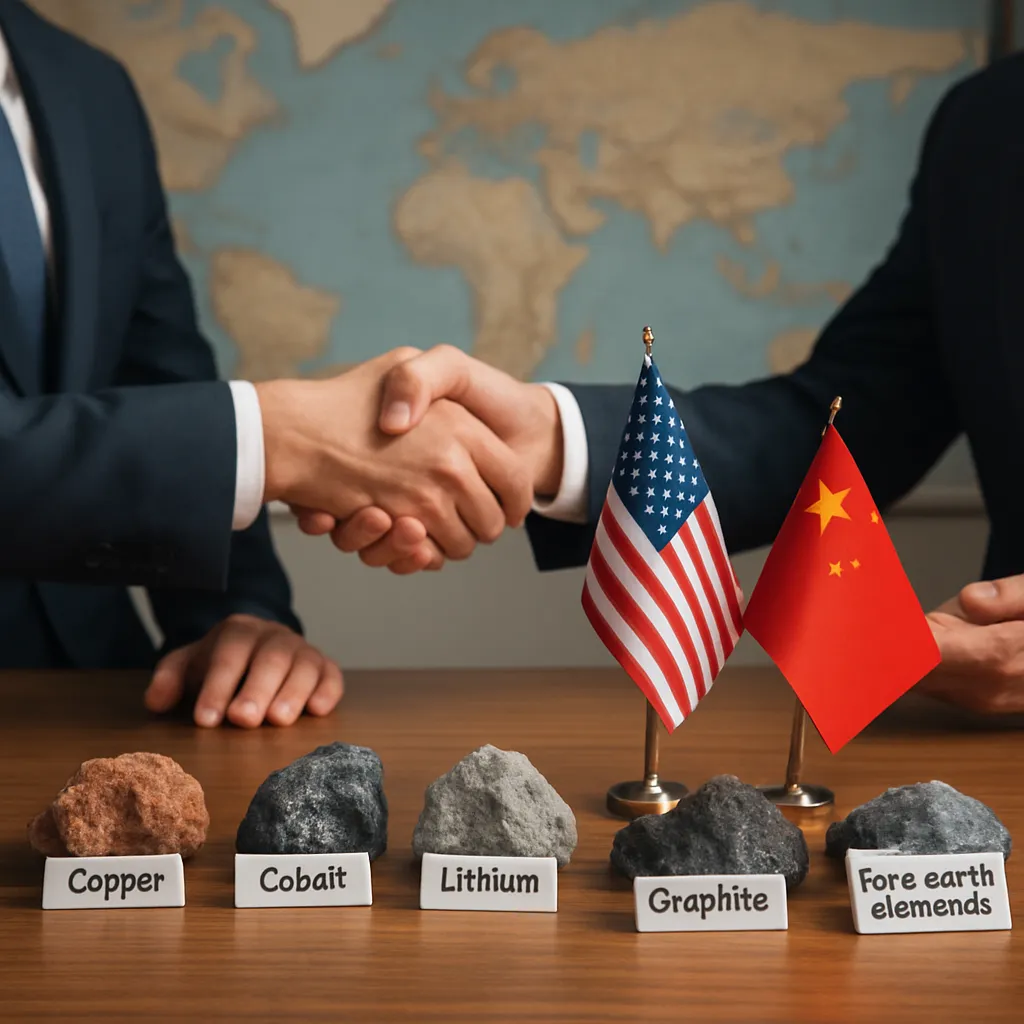
Mineral recycling transcends national borders. International forums and agreements provide platforms for sharing data, aligning sustainability criteria, and coordinating supply chain responses to market fluctuations. By adopting common definitions for recycled content and establishing interoperable tracking systems, nations can foster a resilient global framework. Such cooperation is essential to ensure that the benefits of mineral recycling extend beyond individual markets, supporting a truly sustainable future for all.