The accelerating shift toward a low-carbon economy and the rapid proliferation of advanced electronics have propelled certain minerals to the forefront of global strategic concerns. Rare metals such as lithium, cobalt, nickel and rare earth elements are integral to batteries, permanent magnets and cutting-edge technologies. As demand surges, the risk of **scarcity** intensifies, exposing vulnerabilities across supply chains, geopolitical landscapes and environmental systems.
Global Demand and Scarcity Pressures
The transition to **decarbonization** relies heavily on the availability of critical metals. Electric vehicles (EVs) alone could consume more than half of global lithium production by 2030. Similarly, wind turbines and high-performance electric motors require neodymium-praseodymium alloys. As consumer electronics continue their relentless upgrade cycles, total consumption of these elements is projected to grow by over 50% in the next decade.
Such expansion creates a tense interplay between **supply chain** limitations and market forces. Key constraints include:
- Ores concentration in a handful of countries, notably China for rare earths and the Democratic Republic of Congo for cobalt.
- Production bottlenecks due to lengthy permitting processes and insufficient processing facilities outside primary mining regions.
- Price volatility triggered by speculative trading and export quotas, which can deter investment in new projects.
The net effect is mounting pressure on manufacturers to secure long-term contracts and on governments to consider strategic reserves. Failure to anticipate these constraints could lead to cost overruns, project delays and stalled innovation.
Geopolitical and Environmental Challenges
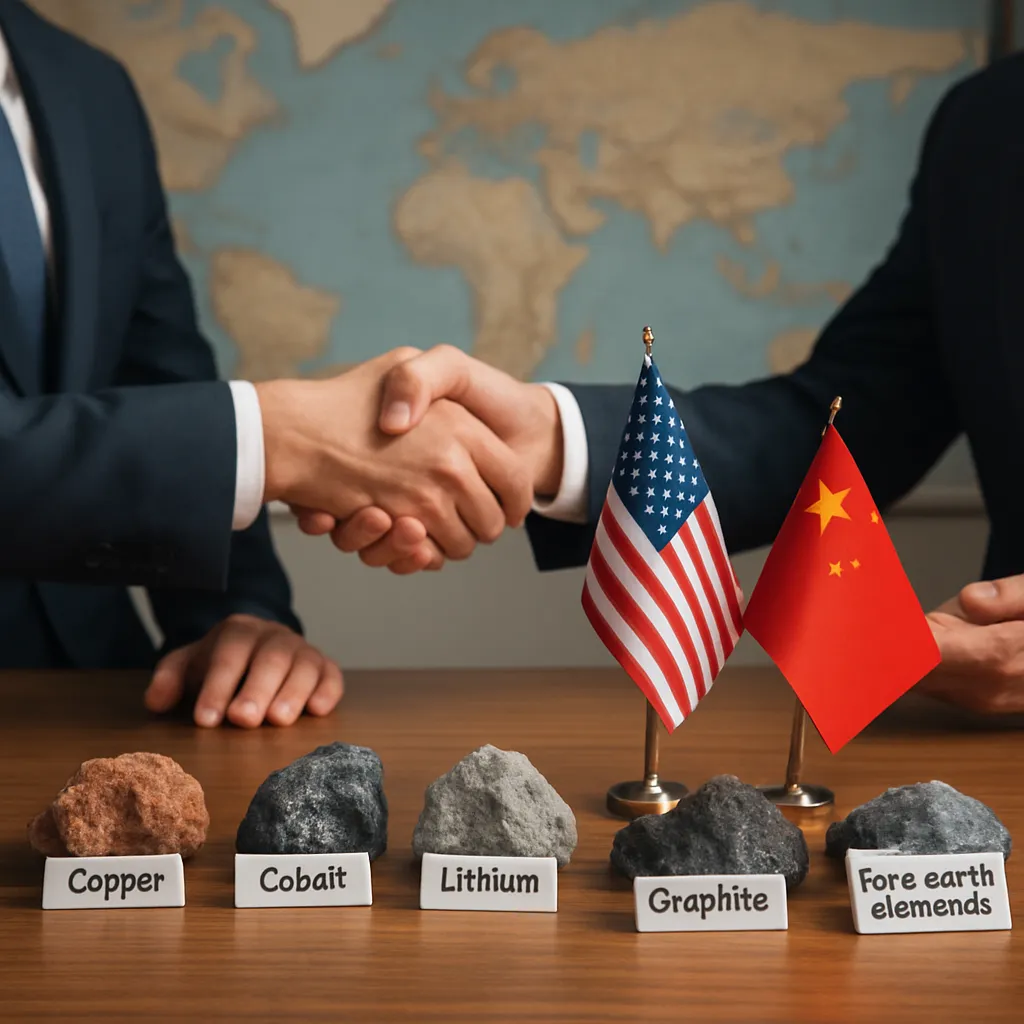
Resource-rich nations often leverage their **geopolitical** position to influence global markets. Export restrictions, **tariffs** or even covert restrictions on shipping lanes can amplify supply risks. This power dynamic has prompted consumer countries to diversify import sources, forging alliances with new mining jurisdictions in Africa, Latin America and Central Asia.
Trade Tensions and Regulatory Uncertainty
Embargoes and sanctions can upend established trade routes overnight. For instance, uncertainty around Chinese export quotas for rare earth oxides has forced industrial nations to stockpile materials. Meanwhile, environmental groups challenge new extraction projects on grounds of water contamination, biodiversity loss and community displacement—factors that delay mine development by years.
Social License and Community Impact
Local communities near proposed mining sites frequently demand benefits such as improved infrastructure, fair labor practices and environmental safeguards. Developers must navigate complex negotiations, often under the spotlight of **sustainability** watchdogs. Social resistance not only raises project costs but also undermines long-term production forecasts.
Technological Innovations and Recycling
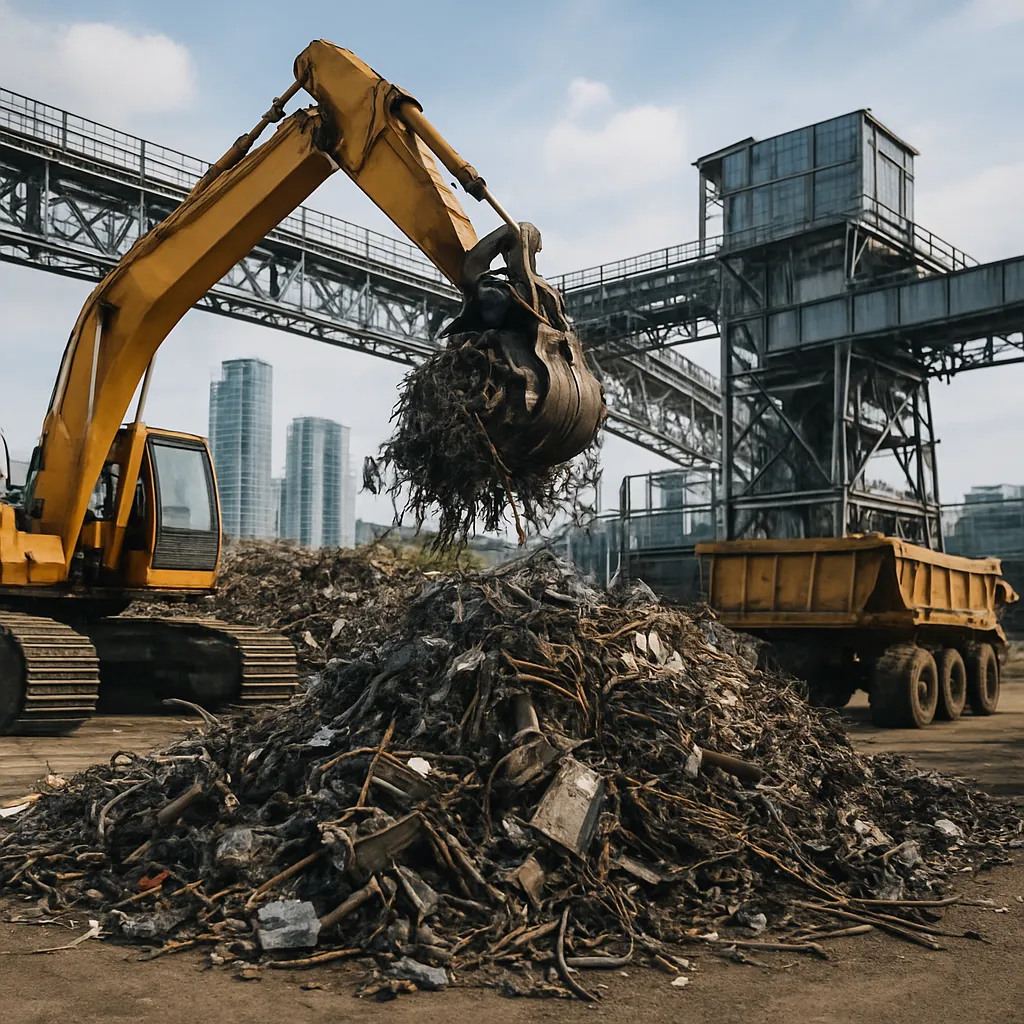
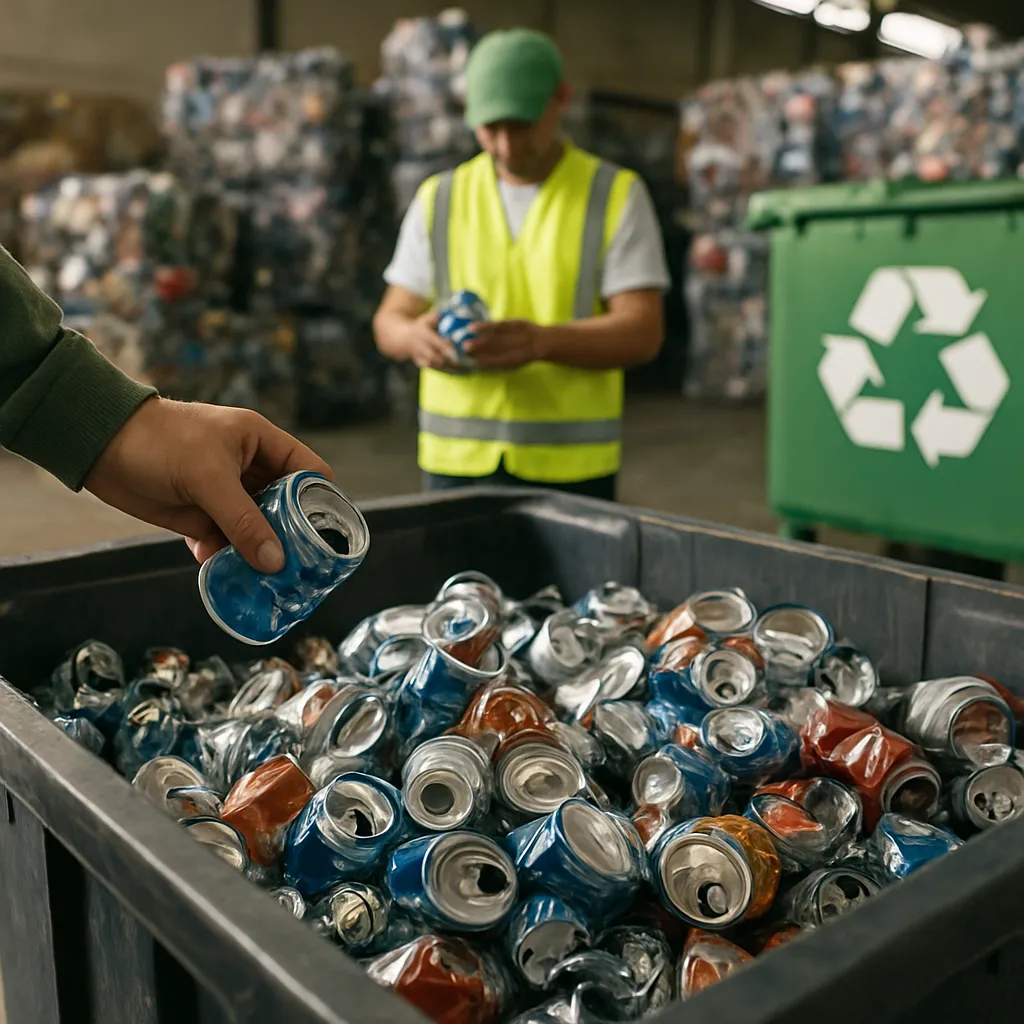
In response to supply constraints, companies and research institutions are accelerating efforts in **innovation** and **recycling**. Circular economy principles aim to reclaim critical metals from end-of-life products, reducing dependency on primary mining.
- Urban mining: Techniques for extracting metals from discarded electronics and battery packs are becoming more efficient, albeit still underfunded compared to traditional mining.
- Alternative chemistries: Developing battery systems based on sodium or magnesium could alleviate demand for lithium and cobalt, though energy density and cycle life remain challenges.
- Advanced separation technologies: Novel solvent extraction and ion-exchange methods can boost recovery rates of rare elements, lowering environmental footprints.
While these innovations show promise, scaling them to commercial volumes requires substantial capital and supportive policy frameworks. Failure to invest now risks leaving the world ill-equipped to meet future mineral demands.
Market Dynamics and Policy Implications
Governments worldwide are recognizing the strategic importance of rare metals. Policies increasingly emphasize:
- Strategic stockpiles to buffer against supply shocks.
- Incentives for domestic processing facilities and value-added manufacturing.
- International cooperation on responsible sourcing standards to ensure transparent supply chains.
However, misaligned incentives can exacerbate risk. For example, subsidies for electric vehicles that lack safeguards on raw material sourcing may inadvertently promote unethical mining practices. Similarly, trade barriers meant to protect domestic industries can backfire by inflating global prices and discouraging recycling initiatives.
Secure and resilient access to rare metals demands a **multifaceted** approach. Industry stakeholders, policymakers and civil society must collaborate on risk assessments, promote best practices in **extraction**, and prioritize research into alternative materials. Underestimating these constraints not only jeopardizes ambitious climate targets but also threatens the stability of sectors dependent on advanced metals. In the race for **technology** supremacy, foresight and strategic planning will determine who leads—and who lags—on the global stage.