The landscape of energy storage is undergoing a profound transformation as innovations in battery design push the boundaries of performance, cost and environmental impact. Evolving material choices are reshaping demand for critical elements, while international commerce adapts to supply disruptions and new regional hubs. Stakeholders across industries are reevaluating strategies to navigate emerging patterns in trade flows and ensure secure access to essential resources.
Evolution of Battery Chemistries and Metal Demand
Advancements beyond traditional lead‐acid and nickel‐metal hydride systems have propelled lithium-ion technologies to the forefront. Yet even within this category, shifts in cathode formulations—from cobalt-rich to manganese or iron‐phosphate alternatives—are redefining raw material priorities. Manufacturers strive to balance energy density, lifespan, safety and cost, with material substitutions motivated by scarcity, price volatility and sustainability concerns.
- Transition from cobalt‐nickel‐manganese (NMC) to lithium iron-phosphate (LFP) cells reduces reliance on expensive cobalt.
- Emerging solid‐state electrolytes may eliminate traditional solvents, cutting downstream processing of volatile organics.
- High-nickel cathodes (NCA/NMC 811) enhance energy density but increase demand for nickel and rigorous quality control.
- Silicon‐anode and lithium-sulfur chemistries promise greater capacity but raise new supply chain challenges for specialty precursors.
These trends intensify competition for a core set of transition metals—among them cobalt, nickel and lithium—while inviting fresh interest in aluminum, manganese and calcium chemistries. As performance targets tighten, the automotive, grid storage and consumer electronics sectors diverge on ideal material profiles, creating complex demand curves at the global level.
Global Supply Chains of Rare Metals
Securing consistent output of supply chains locations remains a strategic imperative. Mining, refining and battery manufacturing often span multiple continents, with each stage presenting opportunities for disruption and value addition. The interplay between upstream extraction and downstream cell assembly dictates both cost structures and environmental footprints.
Geographical Concentration and Diversification
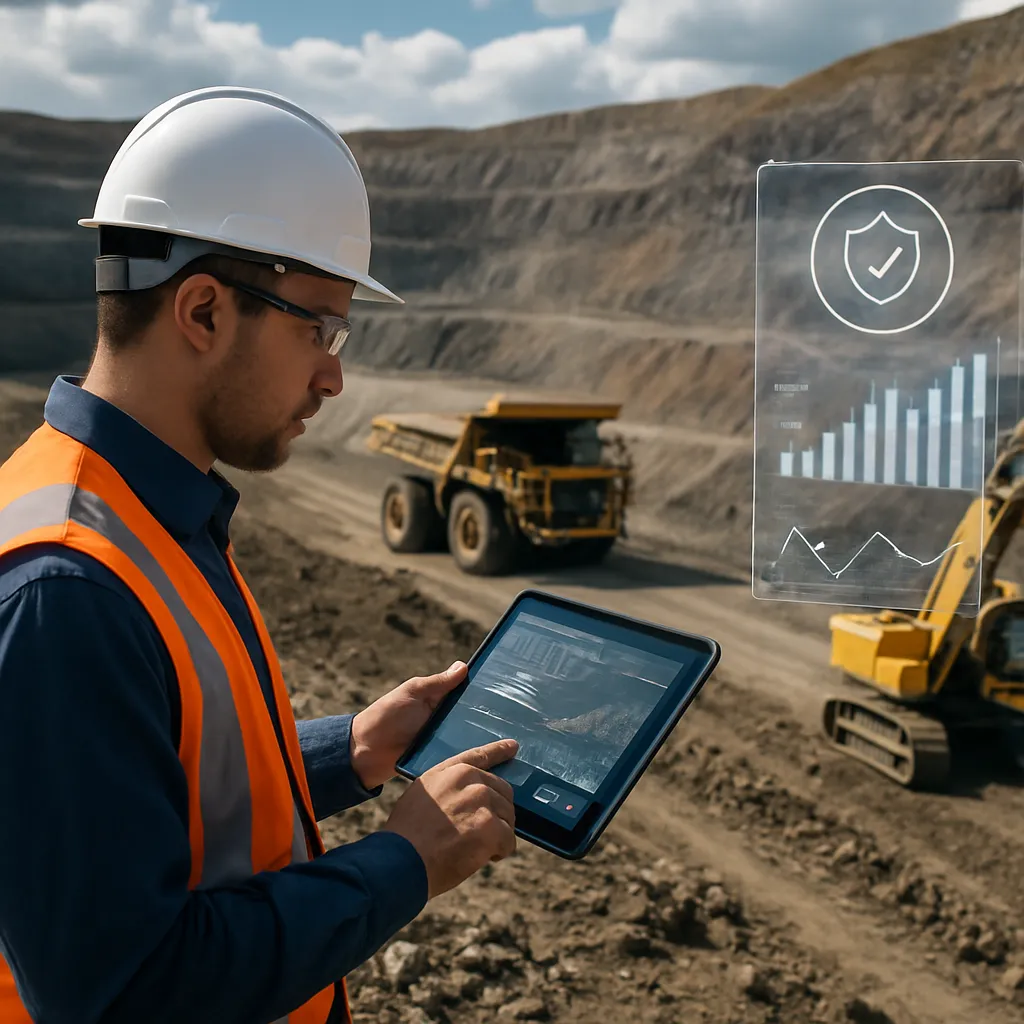
Major mining hubs for nickel dominate in Indonesia, the Philippines and Canada, whereas cobalt extraction is heavily concentrated in the Democratic Republic of the Congo. Lithium production centers in Australia, Chile and Argentina operate under vastly different regulatory frameworks and environmental standards. Seeking resilience, some consumers pursue vertical integration—acquiring stakes in mines or building regional refineries to mitigate geopolitical risks.
Processing and Refinement Bottlenecks
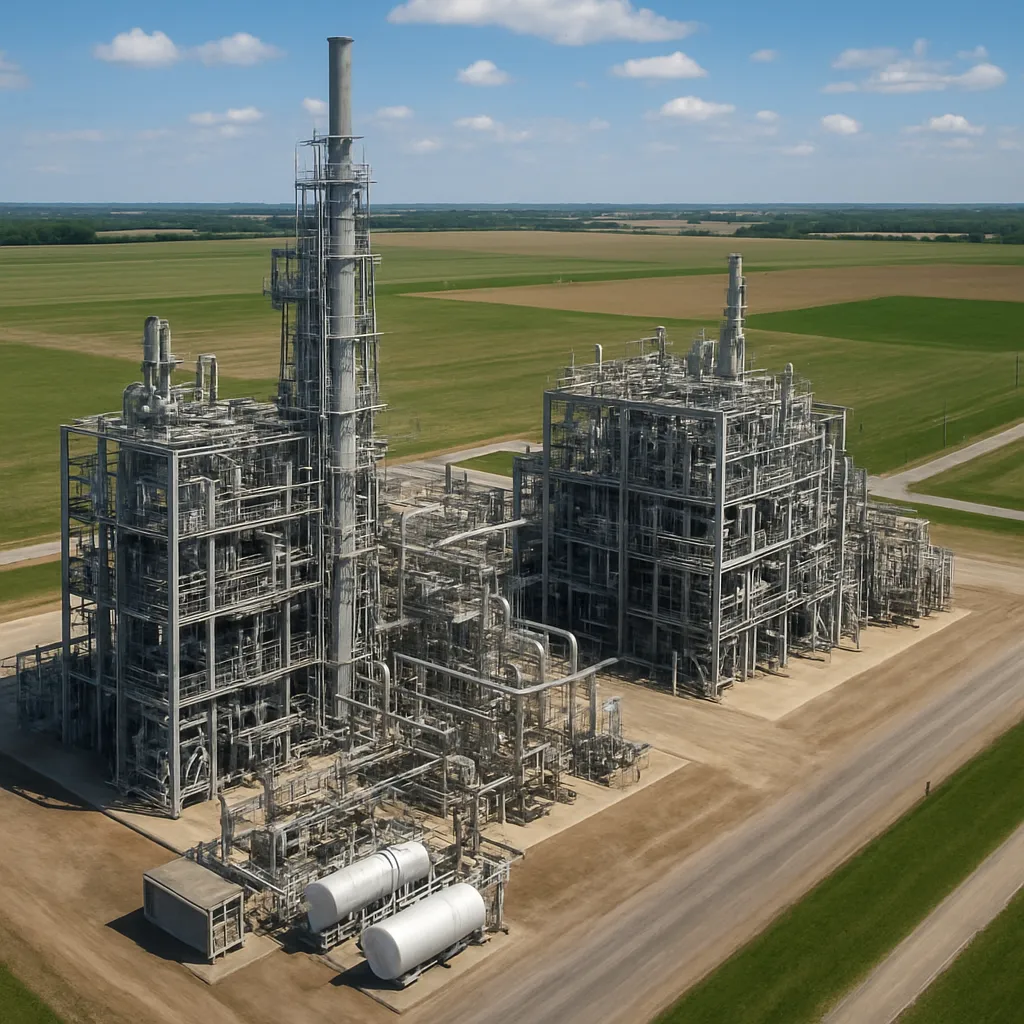
Beyond raw ore, refining critical metals to battery-grade purity demands specialized facilities. China currently leads in both capacity and technical expertise, handling significant shares of lithium hydroxide, cobalt sulfate and nickel sulfate output. Efforts in Europe and North America to localize refining aim to reduce dependence on single‐source providers and enable closer monitoring of environmental and labor practices.
Environmental and Social Considerations
Heightened scrutiny of mining impacts—including water usage, tailings management and community relations—drives a new wave of certifications and traceability programs. Responsible sourcing initiatives often require end‐to‐end transparency, ensuring that revenue benefits local stakeholders and avoids conflict finance. As consumer awareness grows, battery purchasers increasingly demand third‐party audits and compliance with ethical standards.
Shifting Trade Flows and Geopolitical Implications
Emerging battery chemistries reshape the direction and volume of international cargo. Traditional exporters of cobalt find their market share challenged by regions endowed with abundant lithium or manganese resources. Meanwhile, importers adjust their bilateral relationships to secure the right material mix for future cell designs.
- Rising export volumes of Indonesian high‐grade nickel concentrate to Asian refineries realign shipping lanes and port investments.
- South American lithium producers boost partnerships with East Asian conglomerates, embedding offtake agreements into broader investment deals.
- European countries invest in African mining projects, seeking to forge alternative supply corridors beyond dominant players.
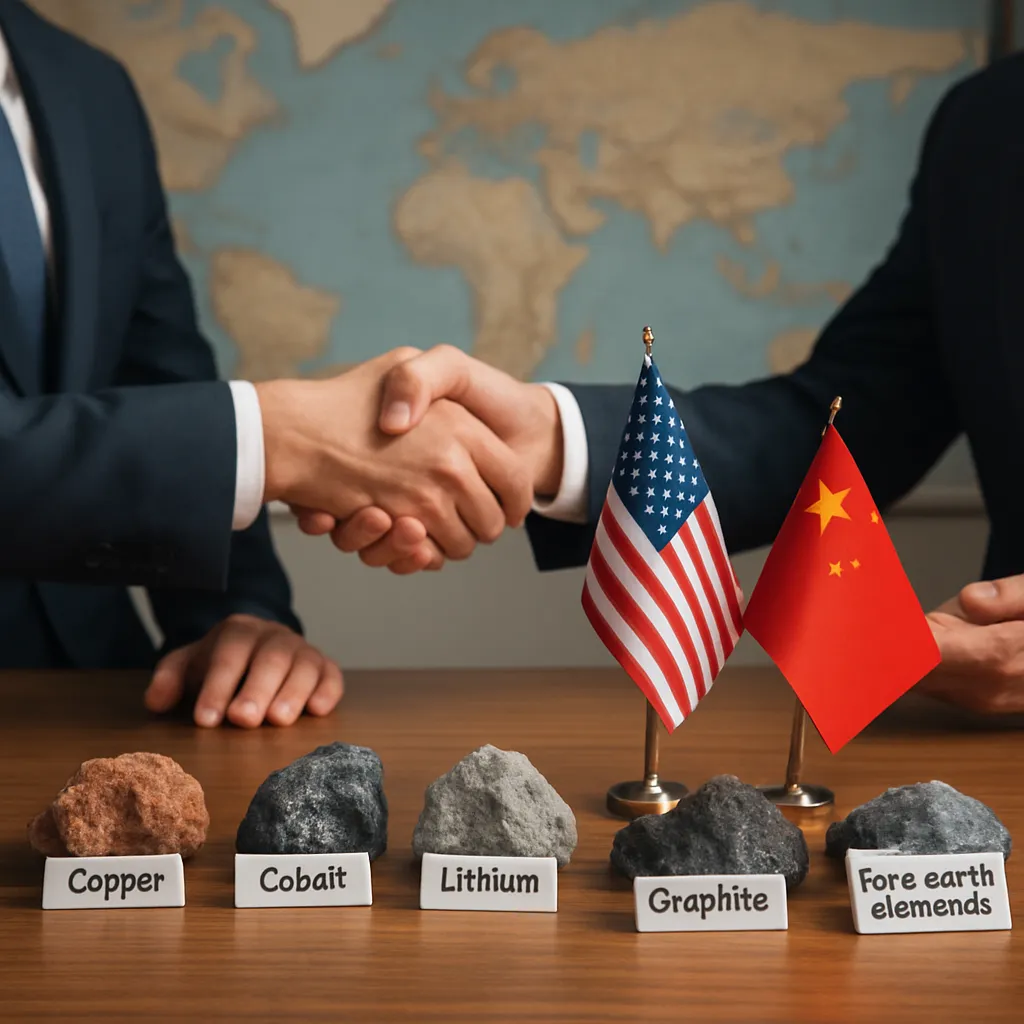
Such realignments are not purely economic; they reflect deeper geopolitics as nations vie for technological leadership. Trade agreements now include clauses on critical raw materials, and strategic reserves are being assembled to shield key industries from sudden embargoes or export taxes. Collaborations on research and shared processing infrastructure emerge alongside competition for resource control.
Innovations Driving Sustainability and Decarbonization
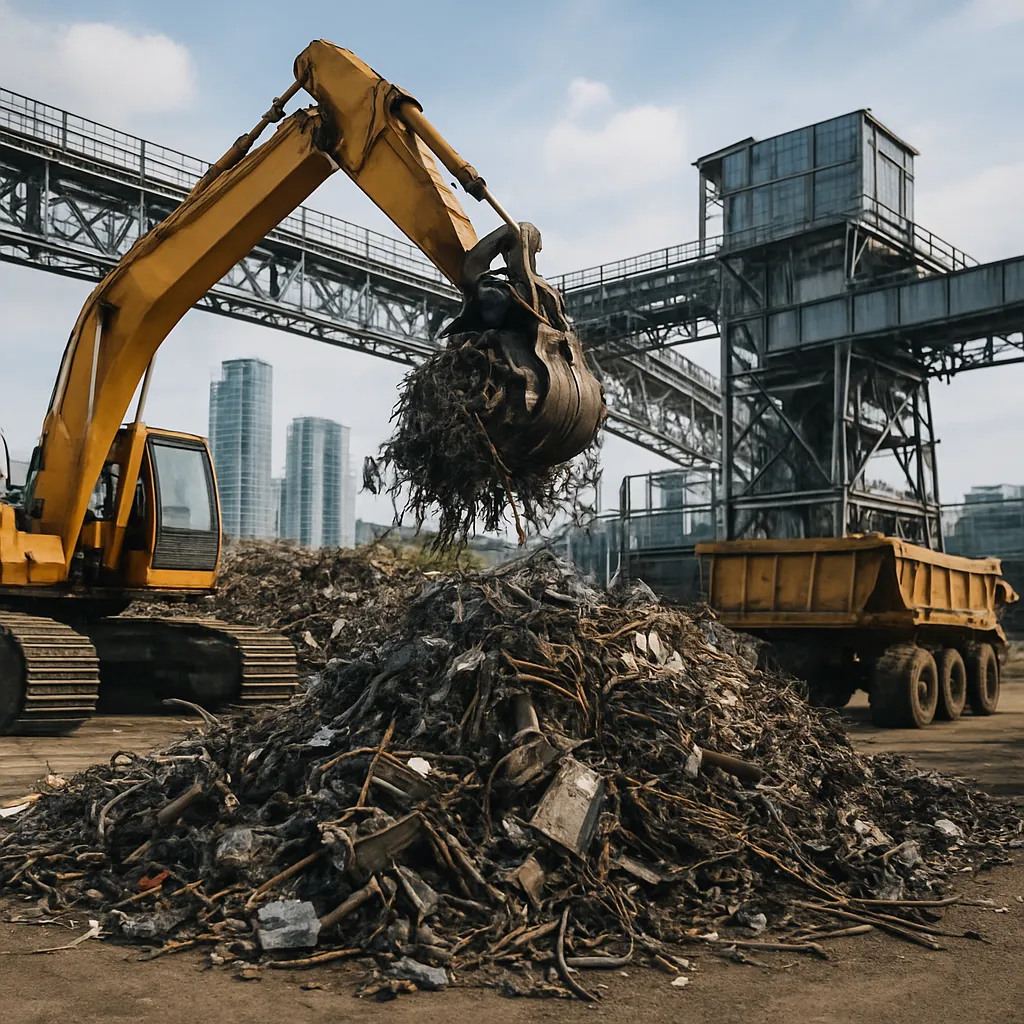
Battery developments are inseparable from broader ambitions of sustainability and decarbonization. The shift toward greener chemistries aims to minimize lifecycle carbon footprints and toxic discharge. Recycling technologies promise to reclaim metals from spent cells, potentially reducing reliance on virgin mining.
Efforts to close the circular economy loop include:
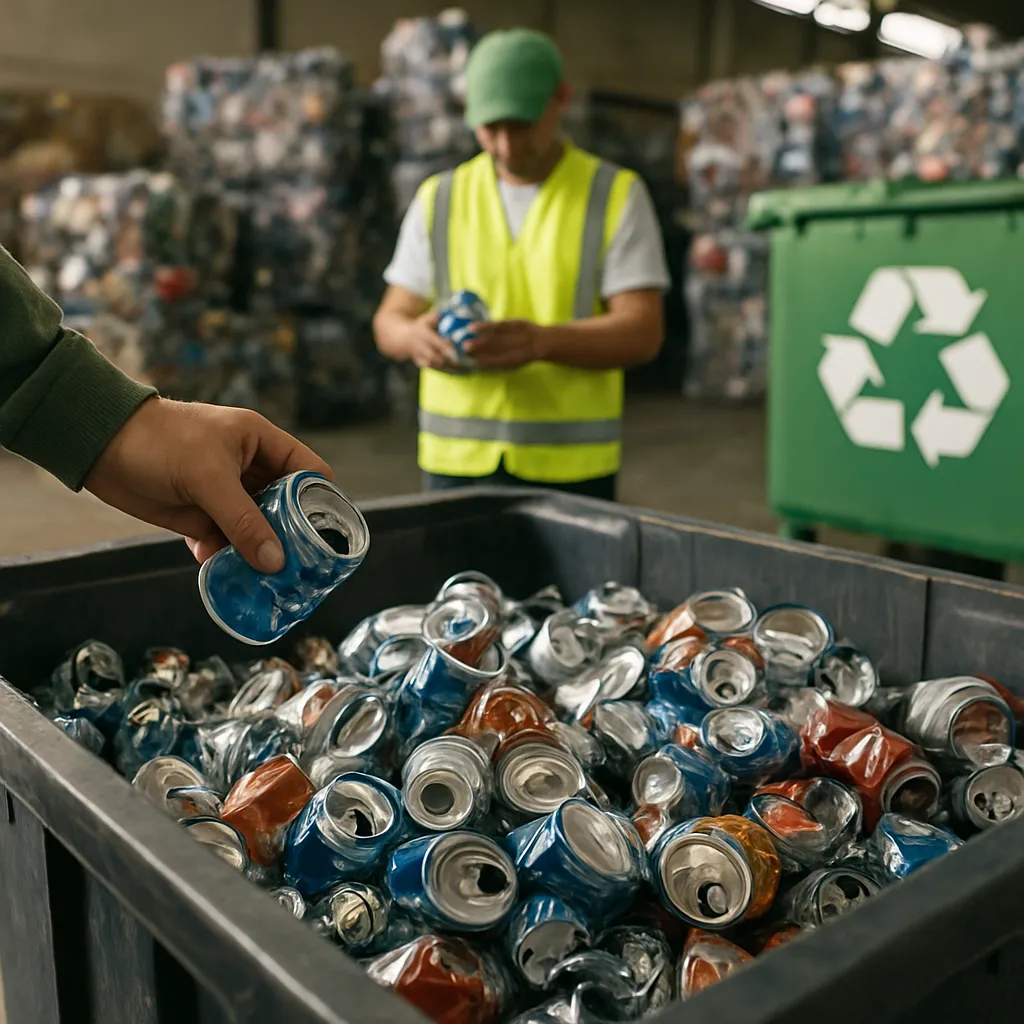
- Mechanical and hydrometallurgical processes to recover >90 percent of cobalt and nickel from black mass.
- Advanced sorting and sensor systems to streamline battery collection and disassembly.
- Novel solvent extraction techniques that cut energy use in metal purification.
As policy incentives and extended producer responsibility schemes gain traction, the balance of trade for recycled versus fresh materials will further evolve. Regions pioneering large-scale recycling plants may shift from net importers to exporters of refined battery metals, reinforcing new nodes in global trade networks.
Future Outlook for Resource Security and Investment
Looking ahead, the interplay between material innovation and commerce will intensify. Governments are likely to maintain or expand critical mineral export controls, while corporations invest in diversified portfolios of mines, refineries and recycling assets. Strategic alliances and joint ventures will underpin resilient supply chains, hedging against disruptions driven by pandemics, conflict or trade disputes.
Investors and policymakers must track chemical trends—whether the next breakthrough will favor sodium, magnesium or solid‐state lithium systems. Each advancement carries distinct raw material footprints, requiring recalibration of sourcing strategies. Ultimately, mastering the nexus of technology, resource availability and global logistics will determine competitive advantage in the accelerating race to electrify transportation and stabilize renewable power grids.