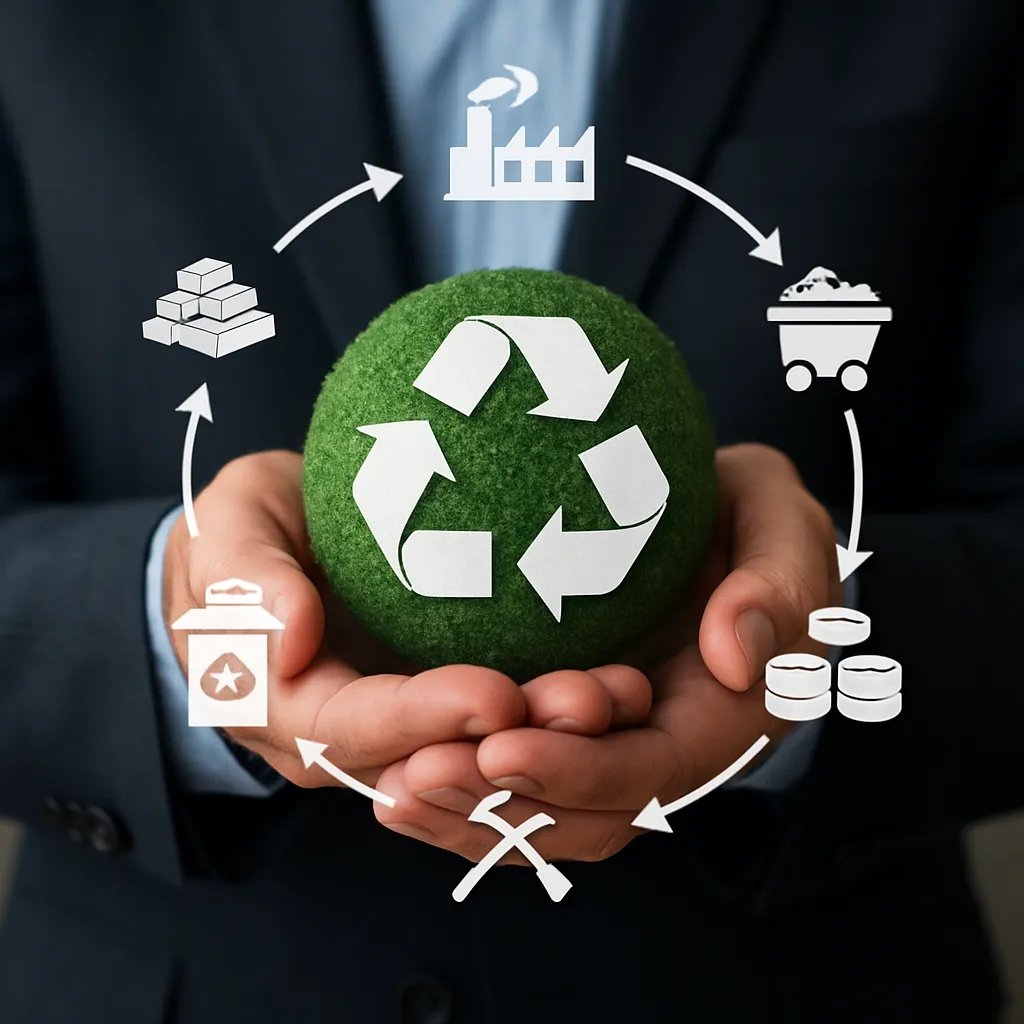
The escalating demand for electronics, electric vehicles, and renewable energy technologies has intensified global attention on securing critical materials. Among these, rare metals play an indispensable role in modern industry. As finite resources, their extraction, processing, and disposal carry significant environmental impact. Circular business models offer promising solutions to enhance sustainability, minimize waste, and ensure long-term resource security. This article explores the dynamics of the global rare metal economy, the challenges of traditional linear approaches, and emerging strategies that integrate circular principles across value chains.
Global Supply Chain Complexities
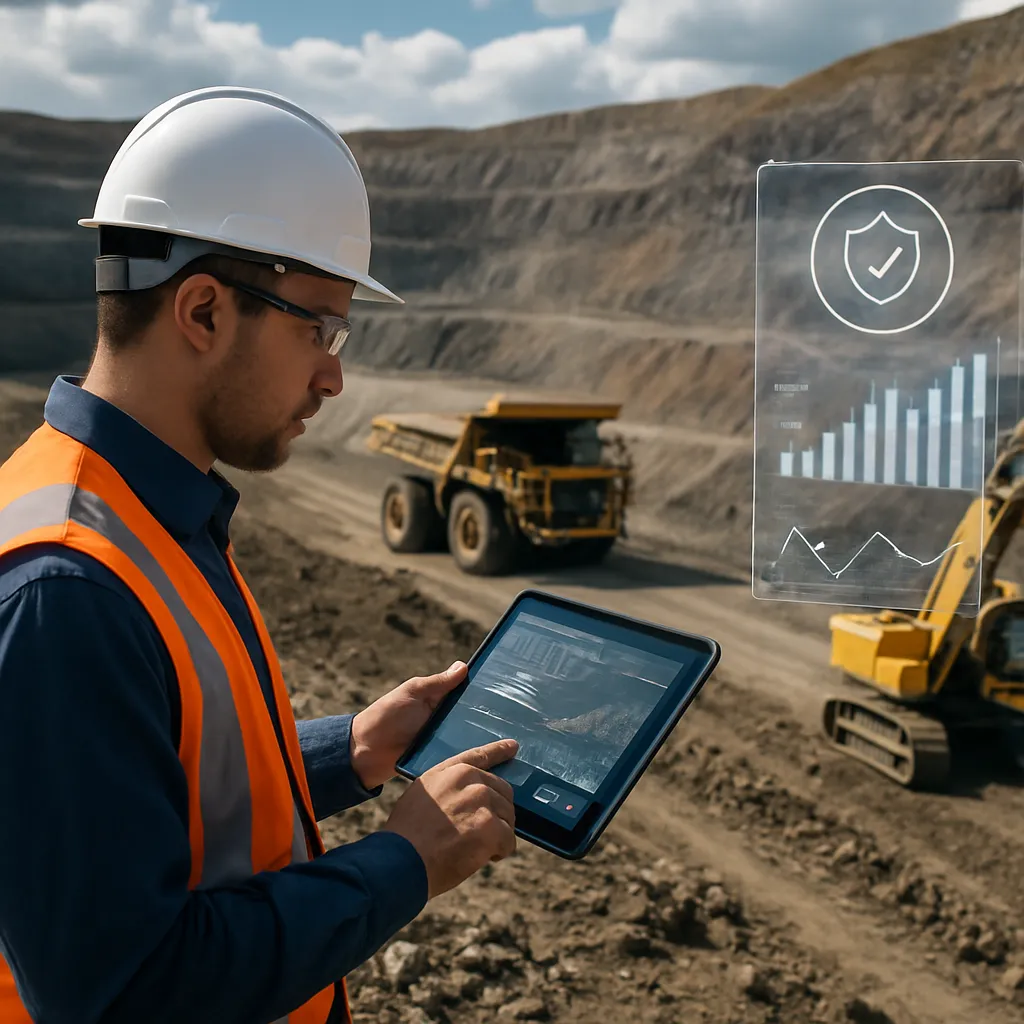
The journey of rare metals begins deep within geological formations, often in remote regions with sensitive ecosystems. Key components such as neodymium, cobalt, and lithium are vital for magnets, batteries, and catalysts. However, traditional mining and refining operations face multiple hurdles:
- Geopolitical Risks: Concentration of mining capacity in a few countries exposes supply chains to political instability and trade restrictions. Strong controls in these regions can lead to volatile pricing and uncertain availability.
- Environmental Degradation: Conventional extraction methods can cause soil erosion, water contamination, and habitat loss. High water consumption and toxic byproducts intensify community and regulatory pressures.
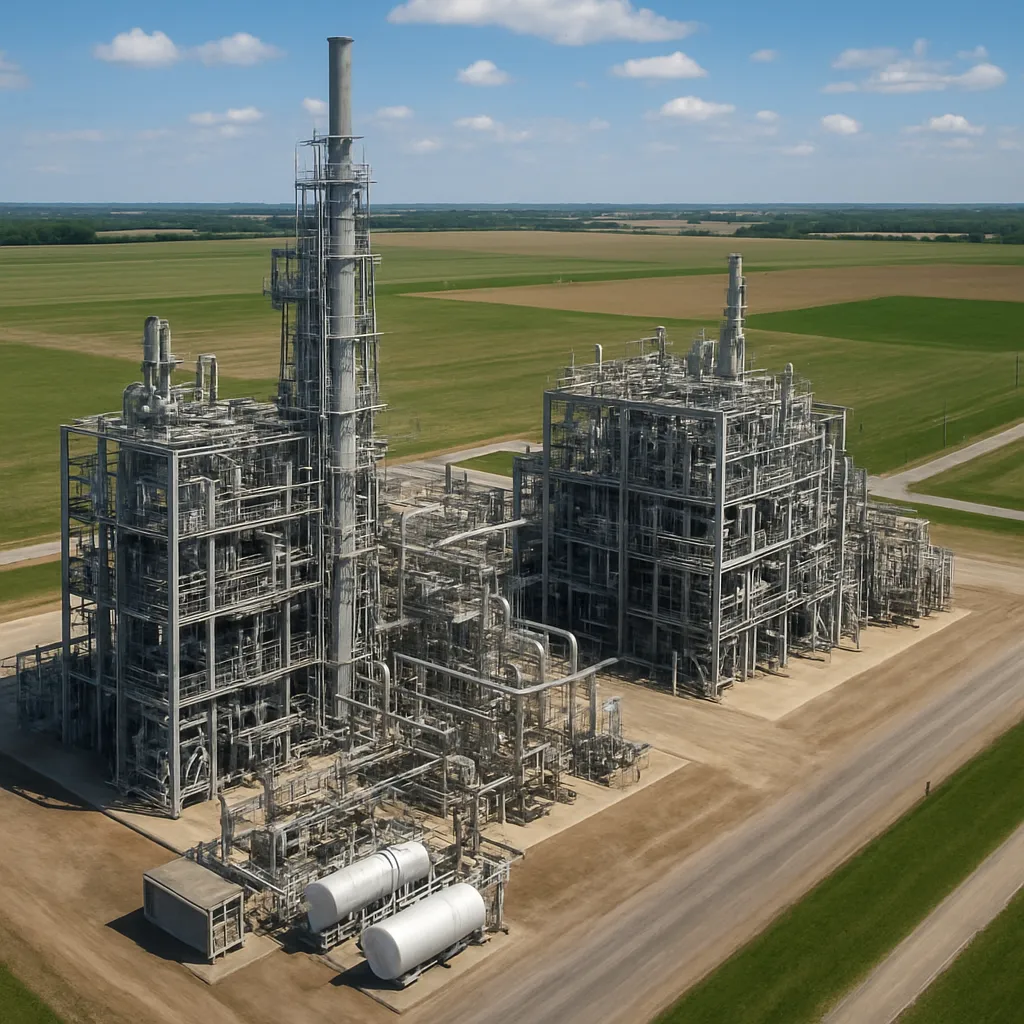
- Complex Processing Requirements: High-purity output demands advanced refining techniques. Smelting, flotation, and hydrometallurgical processes consume enormous energy, contributing to carbon emissions.
These complications underscore the urgency of adopting the circular economy concept to decouple growth from raw material depletion.
Designing Circular Business Models
Transitioning to a circular framework involves rethinking product design, manufacturing, and end-of-life management. Key strategies include:
- Product-as-a-Service (PaaS): Instead of selling devices, companies lease equipment and retain ownership of internal components. This incentivizes manufacturers to design for durability, repairability, and eventual disassembly.
- Extended Producer Responsibility (EPR): Obligates producers to manage collection, recycling, or safe disposal of their products. EPR schemes encourage investment in recovery infrastructure.
- Modular Design: Products built from interchangeable modules simplify upgrades and facilitate targeted material recovery. This approach reduces the need for full device replacement when only specific components become obsolete.
Implementing these models requires collaboration among stakeholders to align incentives across the value chain.
Emerging Technologies in Recycling and Recovery
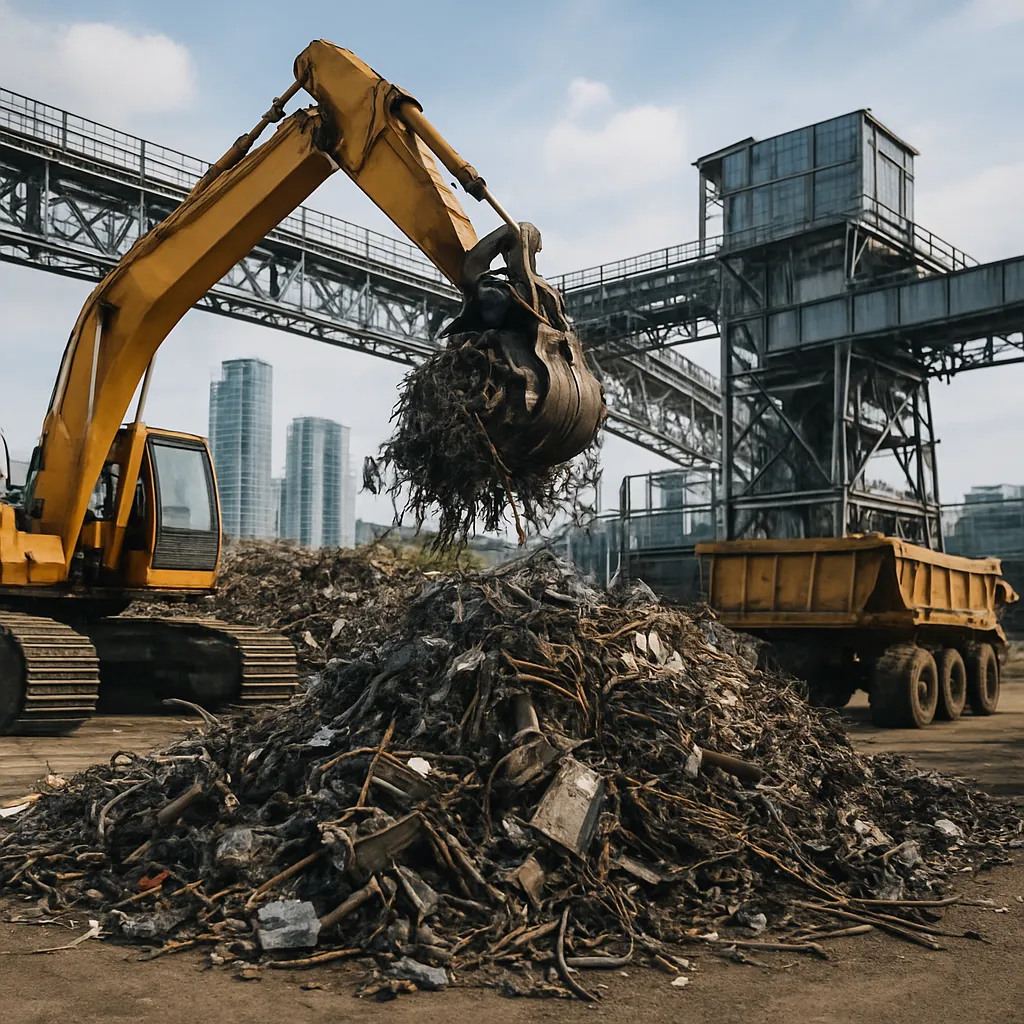
Technological innovation is central to unlocking the potential of urban mining—the process of reclaiming rare metals from end-of-life products. Key advancements include:
Hydrometallurgical Techniques
These processes use aqueous chemistry to leach metals from shredded waste. Targeted leaching can achieve high purity without the high temperatures of pyrometallurgy, reducing energy demand and emissions.
Biometallurgy
Leveraging microorganisms to extract metals offers a low-impact alternative. Certain bacteria and fungi produce organic acids or redox reactions that selectively solubilize metals, leaving inert residues.
Advanced Sorting and Shredding
State-of-the-art sensor-based systems (X-ray, near-infrared, eddy current) enable precise separation of metal alloys. Integrating AI-driven sorting algorithms improves yield and lowers contamination rates.
Policy Frameworks and International Cooperation
Effective transition to circular practices depends on robust regulatory frameworks and cross-border partnerships. Key policy levers include:
- Trade Incentives: Tariffs and subsidies can encourage import of recycled materials and domestically recycled content, stimulating local recovery industries.
- Standardization: Harmonizing material grades, testing protocols, and labeling schemes facilitates trade and quality assurance.
- Public-Private Partnerships: Government funding for pilot projects, matched by industry contributions, accelerates scaling of innovative recovery technologies.
- Data Transparency: Traceability platforms leveraging blockchain or digital tags ensure accountability and discourage illicit mining practices.
Aligning these elements across regions helps build resilient, diversified supply networks.
Challenges and Future Outlook
Despite progress, significant barriers persist:
- Economic Viability: Recycling operations must compete with low-cost primary extraction. Subsidies or carbon pricing may be needed to level the playing field.
- Technological Maturity: Some recovery methods remain in pilot stages, requiring further R&D to improve yield and reduce costs.
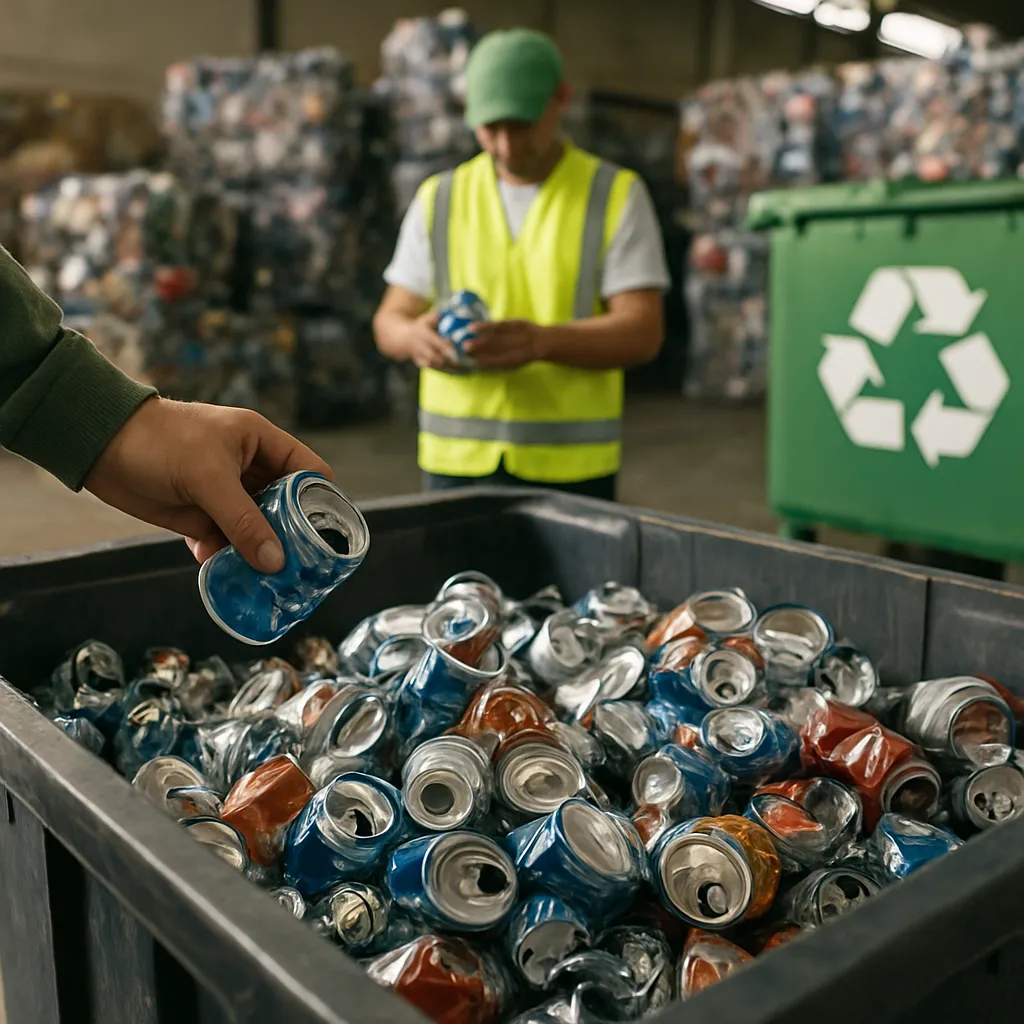
- Consumer Behavior: Effective take-back programs depend on public participation. Education campaigns and convenient collection points can boost recycling rates.
- Infrastructure Gaps: Many regions lack the facilities for safe disassembly and processing of electronic waste, leading to export to informal sectors with poor environmental controls.
Nevertheless, the convergence of innovation, policy momentum, and market demand heralds a turning point. By integrating circular principles, industry stakeholders can mitigate supply risks, reduce carbon footprints, and unlock new economic opportunities. The emerging ecosystem, underpinned by digital tracking and collaborative networks, promises to transform waste streams into sources of value.