The transition to a low-carbon and technologically advanced society has intensified the global focus on securing a stable supply of critical raw ingredients. Among these, rare metals play an indispensable role in manufacturing electric vehicles, renewable energy systems, and high-performance electronics. As geopolitical tensions and environmental concerns grow, the emergence of robust local recycling ecosystems for critical materials offers a promising pathway to reduce dependency on unpredictable imports, lower carbon footprints, and foster a resilient circular economy.
Importance of Local Recycling Ecosystems
Establishing local infrastructures capable of reclaiming precious elements from end-of-life products and industrial waste is more than a logistical improvement; it represents a strategic asset. By doing so, regions can:
- Mitigate the risks associated with concentrated mining hubs and export restrictions.
- Reduce the environmental impact of long-distance transportation of heavy ores and concentrates.
- Create high-value employment opportunities in sustainable materials management.
The economic rationale for local recycling lies in the high value-to-weight ratio of many rare metals such as neodymium, cobalt, and lithium. Small quantities of these materials carry significant embedded value, making collection and processing closer to points of consumption financially attractive. Furthermore, strong local recycling networks support national security goals by ensuring access to components critical for defense and emerging technologies.
Technological Innovations in Recovery Processes
Advances in recycling technologies are driving breakthroughs in the efficiency and yield of metal recovery. Key developments include:
Hydrometallurgical Techniques
- Use of tailored leaching agents to selectively dissolve target metals.
- Closed-loop acid recovery systems to minimize waste and chemical consumption.
Pyrometallurgical Upgrades
- Smelting and refining processes optimized to separate multiple elements in a single feedstock.
- Energy recovery integration to harness heat from high-temperature operations.
Bioleaching and Bioprocessing
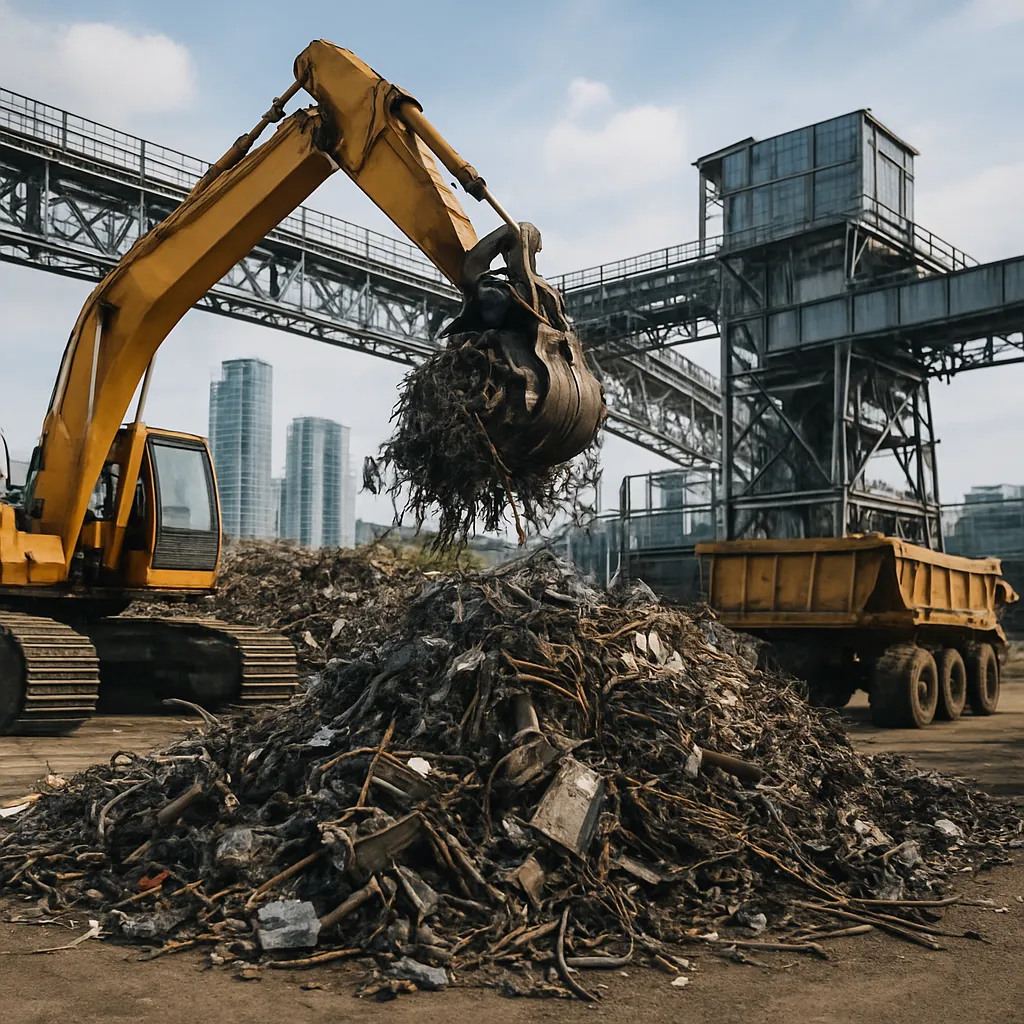
- Microbial cultures engineered to oxidize and mobilize metals from shredded electronics.
- Reduction of energy requirements compared to conventional high-heat methods.
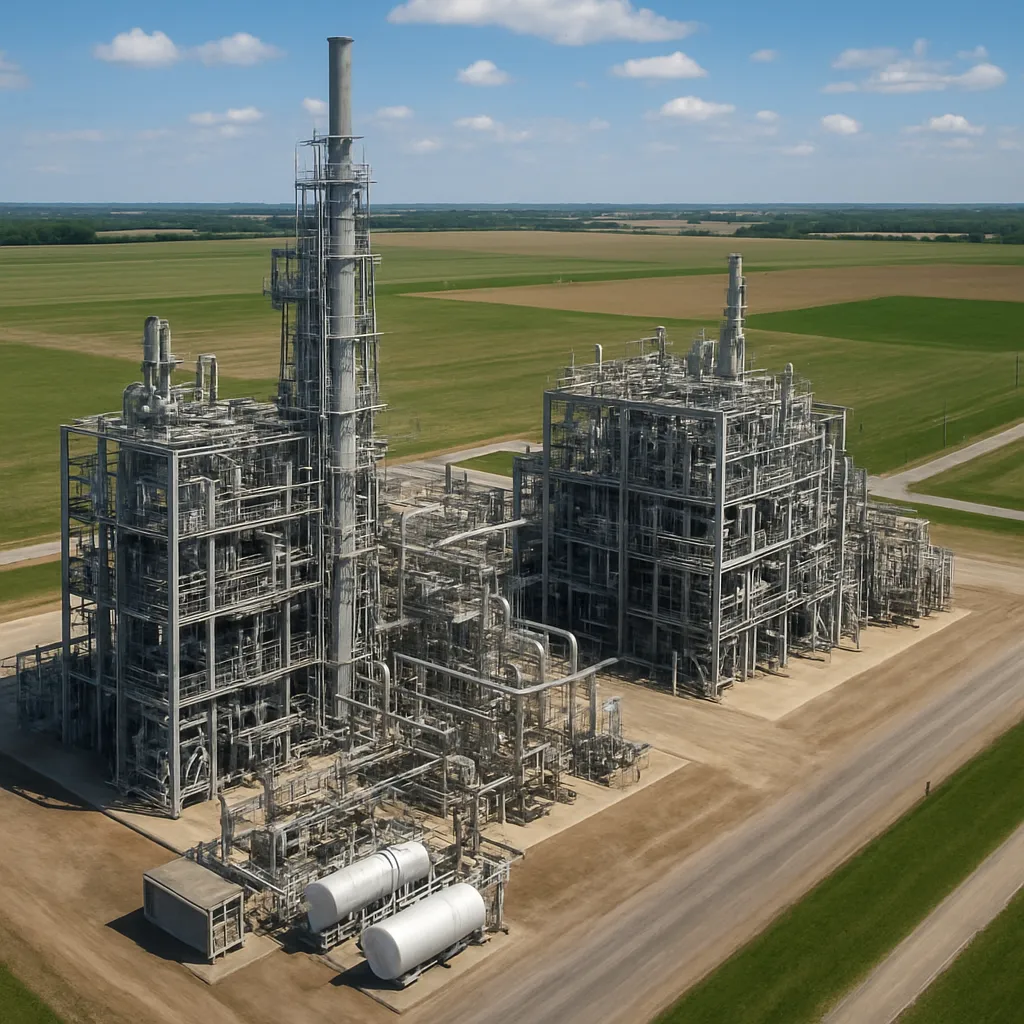
Each of these approaches contributes to a more efficient utilization of resources, enabling the recovery of over 90% of certain rare metals from spent magnets or battery wastes. Moreover, modular plant designs allow mid-sized facilities to be deployed near urban centers, where consumer electronics and end-of-life batteries are densely concentrated.
Economic and Environmental Impacts
Local recycling ecosystems generate a suite of positive outcomes:
- Reduced carbon emissions by cutting transportation distance and replacing energy-intensive primary mining.
- Revenue diversification for municipalities that host recycling centers, through tipping fees and sale of reclaimed metals.
- Lower risk premiums for manufacturers who rely on stable, traceable metal supplies.
Studies show that recycling one ton of lithium-ion batteries can save up to nine tons of CO2-equivalent emissions compared to mining and refining virgin ores. In addition, life-cycle assessments confirm that supply chain resilience increases as more reclaimed materials circulate within regional networks. These positive externalities often translate into policy incentives such as tax breaks or direct grants, further enhancing project viability.
Policy Frameworks and Incentives
Governments have a critical role in nurturing these ecosystems through clear regulations and targeted support:
Extended Producer Responsibility (EPR)
- Mandates that manufacturers finance or operate take-back and recycling programs for their products.
- Encourages design for recyclability, reducing disassembly costs and improving material purity.
Subsidies and Grants
- Capital support for pilot projects demonstrating innovative recycling technologies.
- Operational subsidies to bridge the gap during initial scale-up phases.
Trade Regulations
- Tariff reductions for recycled content to stimulate domestic demand.
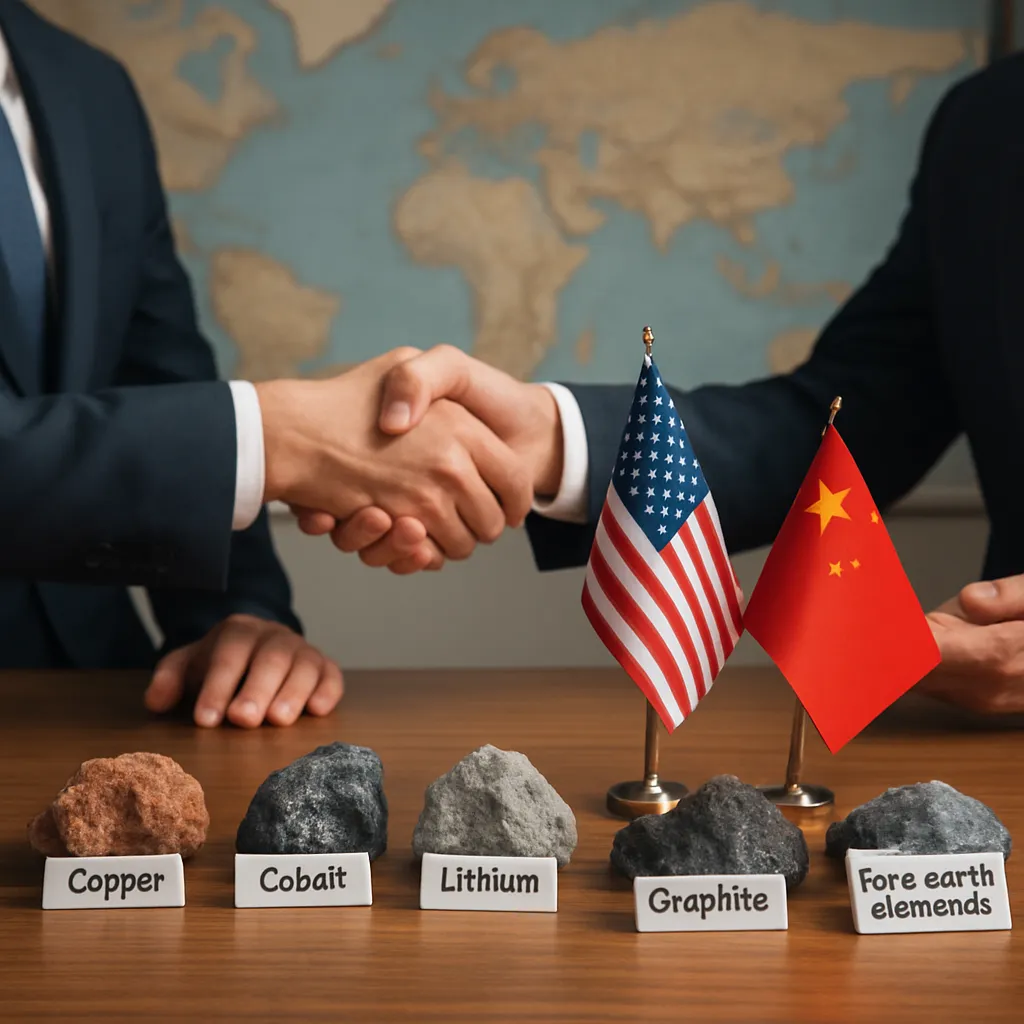
- Restrictions on the export of certain e-waste categories to ensure processing within national borders.
When aligned, such instruments create an ecosystem where private investment flows into both technology development and facility construction, charting a path toward full-scale commercialization.
Challenges and Future Directions
Despite strong momentum, several hurdles remain:
- Variability in feedstock composition that complicates process standardization.
- Need for sophisticated sorting and pre-treatment to avoid cross-contamination.
- High energy and water consumption in certain recovery routes, calling for integrated resource management.
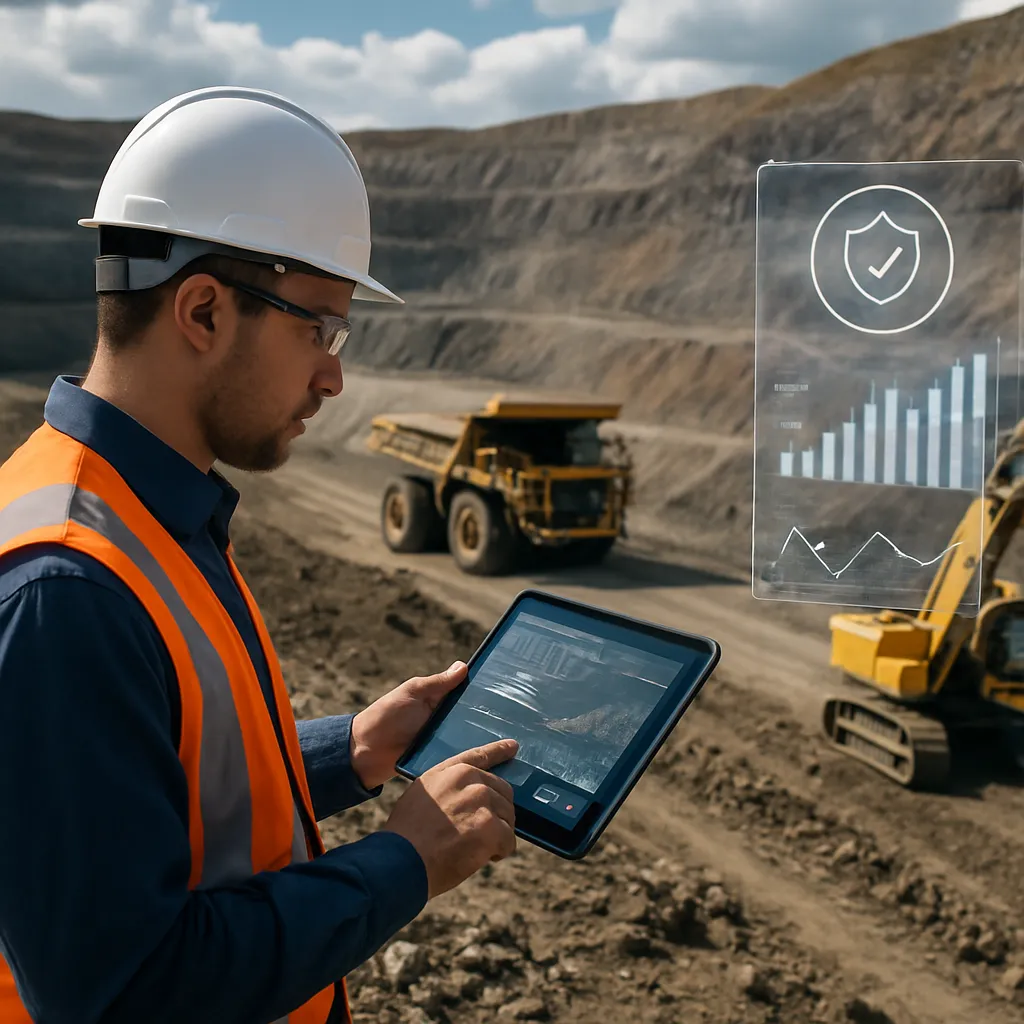
Emerging solutions are on the horizon. Digital tracking tools, including blockchain-based material passports, promise to enhance transparency and traceability. Innovation in green solvents and low-temperature hydrometallurgy aims to reduce environmental impacts further. Partnerships between academic institutions, private enterprises, and local authorities are crucial for piloting these next-generation systems. By channeling resources into R&D and workforce training, regions can establish a competitive edge in the global market for recycled rare metals.
Case Studies: Regional Success Stories
Several jurisdictions have already demonstrated the viability of local recycling ecosystems:
- In Europe, a consortium of automotive OEMs and recycling firms has developed a network to reclaim neodymium and dysprosium from traction motors.
- Japan has leveraged advanced hydrometallurgical plants to recover cobalt and nickel from spent lithium-ion batteries at scale.
- North American initiatives are piloting community-based e-waste hubs that feed into centralized smelting operations, closing the loop on consumer electronics.
These examples illustrate that geographic diversity in recycling approaches can coexist with harmonized standards, enabling cross-border collaboration and technology transfer.
Concluding Outlook
The rise of local recycling ecosystems for critical materials marks a decisive shift towards resilience and environmental stewardship in the global rare metals landscape. By integrating advanced recovery technologies, supportive policies, and collaborative frameworks, regions can secure the materials necessary for the energy transition and digital revolution. As these ecosystems mature, they will not only reduce external dependencies but also foster innovation, create skilled jobs, and drive sustainable economic growth.