The rapid expansion of modern technologies, from electric vehicles to renewable energy systems, has catapulted global demand for rare metals to unprecedented levels. These elements—such as lithium, cobalt, nickel and rare earth elements—are indispensable for high-performance batteries, wind turbines and advanced electronics. However, unchecked growth in mining and consumption poses severe risks to ecosystems, communities and long-term resource availability. Striking a balance between economic growth and mineral conservation requires a multifaceted approach that spans sustainable practices, cutting-edge technologies and robust policy frameworks.
Assessing the Rising Demand for Rare Metals
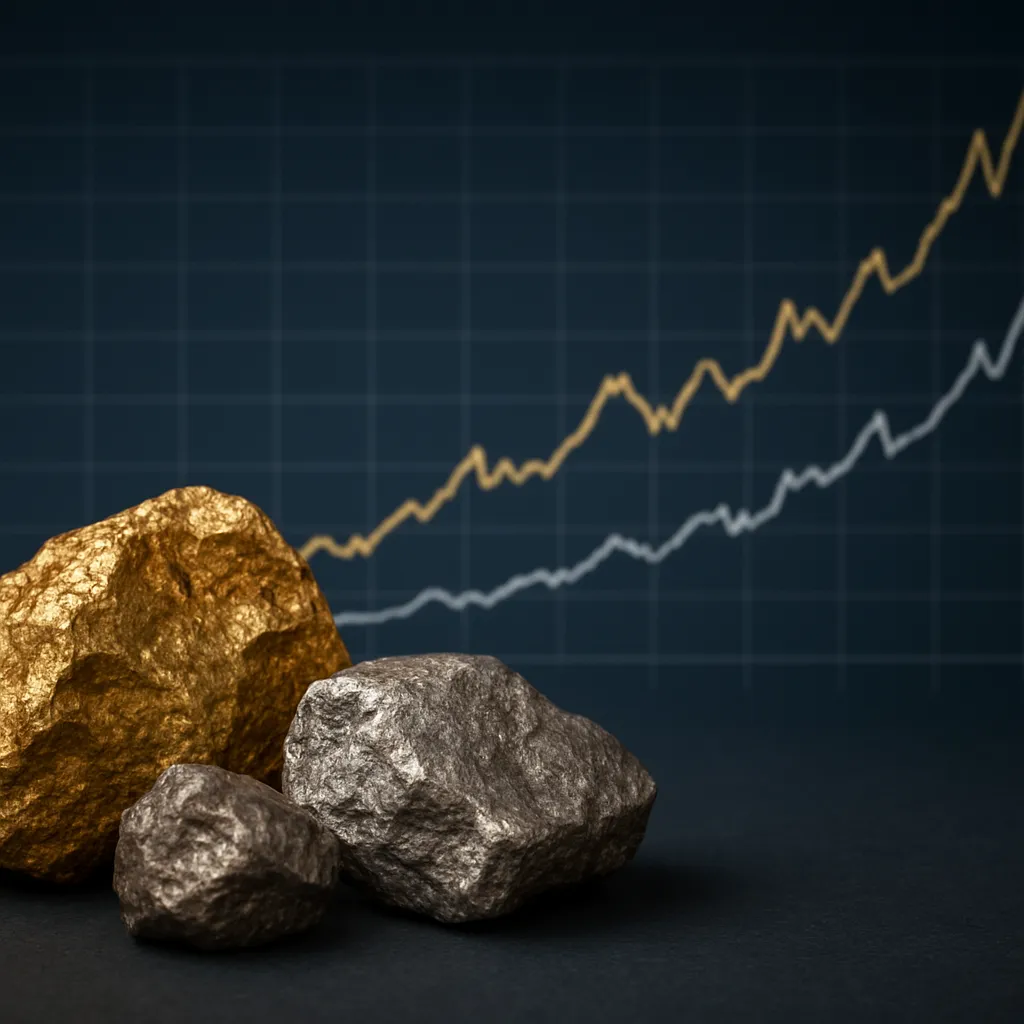
The shift towards carbon-free energy solutions has rendered certain metals truly critical to the global supply chain. Lithium-ion batteries, for example, rely on a mix of cobalt, nickel and manganese. Meanwhile, neodymium and dysprosium enable powerful magnets used in wind turbines and electric motors. As nations pursue decarbonization targets, annual consumption rates for these metals are expected to double—or even triple—within the next two decades.
Such surging demand carries multiple implications:
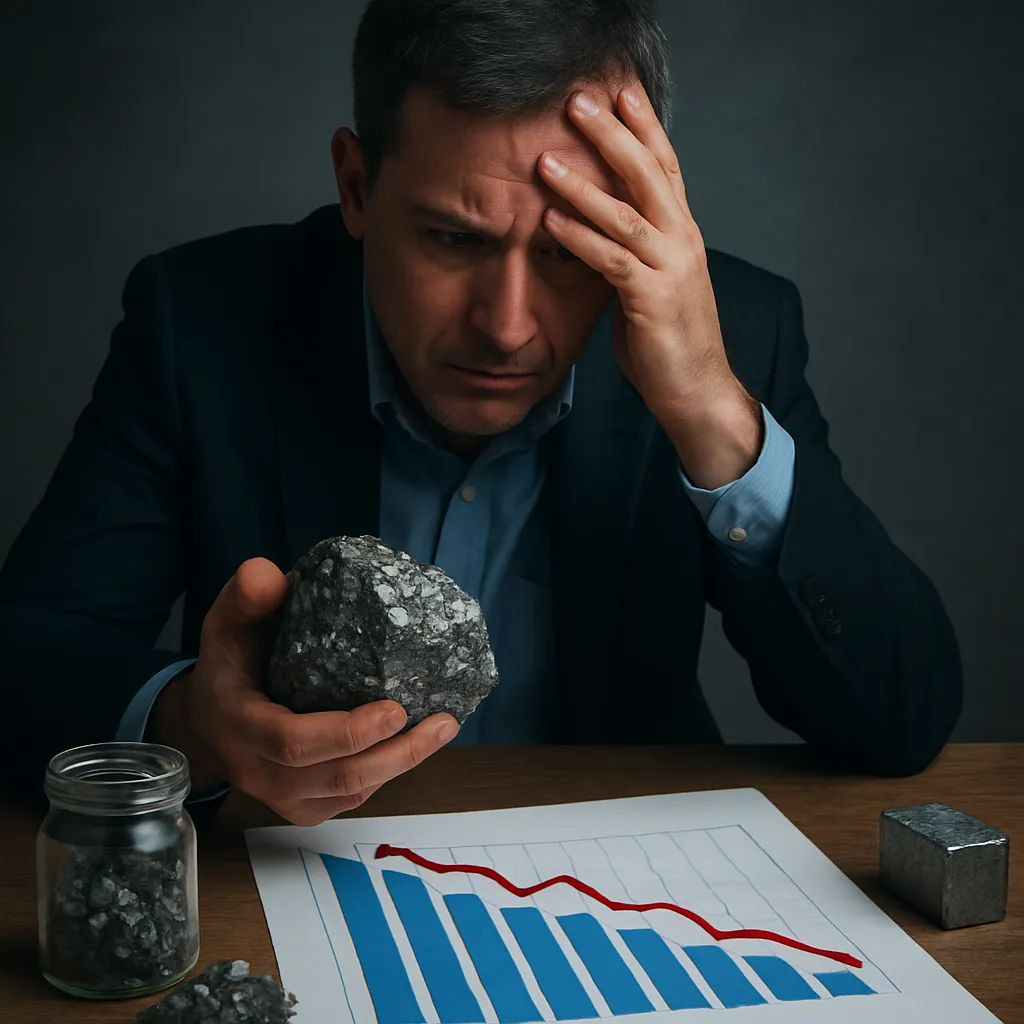
- Market volatility: Price spikes driven by geopolitical tensions or supply disruptions.
- Resource depletion: Finite reserves concentrated in a handful of countries risk being exhausted sooner than anticipated.
- Environmental impact: Increased mining operations often result in habitat loss and water contamination.
Meeting demand without compromising future generations hinges on improving efficiency at every stage—from extraction to end-of-life management.
Environmental and Social Challenges in Extraction
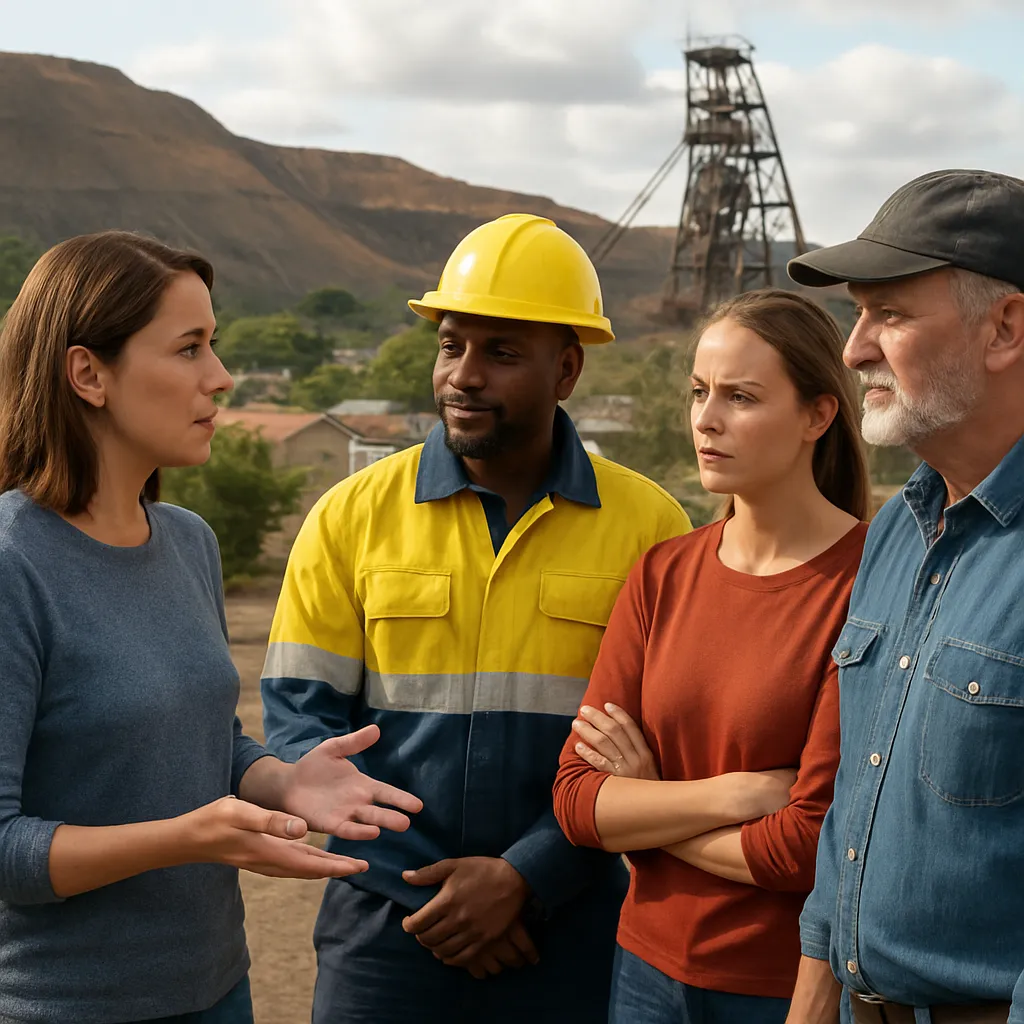
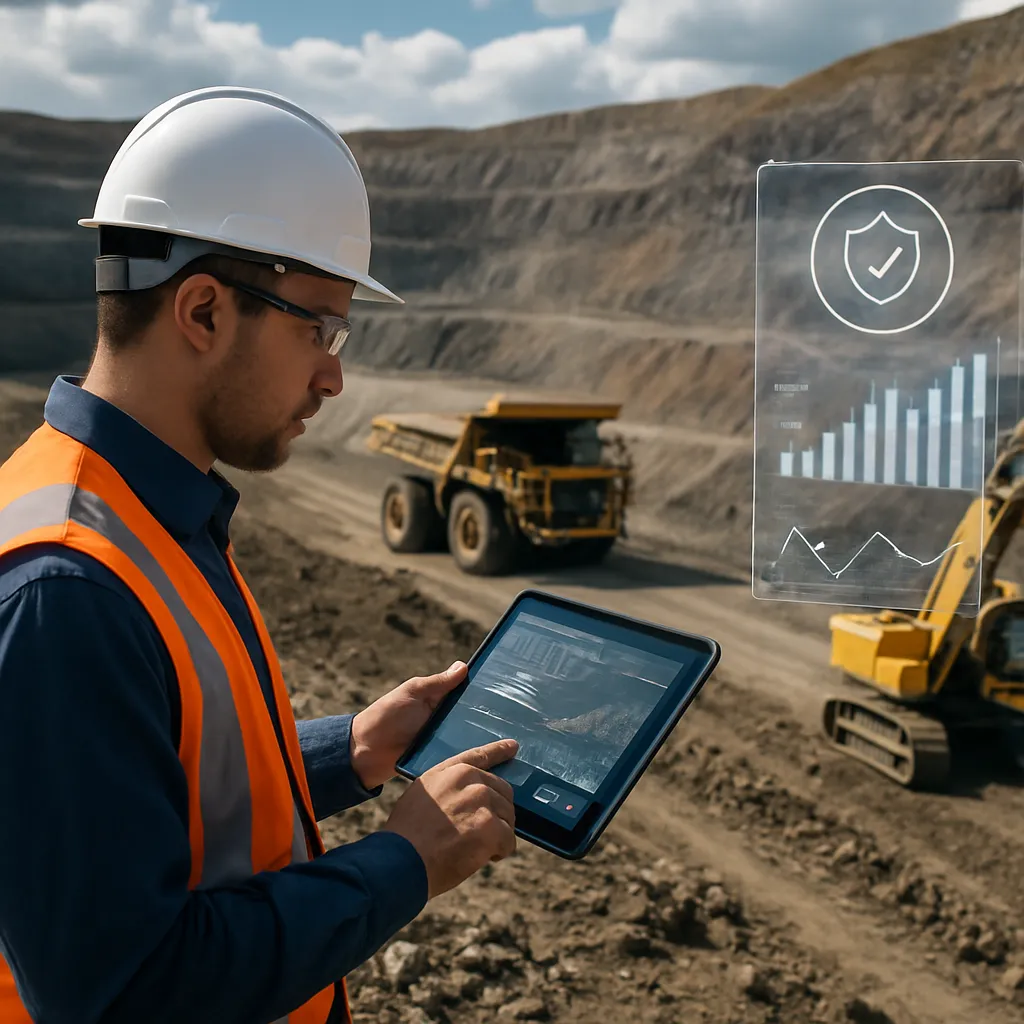
Mining activities for rare metals often occur in biodiverse regions or in proximity to vulnerable communities. The removal of topsoil, use of toxic chemicals and excessive water withdrawal can lead to soil erosion, groundwater pollution and loss of biodiversity. Inadequate regulation or weak governance structures may exacerbate these impacts, giving rise to labor abuses and social unrest.
Key Concerns Around Conventional Mining
- Deforestation and habitat fragmentation in tropical regions.
- Health risks for local populations exposed to heavy metals and dust.
- Displacement of indigenous peoples without proper consultation or compensation.
Addressing these challenges demands a commitment to responsible sourcing, transparent supply chains and community engagement protocols that respect human rights and environmental thresholds.
Innovative Strategies for Resource Conservation
Embracing the principles of the circular economy can transform how rare metals are handled throughout their lifecycle.
Rather than relying solely on virgin extraction, industry leaders are investing in:
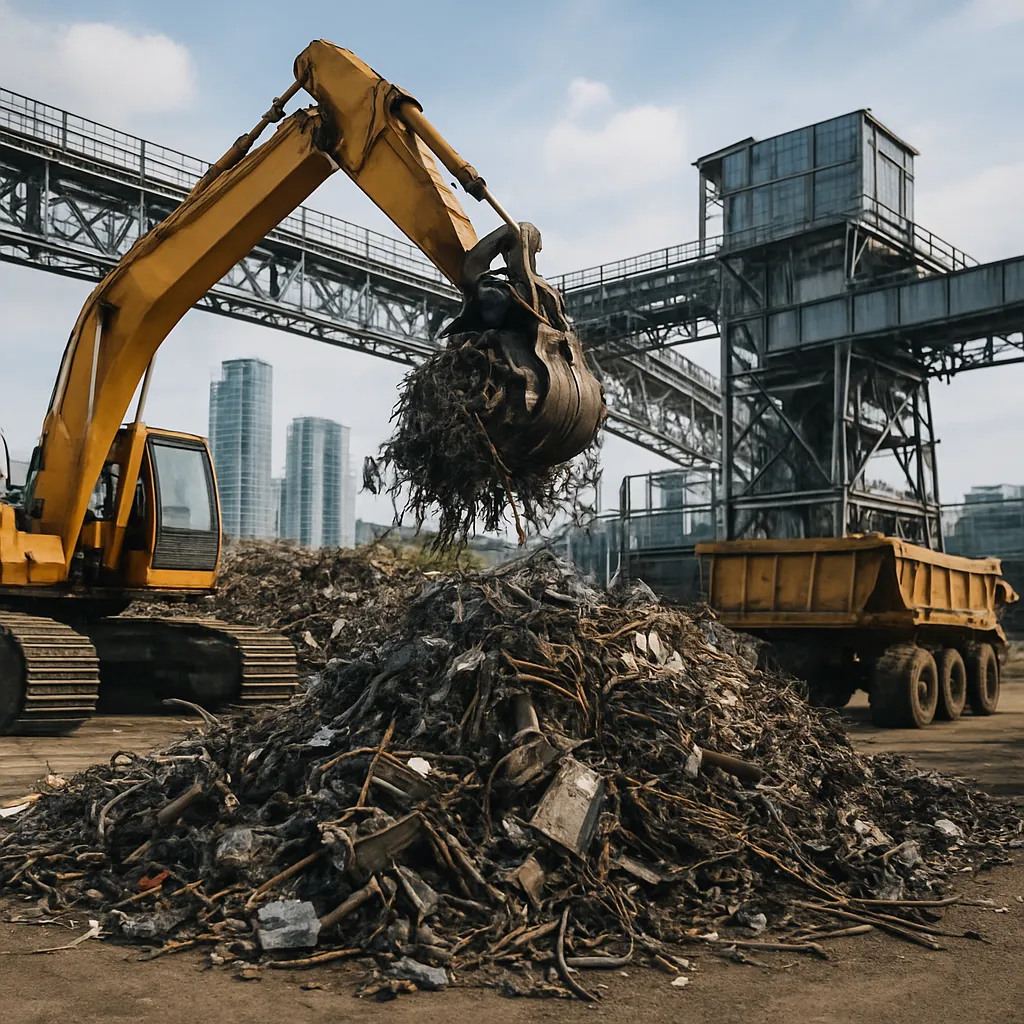
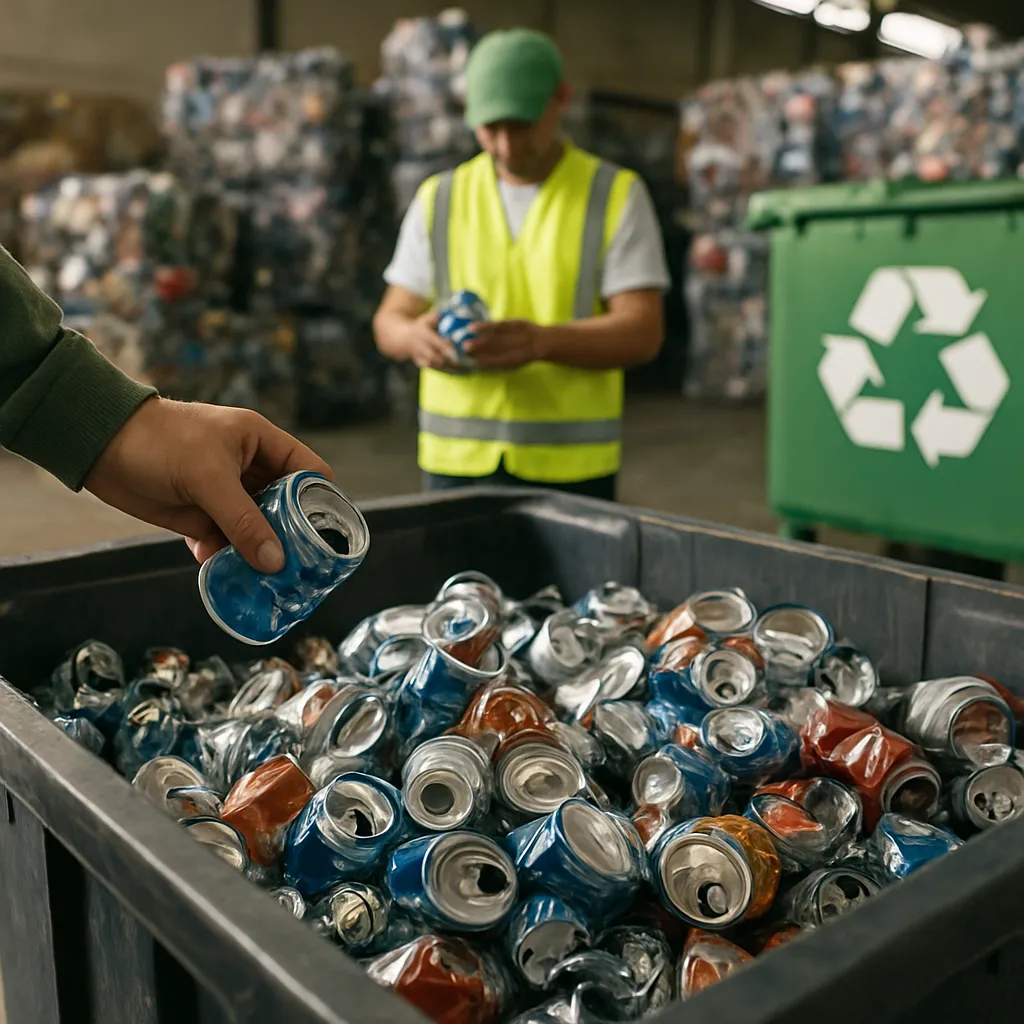
- Recycling programs for spent batteries and electronic waste.
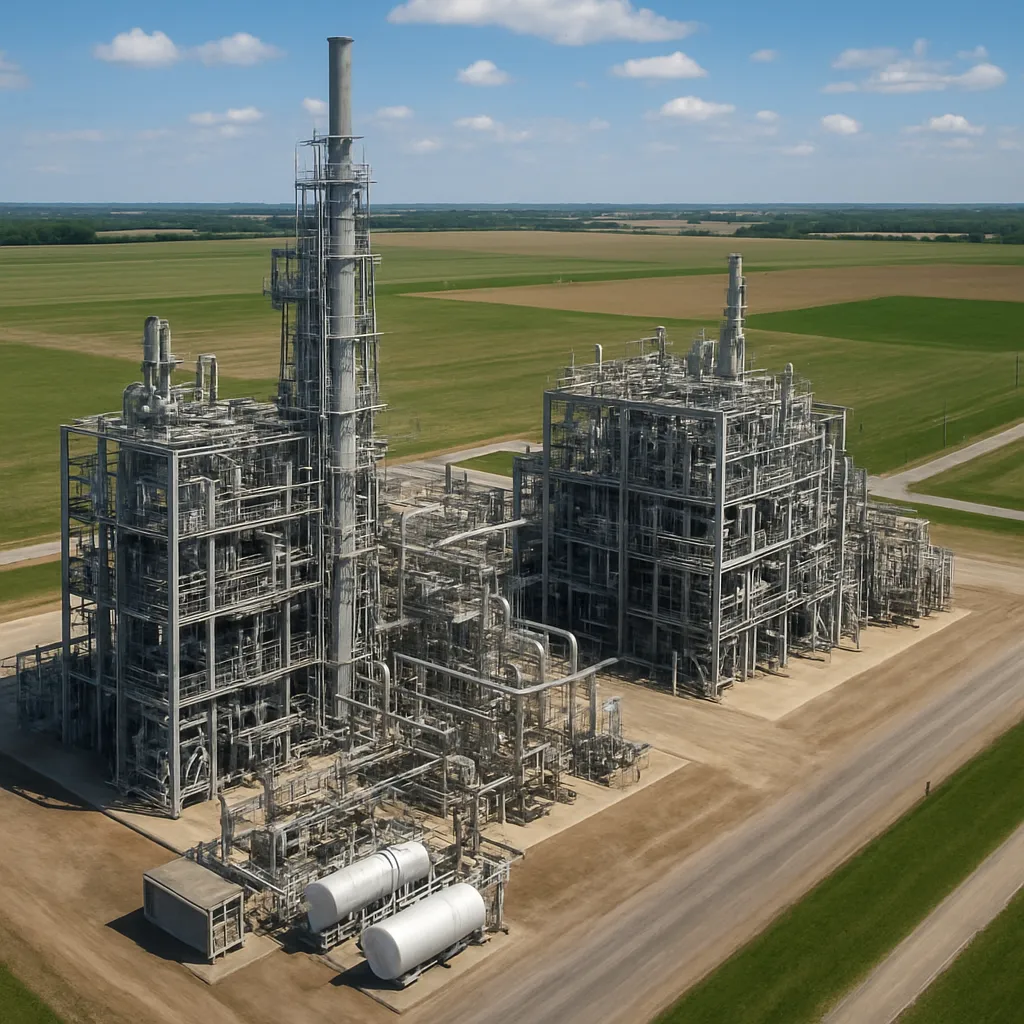
- Advanced metallurgy techniques for efficient material recovery.
- Design-for-disassembly in consumer electronics to simplify component reuse.
In addition, digital tracing technologies—leveraging blockchain and IoT sensors—enable real-time tracking of material origins and processing steps, bolstering supply chain transparency. Research into bioleaching and other low-impact extraction methods also shows promise, with certain bacteria capable of selectively isolating metals from ores without harsh chemicals.
These innovations not only reduce environmental footprints but also enhance system-wide resilience. By diversifying sources—through urban mining, industrial symbiosis and secondary markets—the global economy can better withstand shocks and price swings.
Policy Frameworks and International Cooperation
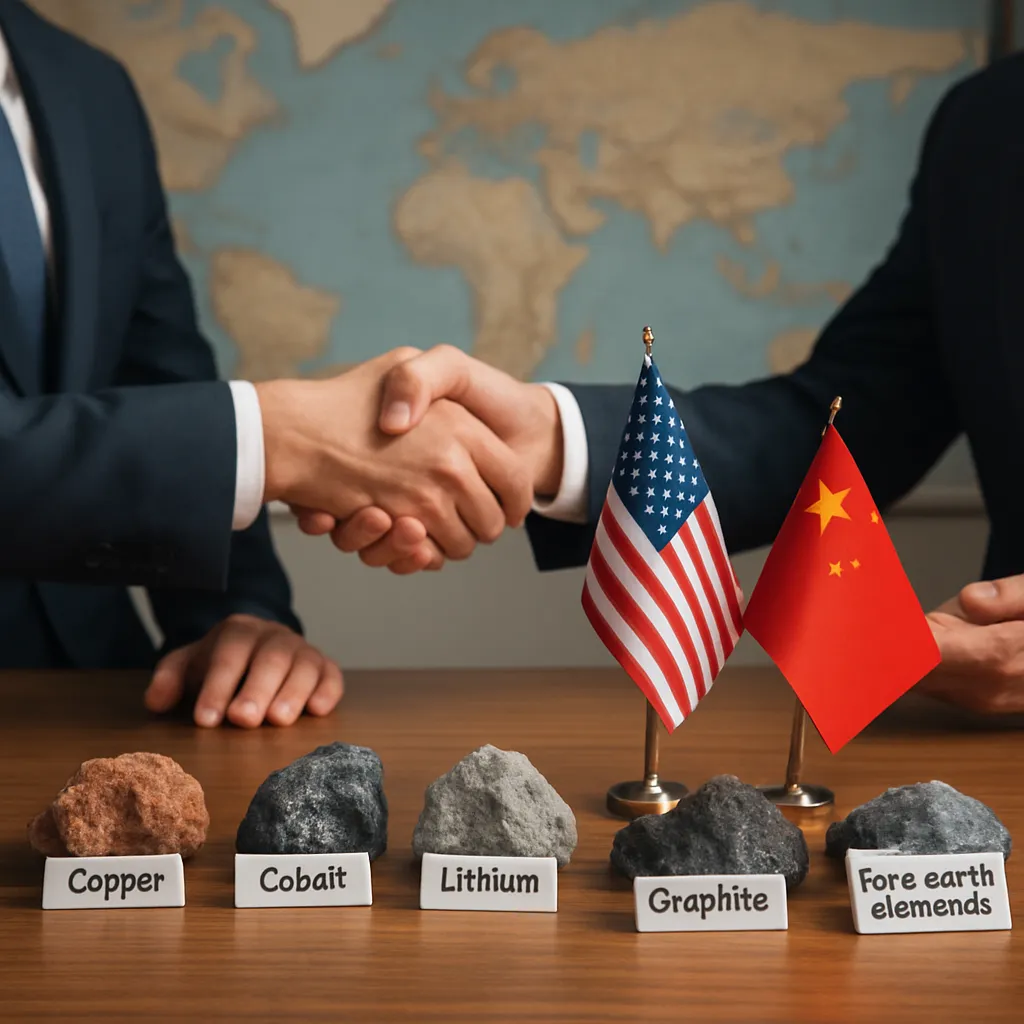
No single nation can tackle rare-metal sustainability in isolation. International collaboration is pivotal for harmonizing standards, sharing best practices and incentivizing green investments. Key policy levers include:
- Trade agreements that mandate environmental and social performance criteria.
- Subsidies or tax credits for research into low-impact mining and recycling technologies.
- Certification schemes recognizing responsibly sourced materials.
Multilateral bodies, such as the United Nations and regional development banks, can facilitate dialogue among governments, industry and civil society. Public–private partnerships further accelerate capacity building, ensuring that emerging economies have access to technology transfer and financing for sustainable projects.
Ultimately, the path to balancing economic growth with mineral conservation rests on aligning market incentives with environmental stewardship. By integrating sustainable extraction methods, boosting material innovation and strengthening global governance networks, societies can secure a future in which rare metals continue to power technological progress—without depleting the very foundations of life on Earth.