The complex relationship between critical minerals and national defense policy underscores a new era in which strategic resources shape global power dynamics. As demand for advanced technologies grows, securing a stable and diversified supply of these materials becomes integral to military readiness, economic stability, and diplomatic influence. This article explores the distribution of vital minerals, their geostrategic importance, and the innovations poised to transform future supply chains.
Global Distribution of Critical Minerals
Critical minerals such as rare earth elements, lithium, cobalt, and nickel underpin the production of everything from high-strength alloys to next-generation batteries. These commodities are unevenly distributed worldwide, leading to concentrated sources of supply that carry geopolitical risks. Understanding where and how these materials are extracted is the first step in assessing vulnerability and crafting robust national defense strategies.
Major Deposits and Extraction Challenges
Large deposits of rare earth elements are predominantly found in China, with smaller reserves in Australia, the United States, and parts of Africa. Lithium resources are concentrated in the “Lithium Triangle” of South America—Argentina, Bolivia, and Chile—while cobalt is mined extensively in the Democratic Republic of Congo. This geographic concentration introduces several challenges:
- Political instability in key producing regions
- Environmental concerns related to water usage and waste management
- Export restrictions and tariffs imposed by major suppliers
Given these hurdles, relying on a single supplier or region can compromise military and industrial capabilities in times of crisis.
Geostrategic Implications and Defense Considerations
Securing access to critical minerals has evolved into a paramount concern for national defense planners. Modern weapon systems, including guided missiles, stealth aircraft, and advanced communication networks, rely heavily on specialized alloys, magnetic materials, and catalytic compounds derived from rare or difficult-to-produce elements.
Resource Diplomacy and Alliances
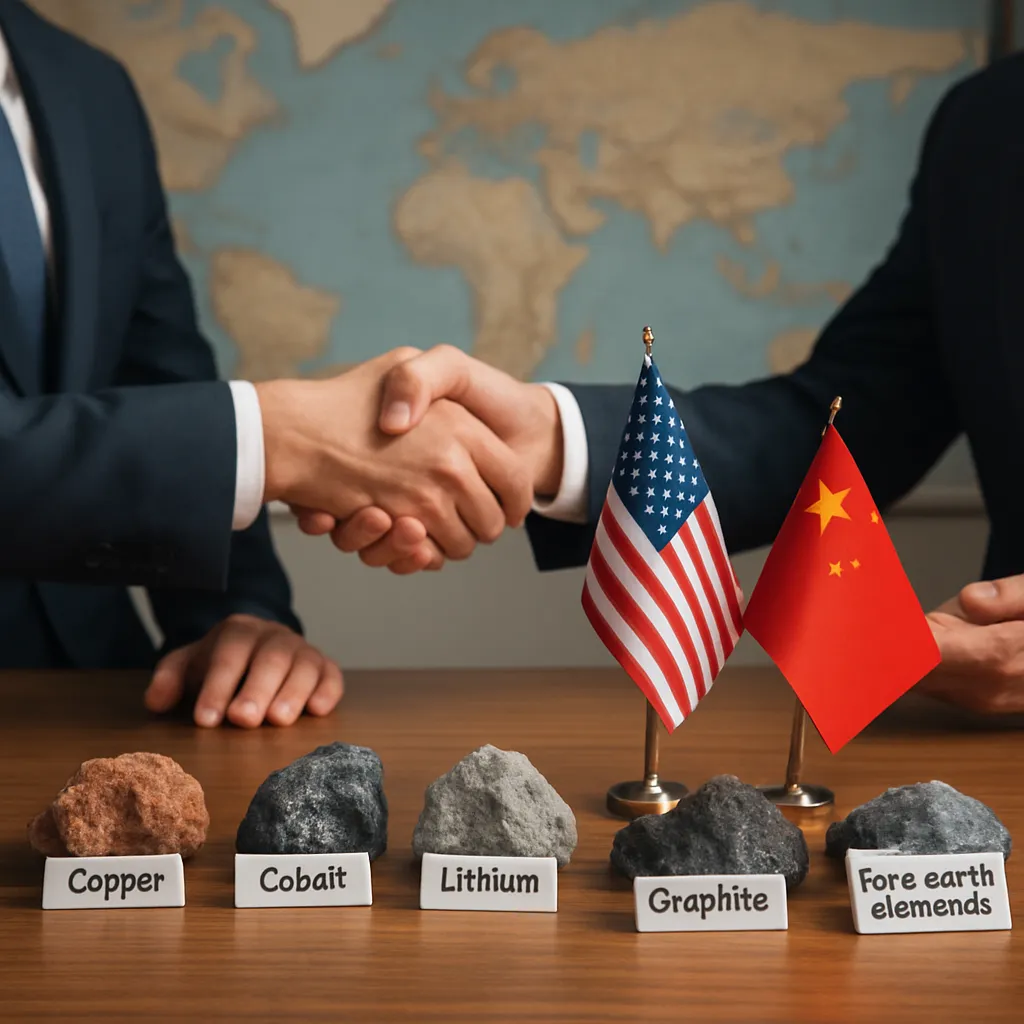
Building strong international partnerships and trade agreements is vital for mitigating risks associated with concentrated mineral deposits. Nations are increasingly signing bilateral and multilateral treaties aimed at resource sharing, joint investment in mining projects, and cooperative research into alternative materials. This form of geostrategy helps guarantee supply under adverse geopolitical conditions.
Strategic Stockpiles and Domestic Production
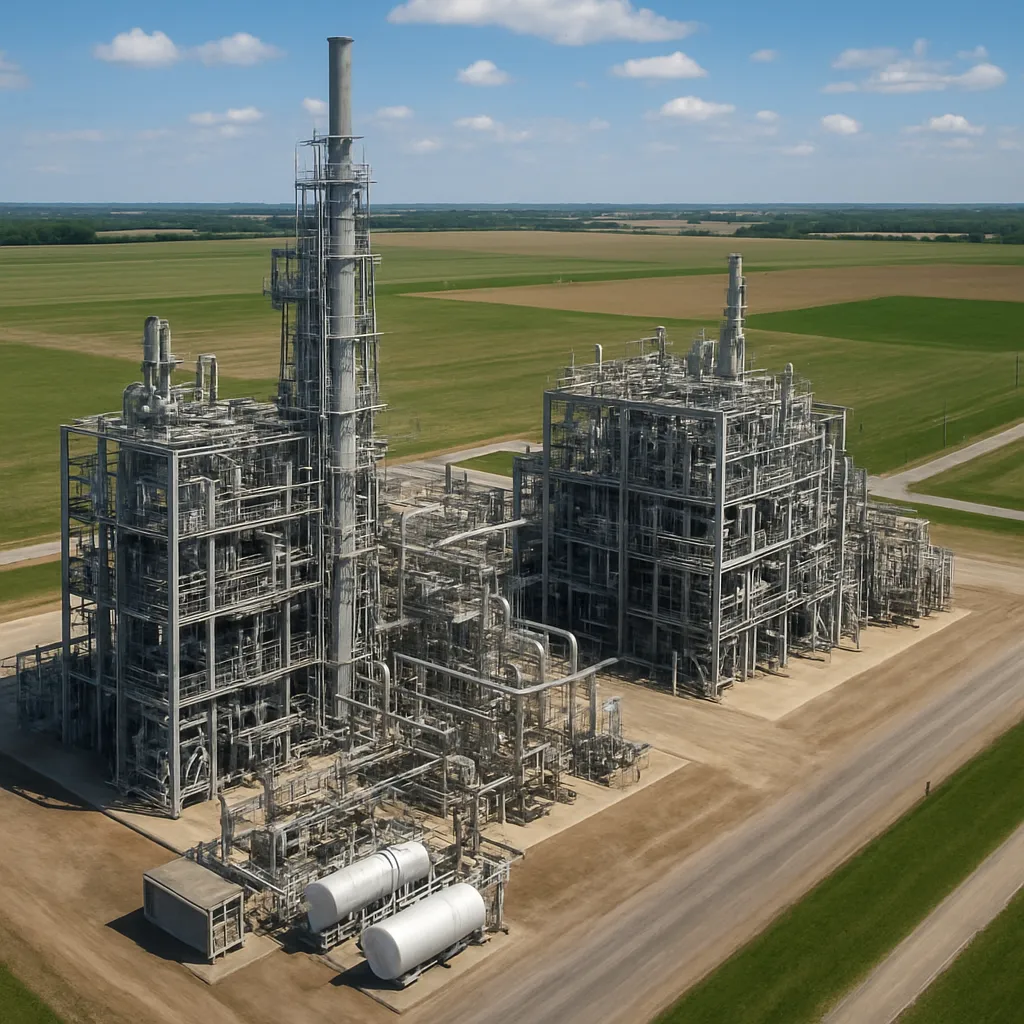
Many countries maintain strategic mineral reserves to cushion against supply disruptions. Stockpiling key inputs such as lithium compounds and rare neodymium magnets provides a buffer for defense manufacturers. Simultaneously, governments are incentivizing domestic mining and refining operations to reduce reliance on foreign sources. Initiatives include:
- Tax credits for domestic extraction and processing facilities
- Grants for technology development in mineral separation and purification
- Streamlined environmental permitting procedures for critical resource projects
Technological Innovations and Supply Chain Resilience
Advancements in materials science and manufacturing processes are transforming the way critical minerals are sourced and utilized. By fostering innovation across the supply chain, defense sectors aim to enhance resilience and reduce strategic dependencies.
Recycling and Resource Efficiency
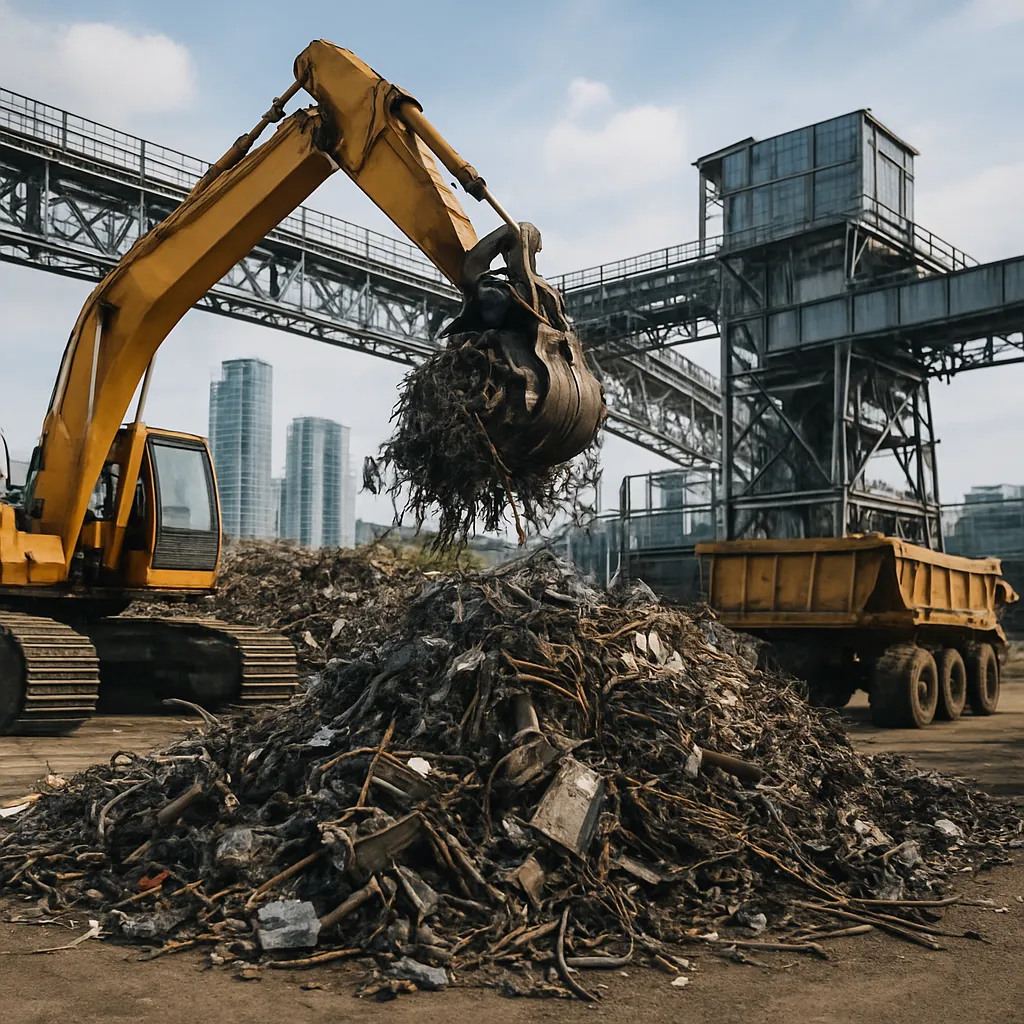
Recycling electronic waste and end-of-life military hardware offers a sustainable pathway to reclaim scarce elements like dysprosium, europium, and indium. Closing the loop through efficient recovery techniques diminishes the need for virgin extraction and aligns with broader sustainability goals. Key approaches include:
- Hydrometallurgical and pyrometallurgical processes for metal recovery
- Design for disassembly to simplify material separation
- Advanced sensors and robotics for automated sorting of complex components
Substitution and Material Alternatives
Research into alternative compounds and materials aims to reduce demand for the most contested minerals. Examples include:
- Iron-based magnetic materials replacing neodymium in certain applications
- Sodium-ion and solid-state batteries as alternatives to cobalt-heavy lithium-ion cells
- Graphene and carbon nanotubes for lightweight armor panels and conductors
These breakthroughs support strategic objectives by broadening the portfolio of viable resources and lowering exposure to supply shocks.
Environmental and Social Dimensions
Any comprehensive defense policy addressing critical minerals must account for environmental impact and community well-being. Sustainable mining practices and ethical sourcing are essential to maintain public support and avoid conflict over resource extraction.
Community Engagement and Ethical Standards
Collaboration with local stakeholders ensures that mining activities respect indigenous rights, labor standards, and biodiversity. International frameworks such as the Extractive Industries Transparency Initiative (EITI) and OECD Guidelines provide benchmarks for ethical conduct and transparency in the mineral sector.
Environmental Safeguards
Mitigating the environmental footprint of mining operations involves implementing:
- Water recycling and treatment systems to prevent contamination
- Tailings management plans resistant to seismic events
- Reforestation and land rehabilitation programs post-extraction
By embedding these measures into national defense procurement requirements, governments can foster responsible resource development while preserving ecosystem health.
Future Outlook and Policy Recommendations
The intersection of critical minerals and defense policy will only deepen as emerging technologies demand ever more specialized inputs. Governments and industry must pursue a multi-pronged strategy centered on:
- diversification of supply sources through international partnerships
- investment in recycling infrastructure and alternative materials research
- strengthening of domestic extraction and refining capabilities
- commitment to ethical, transparent, and environmentally sound mining practices
By prioritizing these objectives, nations can secure the essential resources needed to sustain technological edge and safeguard national interests.