As urban landscapes evolve, the concept of harvesting value from discarded products is gaining unprecedented momentum. Urban centers, long seen as dense consumption zones, are now being reimagined as reservoirs of critical minerals and rare metals. This paradigm shift not only addresses looming supply constraints but also offers pathways toward resilient, sustainable resource management. The following sections explore the multi-faceted dimensions of the future of urban mining infrastructure, from conceptual foundations to global market dynamics and cutting-edge technological advances.
Urban Mining: Defining the Concept
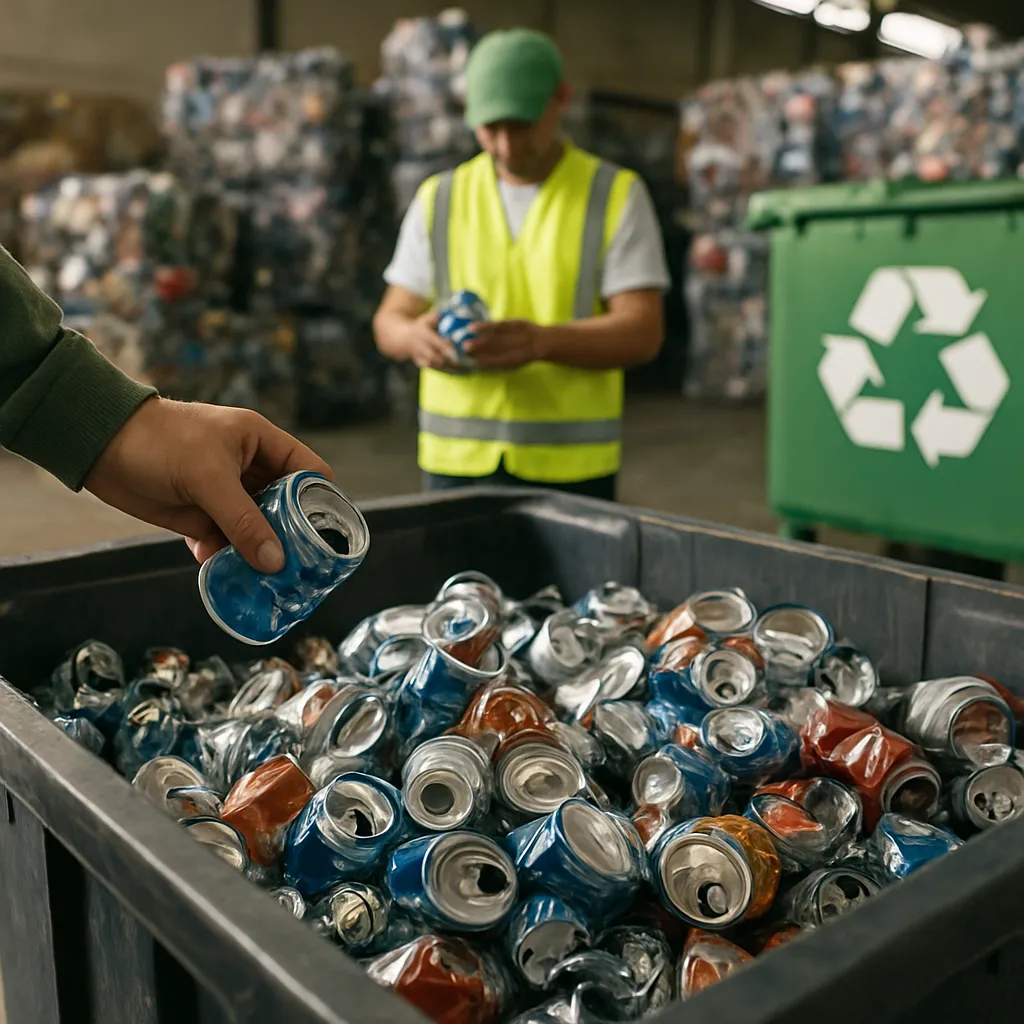
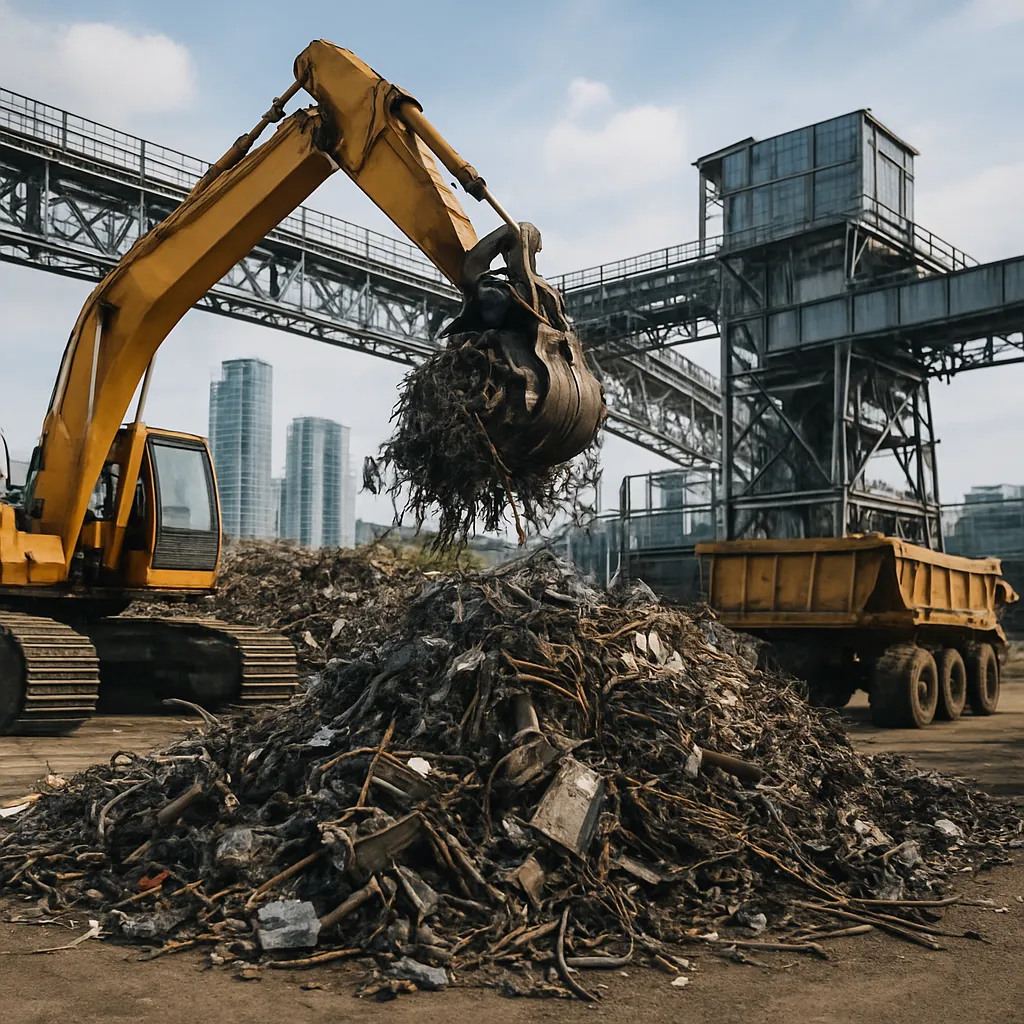
Urban mining refers to the systematic recovery of valuable materials from end-of-life products, construction debris, electronic waste, and industrial byproducts within metropolitan areas. Unlike traditional mining, which depends on geologic deposits, urban mining transforms cities into bustling hubs of secondary resource extraction. Key drivers include:
- Circular economy imperatives that demand the continuous reuse of materials.
- Escalating consumption of electronics, electrified transport, and renewable energy components rich in lithium, cobalt, nickel, and other critical minerals.
- Environmental concerns prompting reduced landfilling and improved waste valorization.
- Policy frameworks encouraging recycling targets and extended producer responsibility.
By reframing waste streams as resource streams, urban mining promises to alleviate reliance on virgin extraction and strengthen the global supply chain for metals that power contemporary technologies.
Building the Future Infrastructure for City-Level Resource Recovery
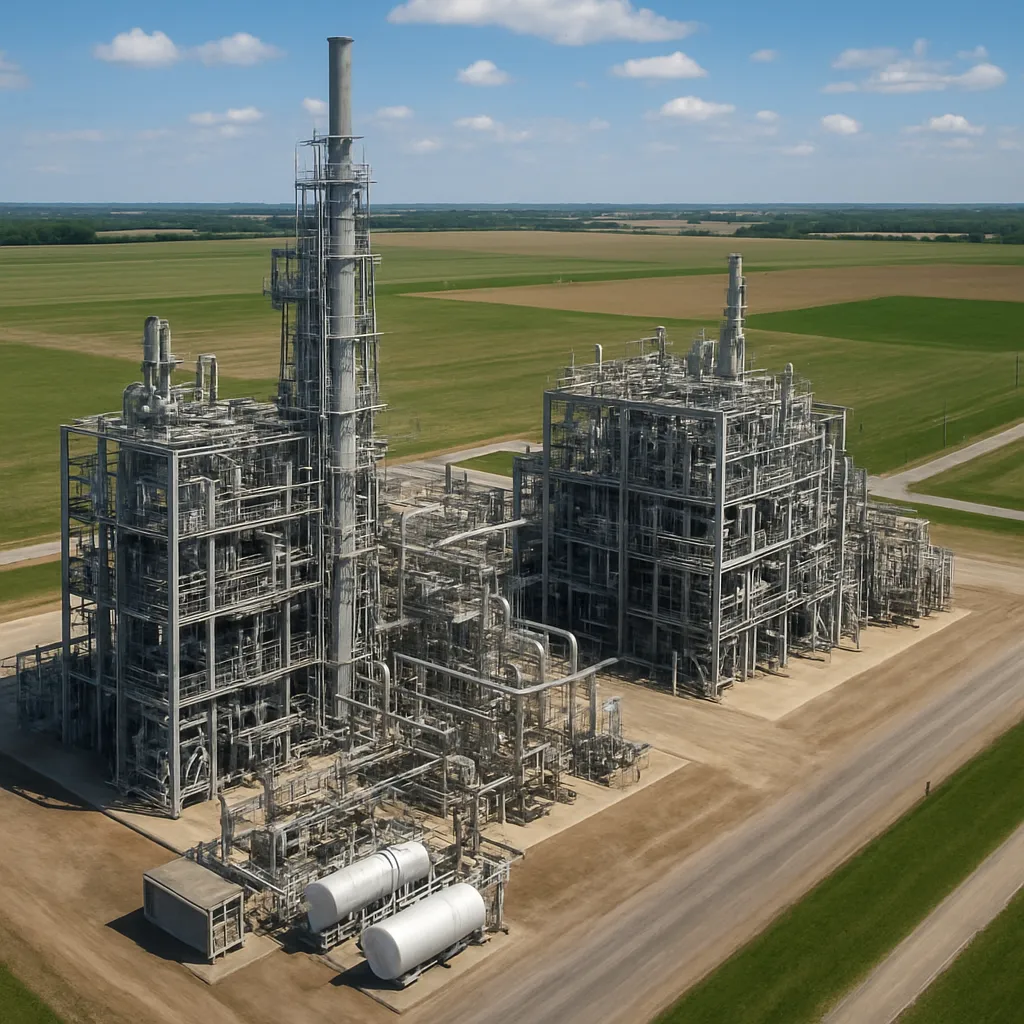
Deploying a robust infrastructure is pivotal to unlocking the true potential of urban mining. Future facilities will integrate several layers of innovation:
- Advanced sorting lines equipped with AI-driven vision systems and hyperspectral sensors for real-time material identification.
- Modular processing units enabling decentralized recycling close to waste generation points, reducing transportation costs and emissions.
- Digital twin platforms that simulate recovery processes, optimize throughput, and forecast resource yields based on incoming waste profiles.
- Flexible chemical treatment cells capable of adjusting reagent mixes on the fly for the selective separation of precious and base metals.
- Robotic disassembly stations designed to safely dismantle complex products like smartphones, batteries, and photovoltaic modules.
Such an infrastructure requires cross-sector collaboration, where municipalities, private recyclers, technology providers, and research institutions coordinate to ensure seamless material flows and regulatory compliance.
Global Dynamics of Rare Metals and Supply Chains
The global market for rare metals is characterized by volatility, concentration of primary production, and strategic competition. Nations rich in lithium, cobalt, and platinum-group elements often dictate prices and availability. Urban mining offers a hedge against such risks by:
- Diversifying sources away from geopolitically sensitive regions.
- Stabilizing supply through localized feedstocks.
- Driving down import dependency by recovering high-purity intermediates domestically.
However, integration into existing supply chains demands transparency, traceability, and standardized certification schemes to verify recovered content and quality. Blockchain-enabled tracking and robust chain-of-custody protocols are emerging as vital tools to ensure that recycled metals meet stringent manufacturer specifications.
Innovation and Technology in Extraction and Recycling
Breakthroughs in extraction technology are redefining what’s possible in urban mining:
Hydrometallurgical Advances
New reagent chemistries, including organic ligands and green solvents, enhance selective leaching of target metals while minimizing environmental impact. Closed-loop electrolyte systems recover and regenerate processing acids, further improving resource efficiency.
Bioleaching and Biorecovery
Microbial consortia are engineered to solubilize metals from electronic scrap and spent catalysts. These biological methods operate at ambient temperatures and pressures, offering a low-energy alternative to pyrometallurgy.
Direct Recycling of Battery Materials
Rather than breaking spent lithium-ion batteries down to elemental precursors, direct regeneration processes restore cathode chemistries—such as NMC (nickel-manganese-cobalt) and LFP (lithium-iron-phosphate)—to near-virgin specifications, significantly reducing energy consumption and operational costs.
Real-Time Analytics and AI Optimization
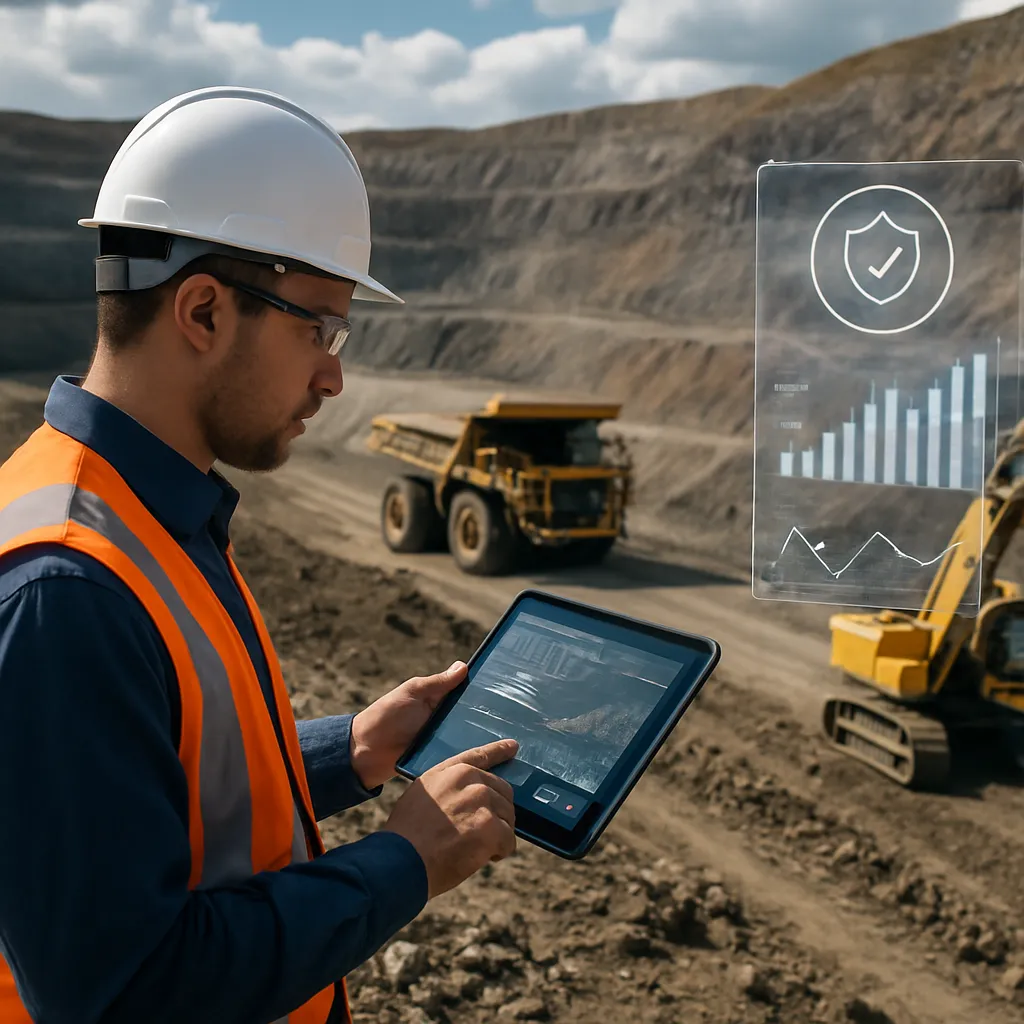
Machine learning algorithms analyze sensor data streams to dynamically adjust process parameters, ensuring maximum recovery rates and purity. Predictive maintenance systems minimize downtime, creating more resilient operations.
Environmental, Economic, and Policy Frameworks
To scale urban mining at a global level, stakeholders must navigate a complex matrix of environmental regulations, economic incentives, and social considerations:
- Life-cycle assessment (LCA) guidelines that quantify carbon footprints, water usage, and toxic emissions of urban mining facilities versus conventional extraction.
- Tax credits, grants, and public–private partnership models that lower capital barriers for new ventures.
- Mandatory take-back legislation obligating producers to reclaim and properly process their products at end-of-life.
- Community engagement strategies to address public concerns around facility siting, odour control, and visual impact.
- International cooperation on standards harmonization to facilitate cross-border trade of recycled metals.
Effective policies not only drive investment but also build public trust, ensuring that urban mining fulfills its promise of enhanced sustainability and reduced environmental footprint.