The transformation of global mineral processing is driven by the demand for sustainable access to rare earth metals and critical elements essential for high-tech industries. Traditional refining hubs face constraints from centralized infrastructure, long lead times, and geopolitical risks. Emerging concepts in modular refining offer new pathways to boost resilience, speed, and local value creation within complex supply chains. This article explores recent technological advances, the impacts on global logistics, economic and environmental implications, and future prospects for modular refining plants processing battery, electronics, and renewable energy materials.
Advancements in Modular Refining Technology
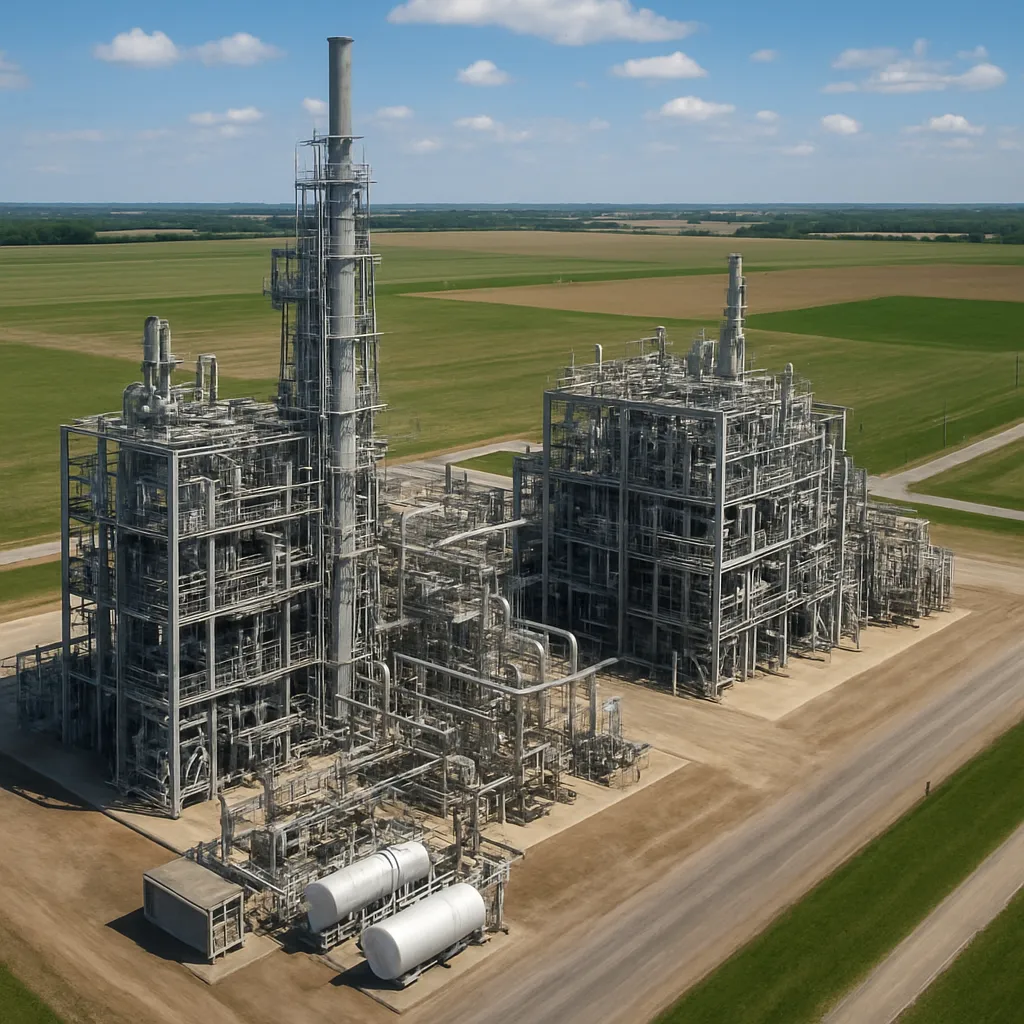
Smaller, factory-built modular units offer a paradigm shift compared to massive, fixed installations. By integrating continuous processing, standardized skid assemblies, and digital control systems, companies can deploy refining capacity with unprecedented agility. Key innovations include:
- Continuous flow reactors that maintain steady reaction conditions, improving recovery rates for critical metals such as neodymium and dysprosium.
- 3D-printed catalyst supports and tailored sorbents that enhance selectivity for lithium, cobalt, and nickel separation.
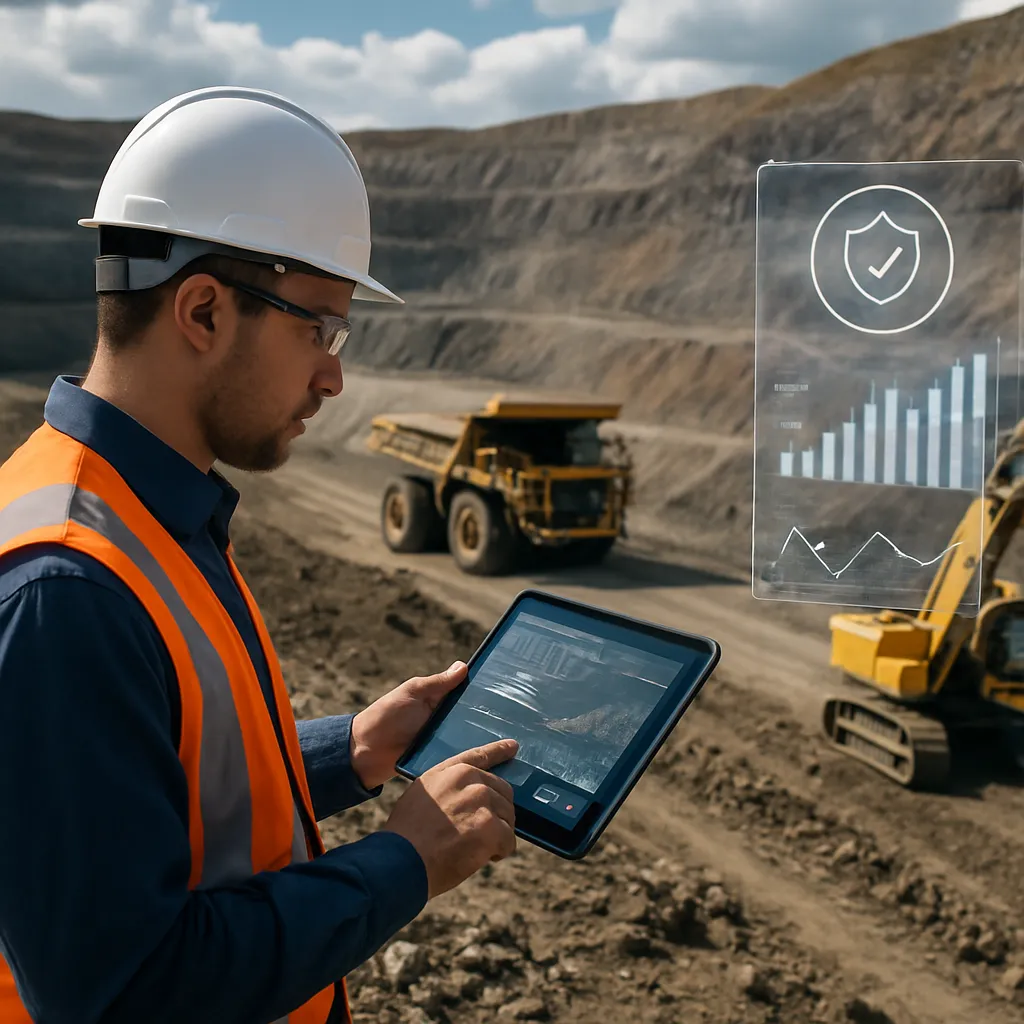
- Smart sensors and AI-driven process control reducing downtime and enabling remote optimization across multi-unit networks.
- Plug-and-play skid modules designed for rapid site assembly, reducing on-site construction by up to 50% compared to traditional plants.
By combining these elements, operators achieve higher throughput while shrinking the physical footprint. The approach fosters a shift from centralized mega-plants to distributed mini-refineries that can be reconfigured or relocated as resource flows and market dynamics evolve.
Impact on Global Rare Metals Supply Chains
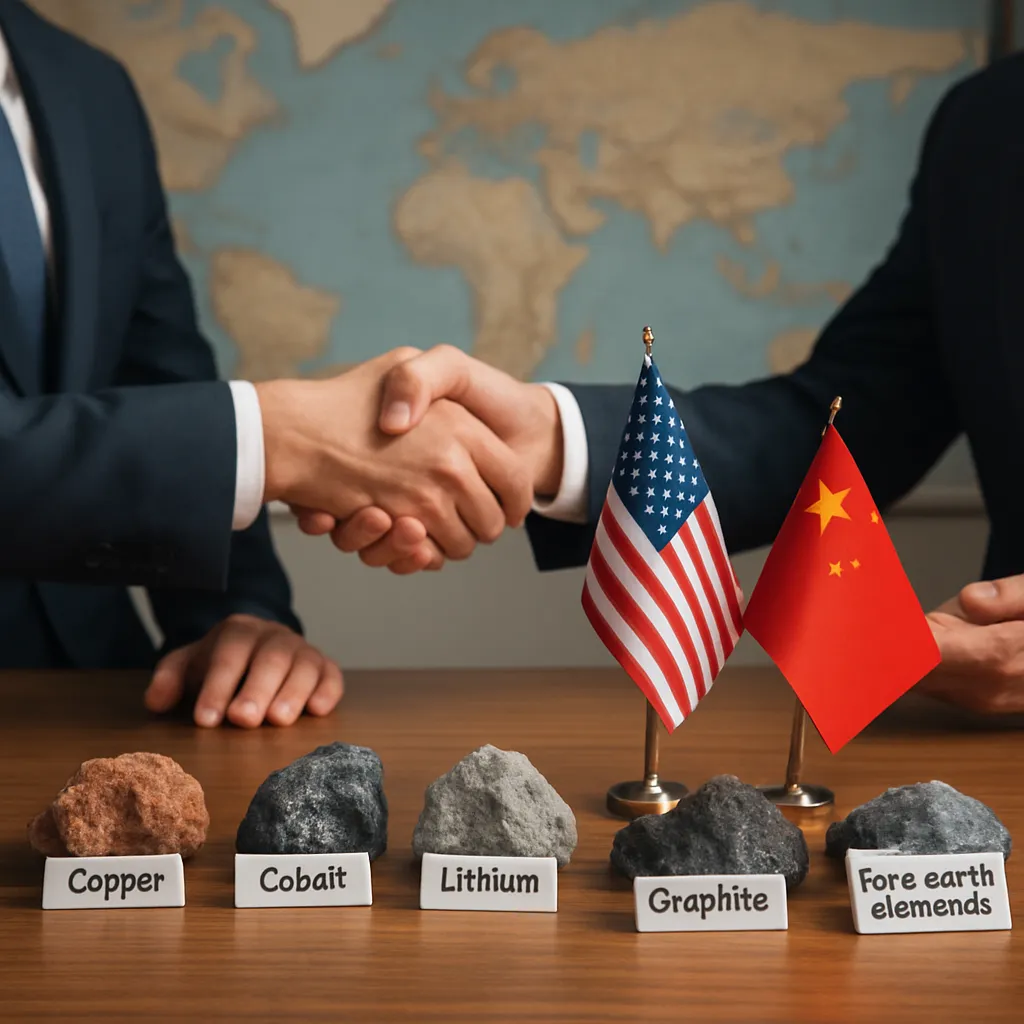
Complex supply chains for critical elements have traditionally relied on a handful of refining hubs. This concentration exposes the industry to disruptions from trade disputes, natural disasters, and regulatory shifts. Modular refining offers several advantages:
- Diversification of sources: Deploying multiple units across regions reduces overdependence on single facilities.
- Shortened logistics: Locating refiners closer to mining sites or recycling centers minimizes transportation costs and carbon emissions.
- Rapid scale-up: Additional modules can be produced and installed within months instead of years, aligning capacity expansions with market demand.
Consider a hypothetical lithium project in South America. A modular plant deployed near extraction sites can preprocess spodumene concentrates, sending intermediate products to specialized separations units elsewhere. This two-stage approach balances local value addition with centralized expertise, creating a flexible network rather than a rigid chain.
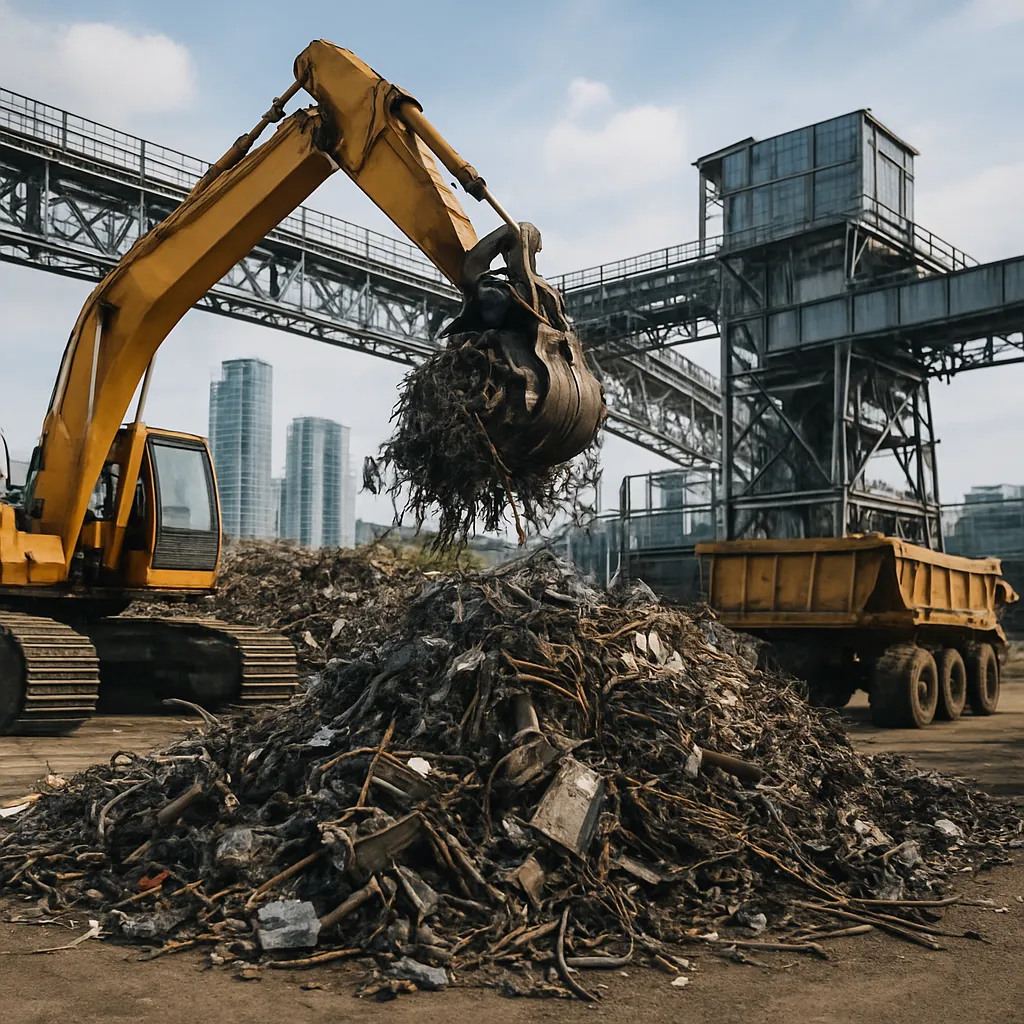
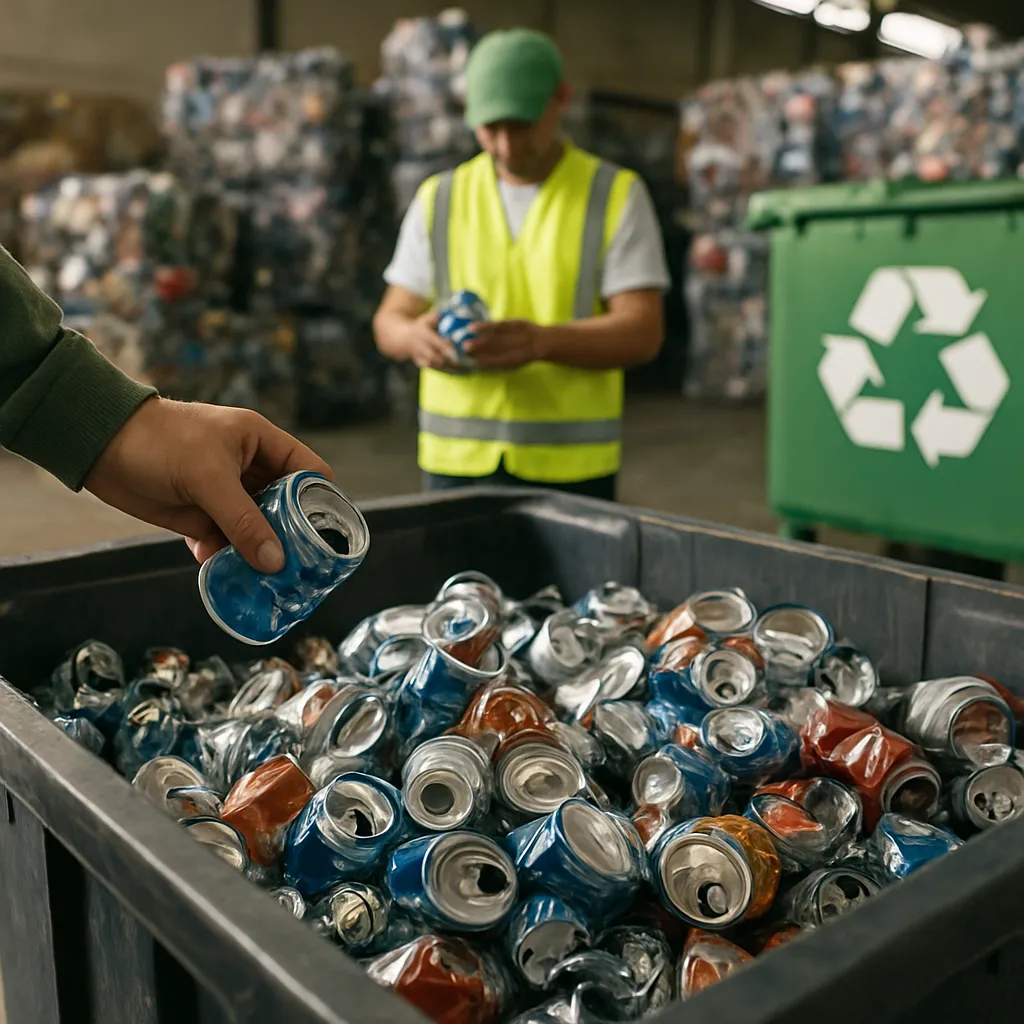
In parallel, end-of-life electronics recycling can feed modular units in industrial parks, recovering precious metals and reintegrating them into the global commodity loop. The distributed footprint makes it harder for single points of failure—such as facility outages or regional policies—to stall the entire chain.
Economic and Environmental Implications
Modular refining reshapes cost structures and environmental performance. Financial models reveal:
- Lower capital intensity: Prefabrication and parallel module construction cut engineering and procurement overheads.
- Operational flexibility: Units can be idled, moved, or repurposed, protecting investments when feedstock grades fluctuate.
- Enhanced sustainability: On-site modular plants reduce haulage distances, cutting greenhouse gas emissions by up to 30% per tonne of output.
Environmental footprint declines further when modules integrate renewable energy sources such as solar or wind. Hybrid power systems, coupled with water-efficient leaching circuits, support industry goals for decarbonization. In remote regions, modular units powered by microgrids avoid reliance on diesel generators, mitigating air pollution and local ecological impacts.
Regulatory frameworks are adapting to this trend. Some governments now offer streamlined permitting for modular complexes meeting defined emission and water-use thresholds. Financial incentives—like tax credits for on-site processing or circular economy certifications—create additional motivation to adopt modular models.
Strategic Benefits for Stakeholders
Various participants stand to gain:
- Mining companies achieve higher margins by capturing processing value early.
- Smelters and refiners diversify their portfolios with modular service offerings, supporting multiple minerals streams in a single plant.
- Manufacturers secure more reliable material flows, stabilizing input prices for batteries, magnets, and high-performance alloys.
- Governments attract investment in regional hubs, developing local supply ecosystems and creating skilled jobs.
Collaboration across the chain fosters co-location of upstream and downstream modules. For example, an electronics recycler might cohabit a zone with a battery cathode producer, and a renewable energy project can supply power to all modules on site, creating an integrated processing campus.
Future Prospects and Challenges
Continued progress will depend on addressing several hurdles. Standardization of module interfaces is critical for interoperability among vendors. Industry consortia are working to define mechanical, electrical, and data communication protocols. Intellectual property and equipment warranties pose additional negotiation points, requiring clear contract frameworks.
Workforce development is equally important. Operators need multidisciplinary skills spanning chemistry, automation, and data analytics. Training programs are emerging, but education pipelines must scale rapidly to meet demand.
The vision of a resilient, distributed network of modular refiners hinges on collaboration among miners, fabricators, technology providers, and regulators. When aligned, the ecosystem can deliver a more robust innovation engine for critical materials production, supporting electrification, digitalization, and clean energy transitions worldwide.