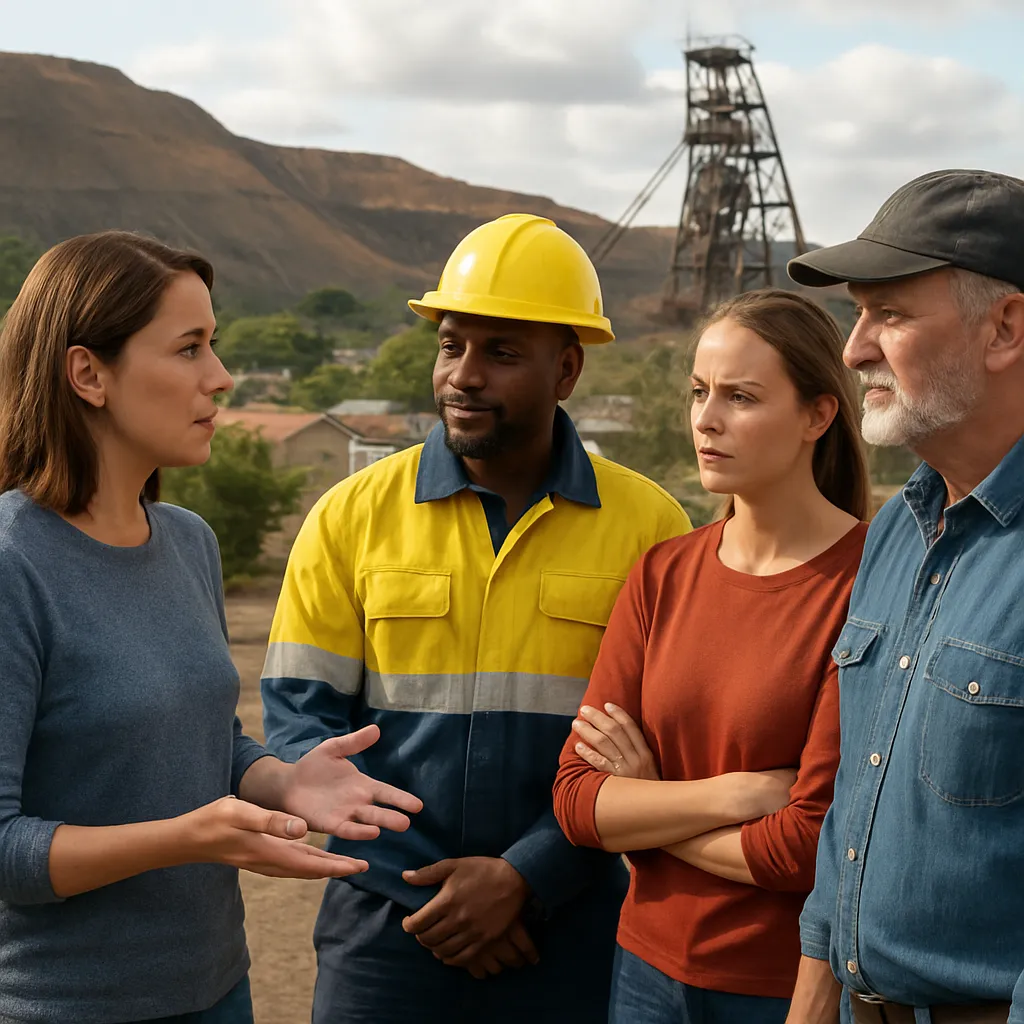
Effective community engagement in mining regions hinges on fostering mutual respect, open communication, and shared benefits. In areas where the extraction of rare metals plays a crucial role in global supply chains, it is imperative to build strong, trust-based relationships between mining companies, local residents, and other stakeholders. This article outlines practical strategies to empower communities, ensure environmental accountability, and drive sustainable development across mining zones.
Building Trust Through Transparent Practices
The foundation of meaningful collaboration begins with transparency. Mining enterprises must go beyond regulatory compliance and proactively share information about operations, potential impacts, and expected timelines. Open disclosure not only reduces misinformation but also cultivates a sense of ownership among community members.
- Data transparency: Regularly publish environmental monitoring data, including air and water quality results, on accessible platforms.
- Community forums: Host periodic town-hall meetings where experts present mining plans and address questions.
- Third-party audits: Engage independent auditors to validate environmental performance and social initiatives.
- Multi-stakeholder committees: Establish advisory councils comprising local leaders, indigenous representatives, government agencies, and company officials.
By institutionalizing these mechanisms, mining operations can demonstrate genuine commitment to accountability and enable collaboration in decision-making. This openness helps to preempt conflicts and fosters a long-term social license to operate.
Inclusive Economic Opportunities
Ensuring that local populations share in the economic benefits of extraction is key to reducing poverty and strengthening regional resilience. A combination of targeted training, preferential procurement, and entrepreneurship support can create pathways for meaningful participation.
- Local hiring quotas: Set incremental targets for employing community members in both skilled and unskilled positions.
- Skills development programs: Partner with vocational schools to deliver courses in equipment maintenance, safety protocols, and management.
- Preferential procurement: Source goods and services from local businesses, ensuring they meet quality and safety standards.
- Microfinance initiatives: Provide seed funding and mentorship to small enterprises, particularly those led by women and youth.
- Revenue-sharing agreements: Allocate a portion of project earnings to community development funds managed by local committees.
These measures not only create jobs but also build capacity within the community to engage in value-added activities, such as processing rare metals into higher-value products. Over time, this promotes economic diversification and reduces dependency on extractive industry cycles.
Environmental Stewardship and Social Responsibility
Mining operations have a profound impact on landscapes, water resources, and ecosystems. A robust environmental and social governance framework helps to mitigate risks and ensures long-term viability. By integrating sustainability principles from project inception, companies can minimize harm and generate shared value.
- Impact assessments: Conduct thorough environmental and social impact studies with active community participation.
- Restoration plans: Develop rehabilitation strategies for post-mining land use, including reforestation and soil remediation.
- Water management: Implement efficient treatment systems to prevent contamination of rivers and aquifers.
- Wildlife conservation: Collaborate with NGOs to protect local biodiversity and establish wildlife corridors.
- Health monitoring: Offer regular medical screenings for residents and workers exposed to dust, chemicals, or noise.
Embedding these practices fosters environmental stewardship and reinforces the social contract with host communities. It also aligns operations with global standards, attracting investors who prioritize responsible mining.
Leveraging Innovation and Knowledge Sharing
Innovation plays a pivotal role in reducing the environmental footprint of rare metal extraction and enhancing local benefits. Technology transfer and collaborative research initiatives can accelerate progress toward cleaner, more efficient mining practices.
- Research partnerships: Co-fund projects with universities and research institutions focused on low-impact extraction techniques.
- Digital platforms: Use mobile apps and online portals to gather real-time feedback from community members on environmental concerns.
- Training-of-trainers: Empower local experts to cascade technical knowledge and best practices within their communities.
- Innovation hubs: Support the creation of regional centers where entrepreneurs can prototype solutions for water treatment, tailings management, and renewable energy integration.
- Open data initiatives: Make non-sensitive mining data publicly available to stimulate third-party analyses and citizen science projects.
Through these channels, communities and companies co-create innovative models that maximize resource efficiency and minimize negative impacts. The process fosters a culture of continuous improvement and shared learning.
Strengthening Governance and Policy Frameworks
Effective community engagement requires an enabling environment upheld by clear policies, robust institutions, and equitable law enforcement. National and local governments play a vital role in setting standards and ensuring they are met.
- Regulatory clarity: Define explicit guidelines on community consultation, benefit-sharing, and environmental management.
- Capacity building for authorities: Train local government officials on monitoring compliance, mediation techniques, and dispute resolution.
- Legal aid services: Provide access to legal counsel for communities to understand their rights and navigate agreements.
- Grievance mechanisms: Establish independent, accessible channels for reporting concerns and resolving conflicts.
- Periodic reviews: Mandate regular evaluations of social and environmental performance, with public disclosure of findings.
By ensuring that policies are both rigorous and adaptive, authorities can support responsible extraction while safeguarding community welfare. This integrated approach underpins the governance models needed to manage the complexities of global rare metal supply chains.