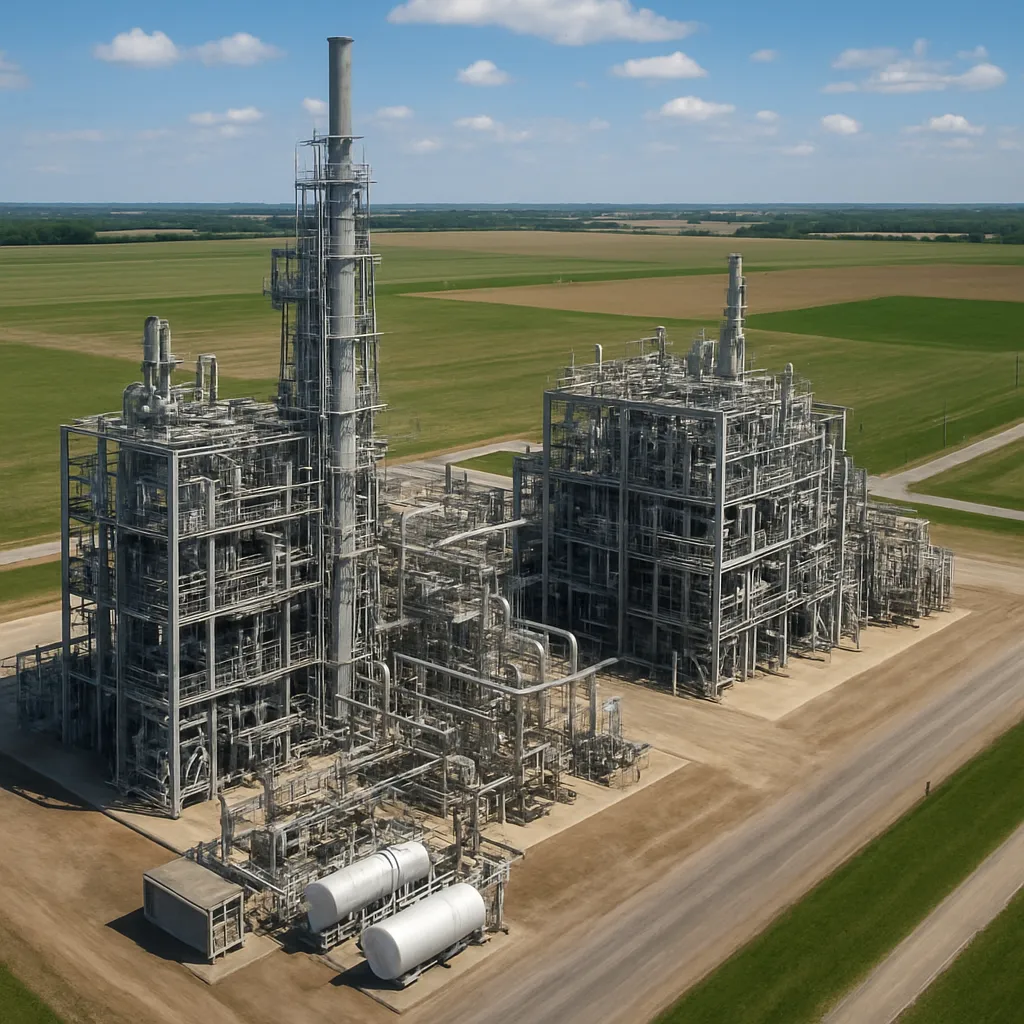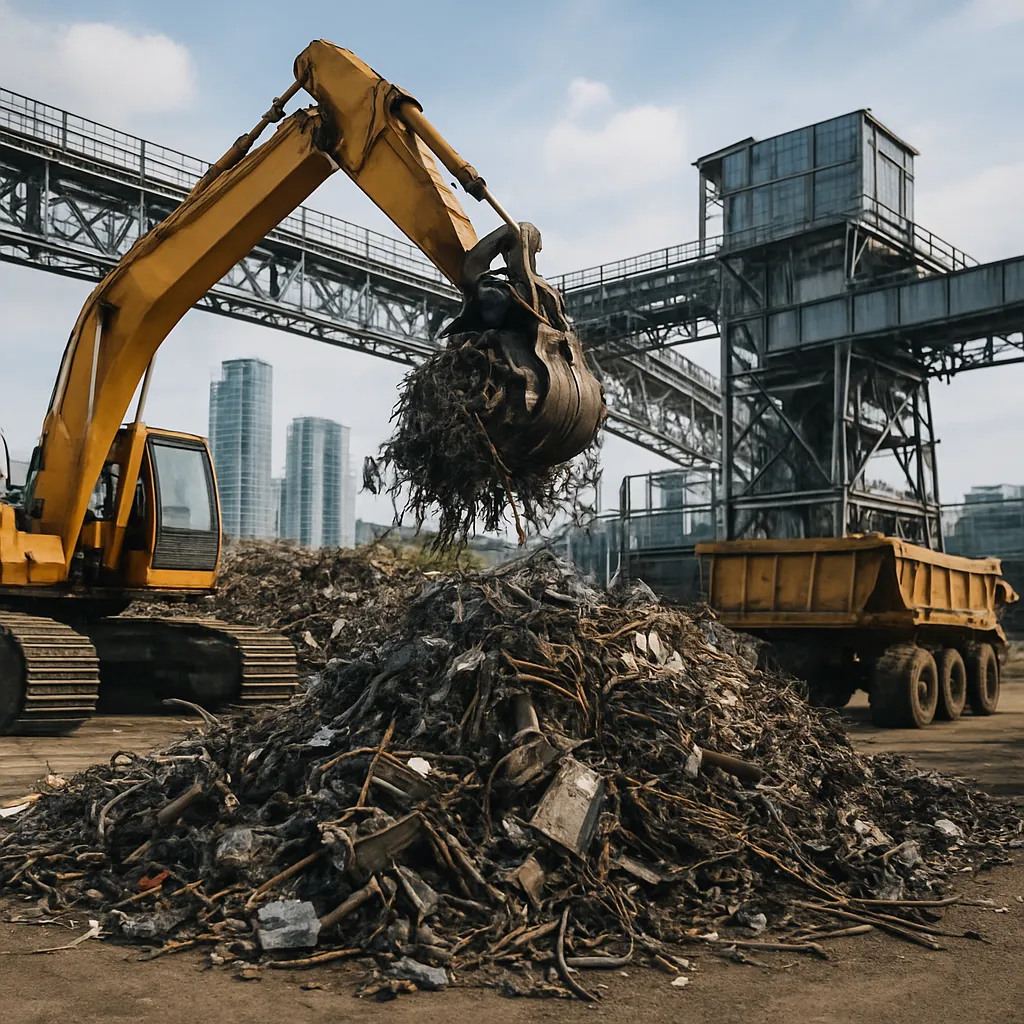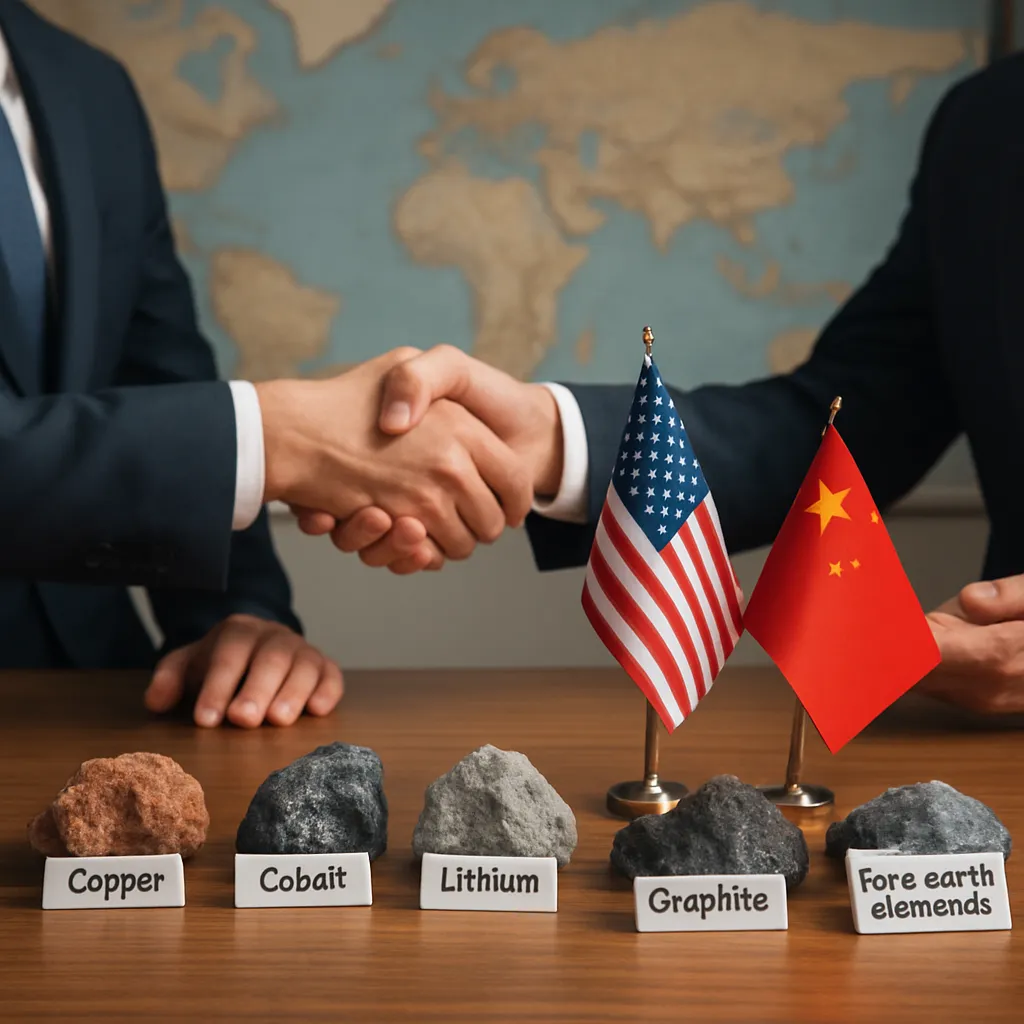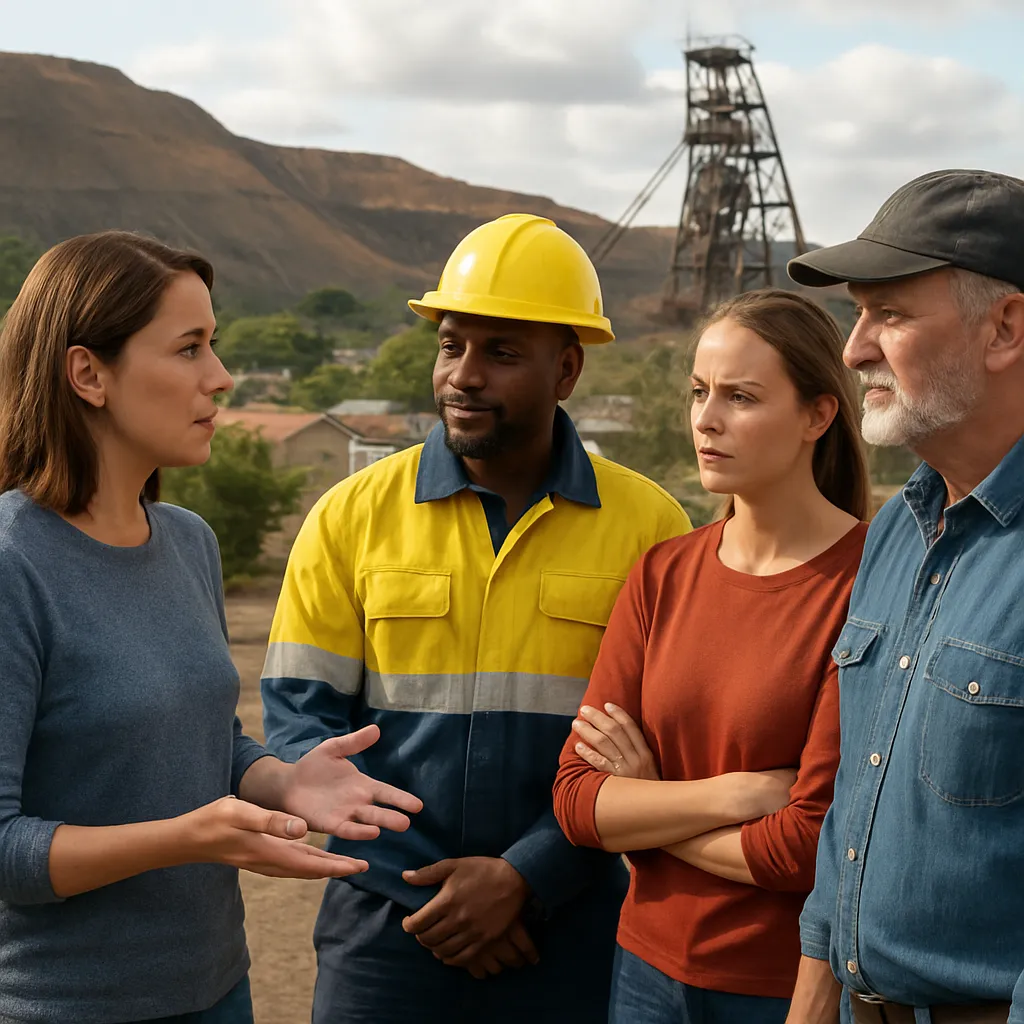
Modern mining of rare earth elements and strategic metals such as lithium, cobalt, and nickel is undergoing a profound transformation fueled by the rise of digitalization. As demand surges for high-performance batteries, electronics, and renewable energy systems, companies are under growing pressure to enhance both transparency and safety throughout exploration, extraction, processing, and logistics. By integrating advanced sensors, data analytics, and distributed ledger technologies, mining operators can optimize productivity while reinforcing environmental stewardship, worker protection, and regulatory compliance. The global rare metals sector stands at the forefront of this industrial revolution, pioneering methods that promise to redefine traceability, community engagement, and resource efficiency.
Enhancing Operational Transparency through Digital Tools
Integrating end-to-end digital solutions helps stakeholders obtain real-time visibility into every phase of the mining value chain. Transparent access to data not only builds trust with investors, regulators, and local communities but also supports more informed decision-making in challenging or remote environments.
Real-Time Data Acquisition and Visualization
- Deployment of Internet of Things (IoT) sensors on drilling rigs, haul trucks, and processing plants to capture metrics such as vibration levels, geochemical assays, and energy consumption.
- Cloud-based dashboards that consolidate telemetry, maintenance logs, and environmental readings, enabling 24/7 monitoring from headquarters or mobile devices.
- Geospatial mapping tools that overlay mineral prospectivity, water usage, and social impact indicators, facilitating stakeholder reporting and continuous improvement.
Blockchain for Immutable Provenance
Blockchain platforms are revolutionizing how rare metals are tracked from orebody to end-user. By creating tamper-resistant records of sampling, processing steps, and shipment transactions, miners can guarantee ethical sourcing and mitigate risks associated with illicit or unregulated supply chains.
- Smart contracts automate verification of assay results, customs paperwork, and environmental certifications, reducing manual errors and delays.
- Each batch of concentrate receives a unique digital identity, enabling downstream buyers to verify authenticity and material origin.
- Distributed ledgers foster collaboration among mining firms, refiners, smelters, and recyclers through a shared, transparent database.
Integrating Advanced Technologies for Safety Improvements
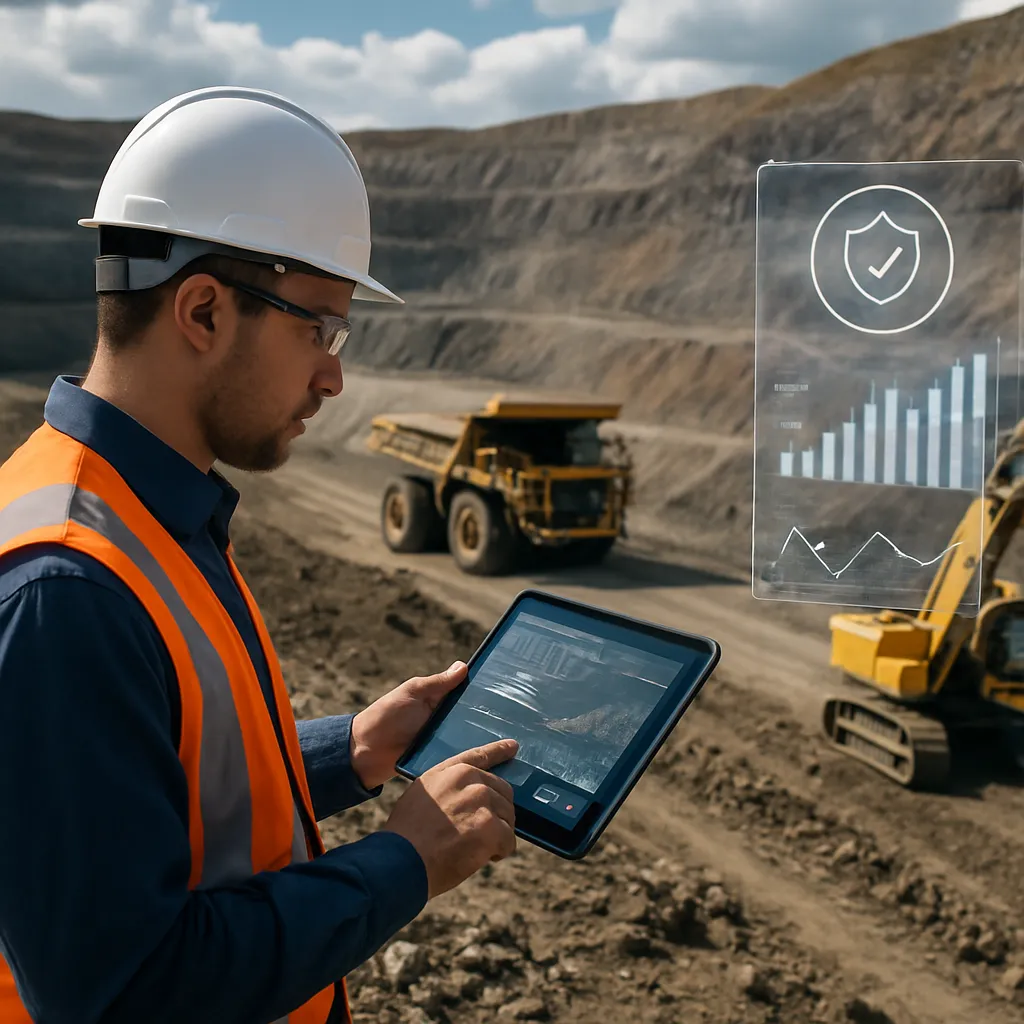
Worker well-being and operational safety remain paramount in high-risk rare metals mines. From deep underground cobalt shafts to sprawling open pit lithium quarries, mining operators are adopting digital methodologies to proactively identify hazards and streamline emergency response.
Remote Monitoring and Autonomous Equipment
- Unmanned aerial vehicles (UAVs) equipped with LiDAR and multispectral cameras conduct geological surveys, slope stability analyses, and tailings dam inspections without exposing personnel to danger.
- Autonomous haul trucks and drills, guided by GPS and advanced obstacle-detection systems, reduce the likelihood of vehicle collisions and operator fatigue.
- Tele-operated robotics handle high-temperature smelting or acid leaching tasks, minimizing human exposure to harmful chemicals.
Predictive Maintenance and Hazard Prevention
By harnessing automation and machine learning algorithms, mining companies can forecast equipment failures and prevent catastrophic breakdowns that endanger lives and halt production.
- Sensors embedded in critical machinery continuously stream vibration, temperature, and pressure data to AI platforms trained to detect early signs of wear or misalignment.
- Automated alerts prompt maintenance crews to inspect or replace components before a minor fault escalates into a major accident.
- Digital twins—virtual replicas of entire mine sites—allow engineers to simulate emergency scenarios and optimize evacuation routes and resource allocations.
Accelerating Rare Metals Supply Chain Traceability and Compliance
Global demand for battery-grade lithium and cobalt has intensified scrutiny on environmental and social governance (ESG) metrics. Digitalization empowers mining enterprises to align with international standards and demonstrate responsible stewardship.
Regulatory Reporting and Stakeholder Engagement
- Automated data collection from water management systems and air quality sensors ensures accurate reporting against national and multinational regulations.
- Interactive portals permit local communities and non-governmental organizations to review impact assessments, reclamation plans, and monitoring results in near real time.
- Digital communication platforms facilitate transparent dialogue on royalty distributions, workforce development, and biodiversity conservation initiatives.
End-to-End Material Tracking
From pit to processor, each shipment of rare metals is logged with its unique digital fingerprint. This continuous chain of custody curtails illicit trade and enhances value for ethical operators.
- Mobile scanning devices verify that concentrate grades match purchase orders before loading onto trains or vessels.
- Cold chain monitoring for sensitive minerals—especially when temperature or humidity control affects quality—prevents degradation or contamination.
- RegTech platforms automate compliance checks, flagging discrepancies in mineral tonnage, purity, or export documentation.
Driving Sustainability and Circularity in Rare Metals Mining
As the world pivots toward decarbonization, sustainability and circular economy principles are critical for ensuring the long-term viability of rare metals industries. Digital solutions play a central role in minimizing waste, optimizing resource use, and maximizing the recovery of valuable by-products.
Process Optimization and Resource Efficiency
- Advanced process control systems adjust reagent dosages and flotation parameters in real time, boosting metal recovery rates and lowering chemical consumption.
- Energy management software balances power loads across crushers, pumps, and smelters to reduce greenhouse gas emissions and cut operating costs.
- Water recycling networks monitored via cloud analytics ensure closed-loop usage, preserving scarce freshwater resources in arid mining regions.
Urban Mining and Material Recovery
Digital platforms identify high-value components within electronic waste streams, laptops, and spent batteries, fostering automation of sorting, shredding, and hydrometallurgical recycling processes.
- Machine vision systems classify printed circuit boards according to metal content, guiding robotic arms to extract precious and strategic elements.
- Adaptive AI algorithms refine acid leach recipes to target cobalt, nickel, and rare earth powders with minimal environmental footprint.
- Data-driven logistics optimize the flow of end-of-life products from urban centers to recycling hubs, recovering up to 90% of critical materials.
Unlocking Future Growth through Digital Transformation
Mining companies that embrace full‐scale digitalization stand to achieve unprecedented levels of remote monitoring, process optimization, and stakeholder alignment. By fostering a culture of continuous innovation and cross-industry collaboration, the global rare metals sector can address the dual challenges of soaring demand and heightened sustainability expectations. The integration of real-time data analytics, predictive maintenance, and immutable supply chain records will be indispensable for securing the integrity of vital minerals and metals at every step—from deep below the earth’s surface to tomorrow’s electric vehicles and renewable energy infrastructure.