From the lightning-fast data transfers powering high-frequency trading to the silent efficiency of grid-scale battery arrays, a mosaic of specialized elements underpins every facet of modern technology. The interplay between rare metals, advanced manufacturing techniques, and relentless research investment defines the cutting edge of the global digital landscape. This analysis examines the multifaceted roles these critical minerals play, the vulnerabilities inherent in their supply chains, and the strategies forging a more sustainable tomorrow.
Expanding Applications in Digital Infrastructure
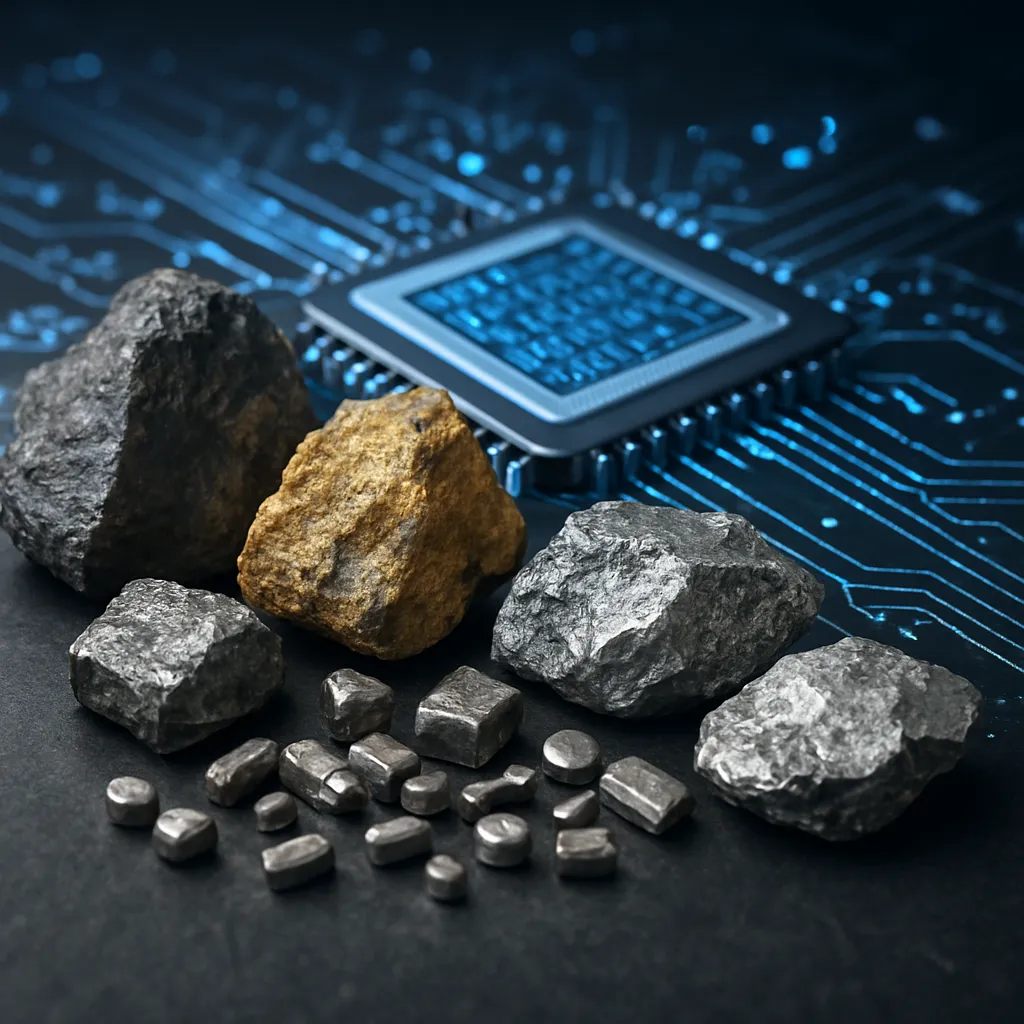
As urban centers evolve into smart cities and the Internet of Things proliferates across every industry, demand for nimble, power-dense components continues to soar. Data centers now incorporate exotic alloys and magnetic assemblies to boost server efficiency, while edge-computing nodes rely on compact power converters that integrate tantalum capacitors for thermal stability. Meanwhile, base stations supporting 5G and future 6G networks harness high-performance magnets manufactured from neodymium and praseodymium to minimize size without sacrificing signal strength.
In the automotive sector, the shift toward electric vehicles has expanded the need for cobalt and nickel in lithium-ion batteries, prompting automakers to explore solid-state designs and high-nickel chemistries. Aerospace engineers are embedding rare-earth-infused alloys in jet engines to endure extreme temperatures while reducing overall weight. Even the humble LED light bulb owes its efficiency to minute deposits of gallium and indium in semiconductor layers.
Key Components and Their Functions
- Neodymium: Powers the compact, high-torque magnets used in hard drives and electric motor rotors.
- Cobalt: Enhances energy density and cycle longevity in rechargeable battery cathodes.
- Lanthanum: Improves optical clarity in high-grade camera lenses and fiber-optic systems.
- Tantalum: Stabilizes voltage and temperature in miniature capacitors across complex PCBs.
- Gallium: Enables efficient power switching in semiconductors and high-brightness LEDs.
- Praseodymium: Strengthens permanent magnets for acoustic devices and precision instruments.
- Nickel: Balances performance in thermal-resistant superalloys for turbine blades.
Emerging Technologies Driving Demand
Quantum computing prototypes integrate exotic isotopes to control qubit stability, while photonic circuits embed rare-earth dopants to guide light with minimal loss. High-altitude wind turbines and next-gen solar panels harness rare-metal-infused coatings to boost energy capture and longevity. As machine-learning models grow in complexity, specialized hardware accelerators laden with critical elements promise lower power consumption and higher throughput, cementing the central role of these resources in digital evolution.
Supply Chain Complexity and Geopolitical Tensions
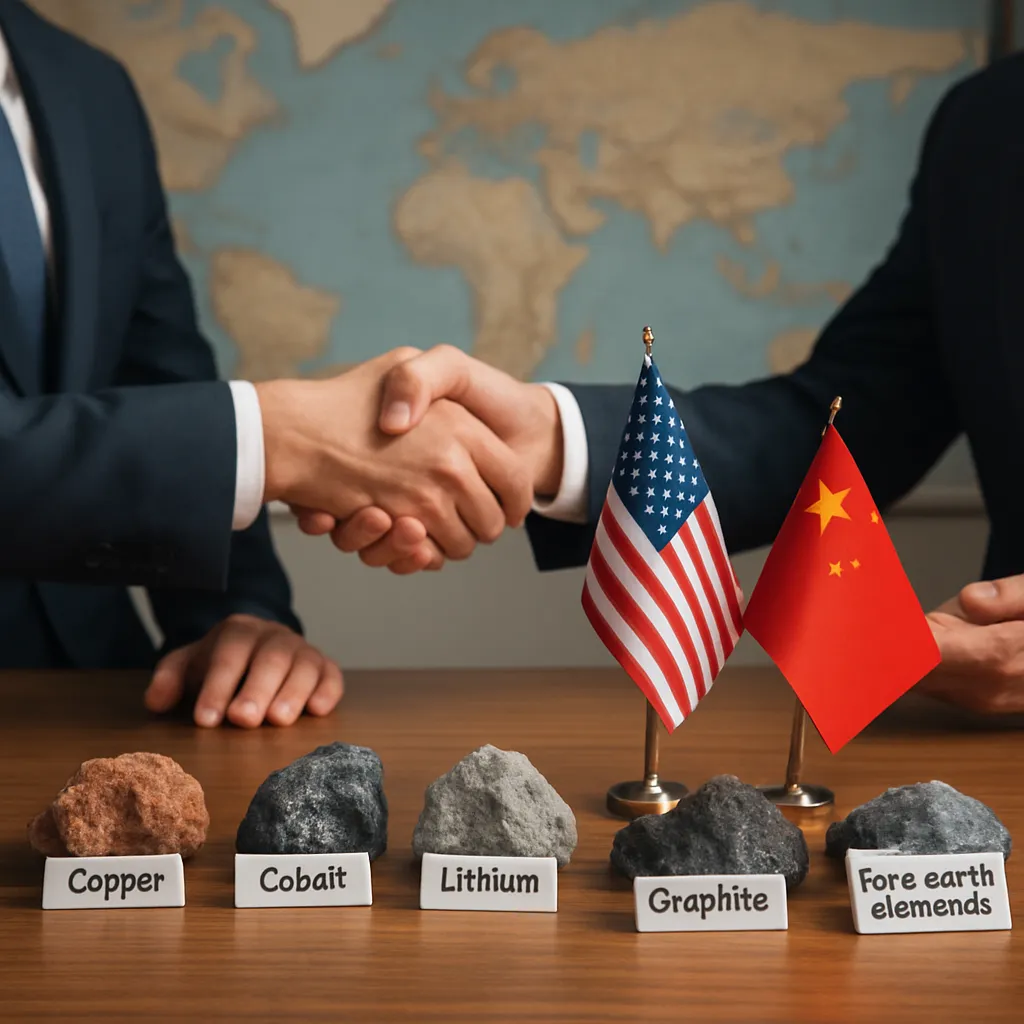
Securing a steady flow of critical minerals requires navigating an intricate web of mining, processing, and manufacturing nodes that span continents. While reserves of rare-earth elements and base metals exist in diverse locales, refinement capabilities are unevenly distributed. China accounts for over 60 percent of rare-earth oxide processing, giving it outsized influence on global markets. This concentration has spurred initiatives in Australia, Canada, and the Democratic Republic of the Congo (DRC) to diversify extraction and processing capacity.
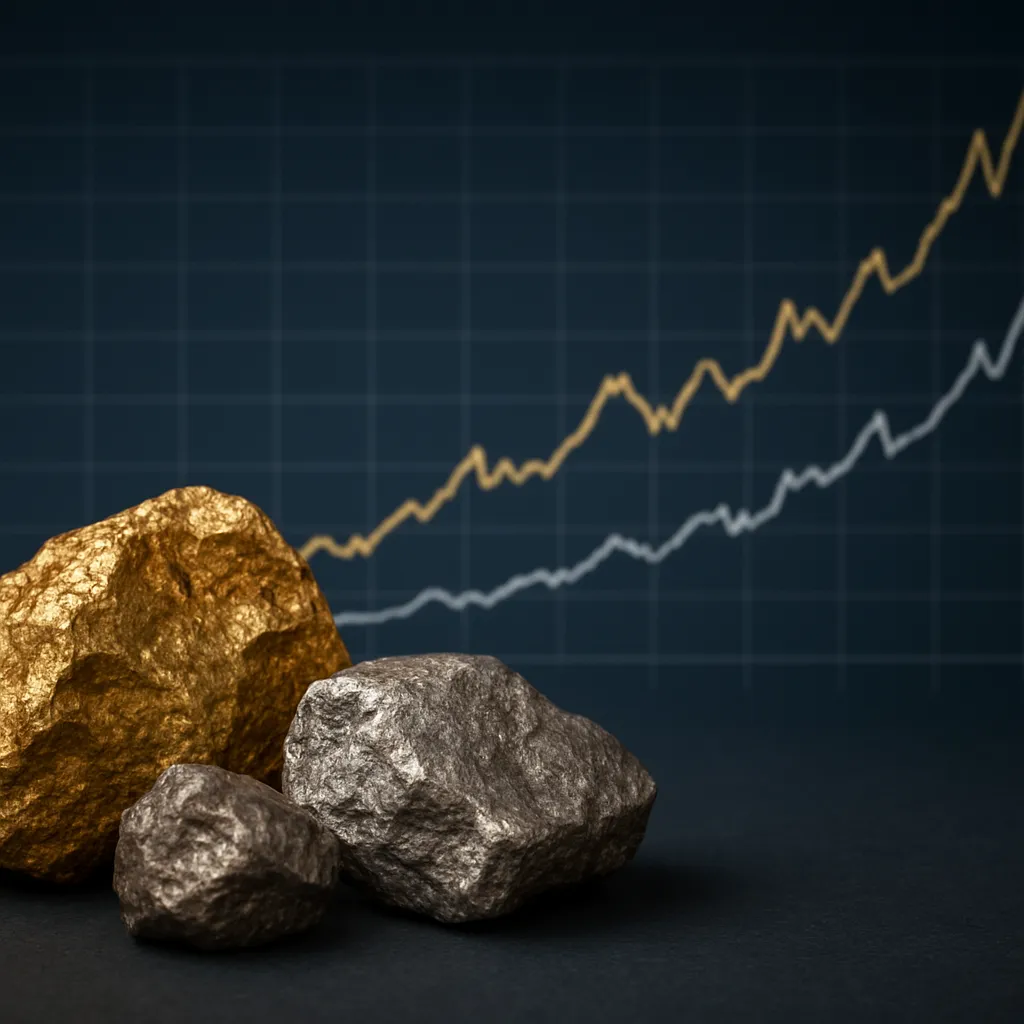
Upstream disruptions manifest in price spikes for commodities like palladium, lithium, and gallium. Export quotas, environmental inspections, or transport bottlenecks can cascade through global industries within weeks. In response, nations are adopting multifaceted strategies:
- Establishing strategic reserves of lithium, cobalt, and rare-earth oxides.
- Building domestic mining and refining complexes to reduce import reliance.
- Negotiating long-term offtake agreements with producers in emerging markets.
- Investing in substitute technologies to mitigate supply shocks.
Transparency and Traceability Efforts
Blockchain pilots are emerging to record each transfer of material from mine to end user, enhancing visibility and curbing illicit trade. Certified sourcing frameworks, such as the Extractive Industries Transparency Initiative (EITI), encourage governments to disclose revenues and environmental impacts. Meanwhile, multinational consortia collaborate on standardized reporting protocols to assess carbon footprints, social compliance, and conflict-free status along the supply chain.
Environmental and Ethical Challenges
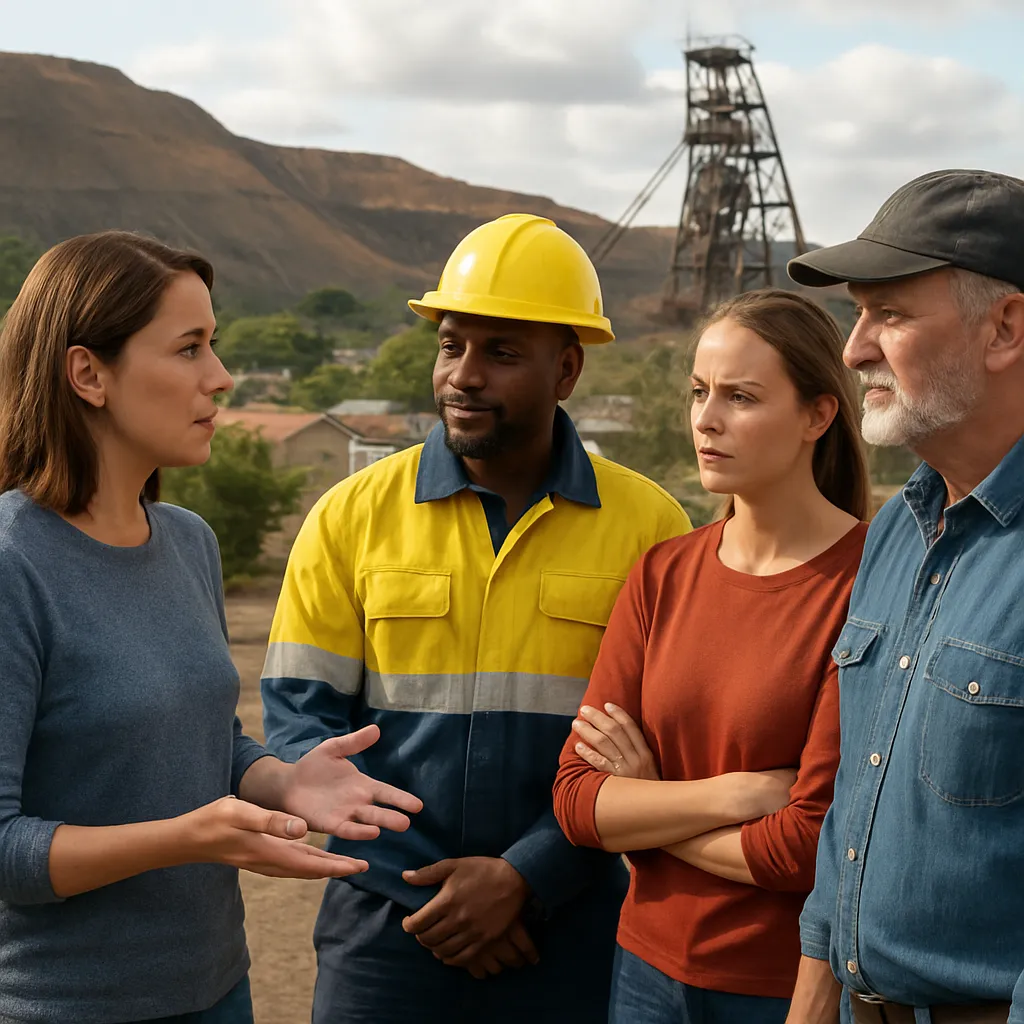
Mining activities often exact a heavy toll on local ecosystems and communities. Conventional open-pit and underground operations can lead to soil erosion, deforestation, and contamination of surface and groundwater. Processing tailings, laden with heavy metals and acid-generating compounds, pose long-term storage and remediation challenges. In regions with lax enforcement, inadequate disposal practices have resulted in irreversible habitat degradation.
Labor standards remain a central concern, particularly in informal mining communities where workers face hazardous conditions without proper protective equipment. Reports of child labor in cobalt extraction sites have galvanized consumer advocacy groups, pushing major technology companies to implement stricter supplier audits and support community development programs.
Advancing Sustainable Practices
- Adopting closed-loop water management systems to minimize freshwater withdrawals.
- Transitioning to renewable energy for powering extraction and processing facilities.
- Leveraging bioleaching methods to recover metals using bacteria, reducing chemical usage.
- Implementing progressive land reclamation plans to restore native vegetation and wildlife habitats.
- Fostering community engagement initiatives for fair benefit-sharing and skills training.
By marrying technological innovation with robust governance frameworks, stakeholders can reconcile economic growth with ecological stewardship.
Recycling and Circular Economy Approaches
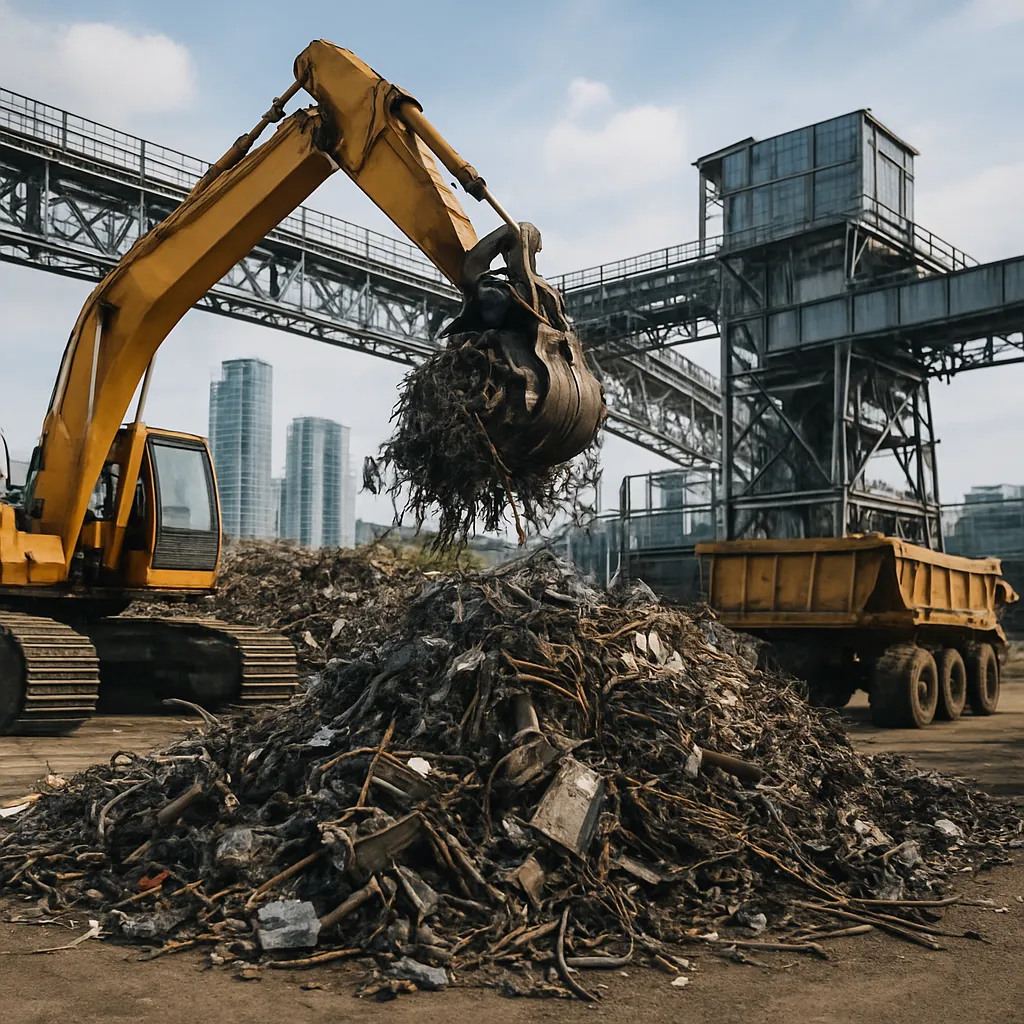
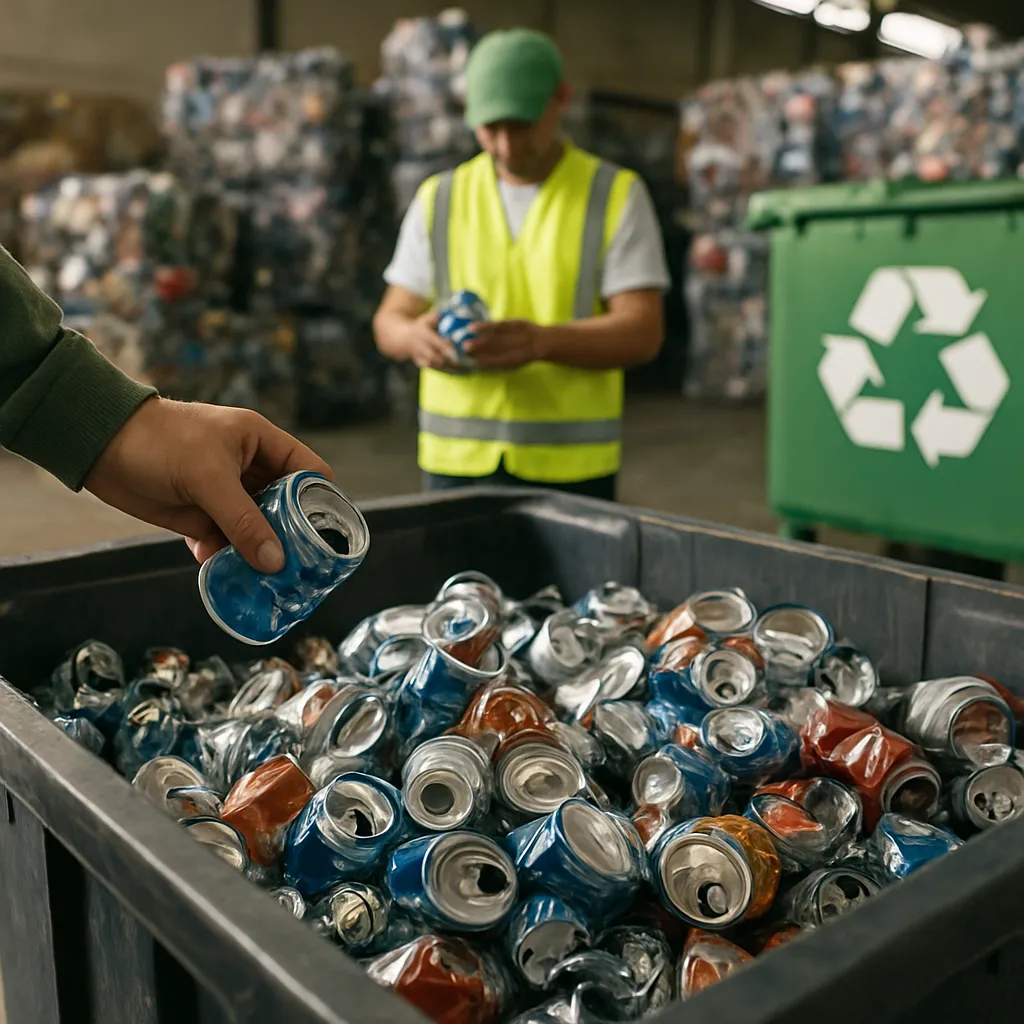
Urban mining—extracting valuable elements from end-of-life electronics, batteries, and industrial byproducts—offers a compelling path to reduce dependency on primary extraction. Advanced hydrometallurgical and pyro-metallurgical processes can reclaim up to 95 percent of certain metals, including gold, copper, and cobalt. Moreover, next-generation solvent-extraction techniques operate at lower temperatures, cutting energy consumption by as much as 30 percent.
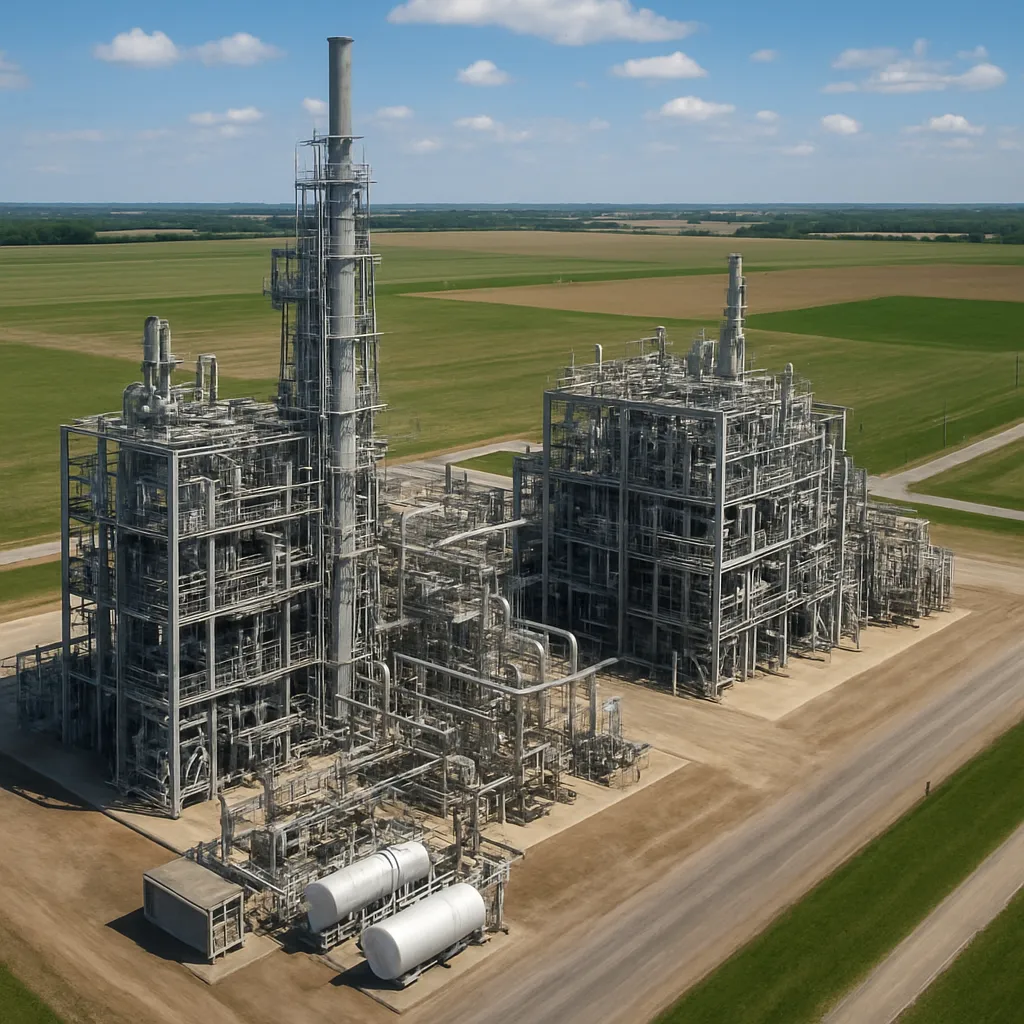
Leading corporations and municipal waste authorities are forging public-private partnerships to enhance collection infrastructure. Specialized e-waste drop-off centers, incentivized buy-back schemes, and machine-learning-driven sorting systems are boosting recovery rates. In some regions, chemical recycling plants are co-located with manufacturing hubs, enabling a seamless loop that feeds reclaimed materials back into new device production.
Barriers to Scaling Recycling
- Complex product designs complicate disassembly and material separation.
- Insufficient economic incentives for small-scale recyclers in emerging markets.
- Regulatory gaps that fail to mandate producer responsibility.
- Technology licensing challenges that restrict access to cutting-edge recovery methods.
- Variable quality of feedstock requiring extensive pre-processing.
Overcoming these hurdles demands cross-sector collaboration, harmonized regulations, and consumer awareness campaigns to ensure a steady stream of recyclable input.
Innovations Shaping the Future Landscape
Researchers are exploring alternative conductor materials, such as carbon nanotube assemblies and conductive polymers, that could one day replace copper and silver in select applications. Battery laboratories worldwide are racing to commercialize sodium-ion, magnesium-ion, and organic-based chemistries, each sidestepping critical elements like cobalt and nickel. Meanwhile, additive-manufacturing techniques for metal alloys enable precisely tailored microstructures that optimize performance while trimming raw-material usage.
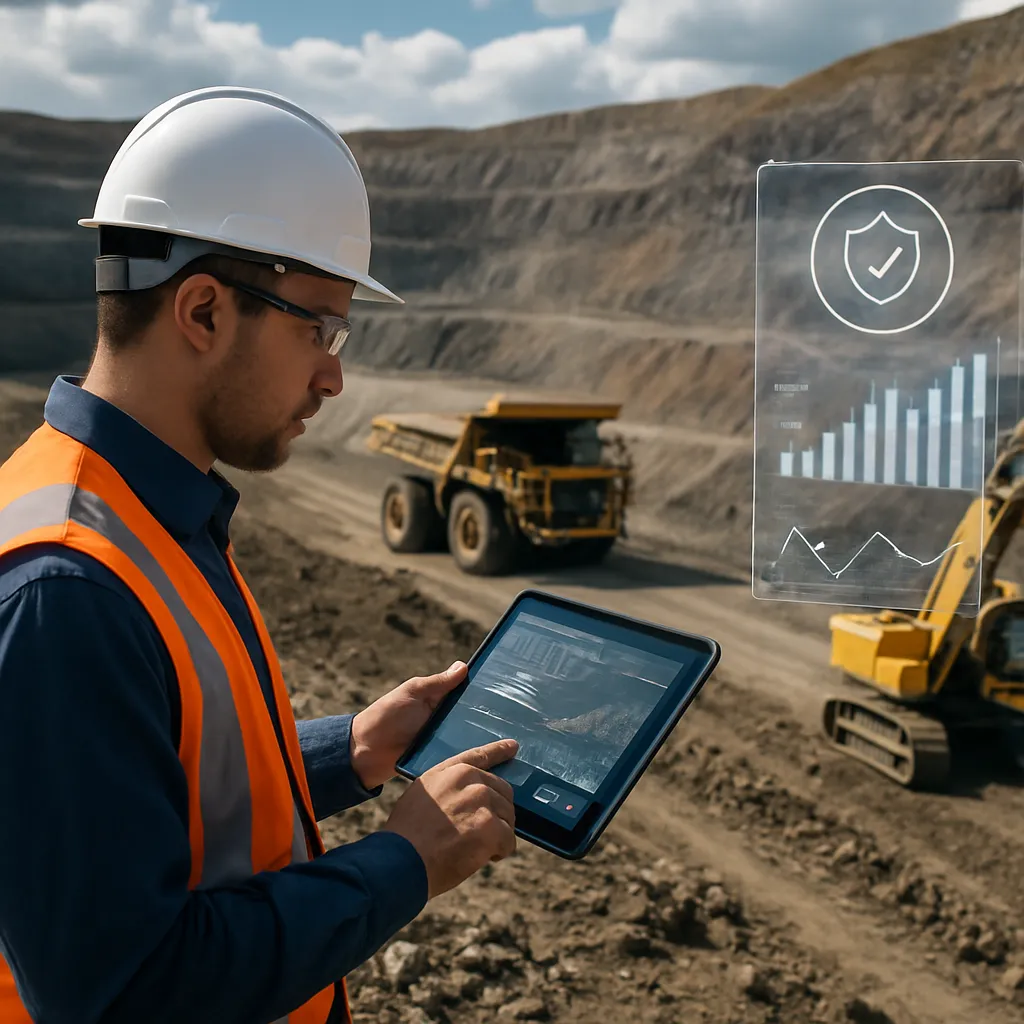
Artificial intelligence and robotics are revolutionizing exploration and processing. Autonomous drilling platforms guided by real-time geophysical modeling can pinpoint ore bodies with unprecedented accuracy, reducing waste removal by 20 to 40 percent. Sensor-equipped sorting robots at recycling facilities can identify and segregate metals down to individual alloy grades, streamlining recovery operations.
Collaborative Ventures and Research Hubs
- International research consortiums pooling data on rare-metal geology and mining best practices.
- Public funding for demonstration plants testing next-gen solvent extraction and battery chemistries.
- Industry-academia partnerships cultivating talent in materials science and sustainable mining engineering.
- Cross-border innovation clusters developing integrated supply networks for critical minerals.
By nurturing a vibrant ecosystem of innovation and ethical stewardship, the global community can secure the raw materials essential for tomorrow’s digital revolution while safeguarding environmental integrity.