The global shift towards clean energy hinges on the availability and responsible extraction of rare metals. As societies race to decarbonize power systems and electrify transportation, minerals such as lithium, cobalt, nickel, and rare earth elements have become indispensable. This article explores the intricate dynamics of the energy transition, highlights the environmental and social challenges of mining, and examines how innovation and cooperation can drive a more sustainable future.
Supply and Demand Dynamics for Rare Metals
Demand for batteries, electric vehicles, wind turbines, and solar panels is soaring. Analysts predict that by 2030, lithium-ion battery capacity will increase more than fivefold compared to 2020 levels. This surge places unprecedented pressure on the mining sector to deliver a consistent supply of high-purity materials. Key factors shaping this landscape include:
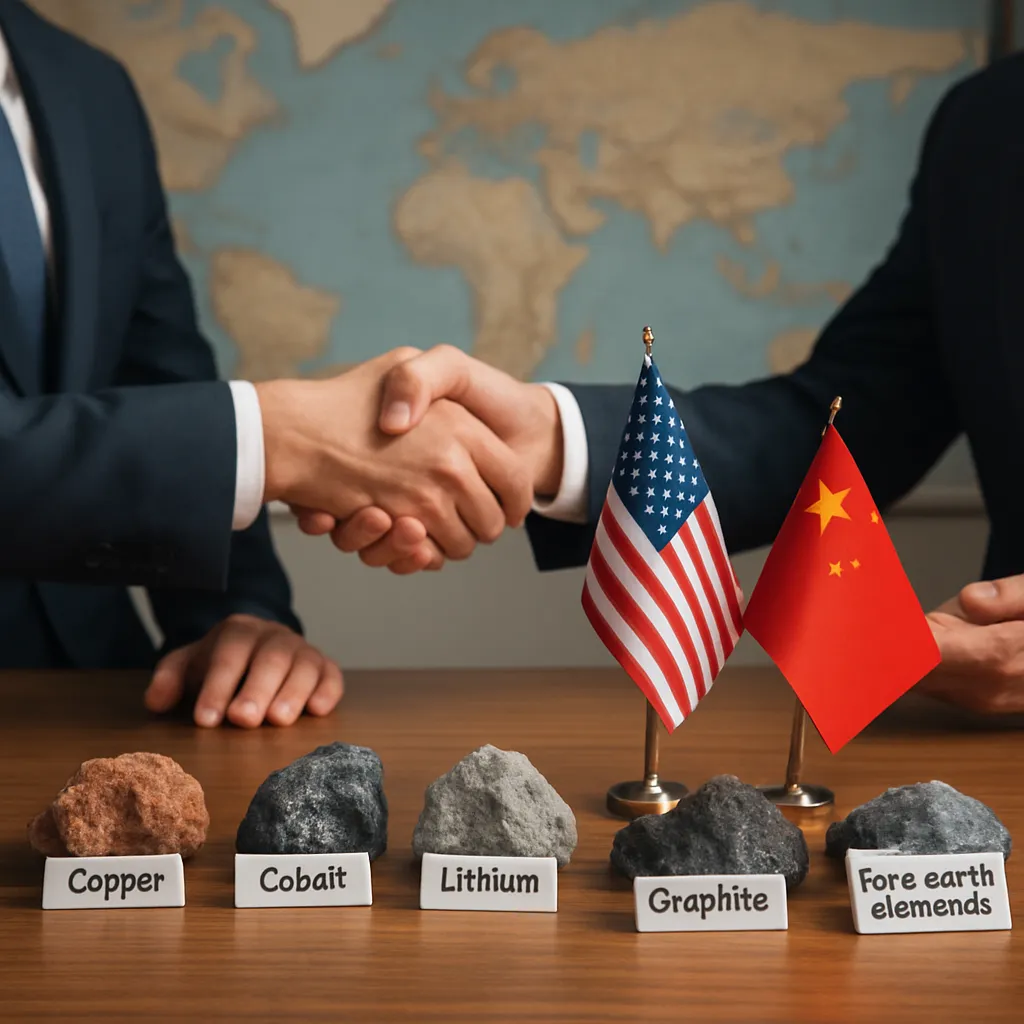
- Resource Distribution: Critical metals are unevenly distributed geographically. For example, more than half of global cobalt production originates from the Democratic Republic of Congo, while China controls over 60% of rare earth processing capacity.
- Market Volatility: Price fluctuations for nickel and lithium can spike by over 50% in a matter of months, creating uncertainty for both producers and technology manufacturers.
- Supply Chain Security: Ensuring reliable access to crucial minerals has become a matter of national security for many countries. Governments are exploring strategies to develop domestic extraction and processing capabilities.
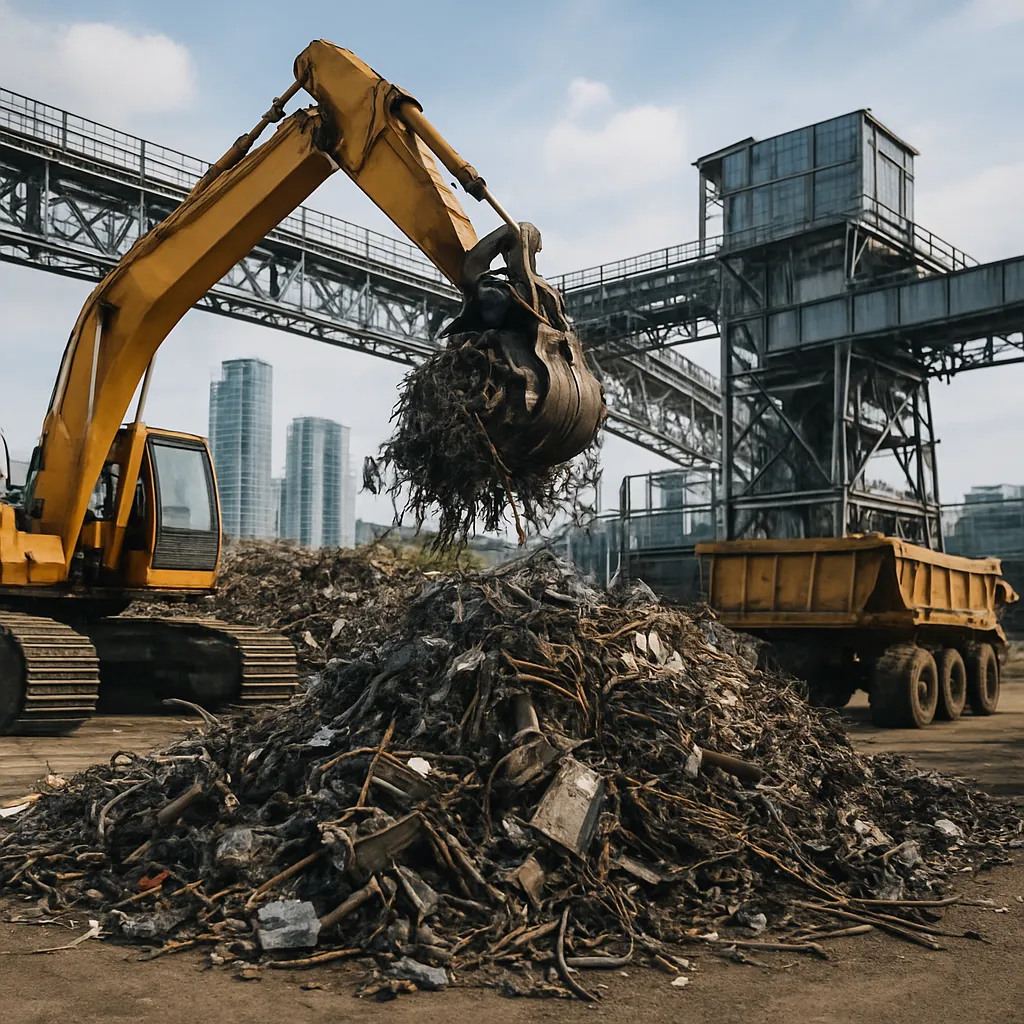
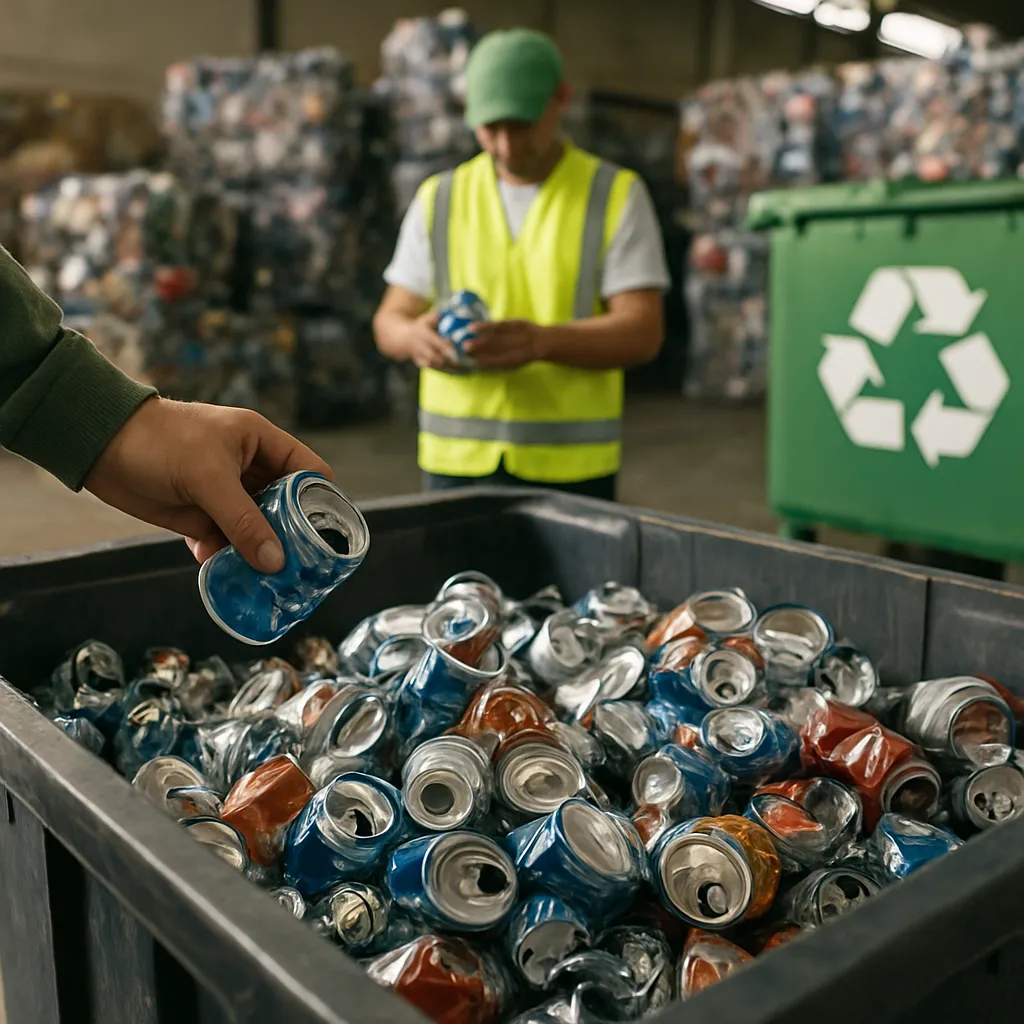
- Recycling and Secondary Sources: As mineral demand accelerates, the circular economy becomes vital. Urban mining—reclaiming metals from end-of-life electronics and batteries—could supply up to 30% of future demand for certain metals.
Balancing these elements is no simple task. Industry leaders stress that without significant investment and strategic planning, bottlenecks could hinder the pace of the global energy transition.
Environmental and Social Challenges
Extracting and refining rare metals often entails considerable environmental footprint. Conventional mining methods can lead to soil degradation, water contamination, and biodiversity loss. Moreover, communities near mining sites may face displacement and health risks. Addressing these issues is essential for achieving a sustainable mining paradigm.
Environmental Impacts
- Water Usage: Some extraction processes consume millions of liters of water per ton of metal produced, exacerbating drought risks in arid regions.
- Toxic Waste: Tailings dams, which store mining byproducts, have a history of catastrophic failures, releasing heavy metals into rivers and groundwater.
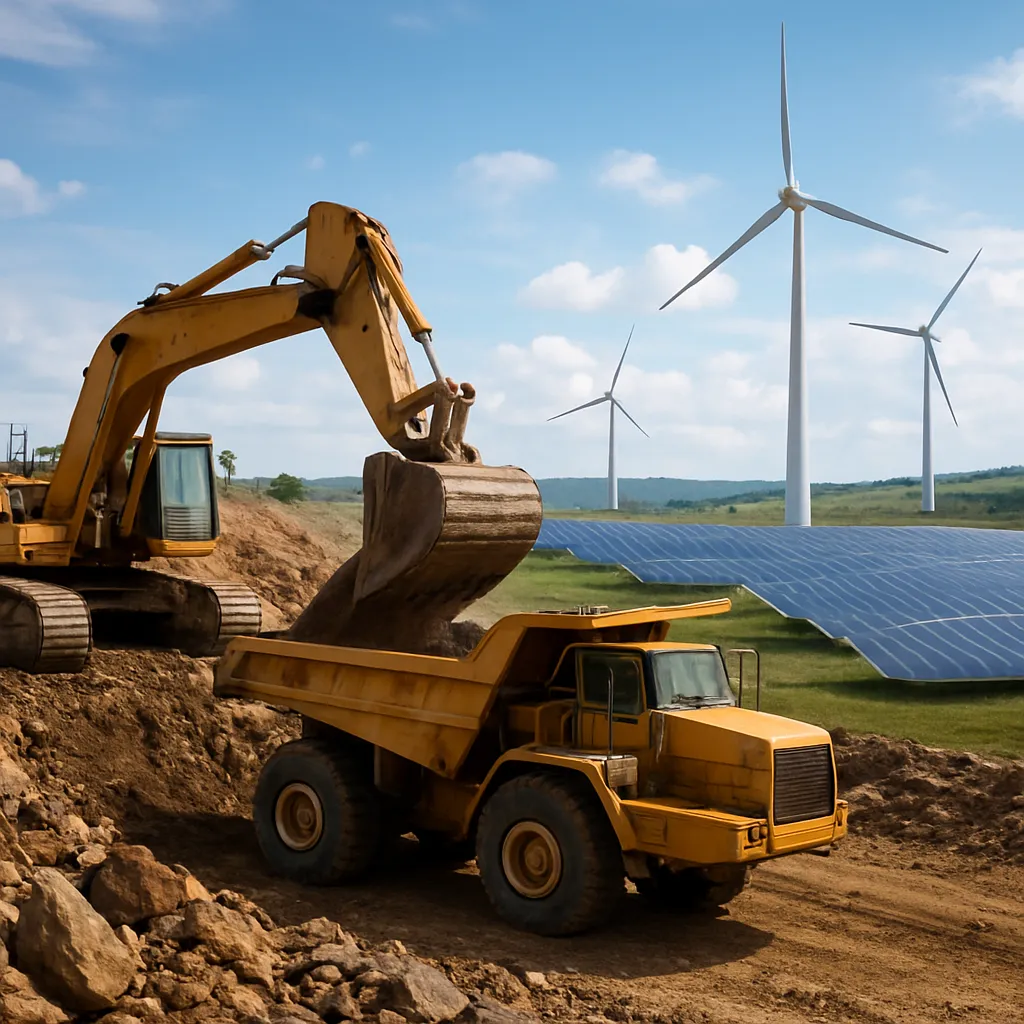
- Land Disturbance: Open-pit mines can stretch for kilometers, destroying habitats and altering landscapes irreversibly.
Social Considerations
- Labor Rights: Ensuring fair wages, safe working conditions, and freedom from forced labor is an ongoing challenge, particularly in jurisdictions with weak regulatory oversight.
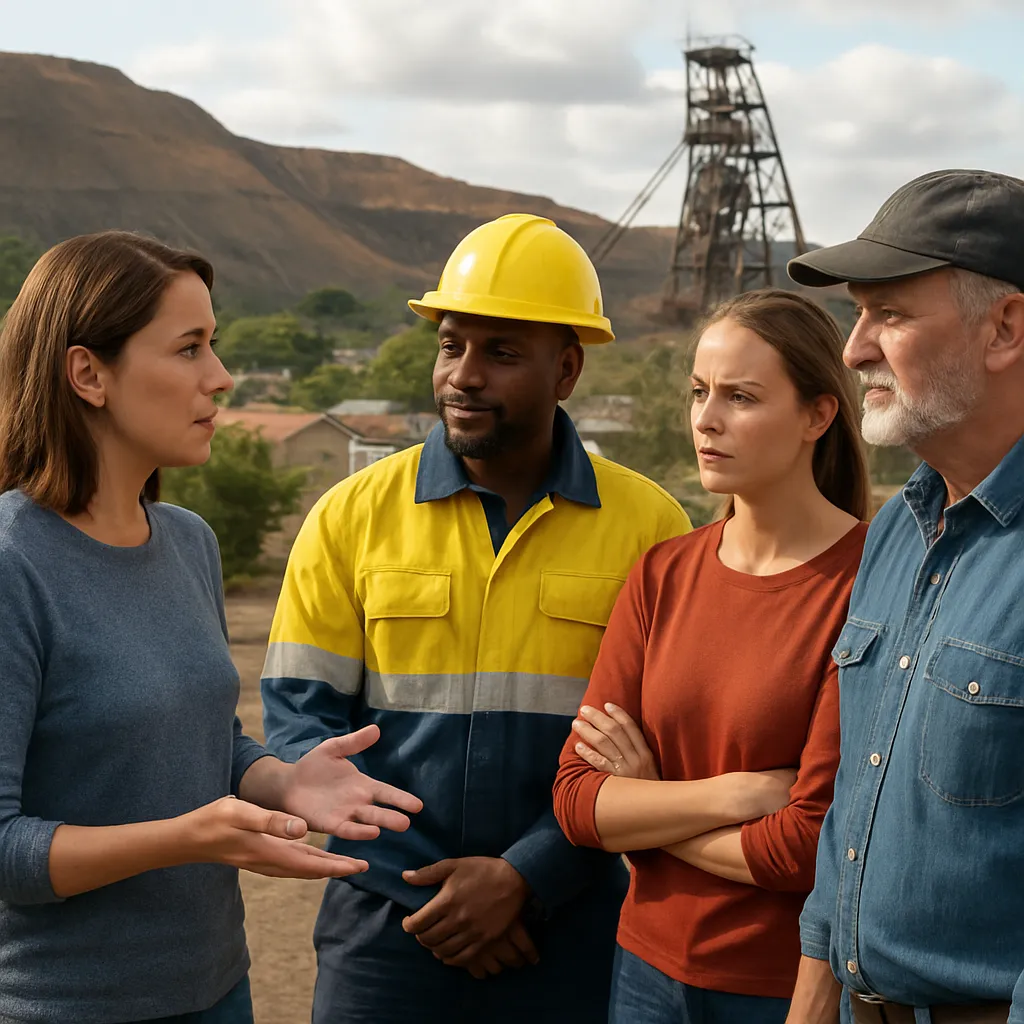
- Community Engagement: Inclusive decision-making and benefit-sharing mechanisms can help build trust and mitigate conflicts between extractive companies and indigenous or local populations.
- Human Rights: End-to-end transparency in mineral supply chains is vital to prevent human rights abuses and conflict financing.
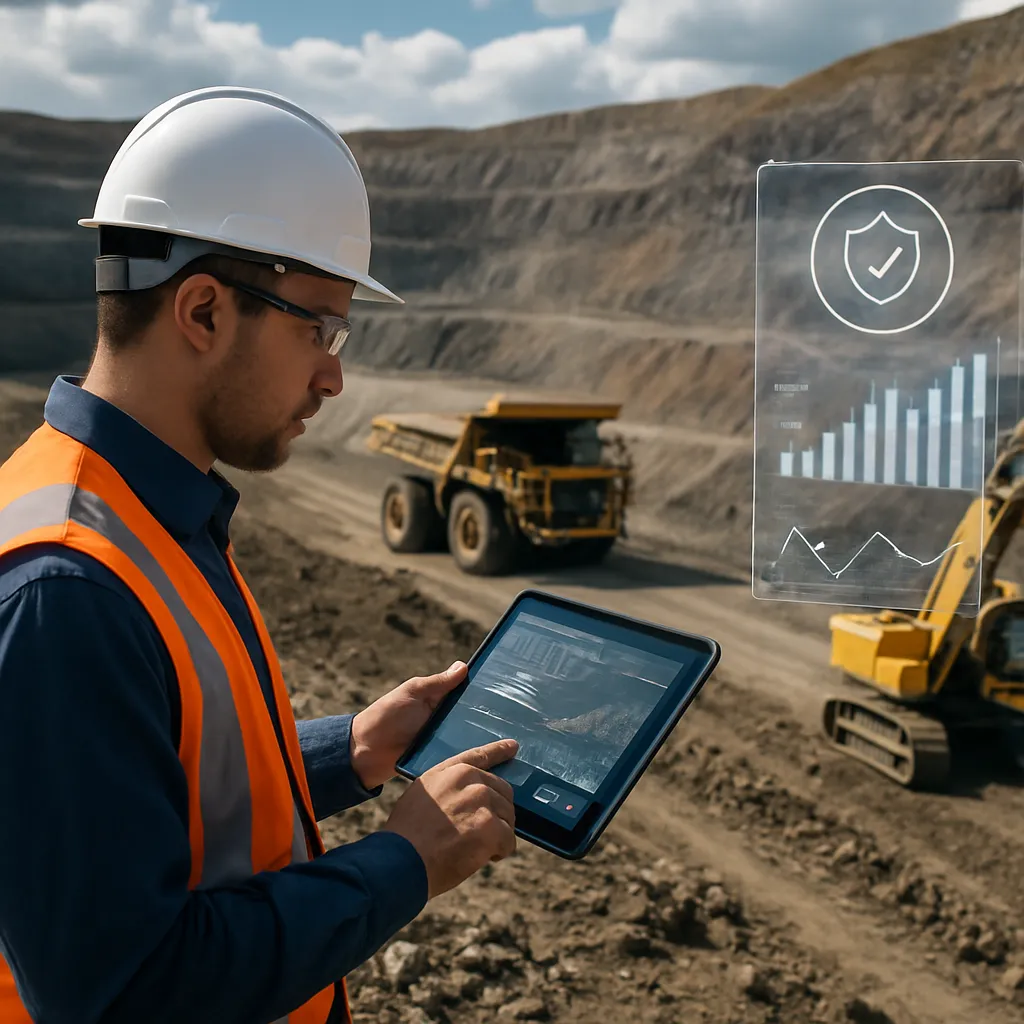
Industry stakeholders must adopt robust environmental and social governance (ESG) standards. This includes deploying advanced monitoring technologies—such as remote sensing drones and water-quality sensors—and adhering to international frameworks like the Initiative for Responsible Mining Assurance (IRMA).
Technological Innovations in Sustainable Mining
New technologies offer pathways to minimize adverse impacts and enhance resource efficiency. By integrating cutting-edge solutions, mining operators can foster innovation, reduce carbon footprints, and optimize recovery rates for valuable metals.
Automation and Digitalization
- Autonomous Vehicles: Driverless haul trucks and drills improve safety and reduce fuel consumption by up to 15%.
- Predictive Analytics: Machine learning models can forecast ore quality variations, enabling precise extraction that maximizes yield and minimizes waste.
- Blockchain Traceability: Distributed ledgers track minerals from pit to product, ensuring integrity and reducing fraud.
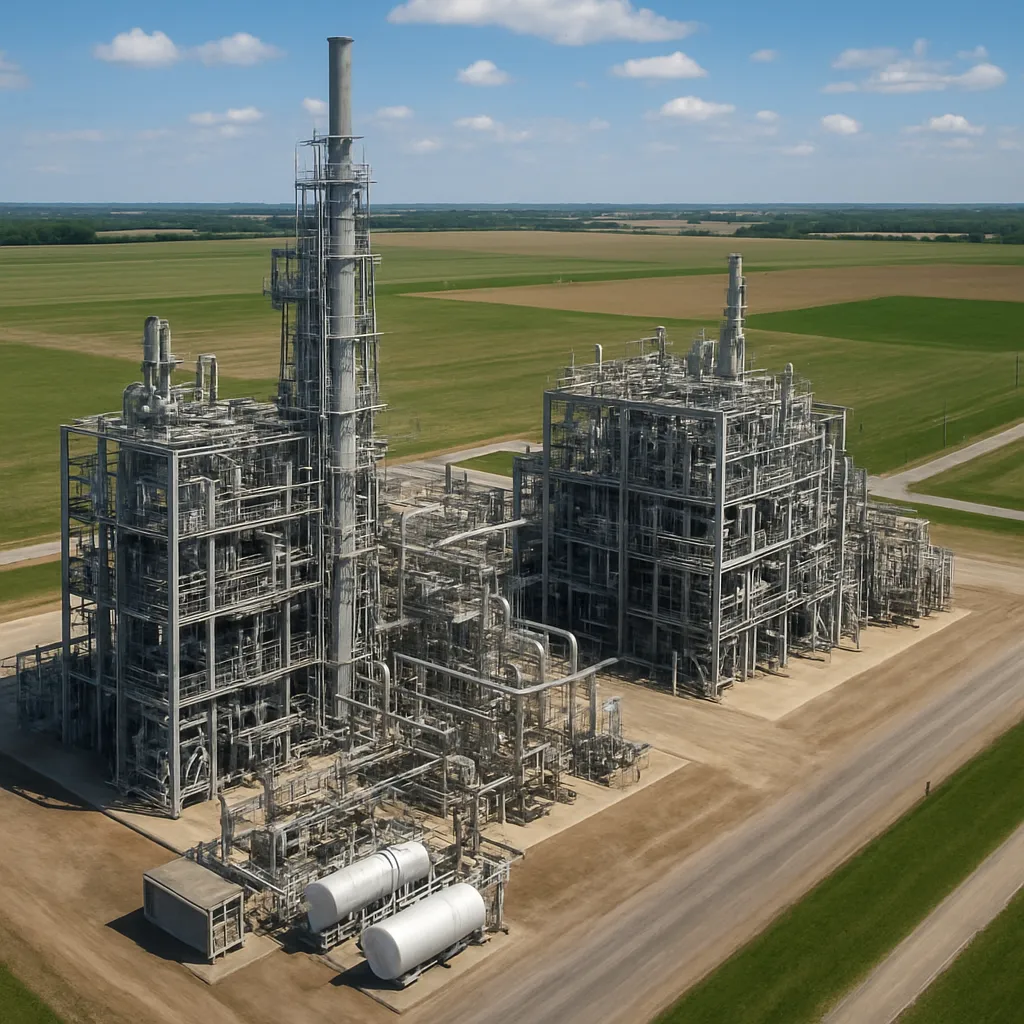
Green Processing Techniques
- Bioleaching: Microorganisms extract metals from low-grade ores, eliminating the need for energy-intensive smelting.
- Hydrometallurgy: Advanced leaching solutions recover metals at lower temperatures and with fewer greenhouse gas emissions than pyrometallurgy.
- Solvent-based Separation: Novel solvents selectively bind to target metals, improving purity and reducing chemical usage.
Investing in research and development of these approaches is crucial. Partnerships between mining companies, research institutions, and equipment manufacturers can accelerate commercialization and scale-up of sustainable practices.
Policy Frameworks and International Cooperation
Effective policies and transnational collaboration play a pivotal role in shaping a responsible mineral economy. Governments, industry bodies, and civil society must work in concert to ensure that mining supports clean energy goals without compromising human rights or ecosystems.
Regulatory Measures
- Environmental Regulations: Strict permitting processes and emission standards drive operators to adopt cleaner technologies and rehabilitation plans.
- Trade Policies: Tariffs, quotas, and trade agreements can incentivize the procurement of responsibly sourced minerals.
- Incentives: Tax breaks and grants for companies that achieve rigorous sustainability benchmarks encourage best practices.
Global Initiatives
- International Alliances: The Extractive Industries Transparency Initiative (EITI) promotes open data on revenues and contracts, fostering accountability.
- Standardization Bodies: ISO standards for responsible mining provide universally recognized criteria for environmental and social performance.
- Public–Private Partnerships: Joint ventures between multinationals and local governments can drive infrastructure investment, capacity building, and community development.
By establishing coherent policy frameworks and encouraging cross-border dialogues, stakeholders can mitigate geopolitical risks and ensure that strategic minerals are sourced in ways that uphold environmental integrity and social welfare.
Building a Resilient Future
The global energy revolution will only succeed if mining evolves to meet higher standards of resilience and responsibility. From adopting green technologies to reinforcing supply chain transparency, every step counts in safeguarding the planet and its people. At the heart of this transformation lies a commitment to circular principles—where materials are not just extracted but also reused and recycled—and to robust governance that aligns economic interests with societal well-being. Sustainable mining is not merely an operational choice; it is a strategic imperative for the next chapter of industrial progress.