The extraction and processing of rare metals have become critical to the global economy, powering technologies from electric vehicles to renewable energy systems. As demand accelerates, industry stakeholders increasingly recognize the need for sustainability and ethical supply chains. The growing emphasis on responsible mining certifications aims to ensure that environmental protection, social welfare, and governance standards are upheld from exploration through end‐of‐life recycling. This article explores the drivers behind escalating demand, the role of certification schemes, the obstacles faced in adoption, and emerging innovations that may shape the future of transparent and traceable rare metal supply chains.
Global Demand and Drivers for Rare Metal Sourcing
Advances in clean energy, consumer electronics, and aerospace rely heavily on metals such as cobalt, lithium, nickel, and rare earth elements. Electric vehicle batteries consume significant volumes of cobalt and nickel, while wind turbines require neodymium and dysprosium magnets. As nations pursue decarbonization goals, annual consumption of rare metals is projected to increase by more than 500% over the next two decades. This surge places pressure on mining regions in Africa, South America, and Asia, often characterized by fragile ecosystems and vulnerable communities.
Key drivers shaping the rare metal landscape include:
- Technological innovation in energy storage and electronics
- National policies supporting renewable energy deployment
- Investor and consumer demand for ethical sourcing
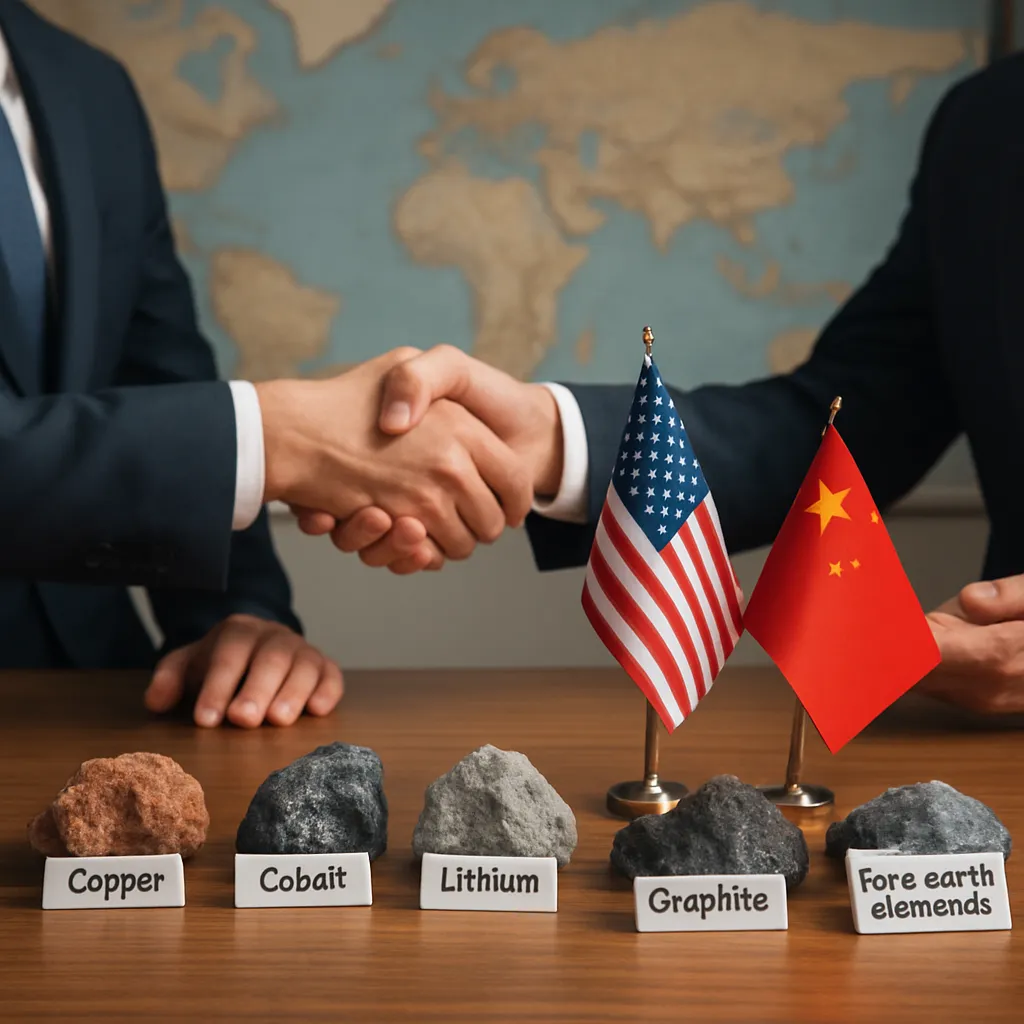
- Geopolitical competition for critical mineral reserves
In response, governments and corporations are seeking mechanisms to verify that extraction practices adhere to robust environmental and social criteria. This has fueled growth in certification standards that promise to mitigate risks associated with deforestation, water contamination, labor abuses, and illicit trade.
The Role of Responsible Mining Certifications
Responsible mining certifications establish third‐party audited frameworks covering:
- Environmental management: Limiting tailings discharge, preventing soil erosion, and protecting biodiversity.
- Social performance: Respecting indigenous rights, ensuring fair wages, and promoting community development.
- Governance: Maintaining transparency in revenue flows, anti‐corruption policies, and stakeholder engagement.
- Traceability: Recording material flows to guarantee that metals are not sourced from conflict zones or illicit operations.
Leading schemes include the Initiative for Responsible Mining Assurance (IRMA), Fairmined, and the Responsible Minerals Initiative (RMI). Each program offers different scopes and assessment levels. For example, IRMA conducts cradle‐to‐gate evaluations on environmental and human rights performance, while Fairmined focuses on artisanal and small‐scale mining operations. Corporate buyers often require multiple certifications to satisfy both regulatory requirements and investor expectations.
Challenges and Opportunities in Certification Implementation
Adopting certification frameworks in global supply chains presents a range of challenges:
- High compliance costs discourage small and medium enterprises from seeking certification.
- Complex jurisdictional overlaps impede consistent enforcement of standards.
- Limited technical capacity within local mining communities reduces ability to meet stringent criteria.
- Chain‐of‐custody tracking is complicated by multiple intermediary traders and processors.
Nevertheless, clearing these hurdles can unlock several opportunities:
- Enhanced reputation and market access for certified producers.
- Preferential financing from banks that integrate environmental, social, and governance (ESG) metrics.
- Value addition via innovation in eco‐friendly extraction and processing technologies.
- Greater community trust and social license to operate when benefits are transparently shared.
Governments can incentivize adoption by offering tax breaks, technical assistance, and preferential procurement for certified metals. Meanwhile, downstream manufacturers, including automotive and electronics firms, wield buying power to demand proof of compliance before placing large orders.
Technological Advances Facilitating Transparency
Cutting‐edge tools are increasingly employed to improve traceability across the rare metal lifecycle:
- Blockchain platforms record immutable transactions from mine to smelter to end‐user, preventing provenance fraud.
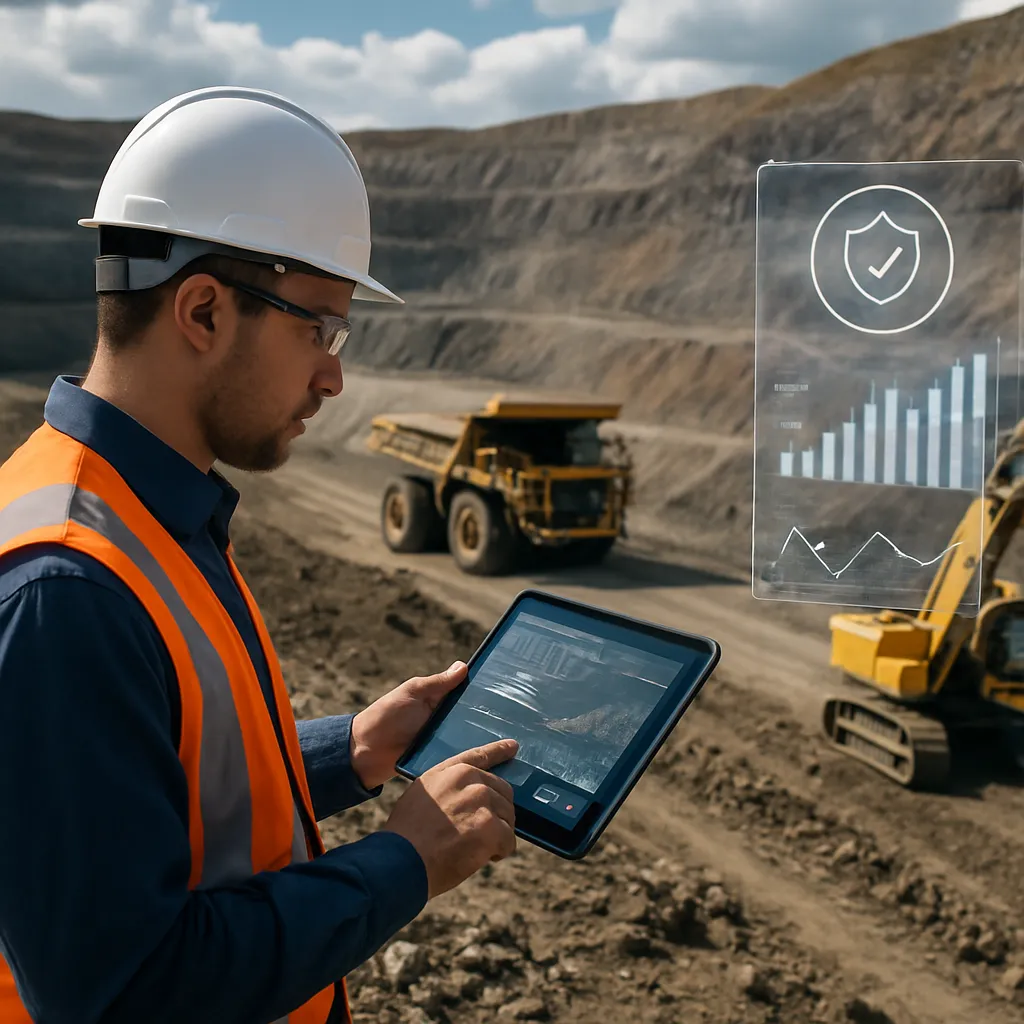
- Satellite imaging and remote sensing detect land‐use changes around extraction sites, ensuring adherence to environmental safeguards.
- Portable X‐ray fluorescence (XRF) analyzers enable on‐site verification of mineral grades and the presence of restricted substances.
- Machine learning algorithms analyze operational data to optimize water usage, energy efficiency, and waste minimization.
These digital solutions foster greater transparency and equip auditors with real‐time insights, reducing reliance on infrequent site visits. As a result, stakeholders can identify non‐conformities earlier and implement corrective actions before reputational damage or regulatory penalties occur.
Collaborative Approaches and Stakeholder Engagement
No single actor can drive responsible mining alone. Effective certification regimes depend on multi‐stakeholder collaboration involving:
- Mining companies committed to continuous improvement of environmental and social performance.
- Governments enacting consistent legal frameworks and supporting independent oversight.
- Local communities empowered to participate in decision‐making and benefit‐sharing.
- Investors integrating ESG considerations into financing and portfolio management.
Through public–private partnerships, training programs can strengthen community capacity to engage in governance processes. Industry associations also play a vital role by harmonizing standards, reducing duplication of audits, and advocating for mutual recognition of certifications.
Future Directions in Sustainable Rare Metal Supply Chains
Looking ahead, the following trends are poised to reshape the landscape of responsible mining certifications:
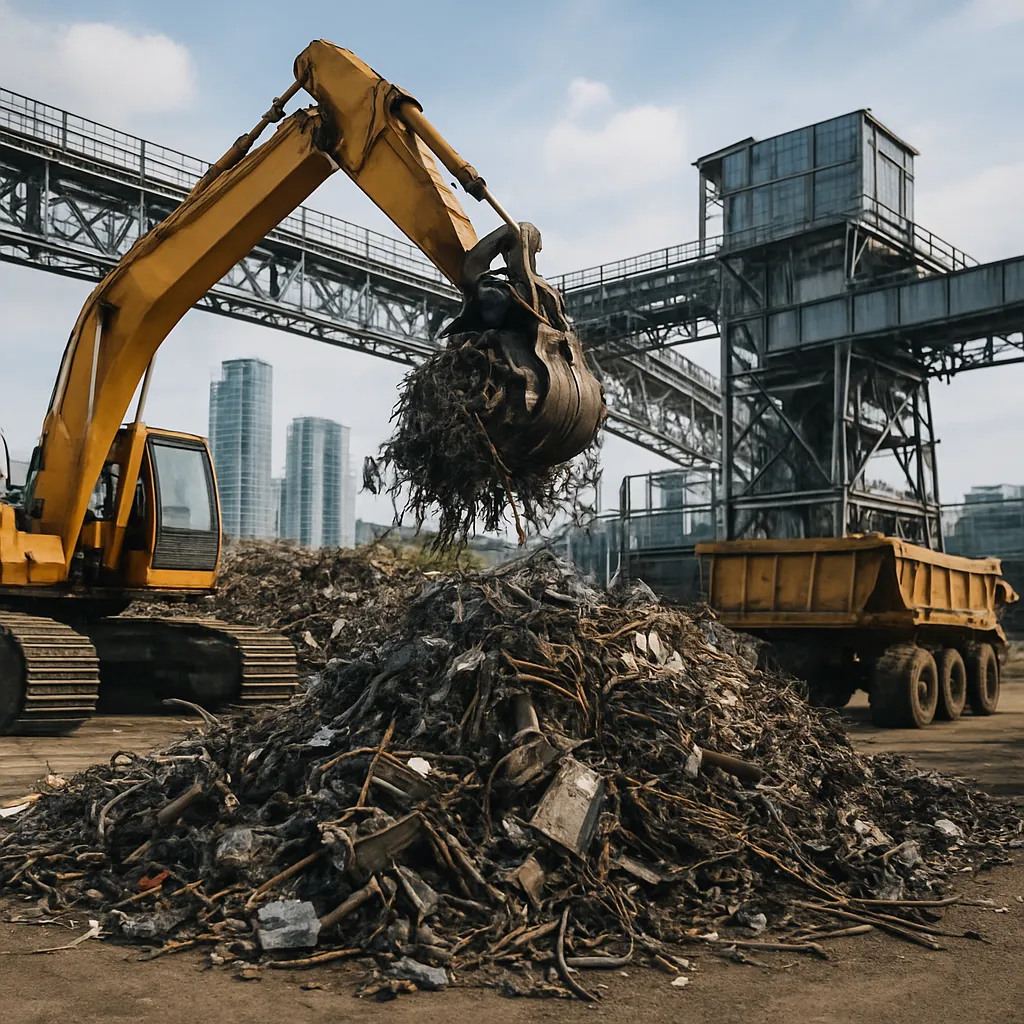
- Integration of circular economy principles, emphasizing end‐of‐life recycling and material recuperation.
- Expansion of certification scope to cover downstream processing, refining, and manufacturing stages.
- Greater use of real‐time monitoring devices and artificial intelligence for predictive risk management.
- Emergence of digital tokens representing certified metal batches, enabling fractional trading on commodity exchanges.
As the world transitions toward low‐carbon systems, securing a stable and ethically responsible supply of rare metals will be paramount. Certification schemes, together with technological innovation and collaborative governance, serve as the cornerstone of a trustworthy supply chain that balances economic growth with environmental stewardship and social justice.