Global reliance on rare earth elements and critical metals has surged, propelled by the transition to renewable energy and advanced electronics. With demand skyrocketing, the mining sector faces mounting pressure to adopt sustainable practices. This article explores the evolving landscape of green mining technologies, the challenges posed by global metal scarcity and the strategies reshaping resource extraction for a low-carbon future.
Global Demand and Scarcity Dynamics
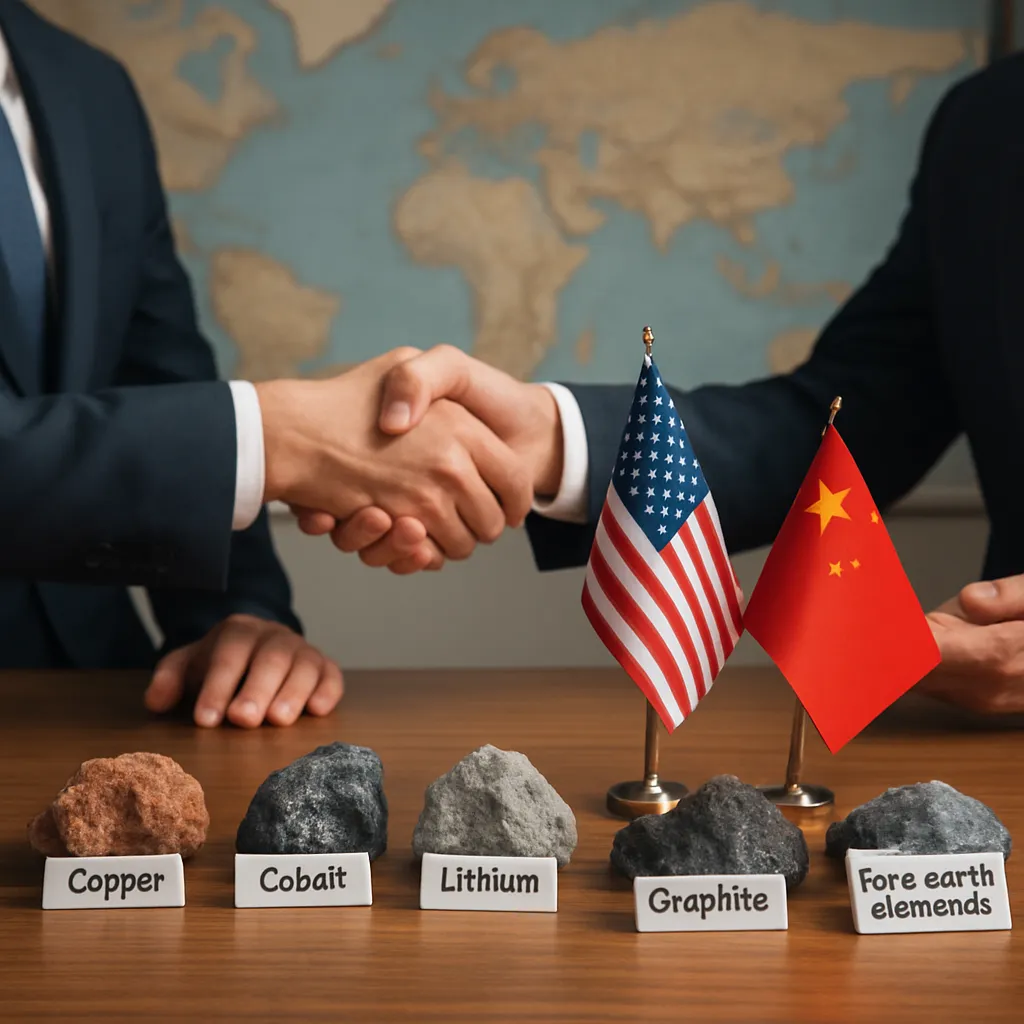
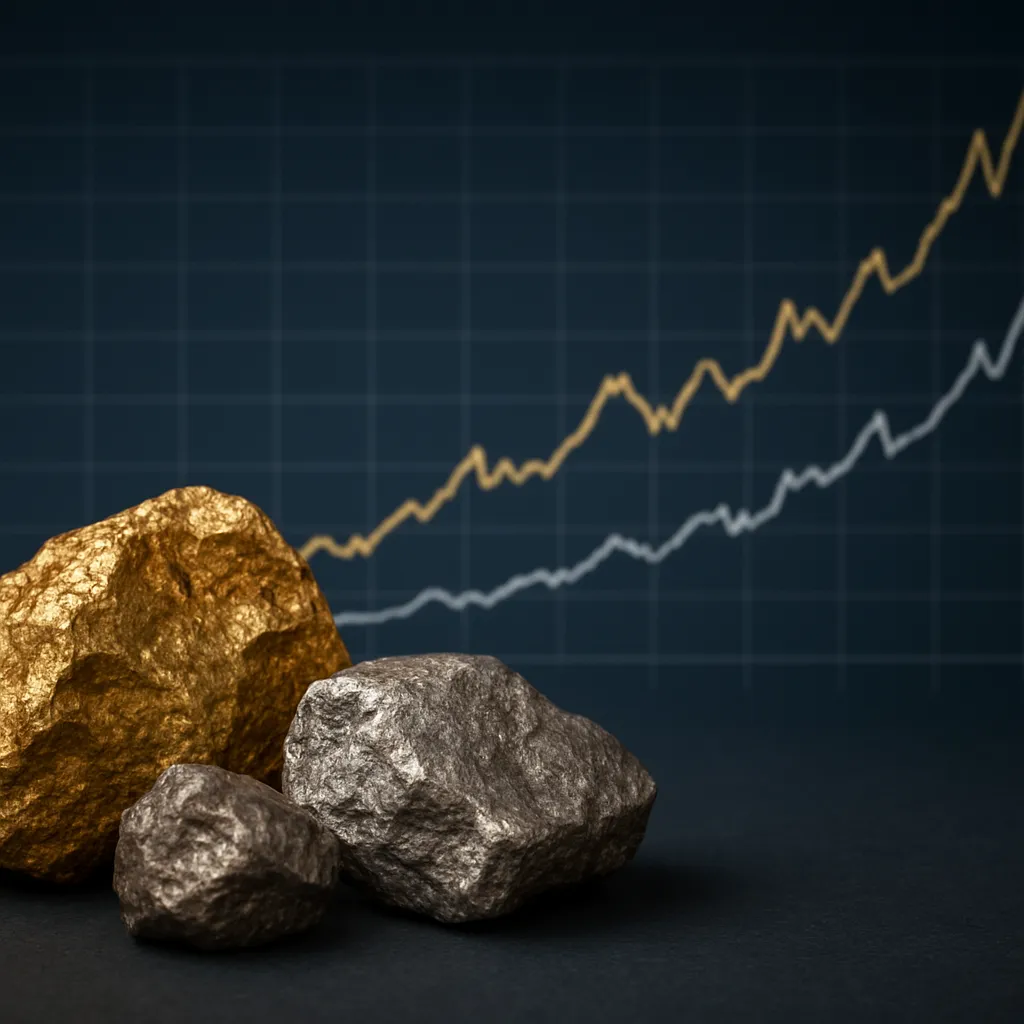
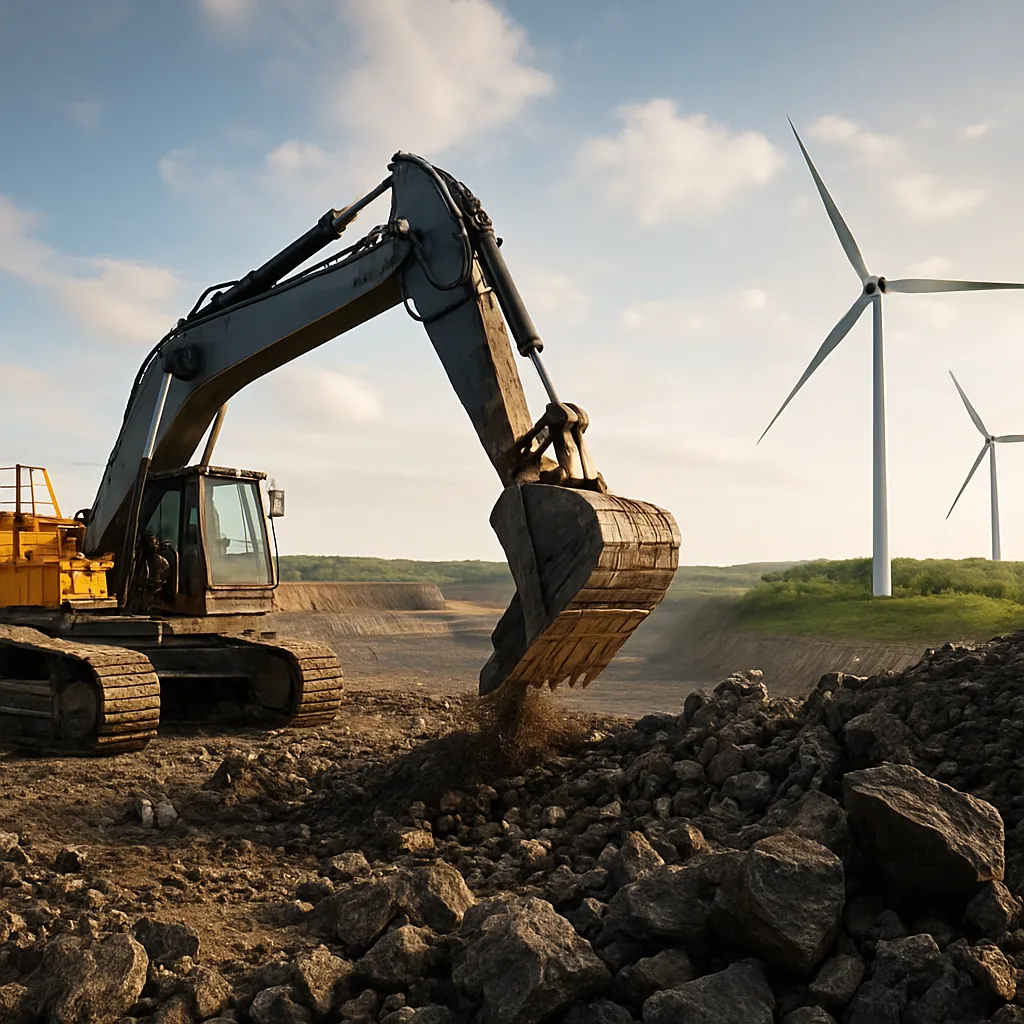
Driven by the proliferation of electric vehicles, wind turbines and high-tech devices, metals such as lithium, cobalt and nickel are at the forefront of energy storage and digital innovation. The imbalance between supply and demand intensifies when geopolitical tensions disrupt trade, leaving manufacturers vulnerable to price spikes. Regions rich in rare metals, notably parts of Africa, South America and Southeast Asia, become hotspots for investment and debate over environmental regulations.
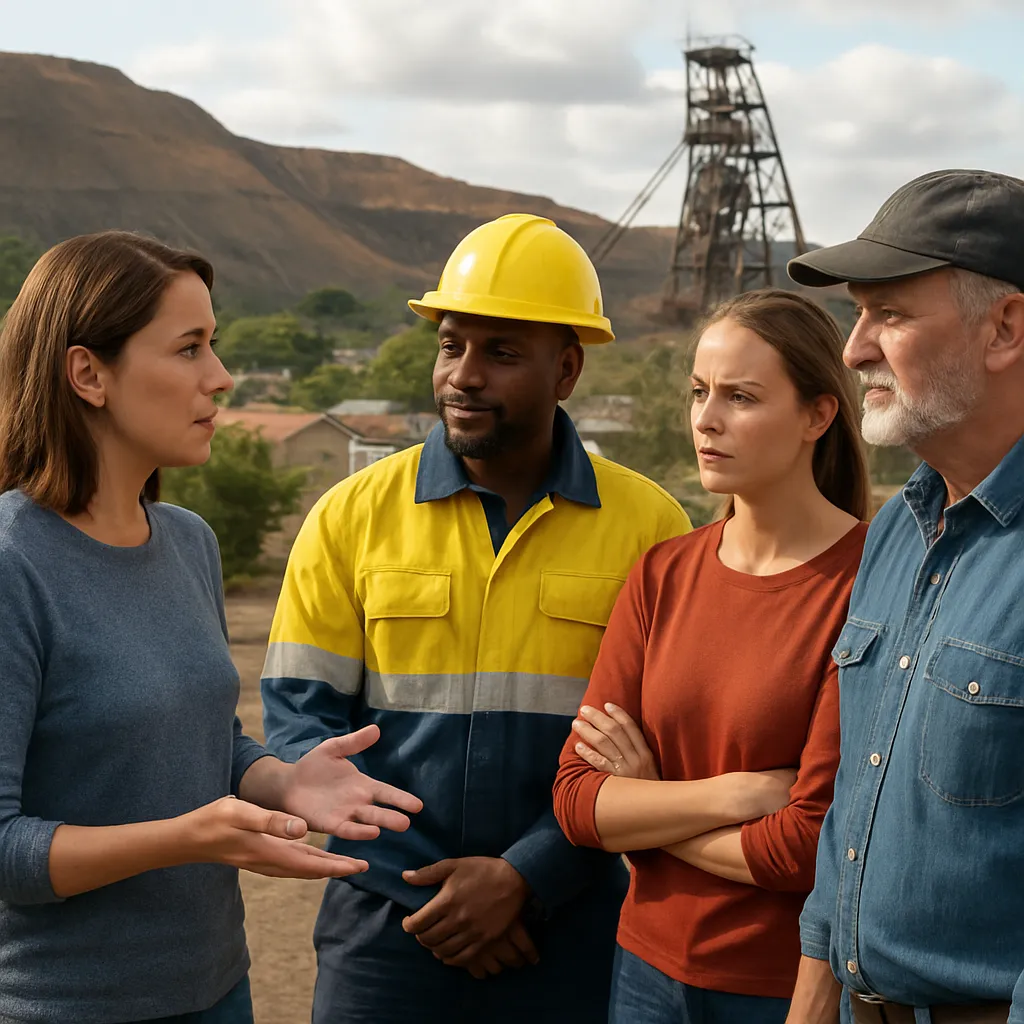
Scarcity creates both opportunity and risk. On one hand, high metal prices can stimulate exploration and incentivize strategic reserves. On the other hand, unethical labor practices and ecological degradation can arise when governance is weak. Extractive industries are now under scrutiny to meet corporate social responsibility standards, ensuring that communities benefit from resource development without sacrificing local ecosystems.
Market Drivers and Policy Initiatives
- Government incentives for clean energy projects elevate demand for critical metals.
- International agreements push for lower carbon footprint in mining operations.
- Public-private partnerships fund research into recycling and alternative materials.
A surge in publicly traded green bonds dedicated to mining ventures signals investor confidence in innovation. Meanwhile, stricter tailings management and water use policies compel companies to explore less invasive extraction methods. Technological breakthroughs are thus critical for reconciling economic growth with environmental protection.
Innovations in Eco-Friendly Extraction
Recent advances center on minimizing habitat disruption and reducing chemical inputs. Several promising techniques have emerged:
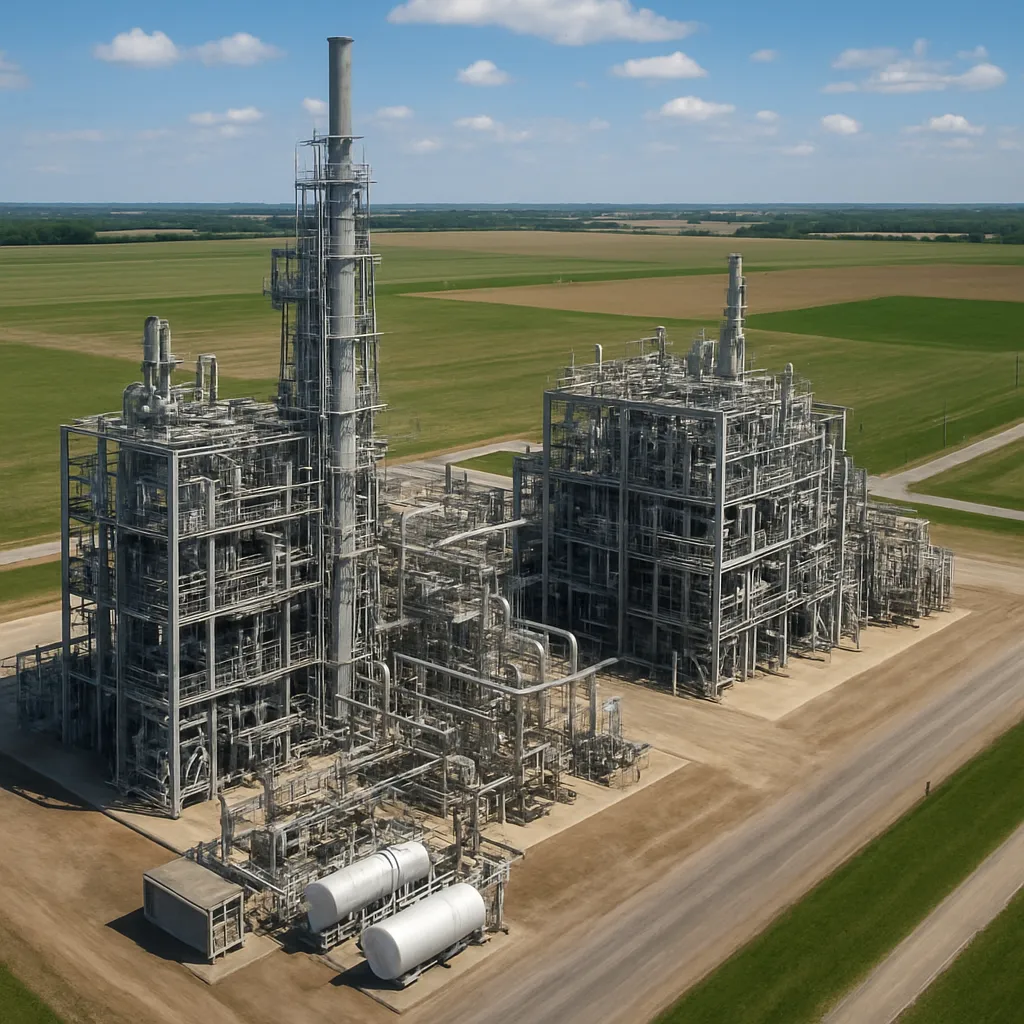
- In-situ leaching: Injecting a mild solvent underground to dissolve metals without large open pits.
- Bioleaching: Utilizing bacteria or fungi to accelerate the breakdown of ore, lowering energy requirements.
- Electrochemical methods: Applying electric currents to selectively recover metals, reducing waste generation.
- Modular mining units: Prefabricated, transportable systems that limit land clearance and expedite site rehabilitation.
- Digital twin modeling: Real-time simulations optimize resource placement and predict environmental impacts before drilling commences.
Role of Automation and Data Analytics
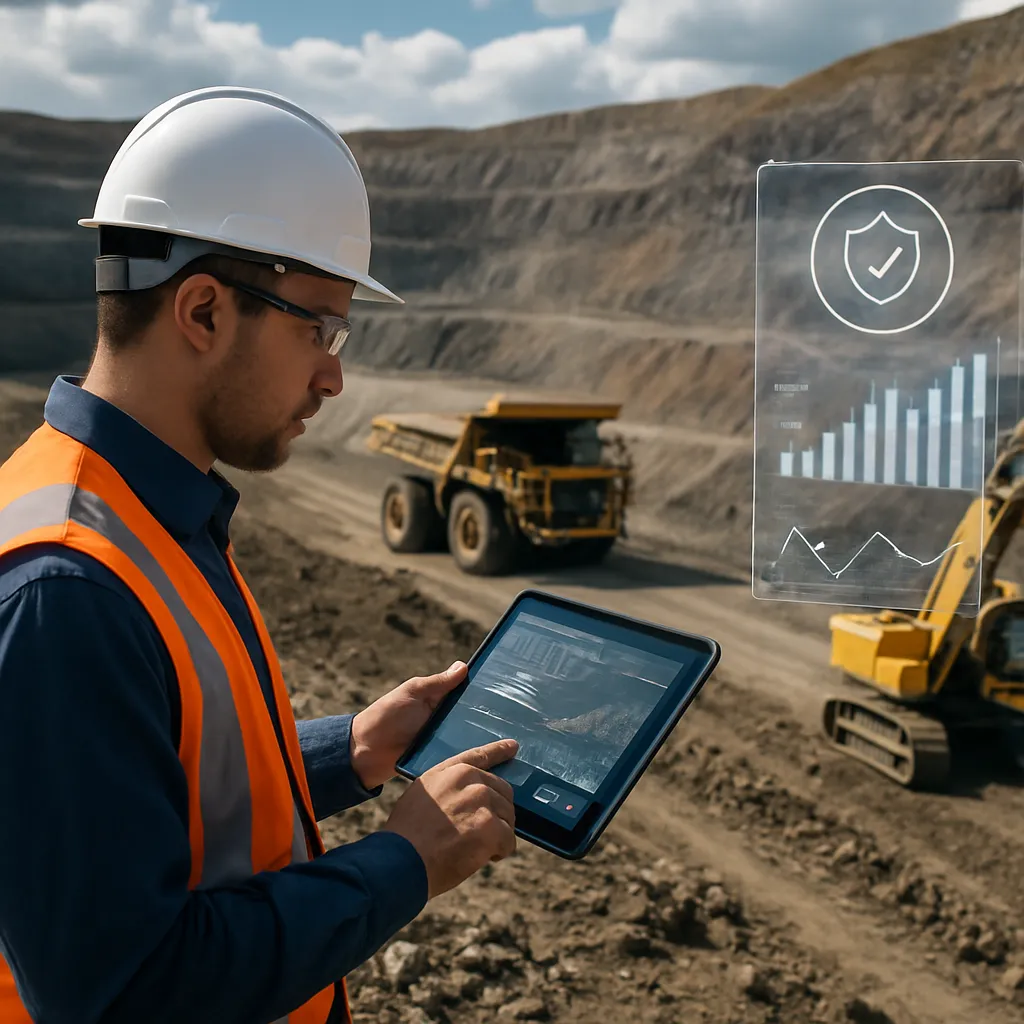
Automation reduces human exposure to hazardous conditions, while machine learning algorithms refine mineral targeting and waste reduction. Drones equipped with spectrometers survey large tracts with minimal disturbance. Predictive maintenance for heavy machinery curtails energy consumption and prolongs equipment life, contributing to an overall drop in operational emissions.
Closed-Loop Systems and Recycling
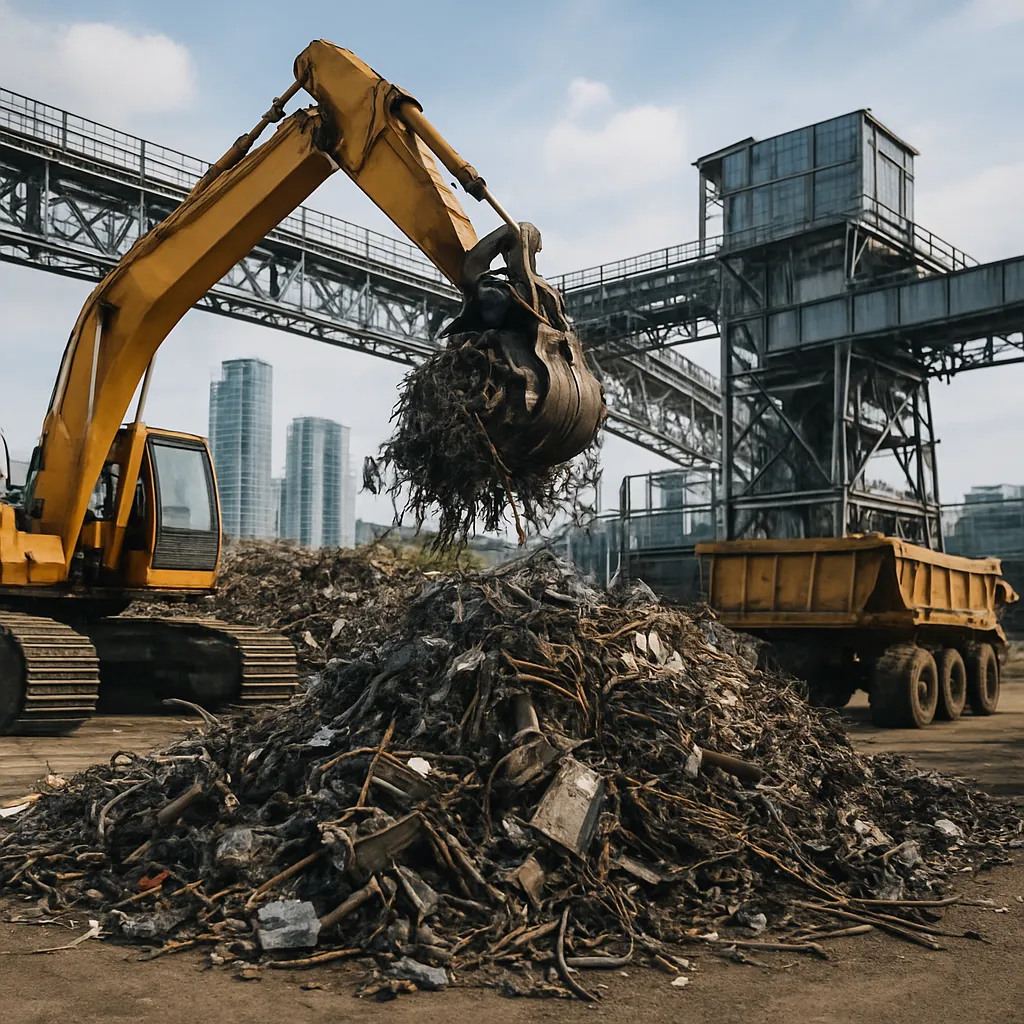
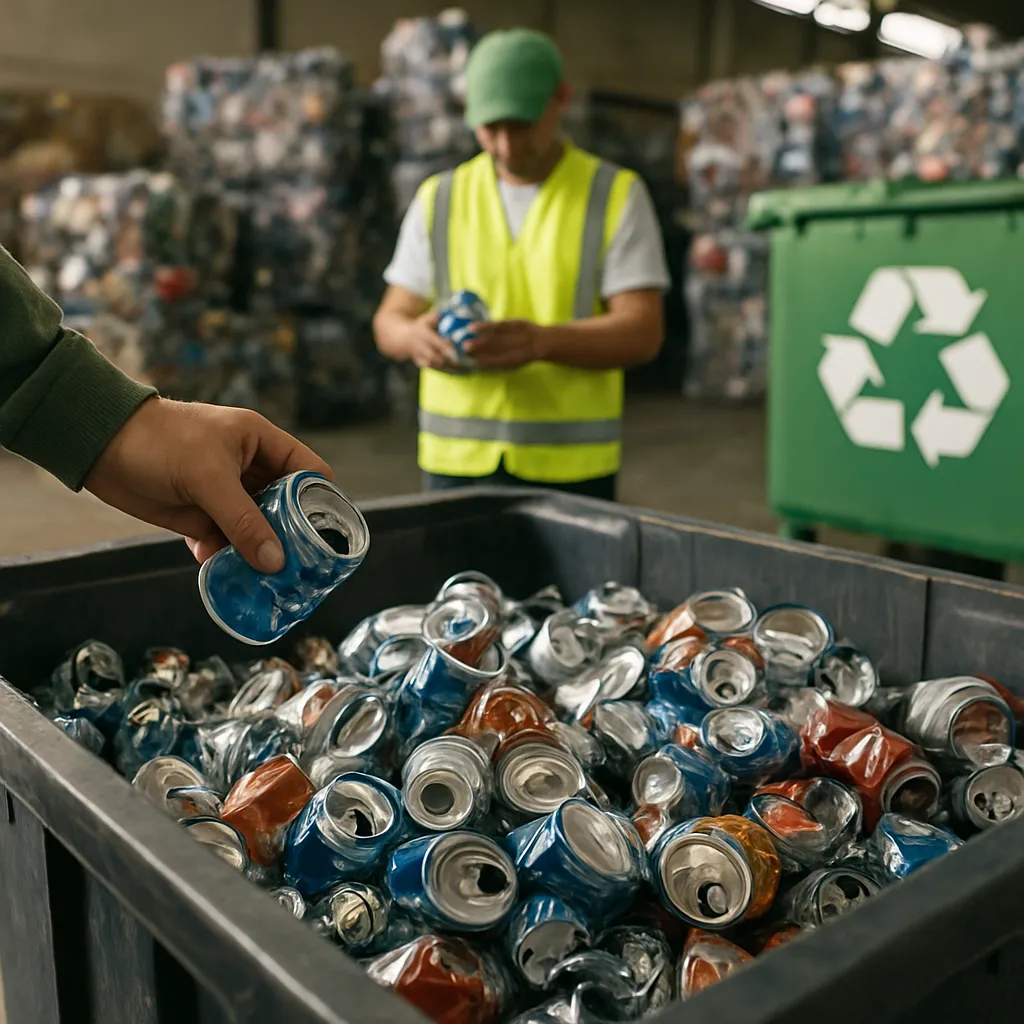
Circular economy principles are gaining traction as companies invest in recovering metals from end-of-life products. Urban mining—harvesting metals from discarded electronics—lessens the dependence on virgin ore. Advanced sorting facilities now leverage AI-driven optical sensors to separate and purify components, boosting recovery rates and slashing landfill volume.
Economic and Environmental Impact
Green mining technologies come with higher upfront costs, but long-term gains can offset expenditures through improved efficiency and reduced liabilities. Lower water consumption and reduced tailings footprint translate into fewer regulatory fines and cleanup obligations. Communities benefit from cleaner air and water, fostering social licenses to operate.
Cost-Benefit Considerations
- Capital investment in sustainable methods often qualifies for tax credits and grants.
- Operational savings accrue from energy-efficient equipment and decreased chemical usage.
- Enhanced brand reputation attracts ESG-focused investors and customers.
Notwithstanding these advantages, challenges persist. Transitioning legacy mines to green protocols may require extensive retrofitting. Workforce training and reliable power supply in remote areas represent additional hurdles. Public perception also plays a role, as stakeholders demand transparency and proof of continuous improvement.
Case Studies in Responsible Mining
Regions that have pioneered stringent environmental requirements demonstrate measurable benefits. In Western Australia, consortiums deploying solar-powered pumps for rare earth extraction reduced diesel consumption by 60%. In Canada’s northern territories, partnerships with Indigenous communities ensure that land reclamation plans respect traditional knowledge, leading to shared economic gains.
Future Outlook for Sustainable Resource Supply
As the world races towards decarbonization, the strategic importance of rare metals will only escalate. To stay ahead, the mining industry must embrace continuous research and development—from green solvents that leave no toxic residues to blockchain systems tracing metal provenance. Collaborative frameworks involving governments, academia and civil society will be essential to harmonize standards and share best practices.
Moreover, breakthroughs in material science may reduce reliance on certain rare metals by finding substitutes or recyclability improvements. Still, until such alternatives are fully viable, mining operations must adhere to the highest environmental and ethical benchmarks.
Balancing resource security with ecological stewardship will define the next era of mineral extraction. Through unwavering commitment to sustainability and technological innovation, green mining technologies can transform global supply chains and underpin a resilient, low-carbon economy.