The quest for securing and harnessing global supplies of critical elements has never been more pressing. Rare metals underpin pivotal advancements in clean energy technologies, advanced electronics, and defense systems. Yet developing new projects to extract and process these resources demands not only financial capital but also a robust framework that prioritizes sustainability and responsible stewardship. As investors, governments, and industry leaders collaborate to fund these ventures, they must navigate a complex web of environmental, social, and governance considerations while ensuring economic viability.
Understanding the Global Rare Metals Landscape
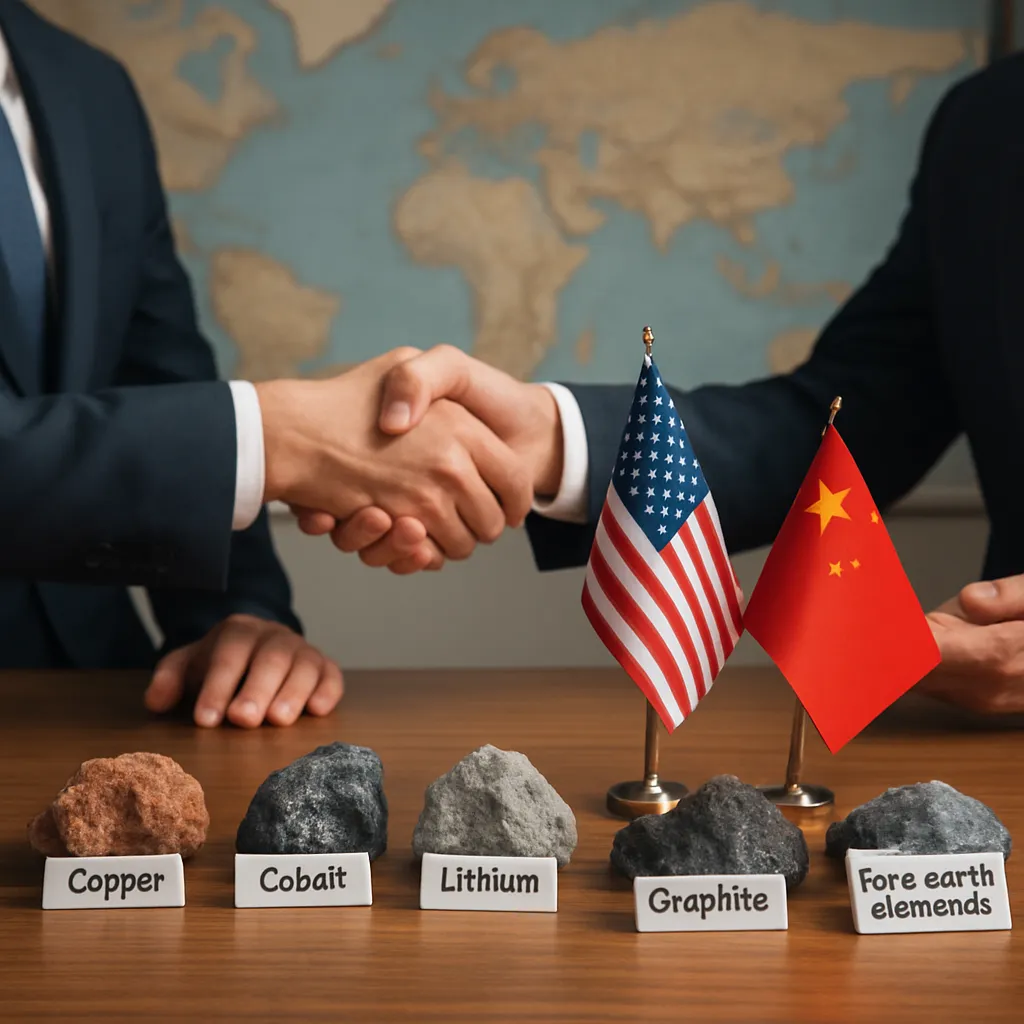
The market for rare metals such as lithium, cobalt, nickel, and rare earth elements has expanded dramatically over the past decade. Fueled by surging demand for electric vehicles, wind turbines, and smartphones, extraction projects are sprouting in diverse geographies—from the Congo’s cobalt-rich deposits to nickel mines in Indonesia and lithium brine operations in South America. However, these operations invariably carry high environmental footprints and potential social impacts on local communities. Addressing these challenges requires a concerted effort to integrate transparency across the entire supply chain, ensuring that project sponsors adhere to rigorous standards for water usage, land restoration, and community consultation.
Sustainable Financing Models for Rare Metal Projects
Green Bonds and Sustainable Debt Instruments
One of the most prominent vehicles for channeling capital into eco-friendly ventures is the issuance of green bonds. These debt instruments earmark proceeds exclusively for projects with clear environmental benefits, like low-impact mining techniques or renewable energy integration at extraction sites. Investors often demand independent certification, such as the Climate Bonds Initiative label, to verify that the funded operations deliver measurable carbon reductions or biodiversity gains. This structure aligns funding costs with positive impact metrics, reinforcing the bond issuer’s commitment to long-term ecological performance.
Impact Investing and ESG Integration
Impact investing has emerged as a powerful mechanism for directing capital toward rare metal projects that deliver both financial returns and measurable social or environmental outcomes. Institutional investors increasingly incorporate rigorous governance criteria and community engagement benchmarks into due diligence processes. By setting targets—such as reducing greenhouse gas emissions per ton of refined metal or investing in local workforce development—funders ensure that every stage of the project adheres to best practices in social responsibility.
Public-Private Partnerships and Blended Finance
To overcome the high upfront costs and perceived risks of nascent mining operations, stakeholders often turn to blended finance models. In this approach, development finance institutions and government agencies co-invest with private capital providers to share risk and catalyze larger pools of funding. Key advantages include:
- Enhanced credit ratings due to sovereign or multilateral backing
- Access to concessional loans or grants for infrastructure development
- Technical assistance programs that improve operational efficiency
- Built-in environmental and social safeguards administered by public entities
Such partnerships not only lower the cost of capital but also foster capacity building among local operators, leading to more resilient and community-aligned projects. Rigorous due diligence frameworks are essential to guarantee these collaborations adhere to both fiduciary and ethical standards.
Innovations in Extraction and Processing
Technological Advances and Decarbonization Strategies
Breakthroughs in mining and metallurgical processes are helping reduce the carbon intensity of rare metal production. Companies now deploy advanced ore-sorting techniques, automated drilling rigs powered by renewable electricity, and real-time monitoring systems that optimize energy consumption. Emerging methods like in-situ leaching for lithium and hydrometallurgical recovery for nickel slash greenhouse gas emissions compared to traditional smelting and roasting. The integration of digital twins and AI-driven analytics fosters continuous improvement in resource recovery rates, minimizing waste and spurring innovation across the sector.
Circular Economy and Recycling Initiatives
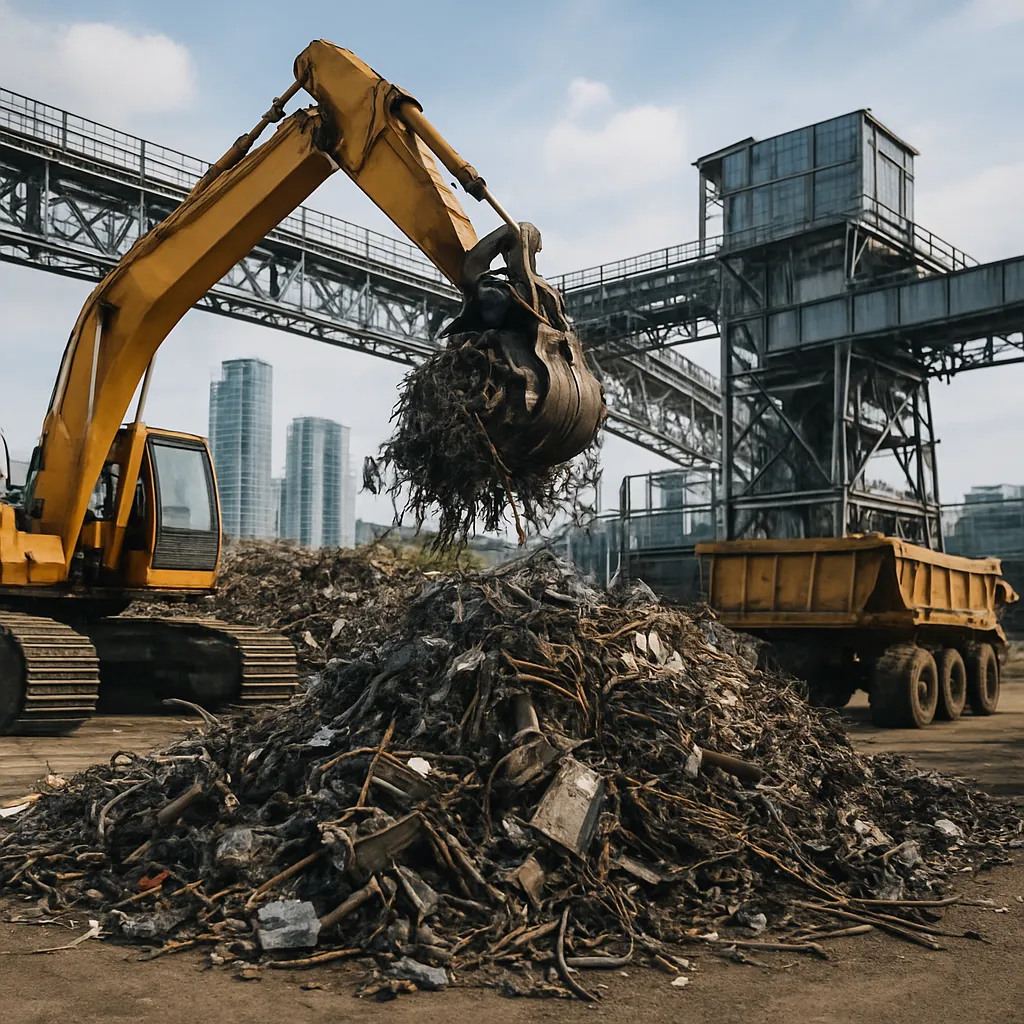
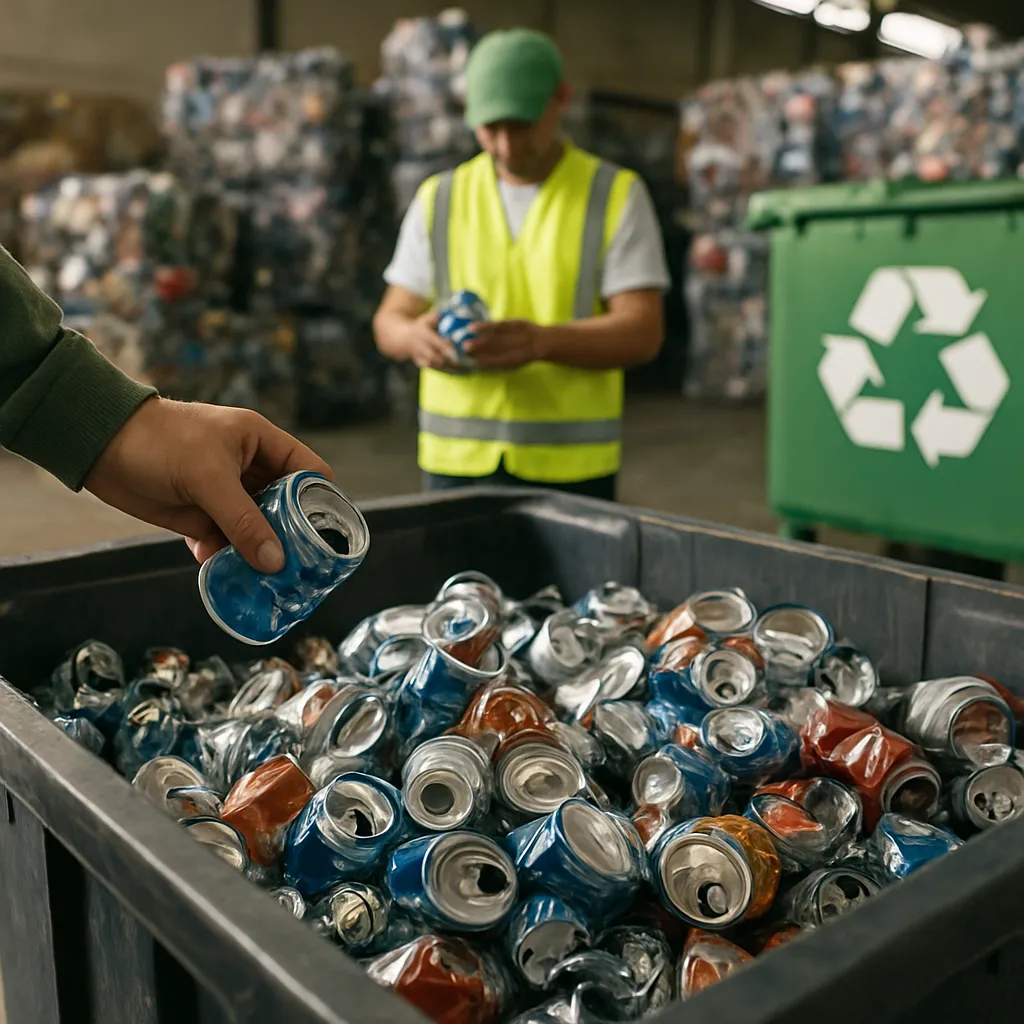
Pioneering companies are also embracing a circular economy approach, closing the loop by recovering metals from end-of-life products. Urban mining facilities process electronic waste, extracting precious and rare metals that would otherwise accumulate in landfills. Partnerships between technology manufacturers and recycling firms guarantee a steady feedstock, reducing reliance on virgin material extraction. This paradigm shift demands robust traceability systems and cross-industry collaboration to ensure recovered metals meet the stringent purity requirements of high-tech applications.
Stakeholder Engagement and Governance Practices
Effective project financing extends beyond mere capital allocation; it encompasses meaningful engagement with stakeholders—from indigenous communities to environmental NGOs and local governments. Implementing participatory decision-making processes fosters trust and helps identify potential conflicts early. Transparency tools such as publicly accessible impact dashboards and third-party audits bolster accountability. Moreover, embedding strong governance policies—covering anti-corruption, human rights, and biodiversity conservation—creates a resilient framework for navigating regulatory landscapes and maintaining social license to operate.
The convergence of financial innovation, technological progress, and ethical governance paves the way for sustainably financing rare metal development. By leveraging green finance instruments, prioritizing decarbonization, and cultivating genuine stakeholder partnerships, the industry can propel a low-carbon future powered by responsibly sourced critical materials.