The integration of digital twins into the exploration and processing of rare metals is transforming the mining industry. By creating virtual replicas of physical assets, companies can analyze complex systems, predict equipment failures, and optimize resources. This article explores how digital twin technology reshapes global rare metal extraction, enhances operational efficiency, and drives sustainable practices within modern mining operations.
Emergence of Digital Twin Technology in Rare Metal Mining
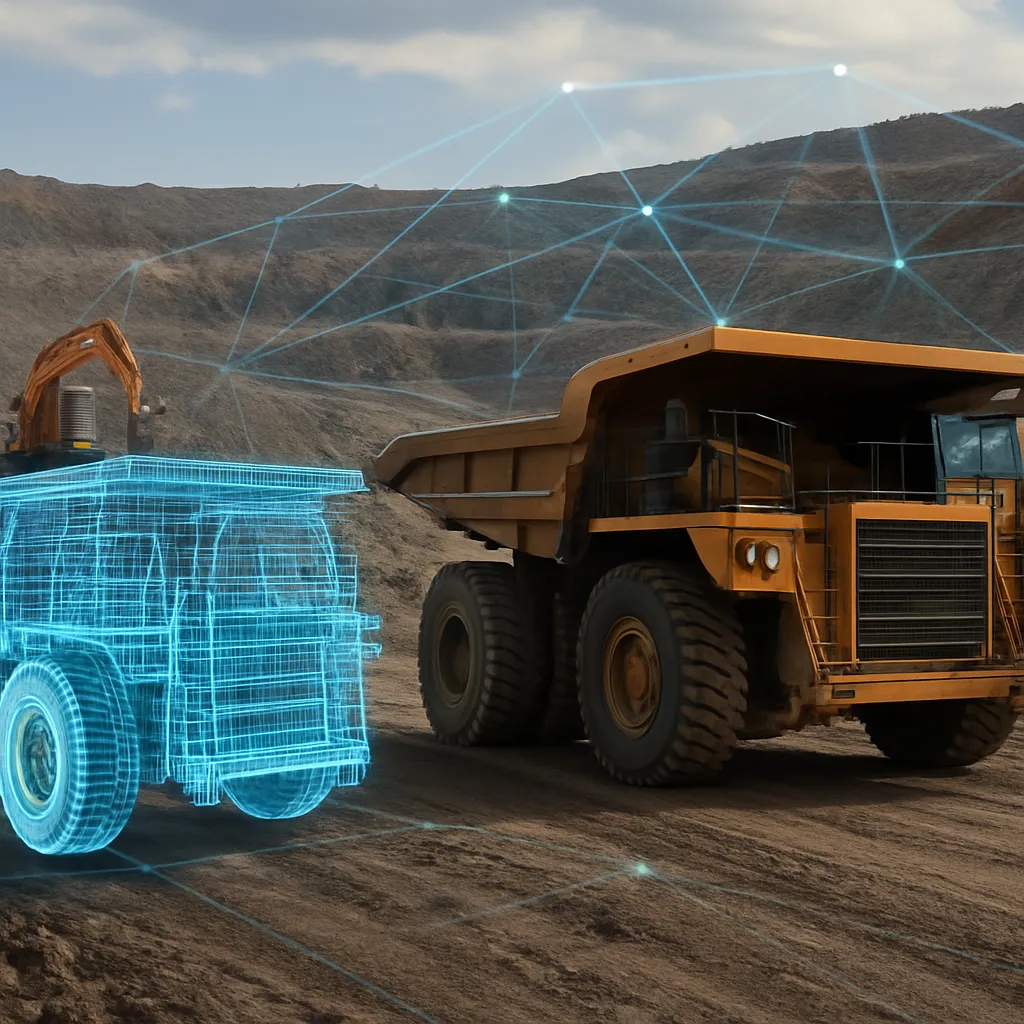
Digital twins have their roots in aerospace and manufacturing but have rapidly found application in mining. The transition from traditional methodologies to data-driven processes is fueled by high-resolution sensors, advanced analytics, and powerful simulation platforms. The deployment of these virtual models enables mining engineers to:
- Optimize design of open-pit and underground operations.
- Simulate geological conditions for improved geological modeling.
- Forecast equipment wear and schedule predictive maintenance.
- Minimize downtime and maximize throughput.
By replicating conveyor belts, crushers, and drilling rigs in a digital environment, mining firms can run scenarios that would be prohibitively expensive or risky in real life. The twin continuously ingests data from IoT devices, enabling near real-time monitoring and decision-support tools that react to evolving ground conditions.
Optimizing Extraction and Processing through Virtualization
In the context of rare metals—such as lithium, cobalt, niobium, and tantalum—extraction and processing steps are both intricate and costly. Digital twins reduce financial risk by offering a sandbox for experimentation:
- Assessing various drill patterns to maximize ore recovery.
- Modeling mill throughput to identify bottlenecks.
- Calibrating sensor networks to enhance material classification.
Virtual Mine Planning
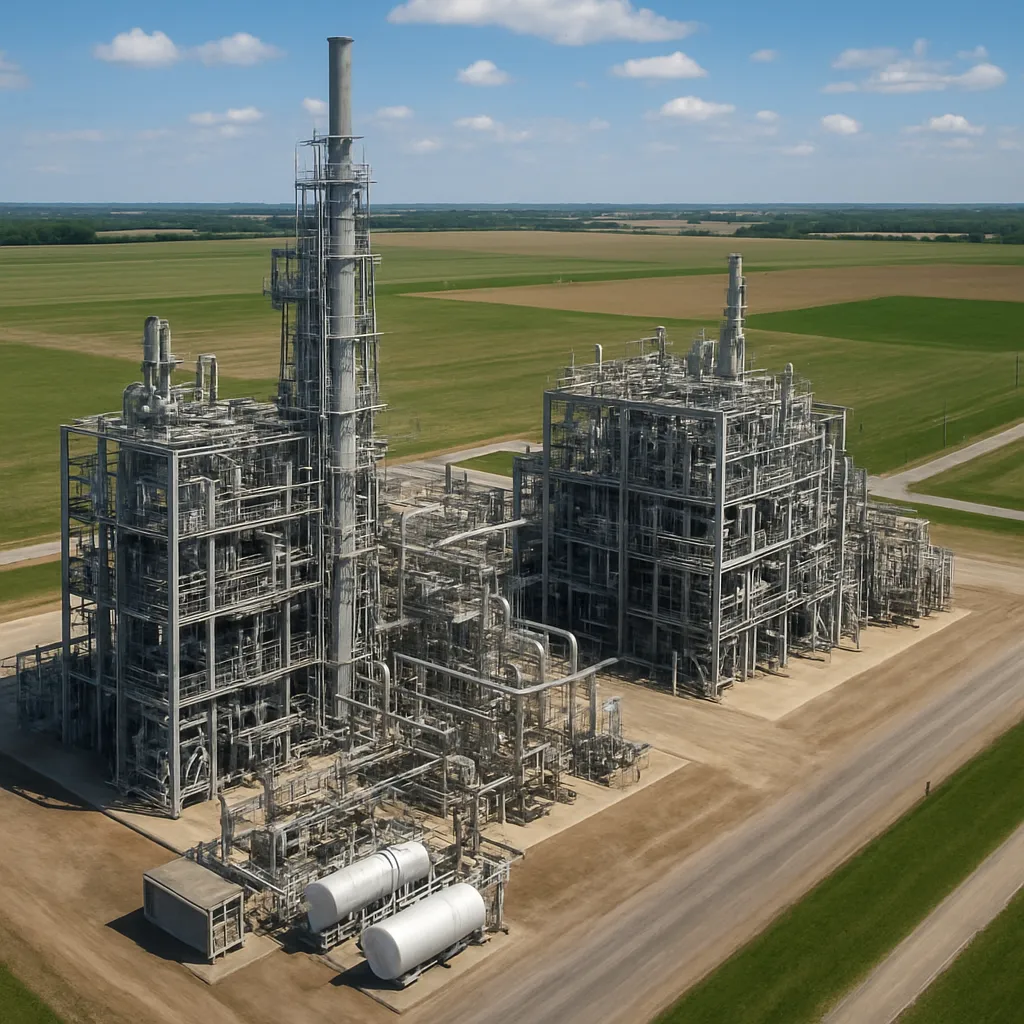
Virtual mine planning involves a comprehensive digital twin that combines geological data, mine design, and processing circuits. Engineers can adjust pit slopes, haul road gradients, and truck fleet schedules within the model, ensuring the configuration yields optimal extraction rates with minimal environmental impact. Such adjustments lead to reduced fuel consumption and lower cost reduction targets.
Process Circuit Simulation
On the processing side, a digital twin can simulate crushing, grinding, flotation, and leaching circuits. For rare metals, where small variations in ore composition drastically affect recovery rates, the twin’s analytics pinpoint optimum reagent dosages and residence times. This translates into higher metal yields and decreased tailings output, directly impacting the operation’s profitability.
Addressing Sustainability and Environmental Challenges
Mining of rare metals often attracts scrutiny around water usage, waste management, and land disturbance. Digital twins play a crucial role in mitigating these concerns by enabling:
- Water consumption tracking through virtual hydrological models.
- Predictive erosion control and slope stability assessments.
- Real-time monitoring of tailings storage facility integrity.
In particular, the management of tailings—residual slurries from ore processing—benefits from continuous simulation. Companies deploy a twin to explore scenarios involving extreme weather events, assessing the operational risk to local communities. By running stress tests virtually, firms can enhance dam designs and emergency response protocols, thereby reducing their environmental footprint.
Carbon Emissions and Energy Footprint
Digital twins offer deep insights into energy flows across mining operations. By integrating power consumption data from electric shovels, haul trucks, and processing plants, stakeholders identify opportunities to shift loads to off-peak hours or adopt renewable energy sources. These optimizations support attainment of ambitious decarbonization goals and strengthen corporate responsibility commitments.
Enhancing Supply Chain Transparency and Collaboration
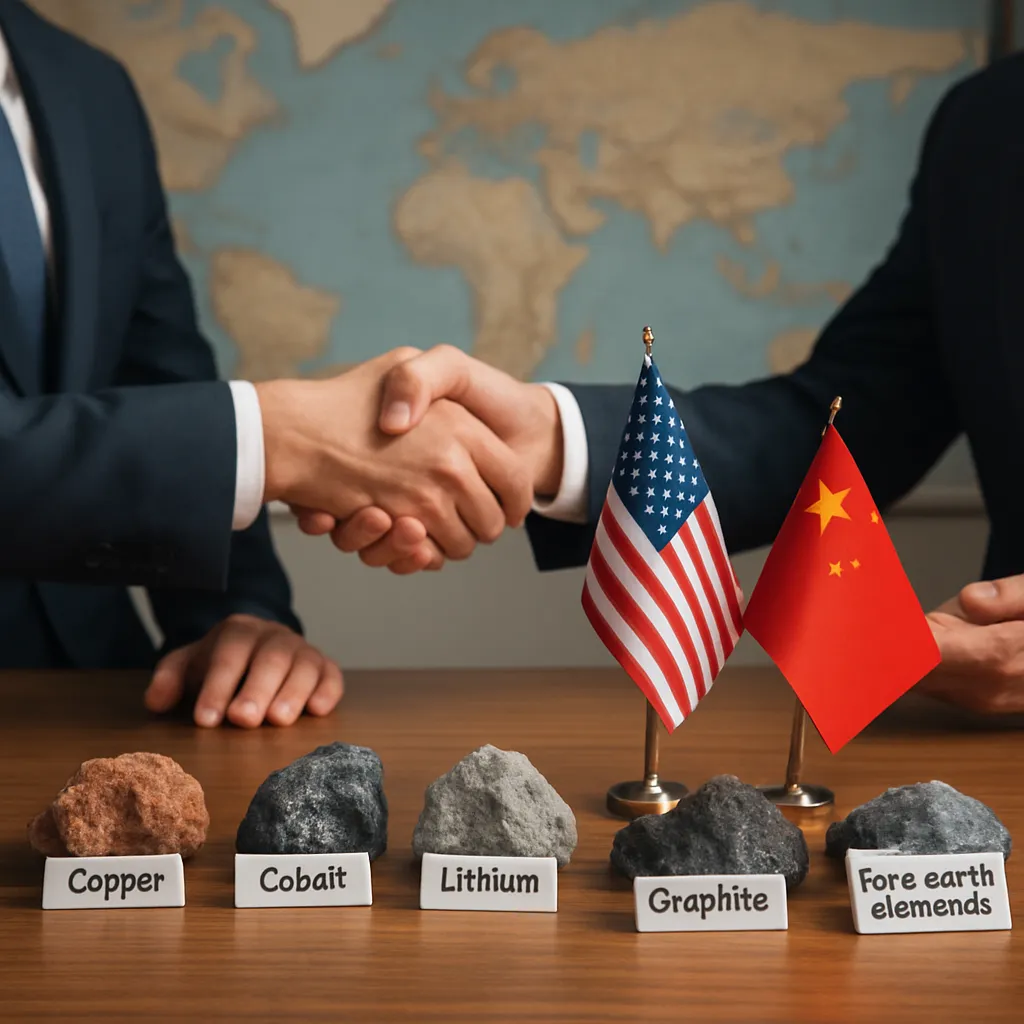
The rare metal value chain spans from orebody to end-user markets in electronics, electric vehicles, and battery technologies. Digital twins contribute to enhanced supply chain transparency by bridging data silos between mine sites, smelters, and logistics providers. Key benefits include:
- Tracking inventory levels of concentrate and refined metals.
- Simulating shipping routes to minimize transit delays.
- Forecasting market demand to align production schedules.
Proactive collaboration is enabled when stakeholders access the same digital twin platform. Mining companies, refiners, and commodity traders can view synchronized dashboards, reducing the risk of supply shortages and volatility in rare metal pricing.
Future Perspectives and Industry Adoption
As digital twin frameworks mature, their integration with emerging technologies like artificial intelligence and edge computing will deepen. Future advancements may include:
- Autonomous fleets guided by twin-driven algorithms.
- Augmented reality interfaces for frontline maintenance and inspections.
- Adaptive twins that self-optimize based on machine learning.
Early adopters in regions such as Australia, Canada, and Scandinavia have demonstrated significant gains in resource efficiency and reduced operational costs. However, challenges remain around data standardization, cybersecurity, and workforce upskilling. Addressing these barriers will be critical to unlocking the full potential of digital twins across the global rare metal sector.
Key Success Factors for Implementation
Implementing a robust digital twin strategy requires careful planning and cross-functional collaboration:
- Investing in scalable data infrastructure and cloud platforms.
- Establishing clear governance frameworks for data quality.
- Fostering partnerships with technology vendors and research institutions.
- Empowering employees through targeted training programs.
When executed effectively, digital twin adoption not only bolsters short-term productivity but also paves the way for resilient, sustainable mining operations capable of meeting the growing demand for rare metals in the global market.