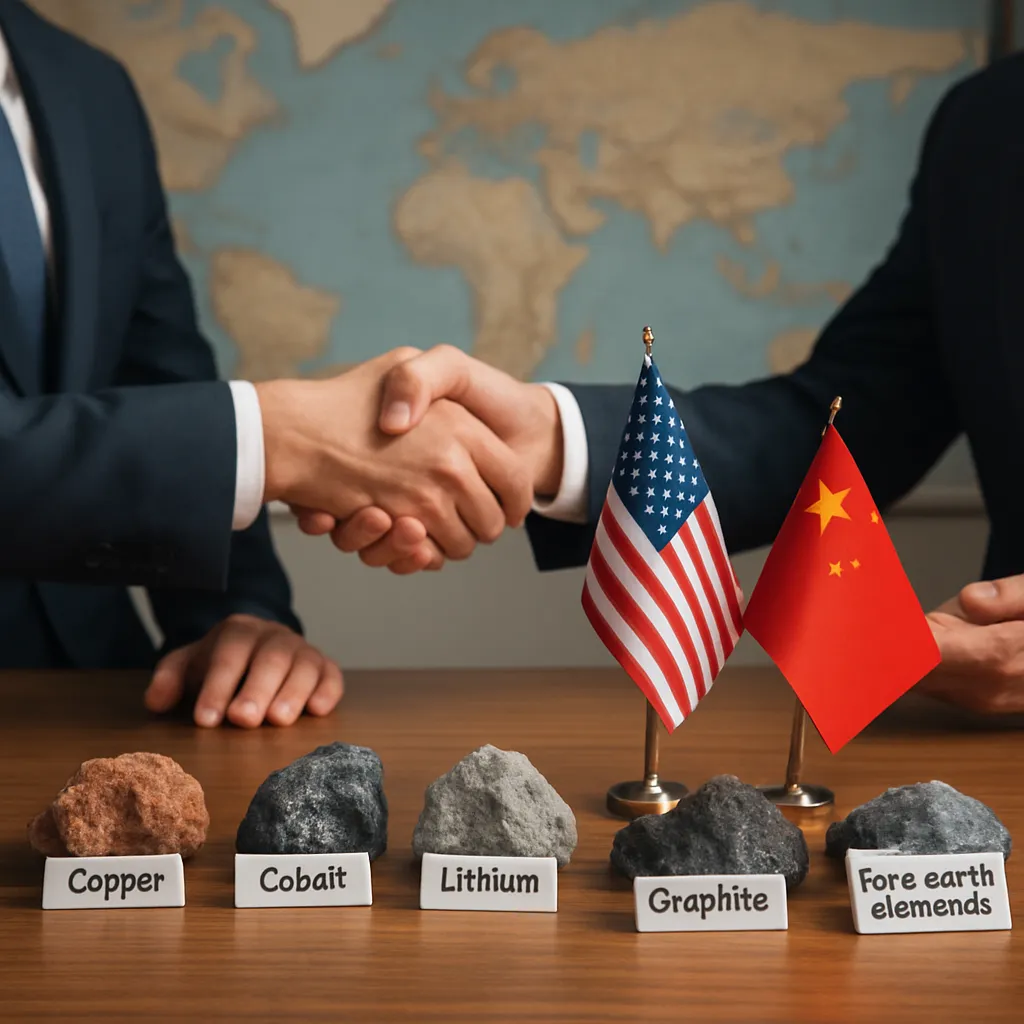
The strategic pursuit of unlocking the full potential of rare metals has become a defining feature of the global resource landscape. Companies, governments, and research institutions are forging strategic partnerships to navigate complex regulatory environments, share technical expertise, and mitigate geopolitical risks. These alliances not only drive innovation but also reinforce the integrity of critical supply chains for applications ranging from electric vehicles to advanced electronics.
Global Market Dynamics and the Rise of Alliances
The surge in demand for commodities such as cobalt, lithium, and scandium has shifted focus toward regions rich in critical elements. While resource-rich countries seek to maximize local benefits, downstream manufacturers aim for secure, diversified sources. Establishing joint ventures and offtake agreements helps balance competing interests, ensuring stable output and predictable pricing.
China’s dominant position in processing capacity has prompted Western firms to pursue partnerships in Africa, South America, and Southeast Asia. These strategic moves combine capital with specialized technologies—spanning mineral exploration, pilot processing plants, and refining systems—to reduce overreliance on any single nation. The result is a more distributed network of development sites, capable of responding nimbly to market fluctuations.
Collaborative R&D and Technology Transfer
As processing techniques evolve, collaboration between industry leaders and academic institutions becomes indispensable. Combined efforts accelerate breakthroughs in extraction efficiency, waste management, and recycling. Shared laboratories or co-funded research chairs encourage knowledge exchange, enabling partners to refine proprietary methods for ore sorting, hydrometallurgy, or solvent extraction.
Beyond shortening development cycles, these alliances cultivate a culture of open innovation. By pooling data from pilot programs and commercial trials, participants can address technical challenges—such as refractory ore treatment or low-grade recovery—more holistically. This cooperative stance fosters greater transparency, aligning long-term goals across stakeholders.
Case Studies in Technological Synergy
- Joint pilot plant for rare earth separation in Australia
- University-industry consortium developing low-carbon leaching methods
- Cross-border project on closed-loop sustainability solutions
Financing Models and Policy Frameworks
Securing adequate investment remains a pivotal challenge. The high capital intensity of upstream projects—often characterized by remote locations and extended permitting processes—necessitates innovative funding structures. Blended finance, where multilateral development banks partner with private equity, has emerged as a proven mechanism to de-risk early-stage ventures.
National governments also play a strategic role, offering export guarantees, tax incentives, or co-investment schemes to attract foreign expertise. In some jurisdictions, sovereign wealth funds directly participate in exploration consortia, aligning resource development with national objectives. Trade blocs and intergovernmental alliances further influence regulatory harmonization, allowing for shared environmental standards and streamlined customs procedures.
Risks tied to geopolitics—including sanctions, trade disputes, or shifts in diplomatic relations—underscore the importance of multi-jurisdictional engagement. By diversifying project locations and partnering with a broad range of actors, companies can safeguard operations against sudden policy reversals.
Public-Private Initiatives
- Regional mineral alliances to standardize permitting
- State-backed loan facilities for greenfield developments
- International task forces on ethical sourcing and human rights compliance
Building Resilient and Sustainable Extraction Networks
Developing a robust, end-to-end value chain for critical minerals demands a focus on both physical resilience and social license. Redundant processing hubs, diversified transport routes, and emergency response protocols strengthen the ability to withstand disruptions—from extreme weather to geopolitical tensions. Simultaneously, early stakeholder engagement lays the groundwork for community support, minimizing conflicts over land use or water resources.
Advanced monitoring systems—leveraging satellite imagery, real-time sensors, and blockchain-enabled traceability—enhance transparency at every stage. This integrated approach allows consumers and regulators to verify that metals originate from responsibly managed sites, fostering trust and meeting evolving ESG requirements.
Innovative pilot schemes exploring deep-sea nodules and urban mining further demonstrate how alliances can push the envelope of resource availability. These frontier initiatives require multidisciplinary teams, combining geological expertise with marine biology or waste management know-how to ensure minimal ecological disturbance.
Environmental and Community Engagement
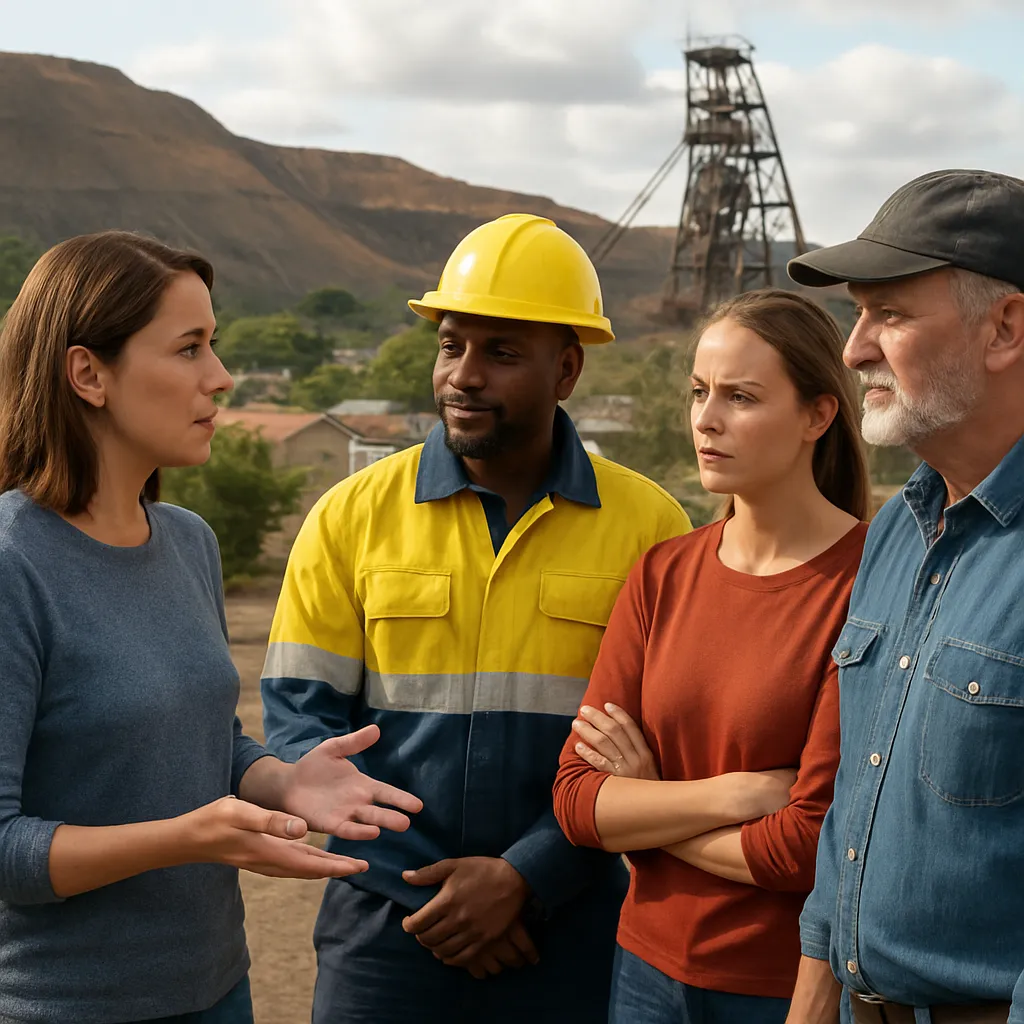
Long-term project viability hinges on respectful collaboration with local populations. Training programs for workforce development, profit-sharing models, and joint environmental monitoring boards help align corporate ambitions with community welfare. In doing so, partners not only boost social acceptance but also share the benefits of economic growth, laying a foundation for equitable resource governance.