The accelerating transition to a low-carbon economy has placed rare metals at the heart of global industrial strategy. From high-performance magnets to advanced batteries, these elements are the sine qua non of modern technology and energy solutions. Assessing their long-term price outlook requires a careful examination of demand drivers, supply constraints, and the evolving geopolitical landscape. This article explores the key forces shaping the future of rare metal commodity prices across four critical dimensions.
Global Demand and Strategic Importance
Over the past decade, the surge in electric vehicle (EV) production, renewable energy installations, and consumer electronics has driven unprecedented growth in rare metal consumption. Nations and corporations alike view these materials as strategic assets, integral to maintaining technological leadership. Three primary demand pillars are reshaping market dynamics:
- Electrification: Lithium, cobalt, and nickel are essential components of lithium-ion batteries, which power the majority of EVs and grid storage systems. As automakers target net-zero fleets by 2050, battery capacity must expand exponentially.
- Decarbonization: Rare earth elements such as neodymium and dysprosium are critical for wind turbine generators and powerful permanent magnets. The global push for wind and solar farms elevates their importance in clean energy portfolios.
- High-tech Manufacturing: The semiconductor industry relies on metals like gallium and germanium for advanced chips, lasers, and photonics. As 5G networks and next-generation computing proliferate, demand for these specialty metals will intensify.
Automotive Revolution
The automotive sector has undergone a paradigm shift from internal combustion engines to electric drivetrains. Battery chemistries are diversifying—lime-based, phosphate-based, and solid-state—each requiring unique rare metals. For instance, the shift toward cobalt-reduced cathodes may temper cobalt prices, but elevate demand for manganese or alternative elements.
Energy Infrastructure
Large-scale energy storage systems, grid stabilization projects, and offshore wind farms are anchoring new technologies that consume rare metals. Transmission line upgrades often incorporate high-performance permanent magnets, reinforcing long-term demand for heavy rare earths.
Supply Challenges and Market Dynamics
While demand is poised for sustained growth, supply-side factors threaten to introduce volatility. Many rare metals are geographically concentrated, creating potential chokepoints in the global supply chain. Understanding these constraints is essential to foresee price trajectories.
- Geopolitical Concentration: China dominates the production and processing of rare earth elements, controlling more than 60% of global output. Any trade restrictions or export quotas can trigger steep price spikes.
- Resource Scarcity: Certain metals, such as scandium and tantalum, are found in only a handful of mines worldwide. Low ore grades and environmental regulations increase extraction costs and limit new project development.
- Supply Chain Complexity: Many primary producers rely on a chain of refiners, fabricators, and specialty metal processors. Disruptions at any stage—from mining permits to shipping logistics—can ripple through the market.
Mining and Processing Bottlenecks
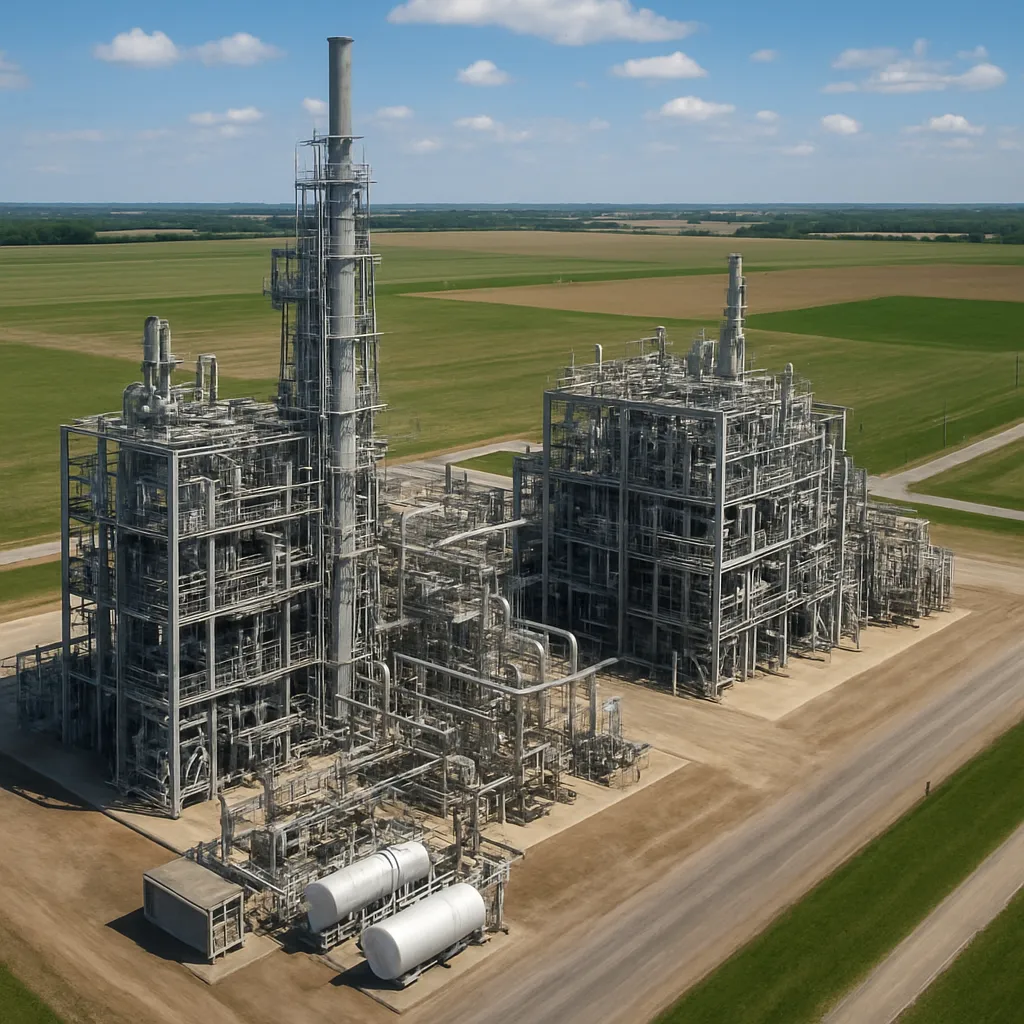
Establishing new mining operations is a multi-year endeavor, often hampered by permitting delays and community opposition. Meanwhile, refining capacities for metals like nickel and cobalt are heavily skewed toward a handful of regions, especially Southeast Asia. This imbalance creates chronic supply vulnerabilities.
Recycling and Secondary Supply
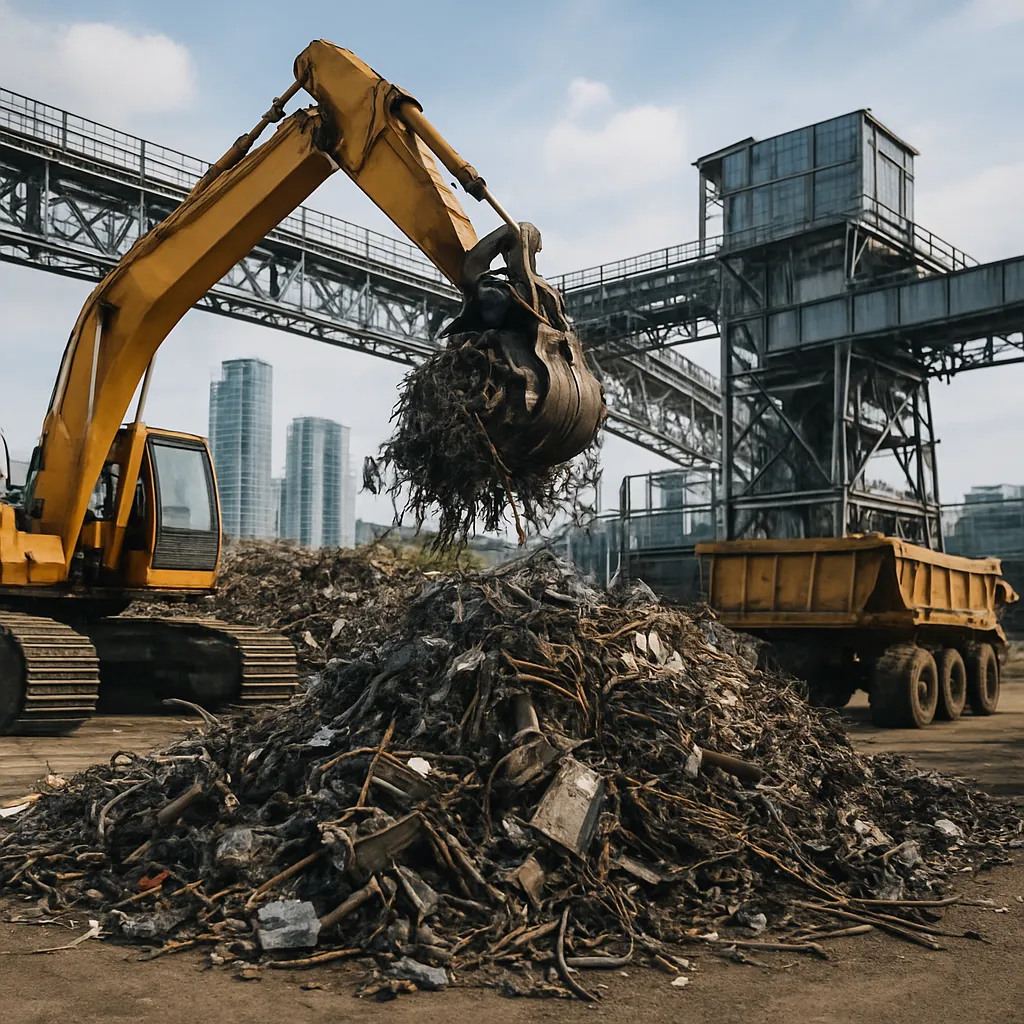
Recycling rates for rare metals remain low compared to traditional base metals. Although spent batteries and electronic waste offer promising secondary sources, high separation costs and technical hurdles limit recovery volumes. Innovations in solvent extraction and hydrometallurgical processes may improve yield, but broad implementation will take time.
Technological Innovation and Future Prospects
Innovation plays a dual role: it drives demand for certain rare metals while offering pathways to alleviate supply constraints. Advanced research initiatives and material science breakthroughs are reshaping the metal landscape.
- Alternative Materials: Researchers are developing rare-earth-free magnets and cobalt-free battery chemistries. Should these alternatives achieve commercial scale, they could temper demand for the most constrained elements.
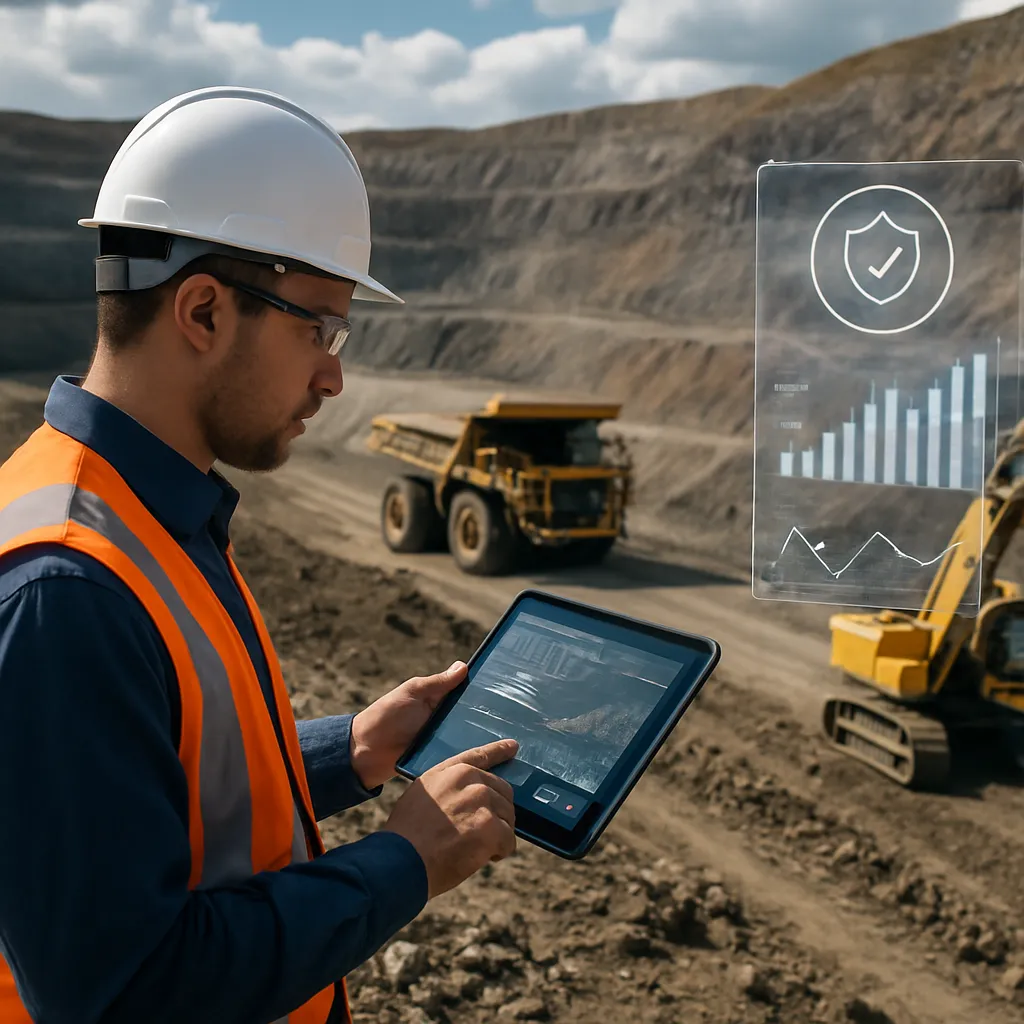
- Process Optimization: Digitalization of mining and processing—using AI, automation, and real-time analytics—enhances ore recovery rates and reduces waste. Efficient operations lower per-unit production costs, potentially stabilizing prices.
- Deep-Sea and Space Mining: Preliminary investments in seabed nodules and asteroid prospecting signal far-off but intriguing future supply channels. Technological hurdles and legal frameworks remain significant obstacles.
Material Substitution
Historical cycles in the steel and aluminum industries demonstrate how substitution can reshape demand. For example, research into organic and carbon-based energy storage may eventually reduce reliance on lithium-ion systems. Similarly, composite materials might replace rare-earth magnets in certain applications, creating demand shifts rather than outright reductions.
Digital Transformation
Automation and digital twins in mining operations promise to cut extraction costs and environmental impacts. Traceability platforms, powered by blockchain, are emerging to ensure ethical sourcing and mitigate regulatory risks, thus strengthening investor confidence in certain supply chains.
Environmental and Geopolitical Considerations
The extraction and processing of rare metals often carry significant environmental footprints. Simultaneously, geopolitical tensions can influence access to critical materials and shape long-term price expectations.
- Sustainability: Stricter environmental regulations and carbon pricing schemes are driving the adoption of greener mining methods. Projects that integrate water recycling, reduced tailings, and community engagement may command premium valuations.
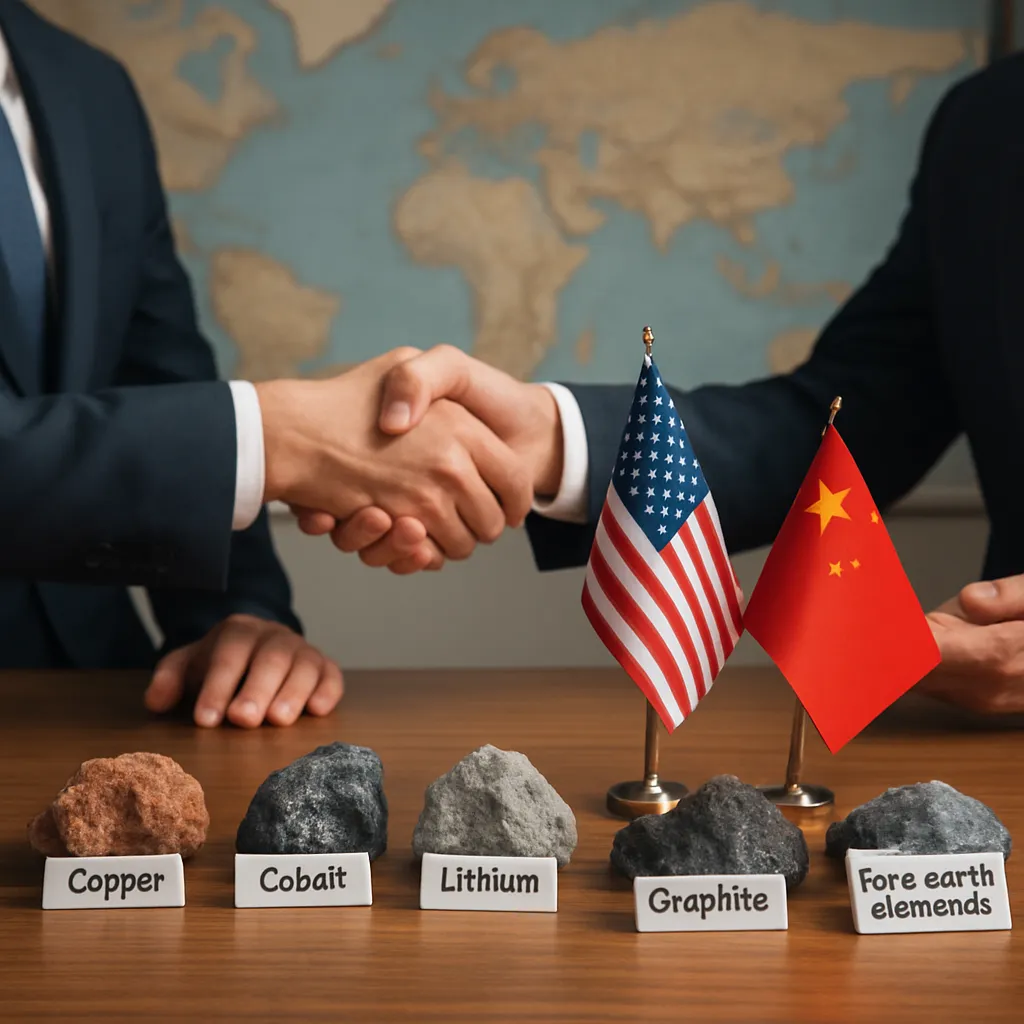
- Geopolitics: Trade disputes between major powers, such as the US, EU, and China, can lead to export restrictions, stockpiling, or strategic alliances to secure supply. These maneuvers introduce unpredictability into commodity markets.
- Social License to Operate: Local opposition, especially in biodiversity hotspots, can stall new mine developments indefinitely. Companies investing in transparent stakeholder partnerships are better positioned to navigate these risks.
Carbon Neutral Mining
Many mining firms have pledged net-zero targets by mid-century. Achieving these goals may require electrifying haulage fleets, deploying renewable energy on-site, and investing in carbon capture technologies—actions that raise production costs but enhance long-term sustainability and social acceptance.
Strategic Stockpiling
National governments have initiated strategic reserves for rare metals deemed essential for defense and energy security. Such stockpiling can temporarily dampen price spikes but may exacerbate scarcity in secondary markets, amplifying future volatility.