Magnesium has emerged as a prominent contender in the realm of lightweight manufacturing, attracting attention from industries striving to enhance performance while reducing weight. Its exceptional combination of specific strength, low density and unique metallurgical characteristics positions it at the forefront of modern material innovation. As global concerns about resource scarcity and environmental impact intensify, magnesium’s potential goes beyond simply trimming grams—it bridges the gap between high-performance applications and sustainable practices within the broader rare metals landscape.
Properties Driving Adoption
The inherent qualities of magnesium make it a compelling candidate for next-generation components. With a density nearly two-thirds that of aluminum, it affords remarkable weight savings. Simultaneously, its specific strength rivals many conventional metals, opening doors to novel structural designs and intricate geometries.
- Lightweight advantage: At approximately 1.8 g/cm³, magnesium is one of the lightest structural metals commercially available, enabling manufacturers to meet stringent weight targets without sacrificing performance.
- Alloys versatility: Alloying elements such as zinc, aluminum and rare earth metals can tailor mechanical properties, enhancing ductility, fatigue resistance and thermal stability.
- Corrosion considerations: While pure magnesium is prone to oxidation, modern coatings, surface treatments and alloy formulations significantly improve its corrosion resistance, making it suitable for demanding environments.
- Thermal conductivity: High thermal conductivity and favorable damping capacity render magnesium alloys ideal for electronic housings and heat sinks in consumer electronics and power electronics.
- Sustainability factor: Magnesium production can leverage renewable energy sources, and the metal’s recyclability yields substantial energy savings compared to primary extraction.
Applications in Automotive and Aerospace Sectors
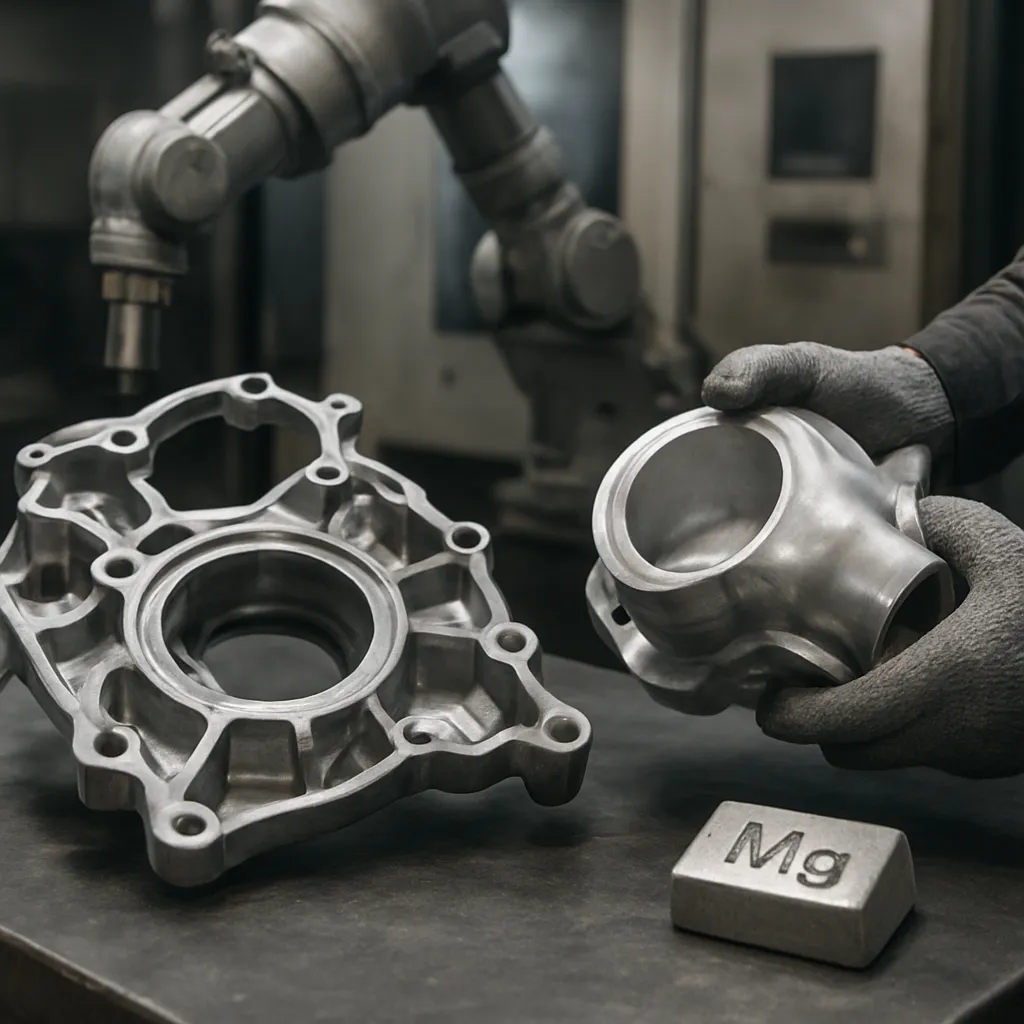
The drive for efficiency in the automotive industry has accelerated the incorporation of high-performance materials. Magnesium alloys feature prominently in powertrain components, chassis structures and interior trims. Leading manufacturers have successfully replaced steel and heavier aluminum parts with magnesium-based solutions to reduce overall vehicle weight by up to 15%, directly impacting fuel consumption and CO₂ emissions.
In the aerospace domain, weight reduction translates into extended range, increased payload capacity and reduced operating costs. Magnesium alloys are increasingly used for non-critical, yet high-value components such as avionics housings, brackets and interior panels. Their ability to be cast into complex shapes also shortens manufacturing cycles, enabling faster prototyping and lower tooling expenses.
Emerging Trends in Electric Vehicles
Electric vehicles (EVs) present both challenges and opportunities for magnesium. Battery pack enclosures, motor housings and structural frames all benefit from the metal’s lightweight profile. Innovations in casting and extrusion processes help integrate magnesium into battery management systems, contributing to extended driving range. Moreover, the improved recyclability of magnesium aligns with the circular economy objectives of the EV sector.
Global Supply and Rare Metals Context
Magnesium occupies a strategic position among the suite of global rare metals. While not as scarce as certain critical minerals, its production and supply chain exhibit geopolitically sensitive dynamics. Currently, China dominates primary magnesium output, accounting for over 85% of global capacity. This geographic concentration underscores the importance of diversifying sources and investing in alternative extraction technologies.
Regional Mining Hubs
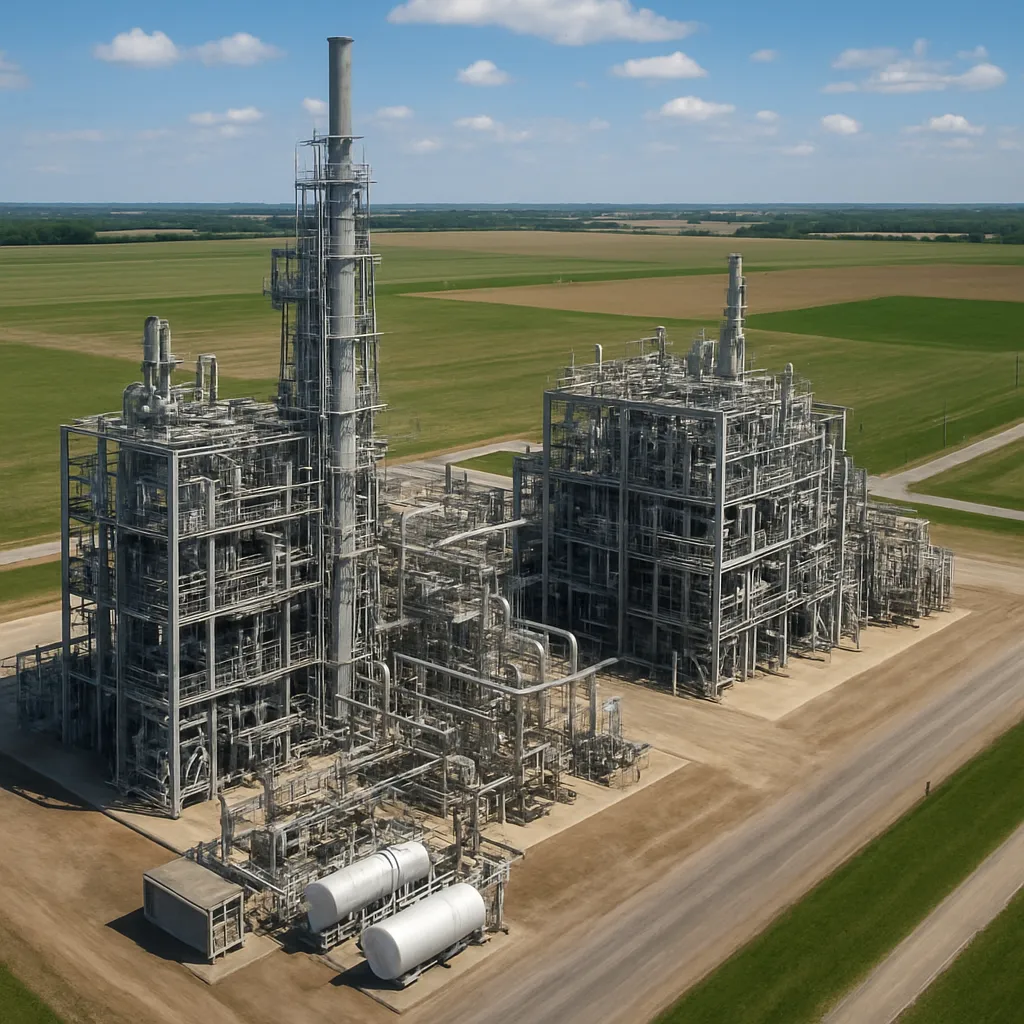
Europe and North America are exploring new magnesium extraction pathways to mitigate reliance on imports. Primary techniques include electrolytic processes powered by renewable energy, and secondary production from mining by-products or brines. Countries such as Canada and Norway are assessing the feasibility of large-scale projects, leveraging abundant dolomite and magnesite reserves. Meanwhile, research institutions in Australia are experimenting with low-carbon smelting processes.
Recycling Initiatives
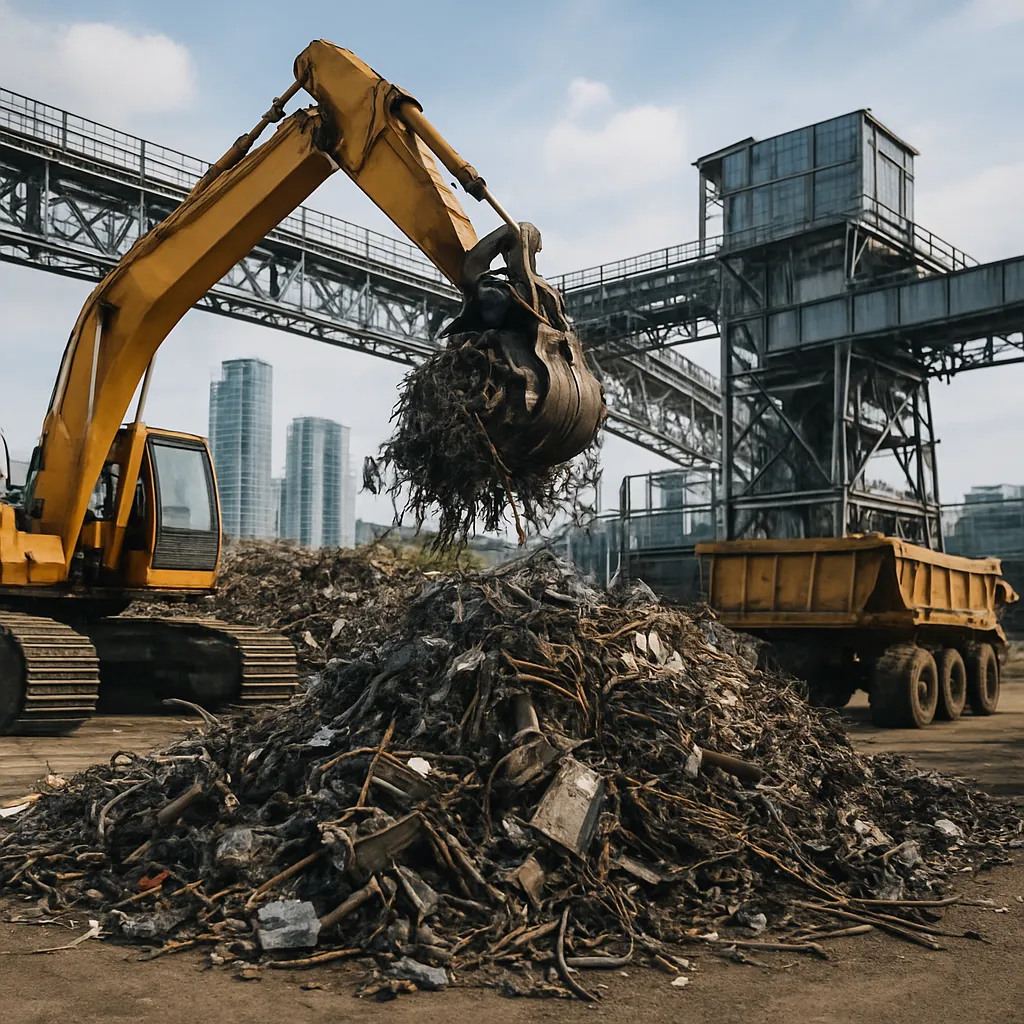
Recycling stands as a critical pillar for sustainable magnesium supply. Secondary magnesium can be recovered from end-of-life automotive scrap, electronic waste and machining swarf. The recyclability rate for magnesium alloys exceeds 90% under optimized conditions. Enhanced sorting technologies, such as eddy current separators and advanced sensor-based sorting, improve the purity of recovered scrap, reducing energy consumption in secondary smelting by up to 70% compared to primary production.
Technological Advances and Future Outlook
Innovations in casting and additive manufacturing are expanding the horizons of magnesium applications. Advanced die casting techniques have improved quality control, enabling thin-wall components with consistent microstructures and minimal porosity. Simultaneously, researchers are investigating 3D-printed magnesium alloys for custom medical implants and specialized aerospace parts. These breakthroughs rely on optimized feedstock powders and tailored laser parameters to maintain high strength and biocompatibility.
Emerging hybrid structures combining magnesium with carbon fiber or aluminum layers deliver multimaterial solutions that maximize performance. Such combinations capitalize on the thermal conductivity, vibration damping and electromagnetic shielding properties of magnesium, while leveraging the stiffness-to-weight ratio of composites. As manufacturing ecosystems evolve, integrated process chains will further streamline production, from powder metallurgy to near-net-shape casting.
Challenges and Strategic Considerations
Despite its promise, magnesium integration faces obstacles. Cost pressures remain a concern, as magnesium alloys often carry premium pricing relative to aluminum. Addressing this gap requires scaling up production, optimizing alloy formulations and improving processing yields. Moreover, stringent safety practices are essential during casting and machining, given magnesium’s flammability in fine powder or chip form.
Environmental regulations also shape the sector’s trajectory. Producers must manage emissions of chlorine and fluorides from carbothermic smelting, as well as ensure water stewardship in brine-based extraction methods. Embracing green technologies, such as molten salt electrolysis powered by solar or wind energy, will be crucial for meeting future sustainability standards.
Conclusion
The ascent of magnesium in manufacturing underscores a broader shift toward resource efficiency and lightweight design. Its distinctive metallurgy, coupled with robust recycling pathways and evolving supply strategies, cements its role within the rare metals portfolio. As industries from automotive to aerospace race toward electrification and carbon neutrality, magnesium’s blend of recyclability, performance and versatility will continue to redefine material boundaries on a global scale.