The global demand for rare metals is skyrocketing as industries from electronics to renewable energy compete for limited resources. Circular design offers a groundbreaking approach to minimize reliance on virgin materials and foster long-term sustainability. By rethinking product lifecycles and integrating advanced recovery methods, stakeholders can address environmental concerns while securing critical supply chains.
Global Rare Metals Landscape
Rare metals such as lithium, cobalt, neodymium, and palladium are essential for modern technologies. Electric vehicles rely on lithium-ion batteries; wind turbines depend on neodymium magnets; and electronics manufacturing utilizes palladium in circuit boards. However, extraction of these elements often leads to ecological degradation, social disruption, and high energy consumption.
- Geopolitical risks: Concentrated deposits in a few regions can trigger supply bottlenecks.
- Environmental impact: Mining operations generate tailings, water contamination, and deforestation.
- Energy intensity: Smelting and refining processes require enormous amounts of power.
- Social concerns: Local communities may face displacement or health hazards.
Given these factors, industries and governments must explore alternative methods to secure a stable supply of these critical resources.
Challenges in Virgin Material Dependency
Relying on virgin materials presents a series of interconnected challenges that hamper both economic growth and environmental health.
Resource Depletion
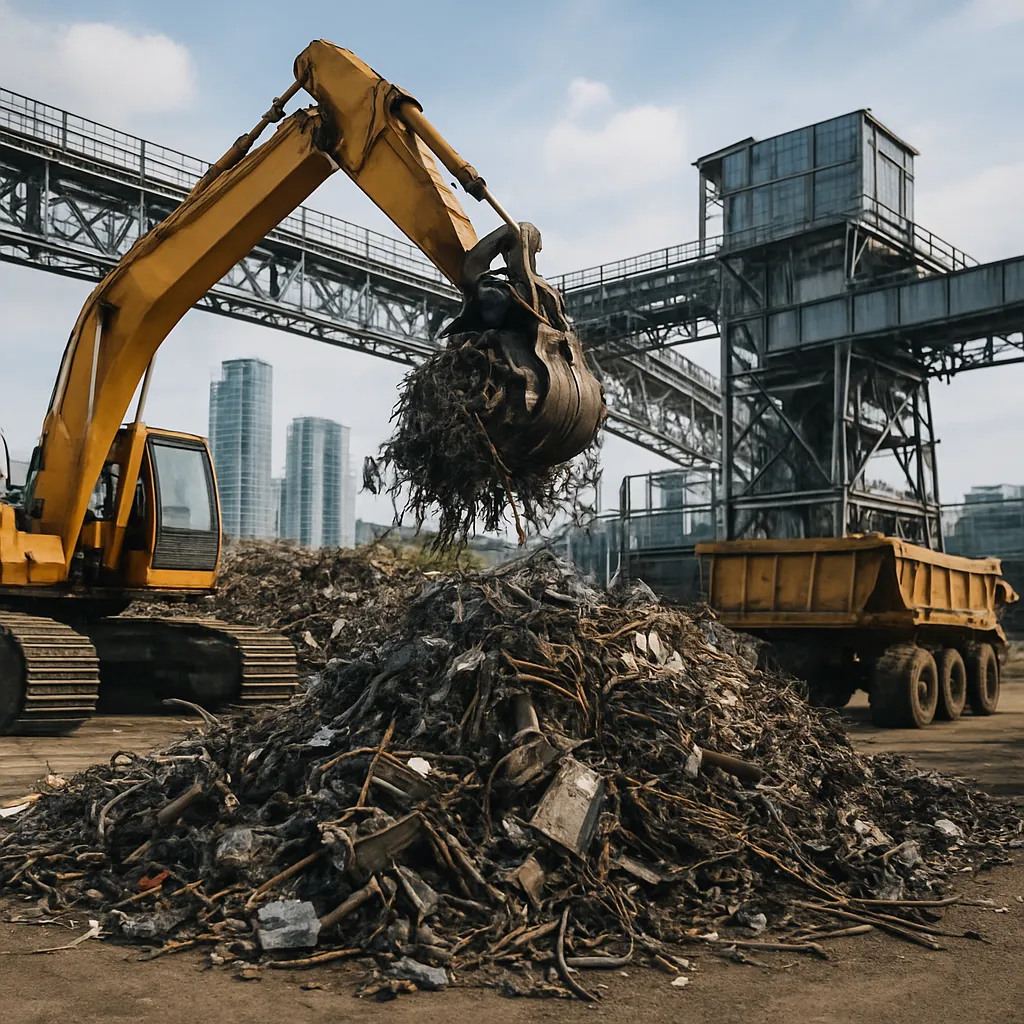
Finite deposits of rare metals risk exhaustion within decades if consumption trends continue unaltered. As high-grade ores become scarce, companies must resort to lower-grade sources, increasing waste and energy consumption during ore processing.
Carbon Footprint
Extracting and refining virgin metals accounts for a significant portion of global greenhouse gas emissions. Transporting ores over long distances further compounds the carbon footprint, undermining global decarbonization goals.
Supply Chain Vulnerability
Single-source dependencies create fragile supply chains susceptible to political turmoil, trade restrictions, and price volatility. Manufacturers struggle to guarantee stable inputs for high-tech and green-energy products.
Circular Design Strategies
Circular design transcends traditional recycling by embedding resource efficiency and product longevity into every stage of the lifecycle. Key strategies include:
- Design for Durability: Engineering products to last longer reduces material turnover rates. Modular designs allow individual components to be repaired or upgraded rather than discarded.
- Design for Disassembly: Clear demarcation of parts and use of reversible fasteners enable easy separation of valuable rare-metal–containing modules.
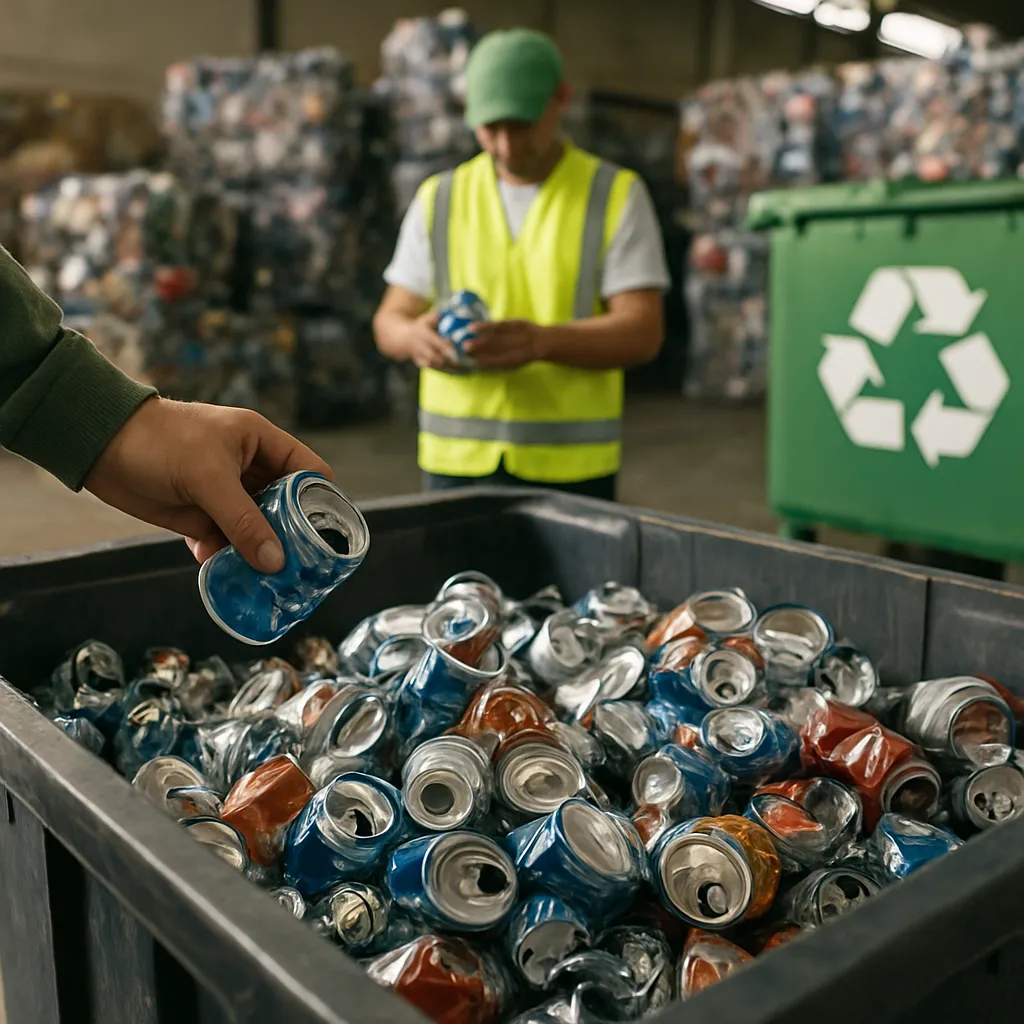
- Design for Recycling: Selecting materials that can be reclaimed through mechanical or chemical processes optimizes recovery yields for metals like cobalt and nickel.
- Product-as-a-Service Models: Manufacturers retain ownership of equipment (e.g., data-center servers, electric-car batteries) and are incentivized to maximize resource recovery at end of life.
By integrating these principles, companies can shift from a linear “take-make-dispose” paradigm to a closed-loop system where materials circulate indefinitely.
Technological Innovations in Material Recovery
Recent advances in recycling technology and process engineering are crucial to enhancing circular workflows.
Hydrometallurgical Processes
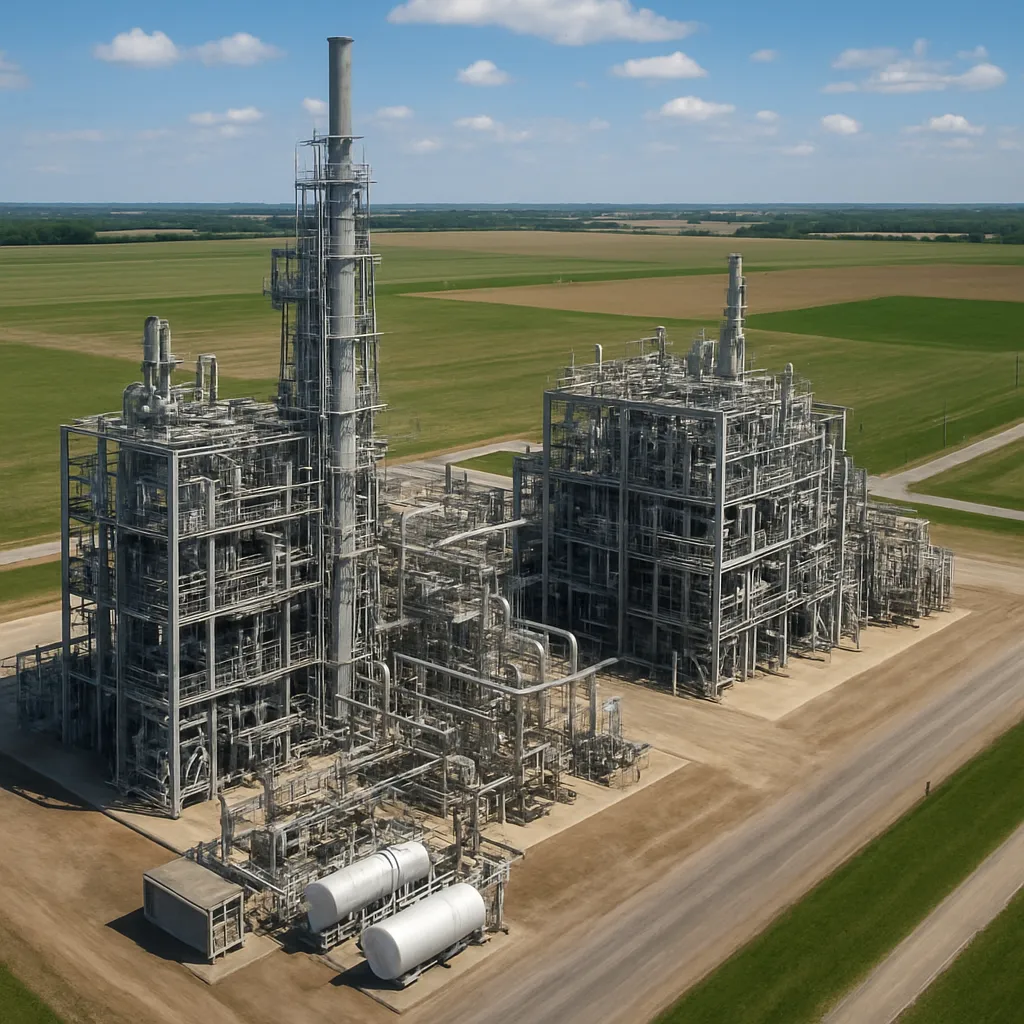
Leaching rare metals using aqueous solutions reduces the energy footprint compared to pyrometallurgical smelting. Modified solvents and tailored precipitation agents yield high-purity cobalt, nickel, and lithium from spent batteries and electronic waste.
Biometallurgy
Microbial leaching uses bacteria and fungi to selectively extract metals from complex matrices. This low-temperature, low-toxic approach offers a safer alternative to harsh chemicals.
Advanced Sorting and AI
Machine-vision systems combined with artificial-intelligence–driven robots can identify and separate tiny electronic components containing precious metals. These high-precision sorting lines improve recovery rates and reduce contamination.
Policy and Industry Collaboration
Government regulations and cross-sector partnerships play pivotal roles in catalyzing circular initiatives.
- Extended Producer Responsibility (EPR): Mandating manufacturers to manage end-of-life products incentivizes the design of easily recyclable goods.
- Recycling Targets: Setting legally binding collection and recovery percentages for critical metals drives investment in processing infrastructure.
- Research Consortia: Collaborative R&D programs bring together academia, industry, and public agencies to develop breakthrough recovery techniques.
- Green Public Procurement: Governments can prioritize circular products when purchasing electronic equipment and vehicles, creating market pull for sustainable solutions.
Implementation Case Studies
Several pioneering companies and municipalities are already demonstrating the benefits of circular design in real-world settings.
Electric Vehicle Battery Loop
A leading automaker has partnered with a battery recycler to establish a closed-loop supply chain. Spent lithium-ion packs are collected, shredded, and processed—recovering over 90% of cobalt and nickel. Refined materials feed back into new battery cells, slashing dependence on freshly mined ores.
Urban Mining in Electronics
An electronics firm in Asia operates a zero-landfill recycling facility where discarded smartphones and laptops are disassembled. Precious metals are recovered through a combination of mechanical shredding and hydrometallurgical leaching, achieving a high rate of resource reclamation.
Wind Turbine Blade Recovery
Wind-farm operators have initiated pilot projects to recycle rare-earth magnets from decommissioned turbine blades. Advanced separation techniques allow extraction of neodymium and dysprosium, which are then repurposed in new magnet assemblies.
Future Outlook
The transition to a fully circular economy for rare metals hinges on continuous innovation, regulatory support, and stakeholder engagement. As recovery technologies mature and design standards evolve, industries will be better equipped to meet escalating metal demands without further burdening the planet’s finite resources.