The ongoing transition to a low-carbon economy is driving unprecedented growth in demand for copper. As nations worldwide race to decarbonize their power systems and accelerate electrification, copper’s unique properties make it an indispensable component of modern renewable energy infrastructure. This article explores the multifaceted role of copper within the broader context of global rare metals and related material challenges, spanning supply dynamics, technological innovation, recycling pathways, and future market outlooks.
Expanding Demands for Copper in the Shift to Renewable Sources
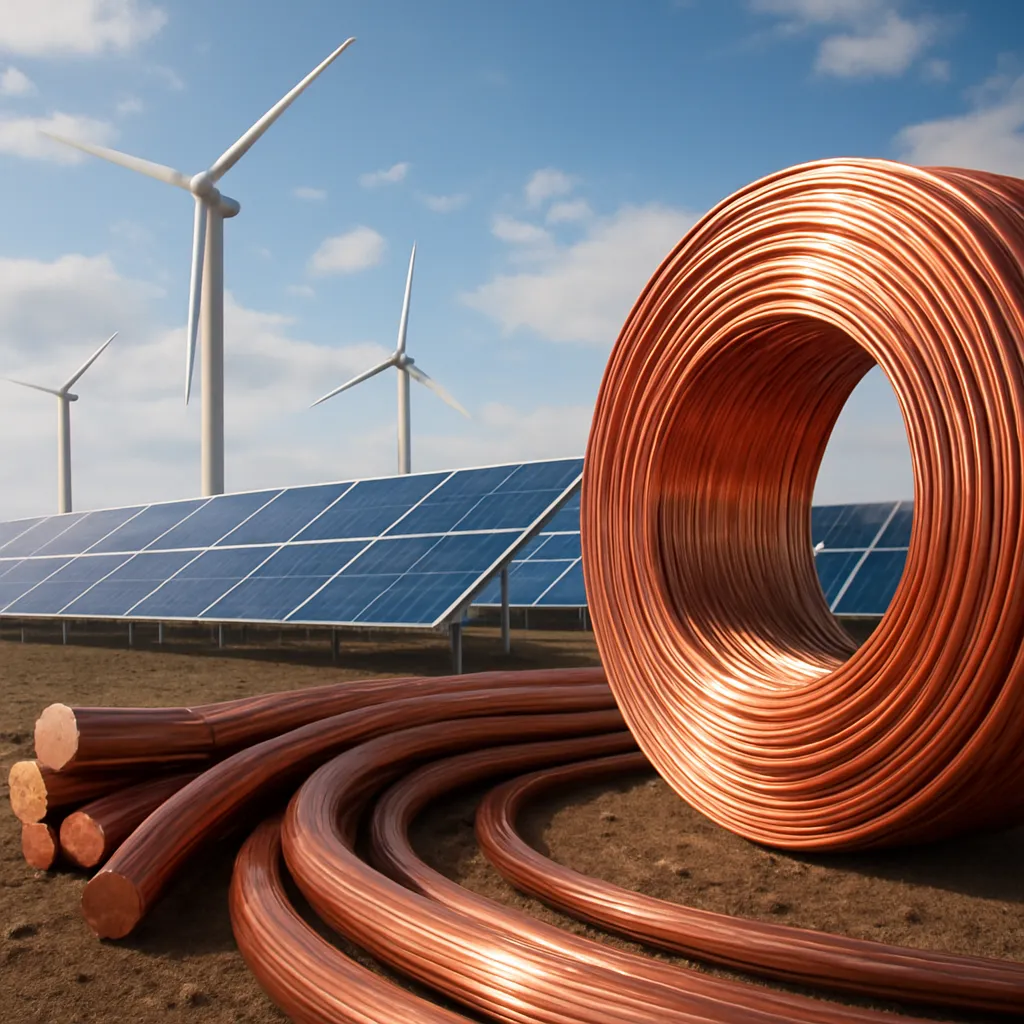
Efforts to replace fossil-fuel generation with solar, wind, and hydroelectric plants are intensifying. Each element of a renewable energy system—from solar panels on rooftops to offshore wind farms—relies on copper’s high electrical conductivity, corrosion resistance, and thermal stability. Analysts project that by 2030, global copper demand for renewable power applications will soar by over 50%, driven by three primary factors:
- Grid Modernization: Upgrading transmission lines and substations to handle distributed generation requires substantial volumes of copper conductors and bus bars.
- Distributed Generation: Residential and community-level solar installations depend on copper wiring, junction boxes, and inverters with copper windings.
- Energy Storage: Battery systems for grid balancing and peak shaving incorporate copper-based electrical interconnects, busbars, and battery connectors.
In extra-high-voltage projects, such as cross-border interconnectors and regional supergrids, copper cables are often preferred for their superior electrical efficiency over long distances. This trend is echoed in electric vehicle charging networks, where rapid-charging stations integrate thick copper busworks to minimize energy losses and heat buildup.
Supply Challenges and Geopolitical Considerations
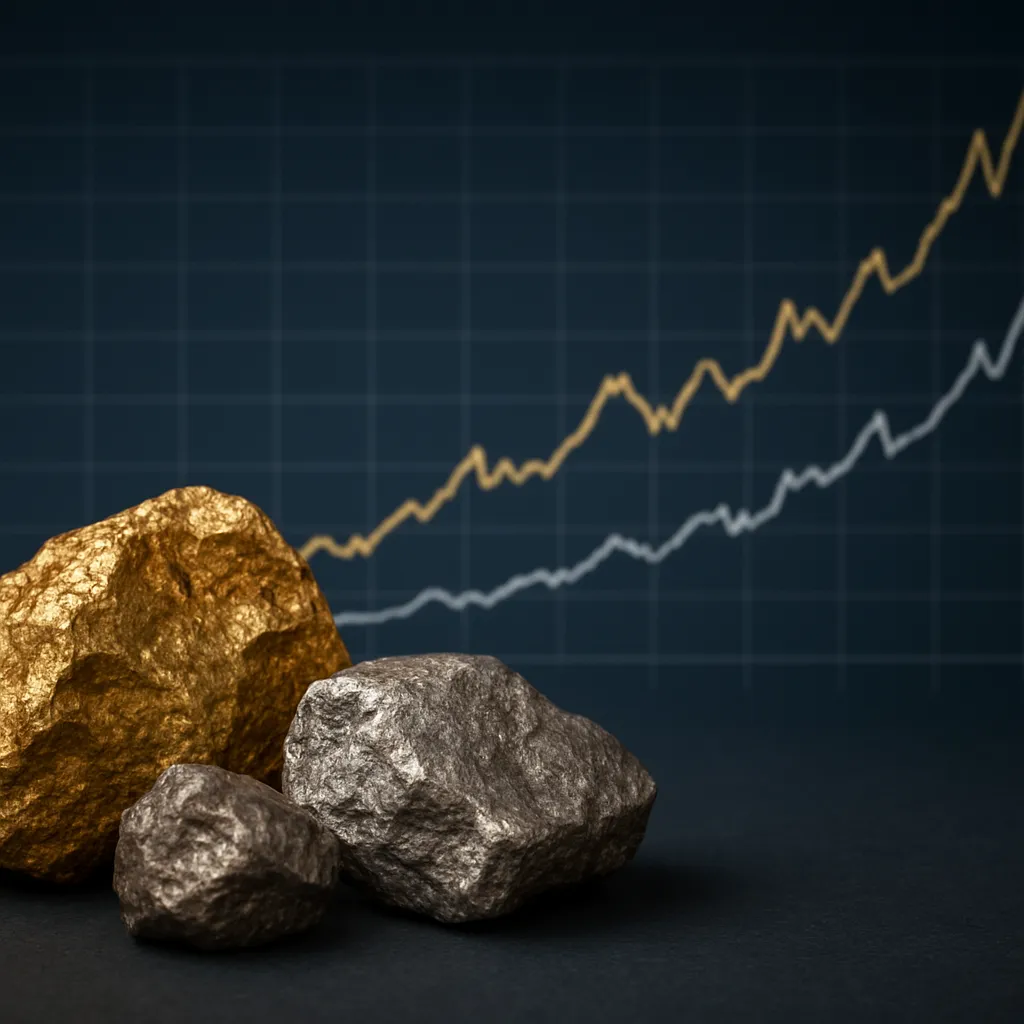
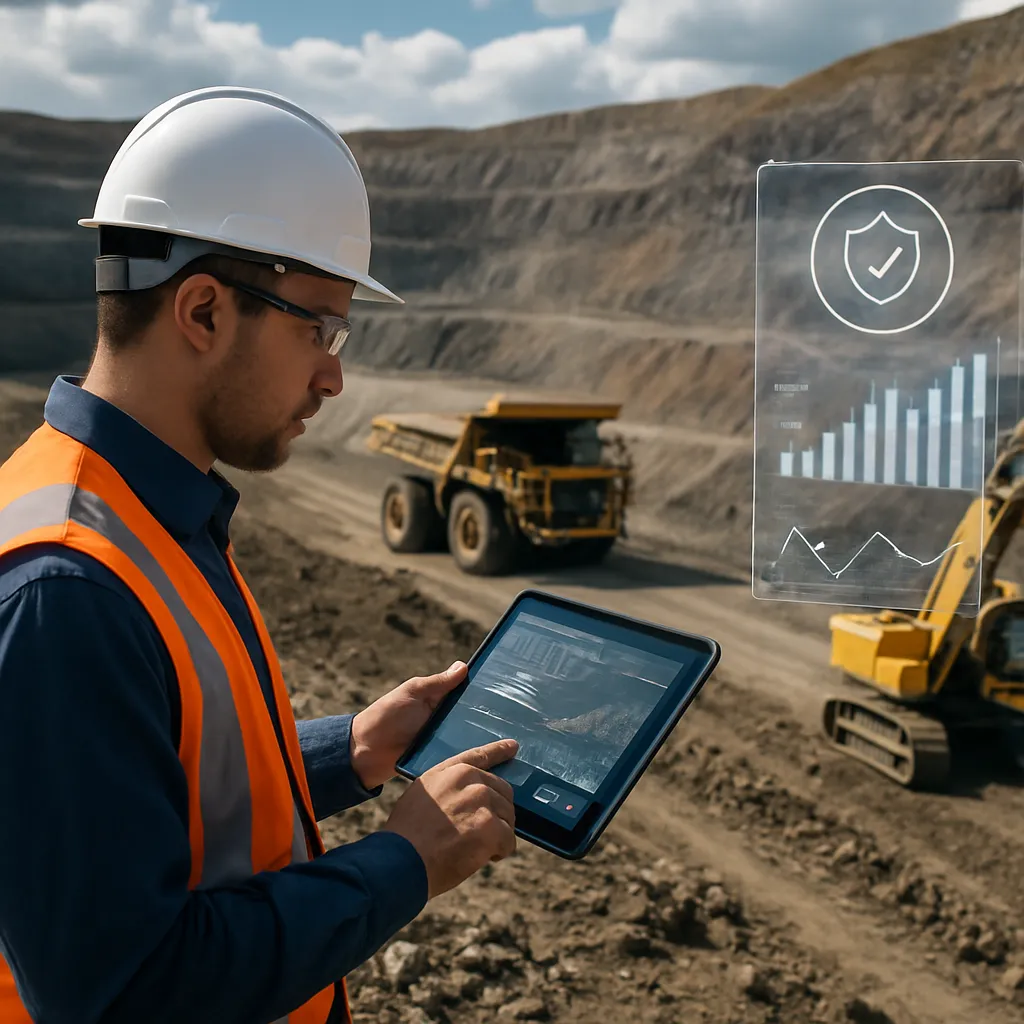
Despite its abundance in Earth’s crust, copper mining and processing face several hurdles. Many top-producing regions are located in geopolitically sensitive areas, contributing to price volatility and supply risks. Chile and Peru alone account for nearly 40% of global mine output, but issues such as labor disputes, water scarcity, and stricter environmental regulations can disrupt production cycles.
Resource Concentration and Trade Dependencies
Heavy reliance on a few suppliers creates vulnerability along the entire value chain. Downstream manufacturers of cables, transformers, and electric motors may experience cost spikes if any major mine halts output. Additionally, refining capacity is unevenly distributed, with Asia-Pacific refineries handling a significant share of concentrate processing. This geographic mismatch between mining and refining sites necessitates long-haul shipments of copper concentrate, often raising carbon footprints and transit risks.
Strategic Stockpiles and Recycling Incentives
Governments and industrial stakeholders are exploring solutions to mitigate supply constraints:
- Establishing strategic copper reserves to buffer market shocks
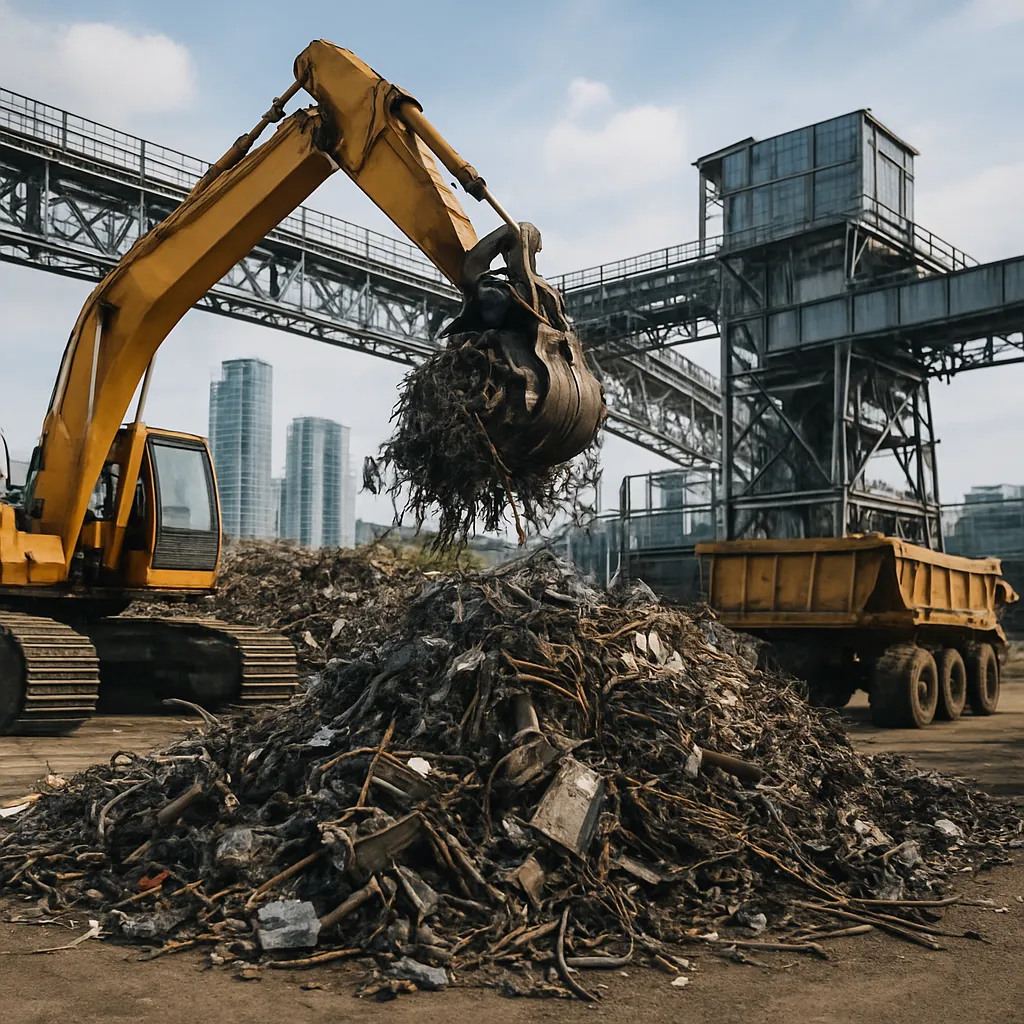
- Incentivizing urban mining—the recovery of copper from end-of-life electronics and building demolitions
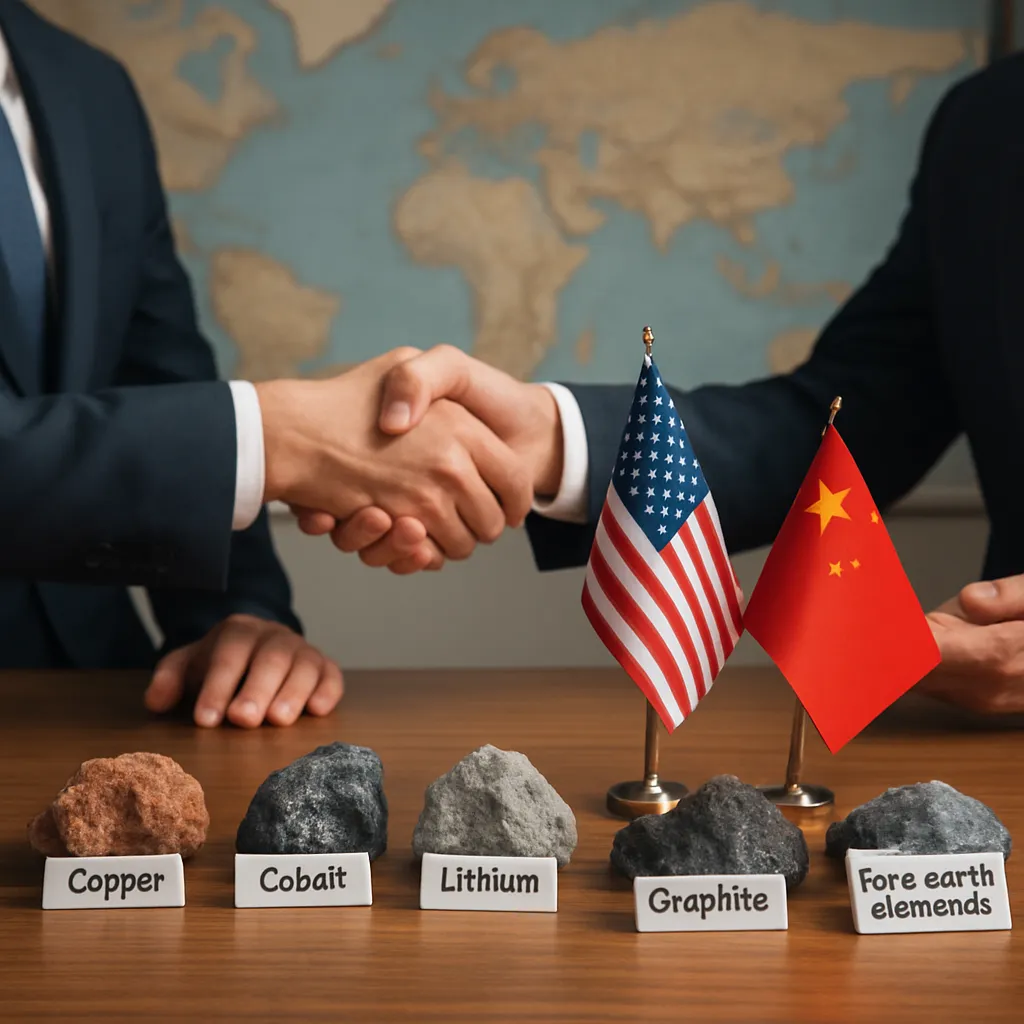
- Forming bilateral resource partnerships with emerging mining nations in Africa and Central Asia
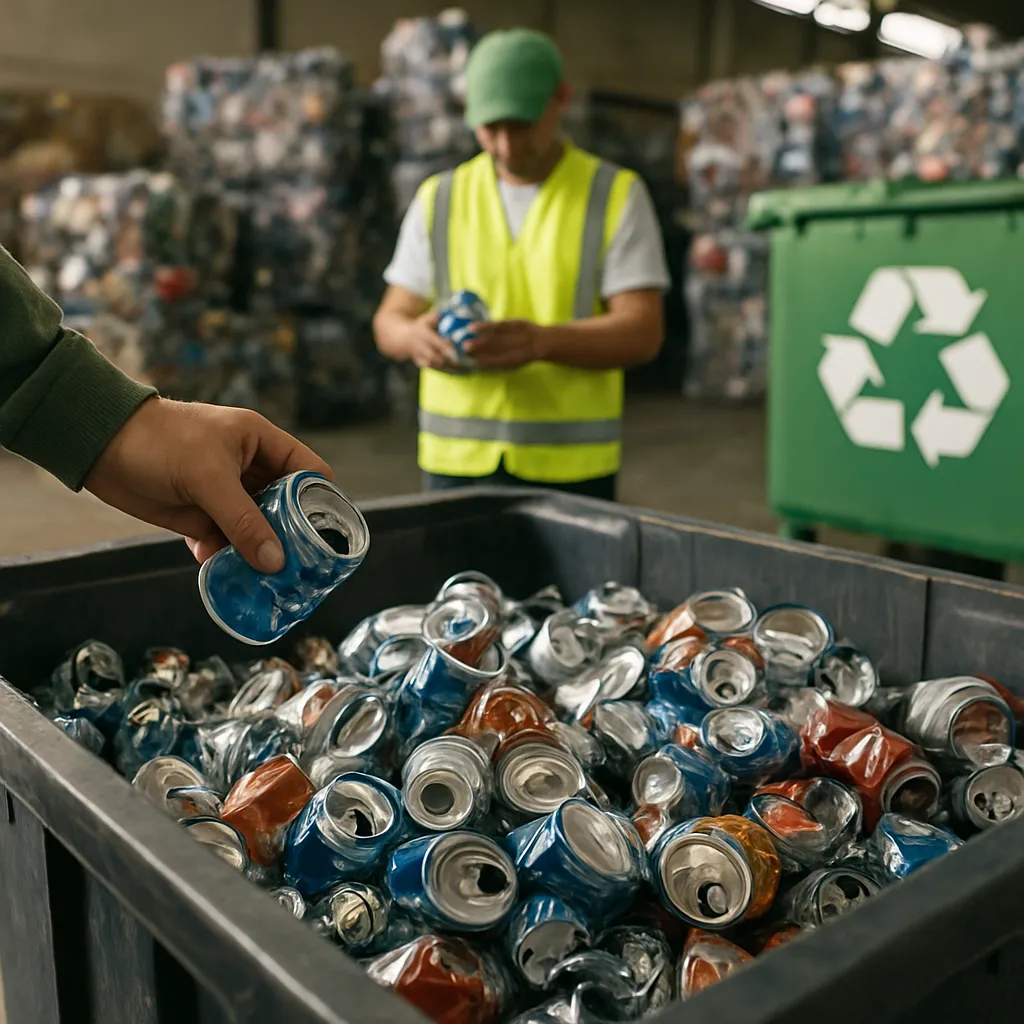
Moreover, circular economy initiatives are gaining traction. By boosting recycling rates—currently hovering around 30% for copper—authorities aim to reduce dependency on virgin mine output. However, effective collection schemes, advanced separation technologies, and stable scrap markets are essential to unlock large-scale recycling potential.
Technological Innovations and Recycling Pathways
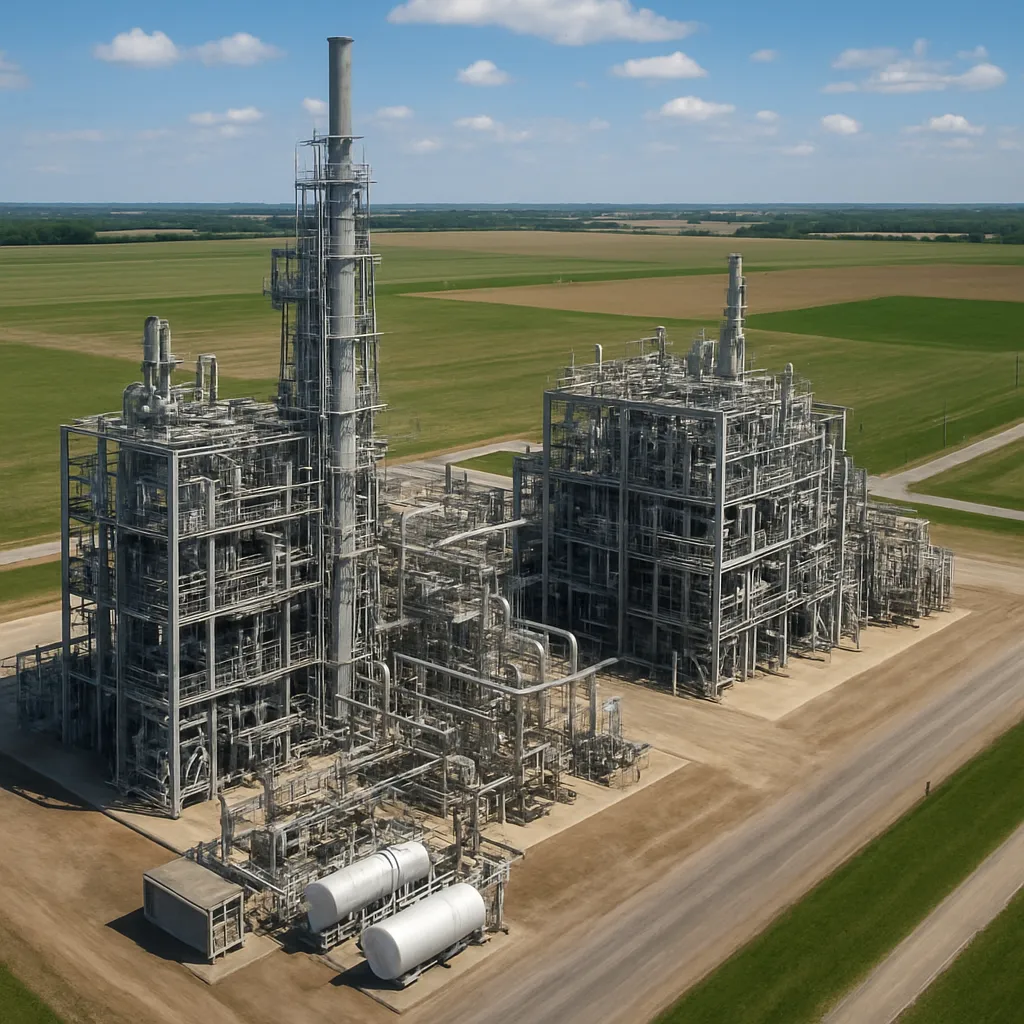
Advancements in both mining and metallurgical processes promise to improve copper yield, reduce environmental footprints, and tailor supply to the needs of renewable energy infrastructure. Breakthroughs span deep-sea mining exploration, in-situ leaching, solvent extraction-electrowinning (SX-EW), and hydrometallurgical refining.
Next-Generation Extraction Techniques
- Deep-sea Nodules: Research into harvesting polymetallic nodules from ocean floors could provide new streams of copper and companion rare metals like cobalt and nickel.
- In-Situ Leaching: Minimizing surface disturbance by injecting leaching solutions directly into low-grade ore bodies, then extracting copper-rich solutions for on-site recovery.
- Biomining: Employing metal-tolerant microorganisms to oxidize sulfide minerals and mobilize copper ions, offering lower energy consumption compared to traditional smelting.
Advanced Recycling and Scrap Recovery
Recycling remains one of the most effective strategies to bolster copper supply sustainably. Innovations in sensor-based sorting and automated dismantling enable higher purity streams of copper scrap, feeding into closed-loop production:
- High-resolution X-ray fluorescence (XRF) for non-ferrous metal identification
- Laser-induced breakdown spectroscopy (LIBS) for alloy composition analysis
- Robotic disassembly lines for end-of-life electric vehicle wiring harnesses and power electronics
By streamlining these processes, recyclers can achieve recovery rates exceeding 95%, capturing copper from obsolete wind turbine generators, decommissioned power cables, and electronic waste. The recovered copper often meets or surpasses the quality of primary refined copper, making it suitable for critical grid and inverter components.
Integration with Global Rare Metals and Future Outlook
While copper stands at the forefront of electrification, the renewable energy revolution also hinges on other rare metals—lithium, cobalt, nickel, rare earth elements. These materials are essential for battery chemistries, permanent magnets in wind turbines, and power electronics. An integrated resource strategy is therefore crucial.
Synergies Across Critical Material Supply Chains
Mining and refining footprints often overlap. Polymetallic deposits can yield copper alongside cobalt and nickel in cobalt-copper-nickel sulfide ores. Similarly, rare earth mining projects may produce trace amounts of copper and other base metals. Coordinated development of multi-commodity operations helps dilute costs, enhance project economics, and reduce overall environmental impacts.
Policy Frameworks and Investment Trends
Governments are increasingly adopting comprehensive critical minerals strategies:
- Creating streamlined permitting processes for mine development, with focus on social license and ecological safeguards
- Offering tax credits and grants for sustainable mining technologies and recycling facilities
- Partnering with private investors to fund exploration in frontier regions with high copper and rare earth potential
Financial flows into copper exploration have surged, with junior miners raising capital to expand geological surveys in underserved jurisdictions. Meanwhile, established mining corporations are investing in decarbonization of their own operations, incorporating solar power, electric haul trucks, and improved water recycling.
Charting a Resilient Energy Future
As the global community races toward net-zero targets, the twin imperatives of sustainability and resilience will shape copper’s trajectory. Anticipated milestones include:
- Deployment of mega-scale offshore wind farms connected via copper-intensive high-capacity subsea cables
- Widespread adoption of copper-based hydrogen electrolyzers and fuel cell components
- Expansion of smart grid solutions, integrating real-time data, advanced power electronics, and copper-wound transformers
By aligning raw material supply chains with innovative recycling systems and robust policy support, copper is poised to remain a cornerstone of the energy transition. The synergy between copper and other rare metals will drive new frontiers in clean power generation, storage, and distribution—shaping a truly decarbonized economy for decades to come.