The relentless pursuit of strategic autonomy in the rare earth metals sector has emerged as a defining challenge for Europe and the global community. With demand soaring across industries such as renewable energy, electronics, and defense, stakeholders are grappling with supply vulnerabilities, environmental concerns, and evolving geopolitical pressures. This article explores the multifaceted landscape of rare metals, highlighting key developments, innovations, and collaborative efforts aimed at securing a stable flow of these indispensable resources.
Europe’s Strategic Pursuit of Rare Metals
Europe’s reliance on a limited number of external suppliers for critical minerals has catalyzed a comprehensive reappraisal of policy and investment. The European Commission’s Raw Materials Initiative and the Green Deal both stress the urgency of bolstering regional capacities for mining, processing, and research. Over recent years, the bloc has allocated billions of euros to domestic exploration projects in Scandinavia, the Iberian Peninsula, and the Arctic, seeking to minimize geopolitical risk. Key objectives include:
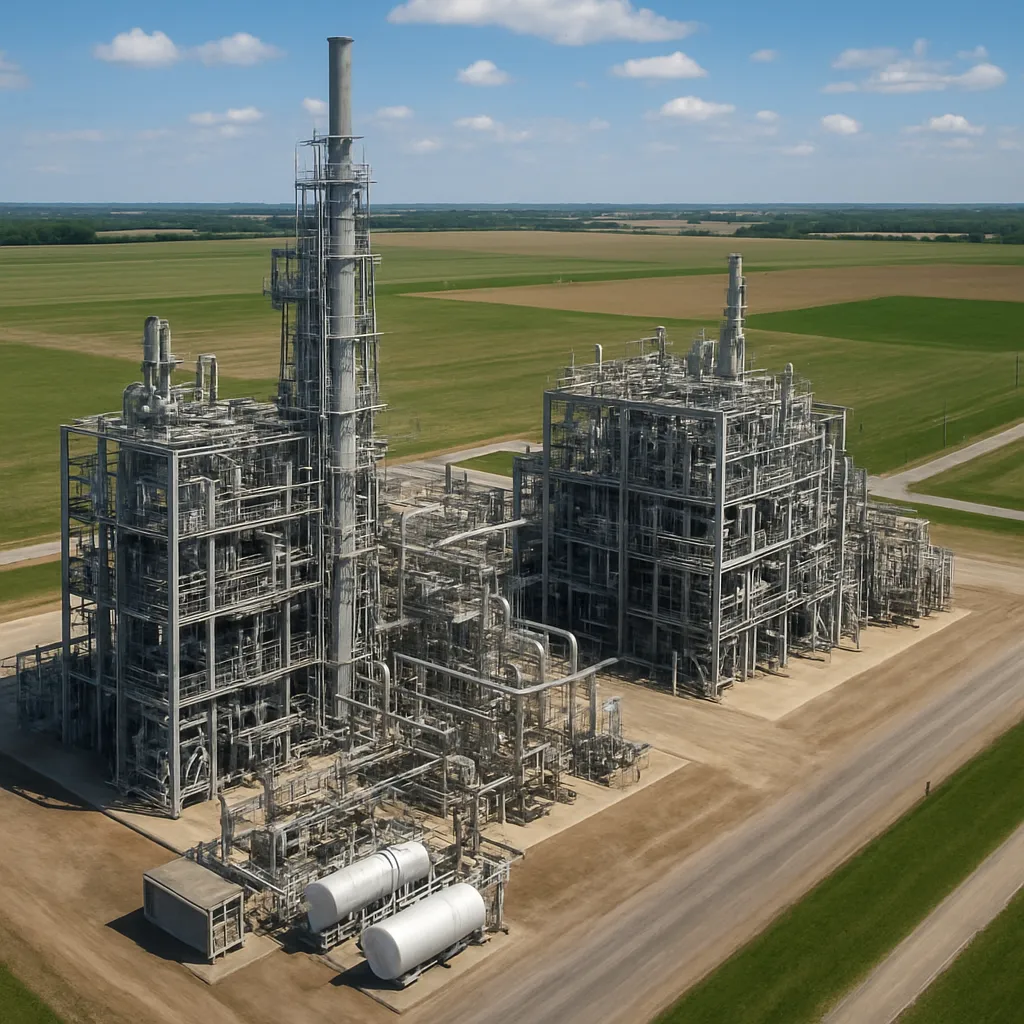
- Enhancing domestic extraction and refining facilities to reduce dependence on external actors.
- Supporting start-ups and joint ventures focused on advanced processing technologies.
- Increasing funding for geological surveys and mapping initiatives across underexplored terrains.
Such measures are designed to reinforce Europe’s autonomy by forging a self-sufficient ecosystem, one that connects upstream mining companies with downstream manufacturers of batteries, wind turbines, and high-performance magnets.
Technological Innovations in Extraction and Processing
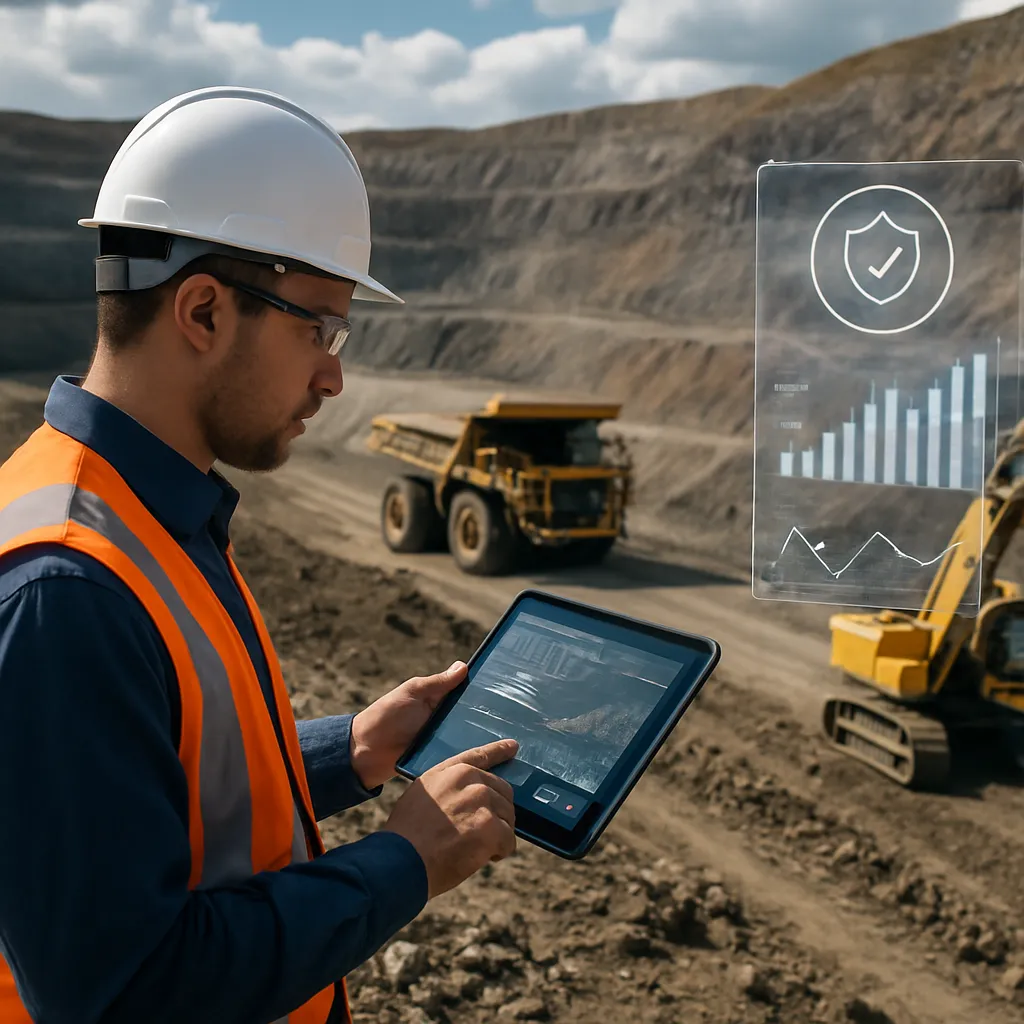
Breakthroughs in metallurgical engineering and digitalization are reshaping how rare metals are harnessed. New leaching techniques and bio-hydrometallurgical processes promise higher recovery rates while reducing environmental footprints. The adoption of sensor-based ore sorting and real-time data analytics has enhanced operational efficiency at mining sites. Collaborative R&D hubs across Germany, Sweden, and Finland are focusing on:
- Novel solvent extraction methods that lower energy consumption by up to 30%.
- Automated robotics for underground operations, improving worker safety and precision.
- Integration of artificial intelligence to optimize mineral processing in real time.
These innovations underscore a paradigm shift in how the sector approaches extraction. By marrying digital tools with eco-friendly chemistry, Europe aims to set new global standards for responsible sourcing.
Sustainability, Recycling and Circular Economy
To mitigate environmental concerns associated with open-pit mining, policymakers and industry leaders are turning to strategies centered on sustainability and the circular economy. End-of-life electronics, batteries, and catalytic converters are increasingly viewed as rich secondary sources of rare metals. Key initiatives include:
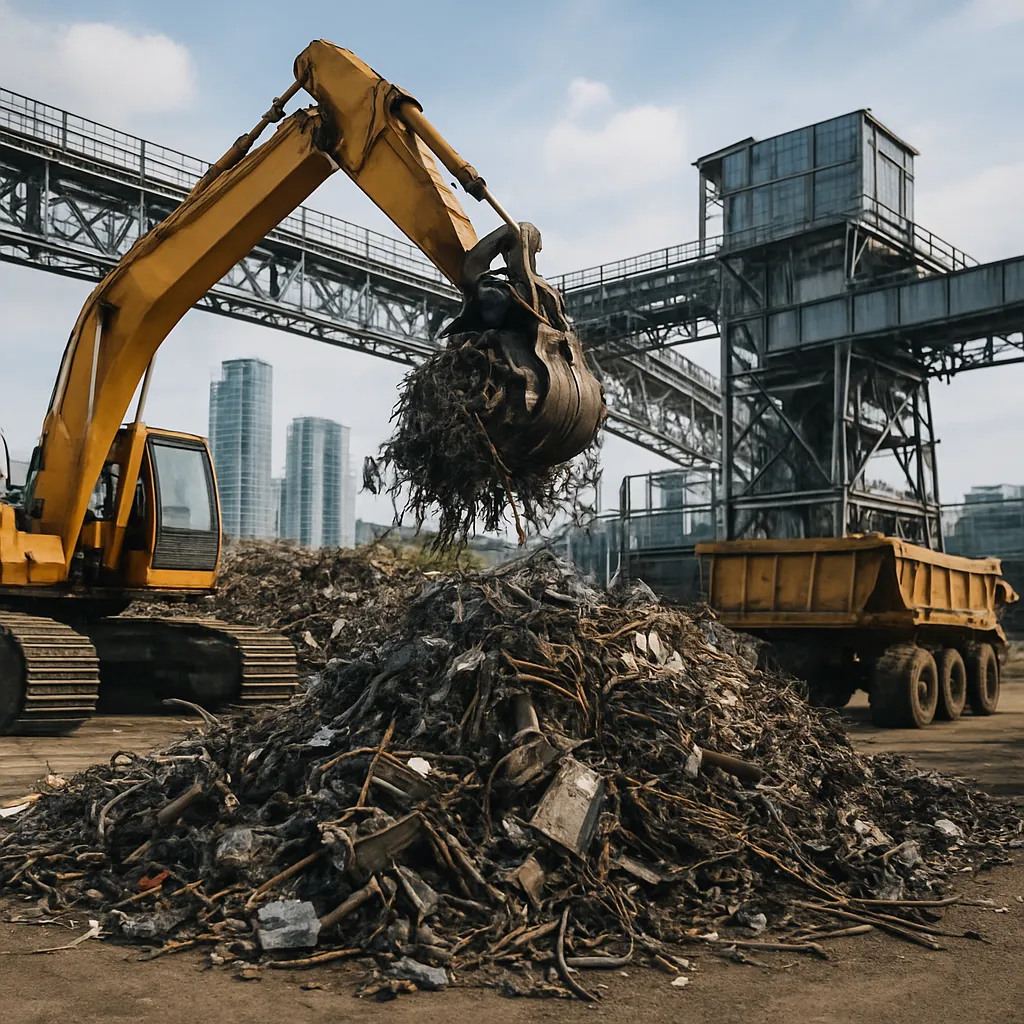
- Scaling up advanced shredding and separation plants to recover up to 95% of neodymium and dysprosium from permanent magnets.
- Investing in chemical recycling technologies that break down complex alloys into reusable metal fractions.
- Implementing extended producer responsibility schemes to ensure manufacturers finance collection and processing programs.
By prioritizing recycling and waste minimization, Europe can reduce its overall consumption footprint and alleviate pressure on virgin reserves, thereby enhancing long-term resource resilience.
Geopolitical Landscape and Global Cooperation
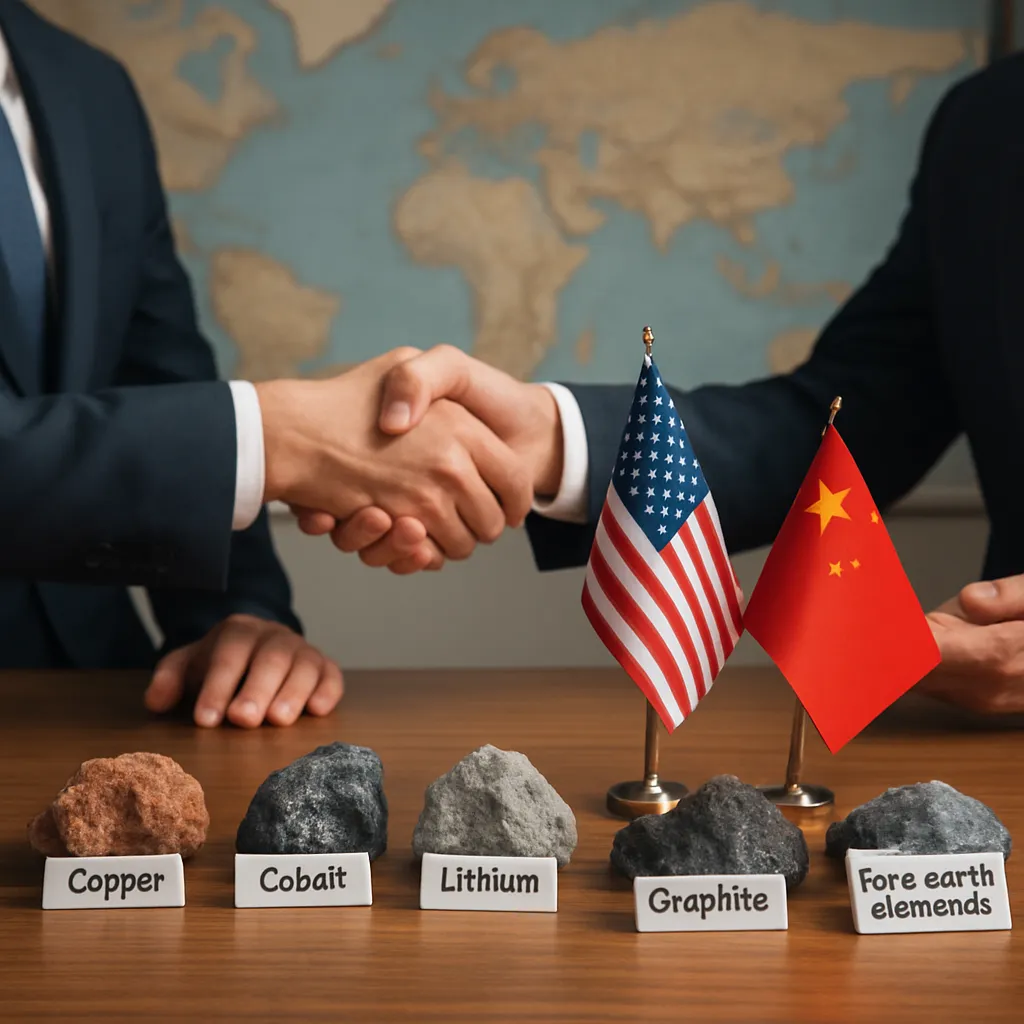
Rare metal supply chains are increasingly entangled in a web of diplomatic tension and strategic partnerships. China, which controls a significant portion of global processing capacity, has historically leveraged its market dominance to influence pricing and export quotas. In response, Europe has sought new alliances with resource-rich nations such as Australia, Canada, Brazil, and several African states. Collaborative frameworks address:
- Shared R&D projects aimed at diversifying supply and standardizing environmental safeguards.
- Long-term off-take agreements to guarantee stable procurement volumes.
- Capacity-building programs that help partner countries develop their own refinery infrastructures.
Through multilateral dialogues and trade agreements, the continent works to dilute single-source dependencies and fortify its strategic position in a landscape dominated by shifting geopolitics.
Diversification and Supply Chain Resilience
Ensuring a robust supply chain for rare metals demands a multi-pronged strategy encompassing onshore and offshore assets. Europe is exploring deep-sea mining prospects in the Atlantic and Mediterranean basins, although environmental groups urge caution over potential ecosystem disruptions. Simultaneously, consortiums of mining firms and technology companies are pioneering joint ventures in West Africa and South America. Core components of the diversification strategy include:
- Investment in strategic reserve facilities to buffer against market shocks.
- Deployment of blockchain-based traceability systems to certify ethical sourcing.
- Strengthening transportation corridors and logistics hubs to smooth cross-border flows.
By building redundancy into each segment of the chain, Europe aspires to bolster its collective capacity, fortifying economic and industrial resilience against unforeseen disruptions.
Future Outlook and Investment Trends
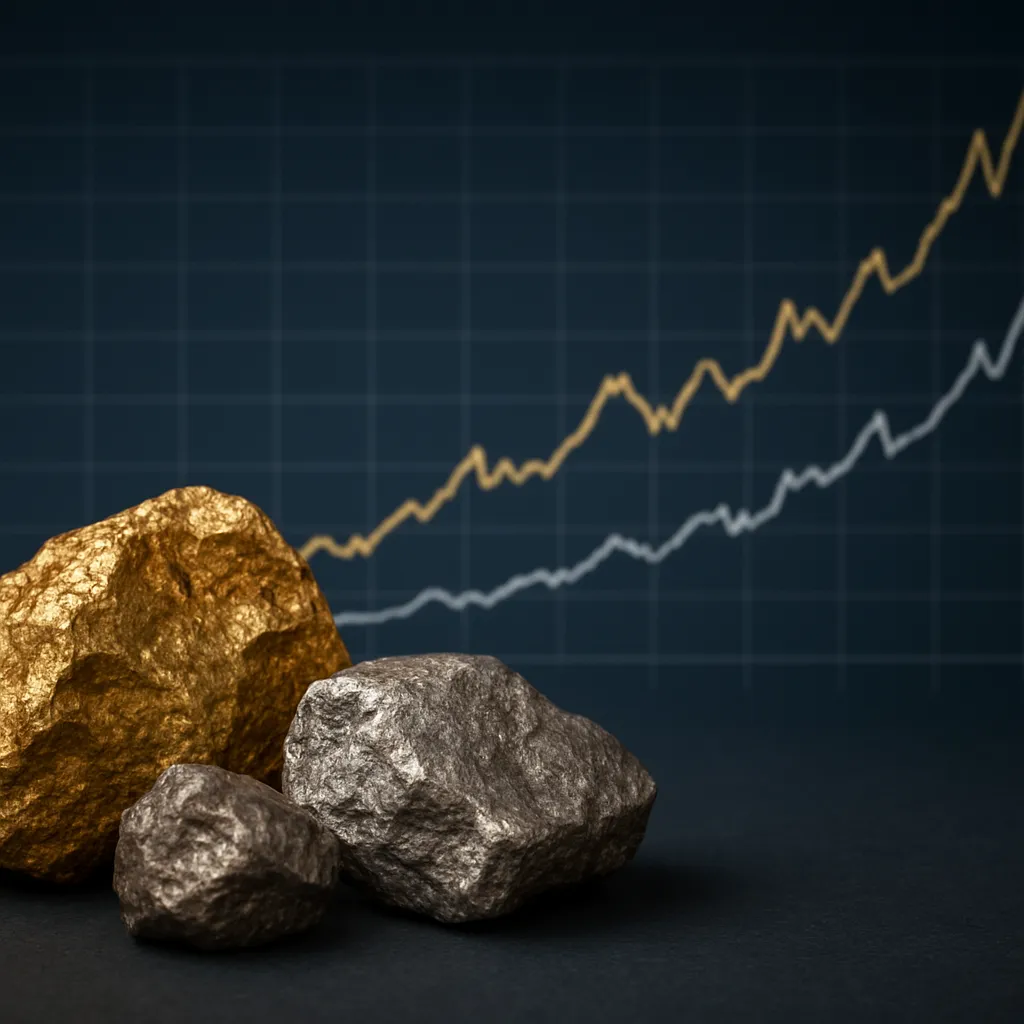
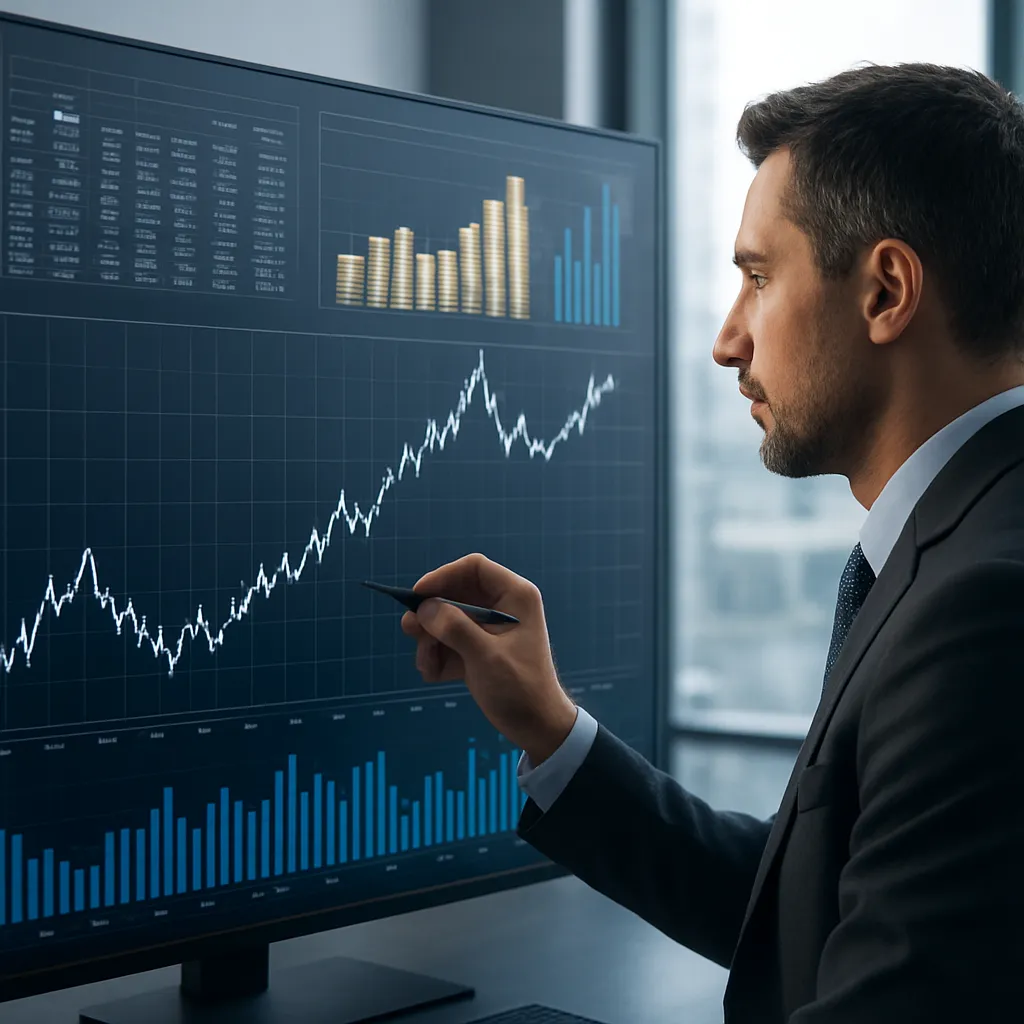
The trajectory of global rare metals investment points toward a sustained acceleration in funding for upstream and downstream ventures. Venture capitalists and institutional investors are pouring resources into companies specializing in low-carbon extraction, advanced recycling, and next-generation battery chemistries. Notable trends include:
- The rise of green bonds earmarked for mining projects that comply with stringent environmental criteria.
- Public-private partnerships that blend government guarantees with private sector execution expertise.
- Cross-border investment vehicles designed to pool risk and channel capital into frontier mining jurisdictions.
With the anticipated electrification of transport and continued digital transformation, demand for innovation in rare metals will only intensify. Europe’s bold investments across research, infrastructure, and international collaboration aim to secure a future where sustainable, diversified supplies underpin its industrial ambitions.