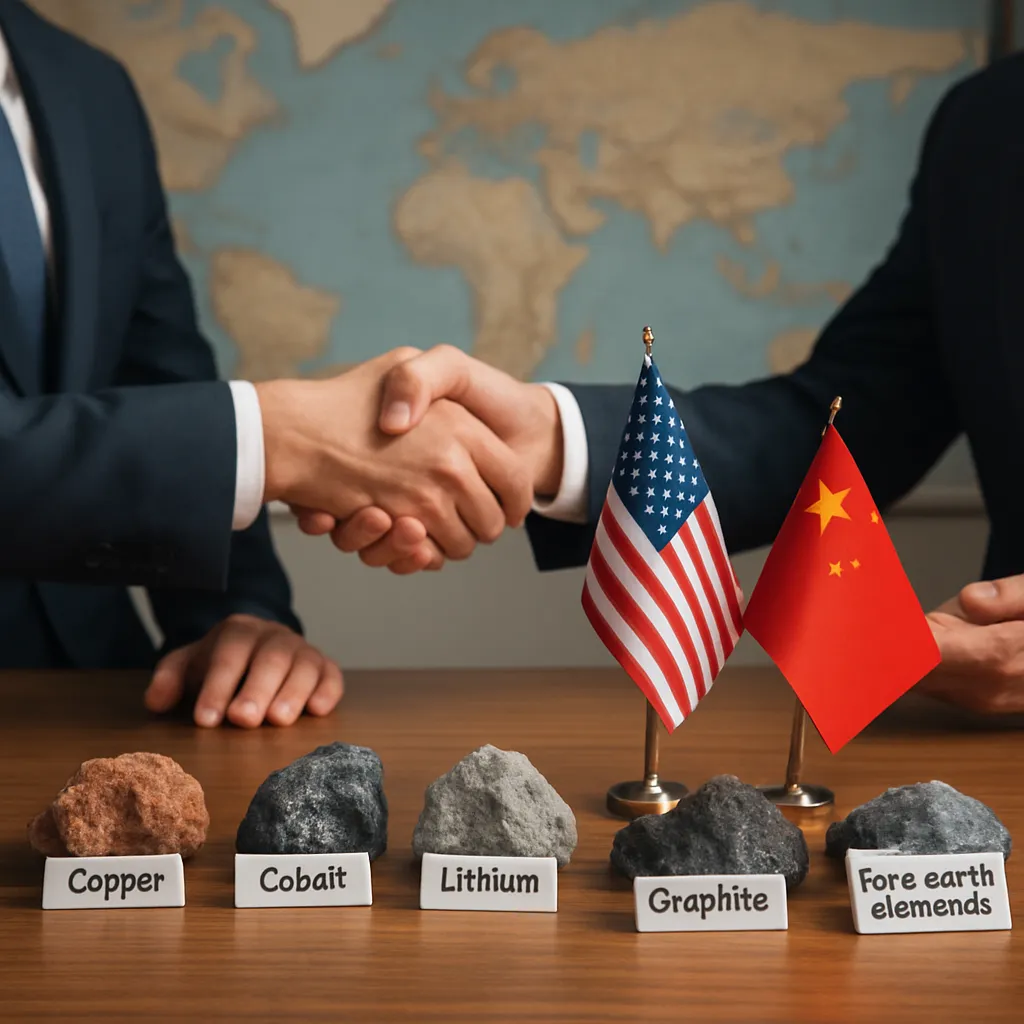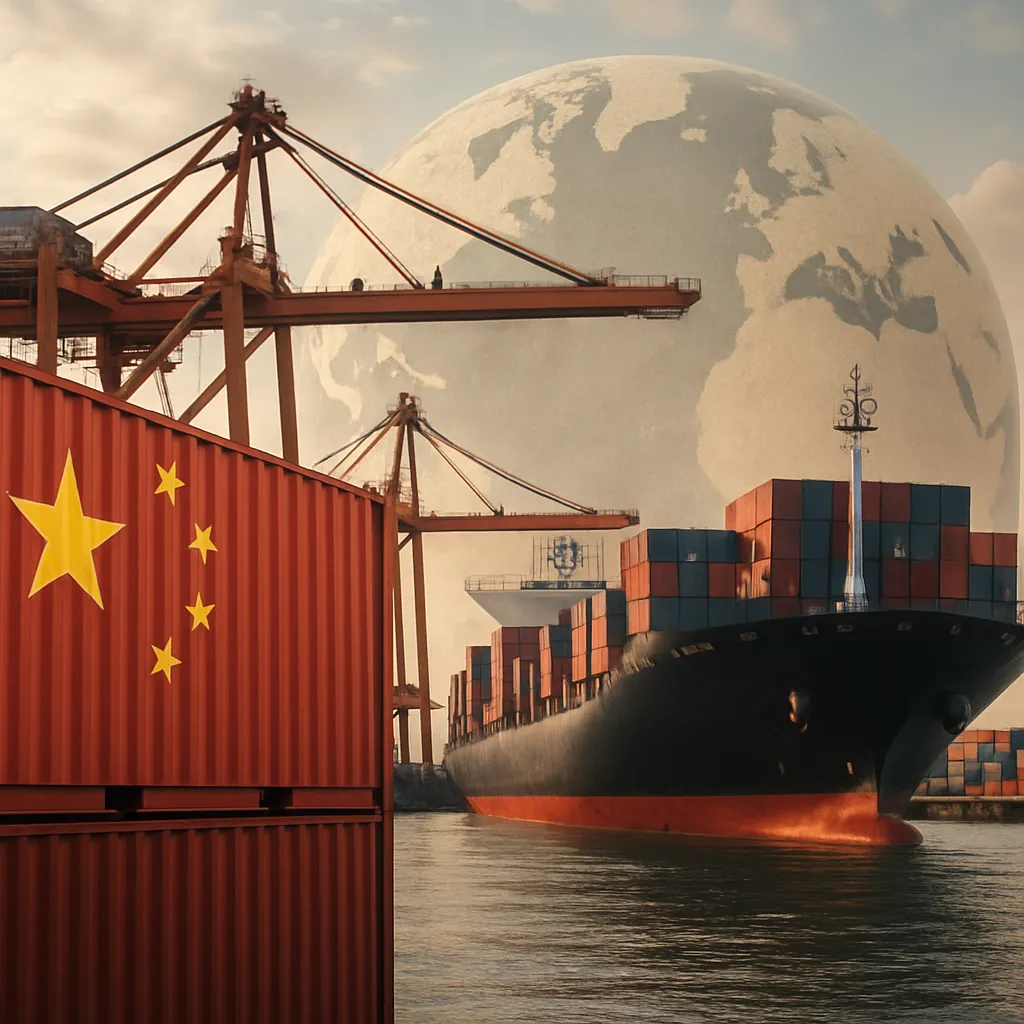
The global landscape of critical minerals has been profoundly reshaped by recent policy measures in Asia. Among these, China’s decision to tighten export restrictions on rare earths has sparked debates over supply security, environmental stewardship, and economic resilience. As rare earth elements form the backbone of technologies ranging from electric vehicles to precision-guided weaponry, the reverberations of these restrictions extend far beyond national borders. This article delves into the multifaceted geopolitical, economic, and environmental dimensions of China’s export controls and explores strategies for adaptation and sustainability in a high-stakes global arena.
Environmental and Geopolitical Dimensions
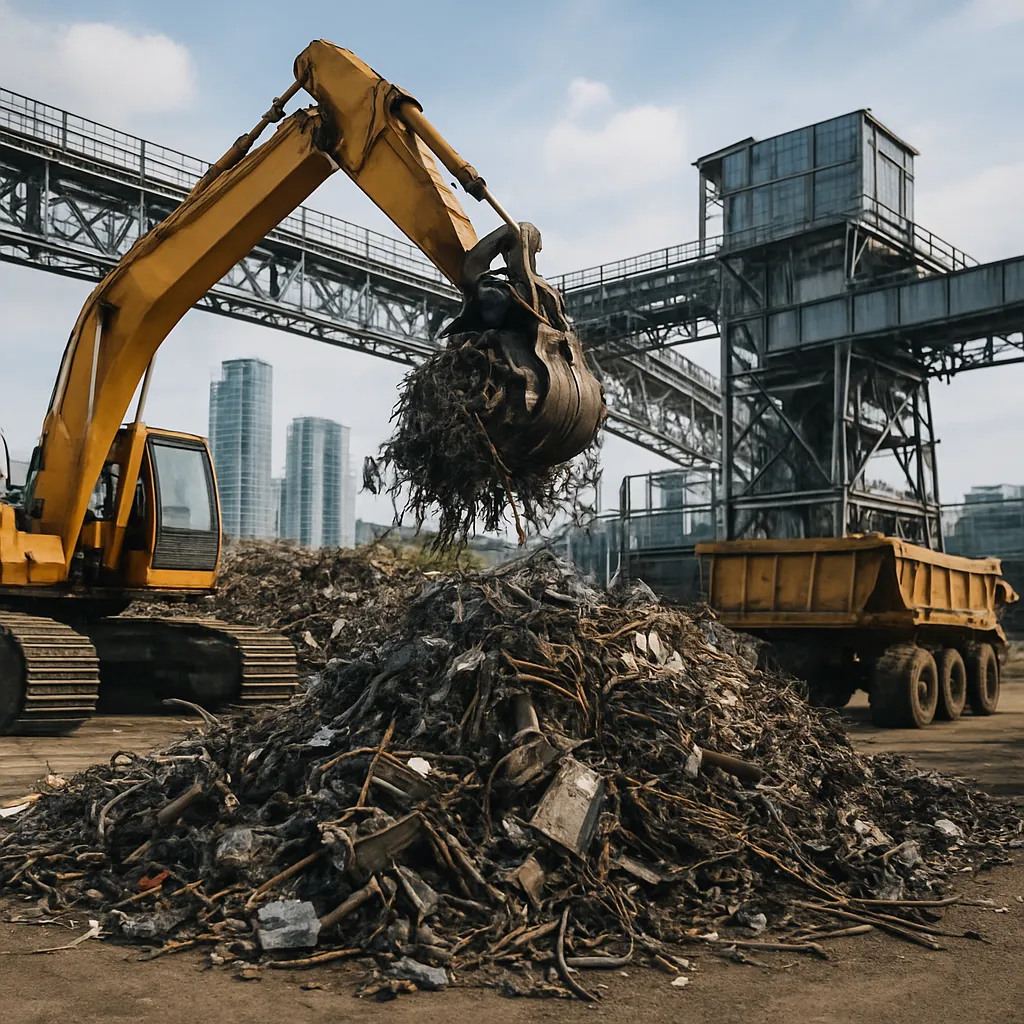
The extraction and processing of rare earths carry significant environmental consequences. Mining operations often involve high water usage, the release of radioactive tailings, and deforestation. Within China, decades of intensive production have created localized pollution hotspots, prompting the government to curtail output in certain regions. By combining output limits with export quotas, Chinese authorities aim to balance domestic ecology with international market influence.
Resource Nationalism and Strategic Leverage
Resource nationalism has emerged as a powerful tool in global diplomacy. By controlling the flow of critical minerals, China wields both economic and geopolitical leverage. Key implications include:
- Export Quotas: A reduction in annual export volumes elevates global prices and strains supply chains.
- Licensing Procedures: Tighter licensing slows down shipments, creating uncertainty across industries.
- Quality Controls: Enhanced scrutiny on ore grade can delay processing of lower-grade materials destined for foreign markets.
These measures serve dual objectives: mitigating the ecological burden of extraction and reinforcing China’s position as the predominant supplier. The ripple effects are felt most acutely by nations lacking significant domestic reserves or alternative suppliers.
Economic and Supply Chain Risks
The global reliance on China for approximately 80–90% of refined rare earth output exposes end-users to single-source vulnerability. High-tech sectors, defense contractors, and green energy initiatives all depend on uninterrupted access to lanthanides and actinides. Sudden supply disruptions can trigger cascading effects:
- Production Halts: Manufacturers of magnets, catalytic converters, and phosphors may face costly shutdowns.
- Price Volatility: Spot-market spikes can inflate the cost of consumer electronics, wind turbines, and hybrid vehicles.
- Investment Uncertainty: Capital allocation toward new capacity projects remains subdued when regulatory landscapes are uncertain.
Regional Impact Analysis
Different regions feel the strain in unique ways:
- North America: Efforts to restart legacy mines and invest in downstream processing face regulatory and environmental hurdles.
- Europe: Import-dependent and with few viable alternatives, European manufacturers accelerate plans for strategic reserves and research into substitutes.
- Asia-Pacific (ex-China): Nations like Australia and Malaysia are ramping up exploration, while Japan seeks to forge trilateral supply partnerships with democratic allies.
In each case, the overarching theme is that decentralized production and diversification of the supply chain are paramount to mitigating the risk of a monopolistic supplier exerting undue influence.
Strategic Responses and Future Outlook
Stakeholders worldwide have initiated a range of strategic responses to bolster resilience and foster innovation. These efforts span the public and private sectors and depend on multi-layered cooperation.
Investments in Alternative Sources
- Exploration Grants: Governments are funding geological surveys to identify new deposits in Africa, South America, and Central Asia.
- Recycling Initiatives: Urban mining programs extract rare earths from end-of-life electronics, reducing reliance on virgin ore.
- Research Collaborations: Academia and industry partnerships focus on developing bioleaching and solvent extraction techniques with lower environmental footprints.
Technological Substitutes and Efficiency Gains
Innovation plays a critical role in decreasing per-unit consumption:
- Magnet Alternatives: Ferrite and aluminum-nickel-cobalt alloys are explored for applications traditionally served by neodymium-iron-boron magnets.
- Catalyst Redesign: New catalyst formulations reduce reliance on cerium and lanthanum without compromising performance.
- Battery Chemistry Shifts: Research into sodium-ion and solid-state batteries aims to minimize dependence on dysprosium and terbium.
Geostrategic Alliances and Policy Frameworks
Recognizing that raw material security underpins national security, countries are forging alliances to consolidate sourcing and processing capabilities:
- Diversification Pacts: Trade agreements include clauses to guarantee minimum export volumes and stabilize pricing mechanisms.
- Joint Ventures: State-backed enterprises partner with foreign firms to build processing facilities outside China, sharing technology and capital risk.
- Strategic Stockpiles: National reserves ensure critical industries maintain a buffer against market disruptions.
While these measures cannot completely neutralize the impact of supply shocks in the short term, they lay the groundwork for a more resilient global ecosystem of sustainable mineral extraction and downstream manufacturing.
Conclusion of ongoing dynamics reveals that the era of unchecked dependency on a single supplier is waning. As stakeholders recalibrate their strategies, the integration of environmental safeguards, diversified sourcing, and technological innovation will determine the competitive edge of nations and corporations alike. The challenge lies in balancing the urgent need for supply security with a commitment to sustainability and equitable resource management, ensuring that the next wave of high-tech progress unfolds on firm, balanced foundations.