The increasing demand for clean energy, advanced electronics and electric vehicles has propelled rare metals into the spotlight of global supply chains. These metals, often classified as critical due to their strategic importance and supply risk, underpin the performance of batteries, semiconductors and renewable energy technologies. Ensuring a stable and environmentally responsible supply of these resources requires a holistic approach to sourcing, processing and distribution. By integrating principles of sustainability, market players can build value chains that minimize ecological footprint, enhance social welfare and safeguard geopolitical stability.
Global Dynamics of Rare Metals Markets
1. Geopolitical Concentration
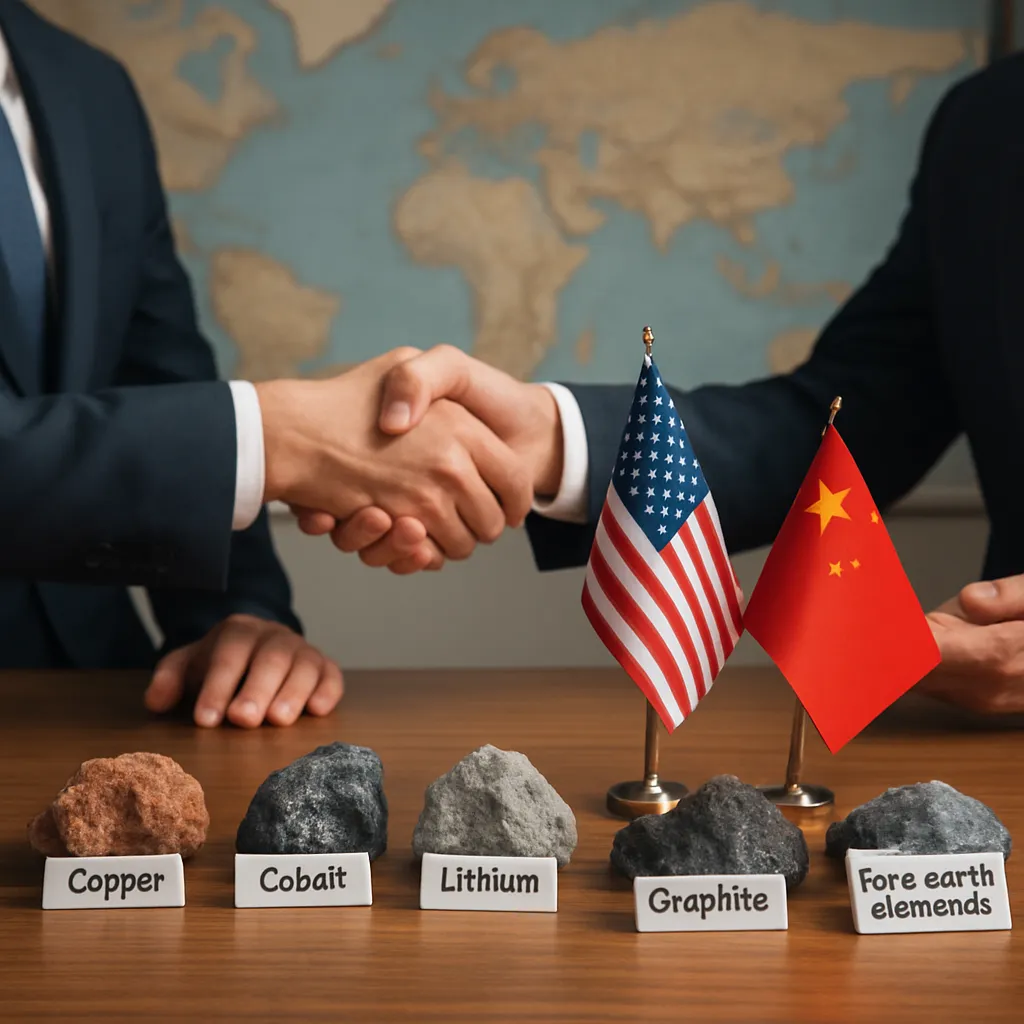
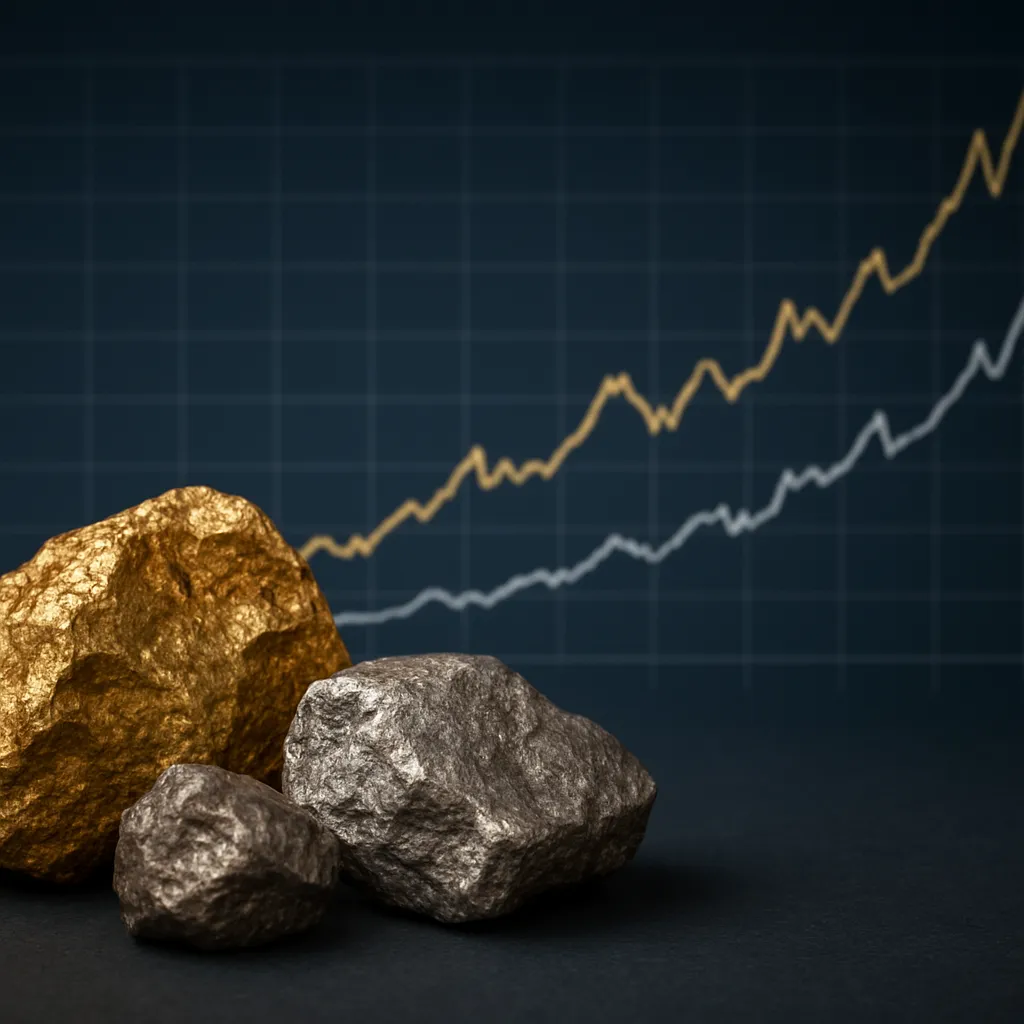
Major deposits of rare metals such as lithium, cobalt, nickel and rare earth elements are geographically concentrated. This concentration poses a double-edged challenge: on one hand, it offers cost advantages through proximity to high-grade ores; on the other, it creates significant vulnerability to supply disruptions. Export policies, political instability and infrastructure bottlenecks in producing regions can lead to sudden price spikes and shortages. To mitigate these risks, companies and governments are increasingly pursuing diversification of supply sources and strategic stockpiling.
2. Demand Drivers and Market Trends
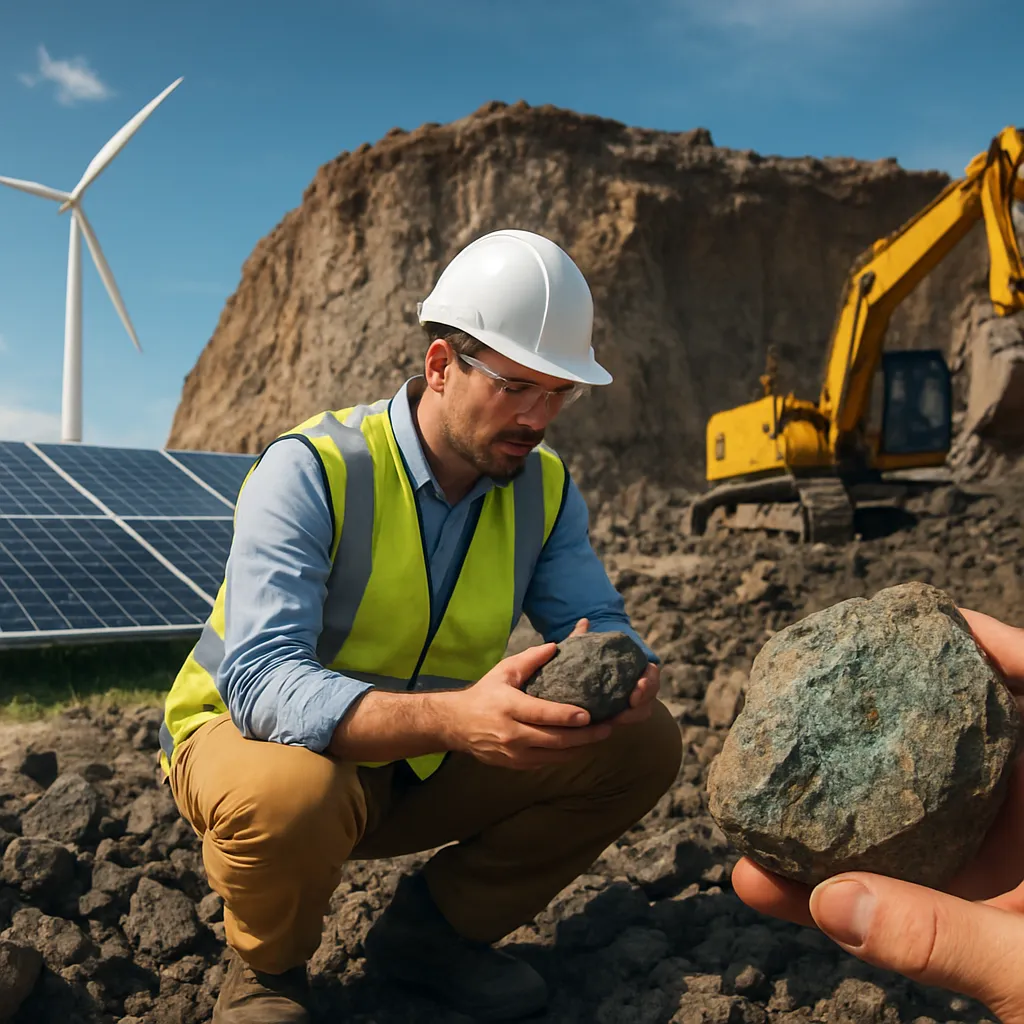
Advances in renewable energy and electrification are the primary drivers of rare metals demand. Electric vehicle production alone is expected to consume a substantial share of the global lithium and cobalt output by 2030. Furthermore, emerging technologies in aerospace, defense and digital infrastructure rely on specialized alloys and magnetic materials. The upward trajectory of demand underscores the need for resilient and adaptive value chains that can respond to evolving technology requirements while maintaining stable supplies.
- Electric mobility and battery storage
- Wind turbines and solar photovoltaics
- High-performance computing and 5G networks
- Advanced military systems
Environmental and Social Impacts in Mineral Extraction
1. Ecological Footprint
Traditional mining operations can leave lasting imprints on local ecosystems, including habitat destruction, water contamination and soil erosion. For instance, open-pit mining of nickel and copper often involves massive earth removal, while rare earth processing may generate radioactive waste. To address these concerns, companies are adopting advanced remediation techniques, reforestation programs and water treatment solutions. The integration of innovation in waste management and resource recovery is critical to lower the overall environmental impact.
2. Community Engagement and Human Rights
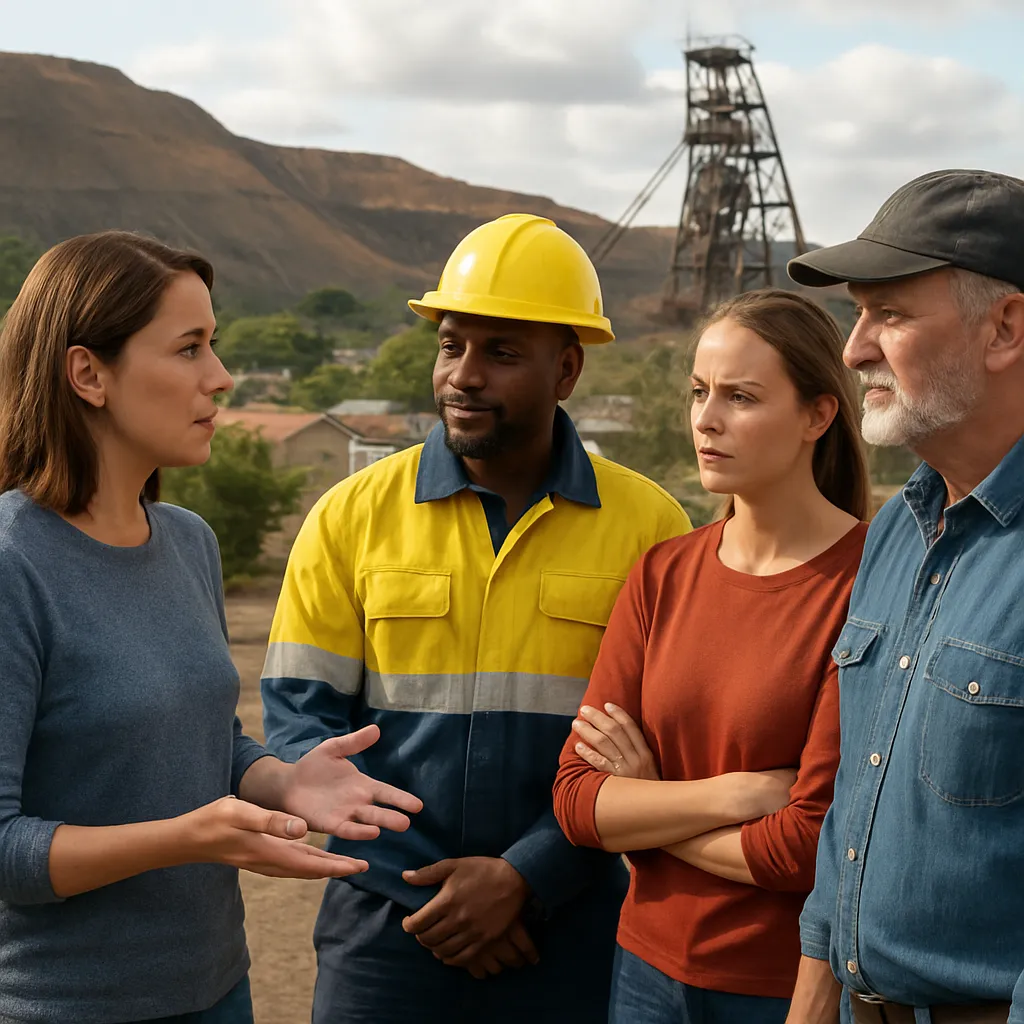
Mining activities can disrupt local communities, leading to displacement, health hazards and socio-economic tensions. Ensuring fair labor practices, respecting indigenous rights and offering transparent benefit-sharing agreements are fundamental steps toward building trust. Stakeholders are increasingly demanding rigorous social impact assessments before project development. By committing to open dialogue and continuous monitoring, operators can foster resilient relationships and minimize conflicts.
- Independent social audits
- Community development funds
- Health and safety training
- Conflict-sensitive supply chain management
Innovative Approaches to Sustainable Value Chains
1. Responsible Mining and Certification
Certification schemes like the Initiative for Responsible Mining Assurance (IRMA) and the Responsible Cobalt Initiative set performance standards for environmental stewardship, worker welfare and ethical governance. Companies that adhere to these frameworks gain access to premium markets and demonstrate their commitment to transparency. Coupled with blockchain-based traceability, these initiatives allow end-users to verify the origin of materials and confirm compliance with human rights and environmental protocols.
2. Technological Solutions
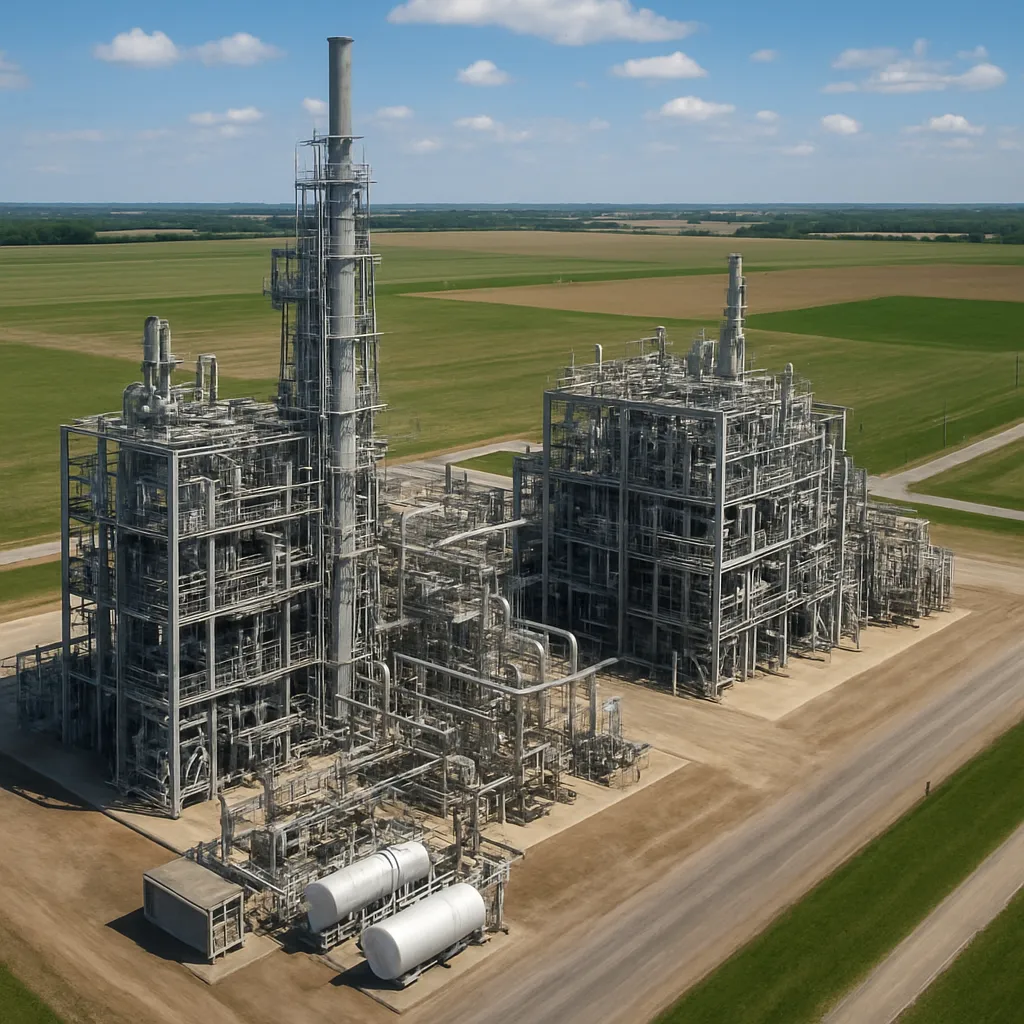
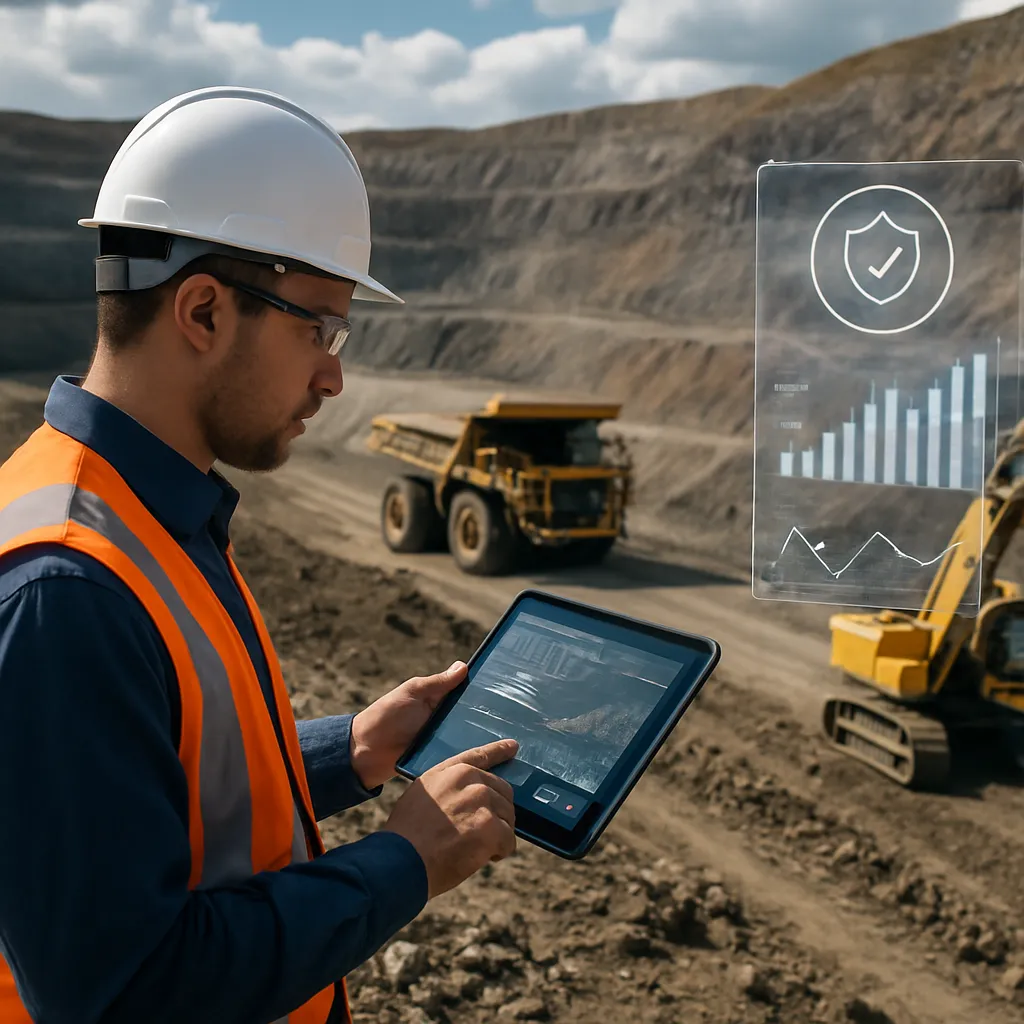
Emerging technologies hold the promise of reducing the carbon footprint and improving the yield of metal extraction. Automation and robotics can minimize manual exposure to hazardous environments and increase operational efficiency. Advanced geochemical sensors and AI-driven exploration tools pinpoint high-grade deposits, reducing the need for excessive excavation. In processing facilities, hydrometallurgical techniques and membrane filtration systems lower energy consumption and water usage compared to traditional pyrometallurgy.
3. Collaborative Platforms and Partnerships
Creating sustainable value chains often transcends the capacity of a single company. Collaborative platforms that bring together governments, NGOs, research institutions and industry actors catalyze knowledge-sharing and resource pooling. Public-private partnerships can finance community infrastructure, support research into next-generation battery chemistries and develop regulatory frameworks that balance economic growth with environmental protection. Such collaboration fosters mutual trust and encourages systemic change across the entire supply continuum.
Circular Economy and Future Outlook
1. Recycling and Resource Recovery
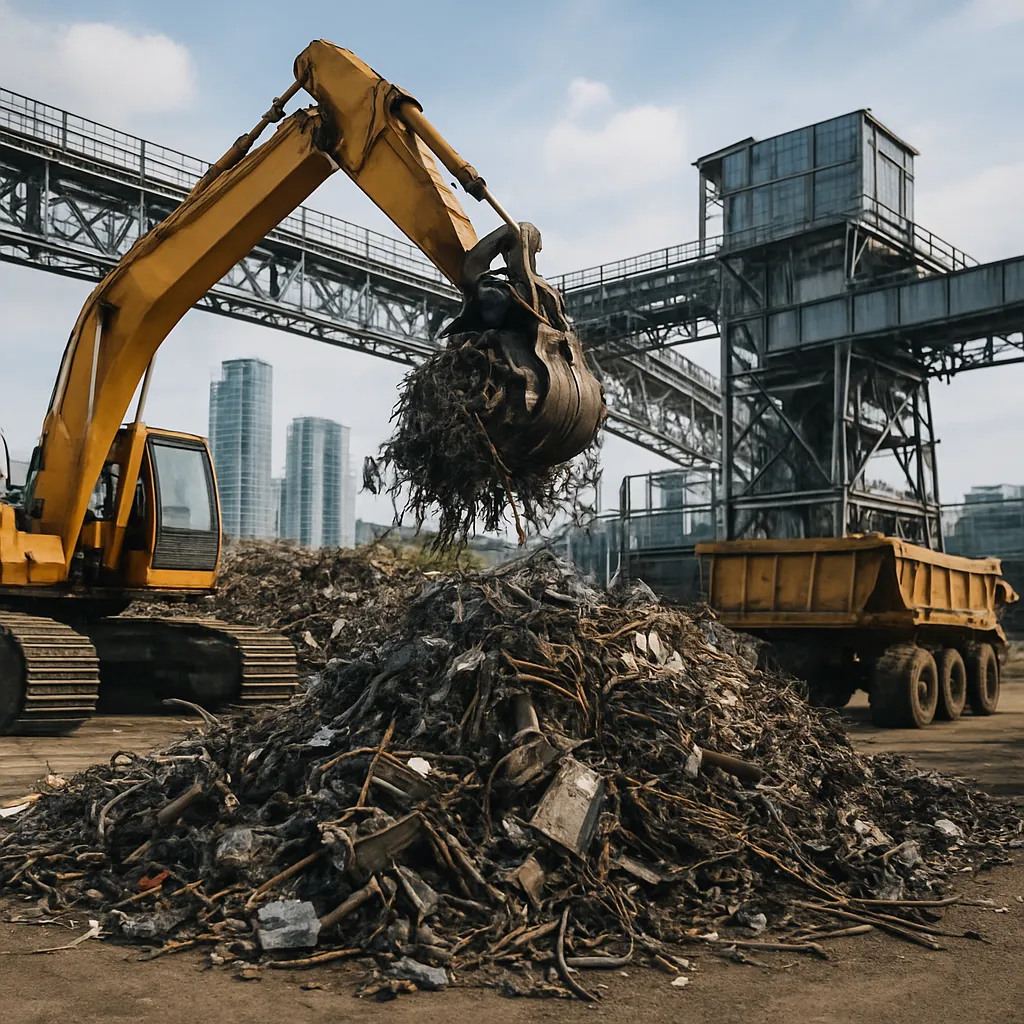
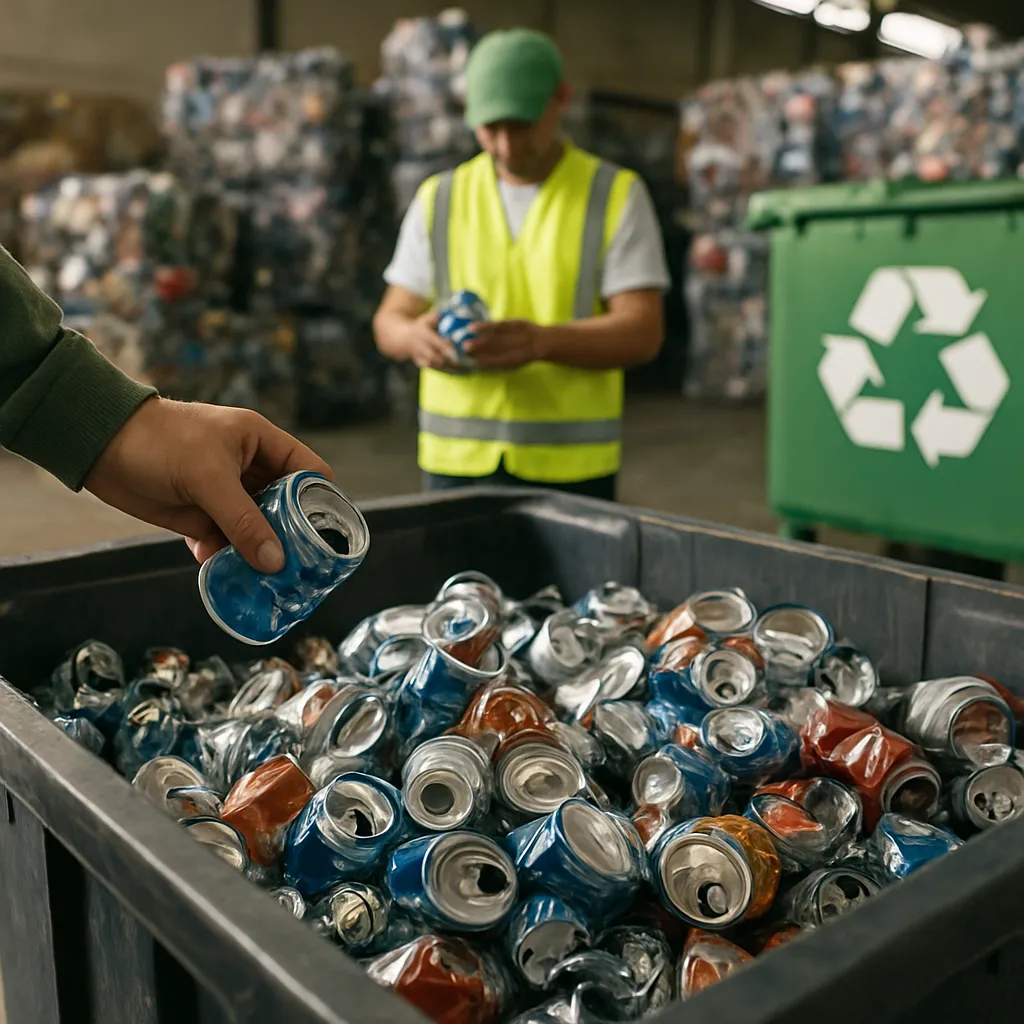
Designing products for end-of-life recyclability is a cornerstone of the circular economy. Advanced recycling processes for lithium-ion batteries, permanent magnets and electronic waste recover valuable metals and reduce dependence on virgin ore. Urban mining initiatives—extracting metals from landfills, electronics and industrial scrap—create alternative supply streams. By prioritizing resource efficiency and reusing byproducts, organizations can achieve significant savings in energy and raw material costs while mitigating environmental degradation.
- Closed-loop battery recycling
- Hydrometallurgical recovery of rare earths
- Urban mining for circuit boards and magnets
- Electrochemical refining of reclaimed metals
2. Policy Instruments and Incentives
Governments play a pivotal role in shaping sustainable mineral value chains through regulation and fiscal measures. Subsidies for research into low-impact extraction, tax credits for recycling facilities and tariffs on unsustainably sourced imports incentivize better practices. International agreements on trade and environmental standards can harmonize policies across borders, reducing competitive gaps and ensuring a level playing field. Effective policy design integrates environmental goals with strategic industrial development, advancing both climate and economic objectives.
3. Building Resilience
The volatility of commodity markets and geopolitical tensions underscore the importance of supply chain resilience. Companies implement dual sourcing strategies, maintain strategic stockpiles and invest in domestic processing capacities to guard against external shocks. Digital supply chain monitoring, powered by IoT and big data analytics, enables real-time risk assessment and proactive mitigation. Such approaches bolster the capacity to respond swiftly to disruptions and safeguard downstream manufacturing.
4. Towards Net-Zero Transition
Decarbonization of the mining and processing sectors is a critical component of the broader climate agenda. Electrifying haul trucks, deploying renewable energy onsite and adopting energy-efficient technologies reduce greenhouse gas emissions. Life cycle assessments guide decision-making, ensuring that the net environmental benefit of minerals used in clean energy technologies outweighs the emissions generated during their production. Sustainable value chains for critical minerals thus become enablers of a global low-carbon economy.
5. Embracing circularity
Ultimately, the vision of a fully circular marketplace requires continuous innovation and cross-sector collaboration. Integrating material passports, modular product design and service-based business models helps close resource loops and extend asset lifetimes. This systemic shift diminishes waste, lowers costs and reduces reliance on finite resources. As industries evolve, stakeholders who champion circular principles will unlock new market opportunities and foster long-term resilience.