The following exploration delves into the evolving landscape of rare metals, examining how economic nationalism and protectionism shape global markets. With growing concerns over supply chain vulnerability and the race for technological dominance, nations are re-evaluating trade practices, investment strategies, and resource governance. This article addresses the complex interplay between national interests and international cooperation, highlighting key trends and policy debates in the field of strategic materials.
The Rise of Economic Nationalism in Rare Metals
Over the past decade, several countries have pivoted toward policies that prioritize domestic control of critical resources. Government initiatives now often include export quotas, higher tariffs, and mandatory local processing requirements. These measures aim to reduce dependency on foreign suppliers and to secure a continuous flow of inputs for vital industries, from renewable energy to defense.
For example, certain mineral-rich states have imposed stricter licensing rules on foreign mining firms, effectively limiting foreign ownership and mandating joint ventures with national companies. Such tactics foster a sense of resource sovereignty but can also trigger retaliatory actions from trade partners, sparking disputes at forums like the World Trade Organization.
Another manifestation of resource nationalism is the expansion of state-owned enterprises (SOEs). SOEs in the rare earth sector have gained preferential access to reserves and funding, often sidelining private competitors. While this approach bolsters national champions, it may deter foreign investment and hamper technology transfer.
Strategic Implications for Global Supply Chains
International manufacturers rely heavily on a handful of countries for their supply of magnet metals, battery precursors, and exotic alloys. This concentration creates a geopolitical fault line: any disruption—natural disaster, political upheaval, or policy shift—can send shockwaves through multiple industries.
- Electric vehicles and energy storage systems require neodymium and lithium, making their producers sensitive to export controls.
- Telecommunications and defense rely on terbium and dysprosium, metals subject to tight national regulations.
- Semiconductor facilities depend on gallium and germanium, often sourced from specialized refineries in just a few nations.
To mitigate these risks, companies are exploring strategies such as diversification of suppliers, stockpiling critical inventory, and investing in recycling technologies. Some governments have launched grants and tax incentives to stimulate the domestic extraction and processing of rare metals, attempting to build a more resilient industrial base.
However, supply chain reconfiguration takes time and capital. Establishing new mining operations can face years of permitting challenges, environmental impact assessments, and community consultations. Meanwhile, fast-moving sectors like renewable energy cannot afford lengthy delays, creating tension between long-term resource planning and immediate production needs.
Policy Responses and Future Outlook
In response to rising protectionism, multilateral institutions and industry alliances are promoting frameworks for responsible mineral sourcing. Initiatives such as the Extractive Industries Transparency Initiative (EITI) and the Global Battery Alliance aim to enhance supply chain traceability and encourage best practices in extraction and processing.
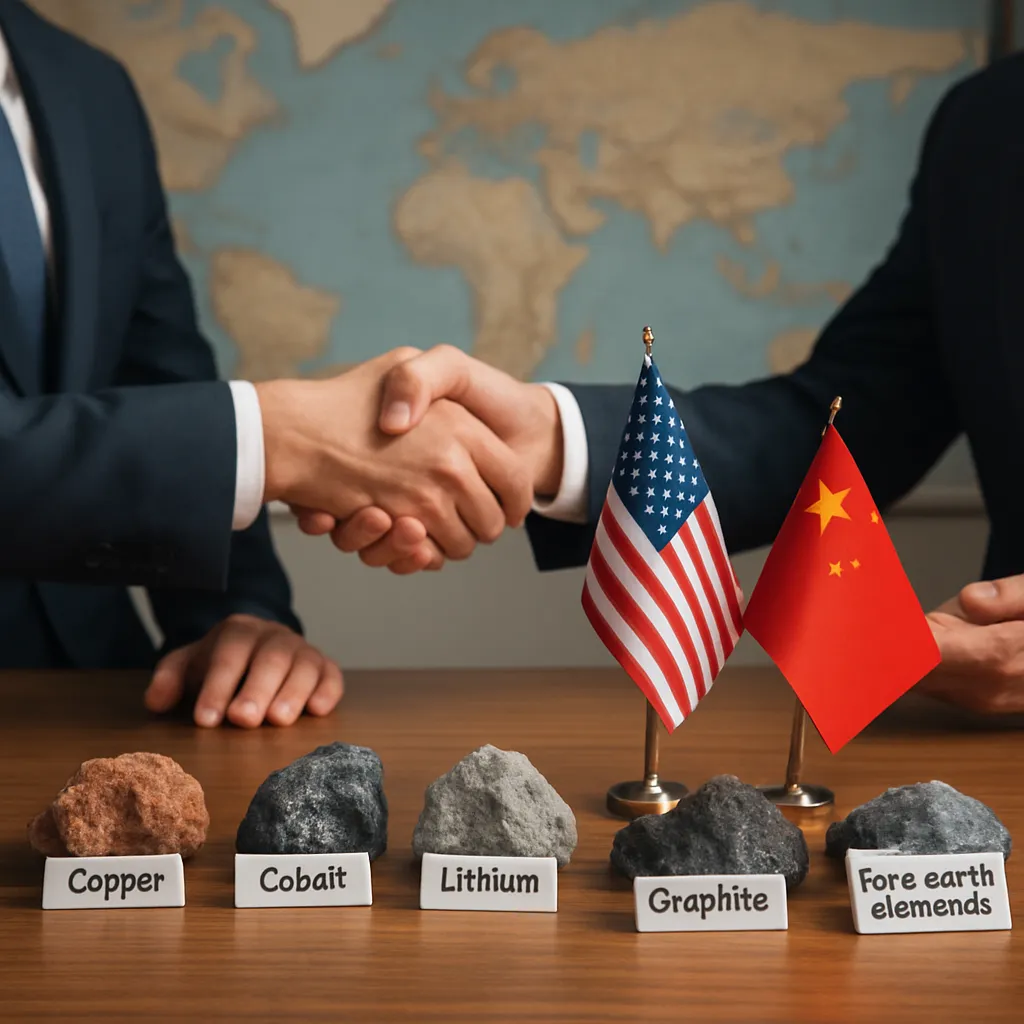
Some nations are forging strategic partnerships, signing bilateral agreements that guarantee access to key materials in exchange for technology sharing or infrastructure investment. These pacts often include clauses on environmental safeguards and labor standards, reflecting a broader trend toward sustainability.
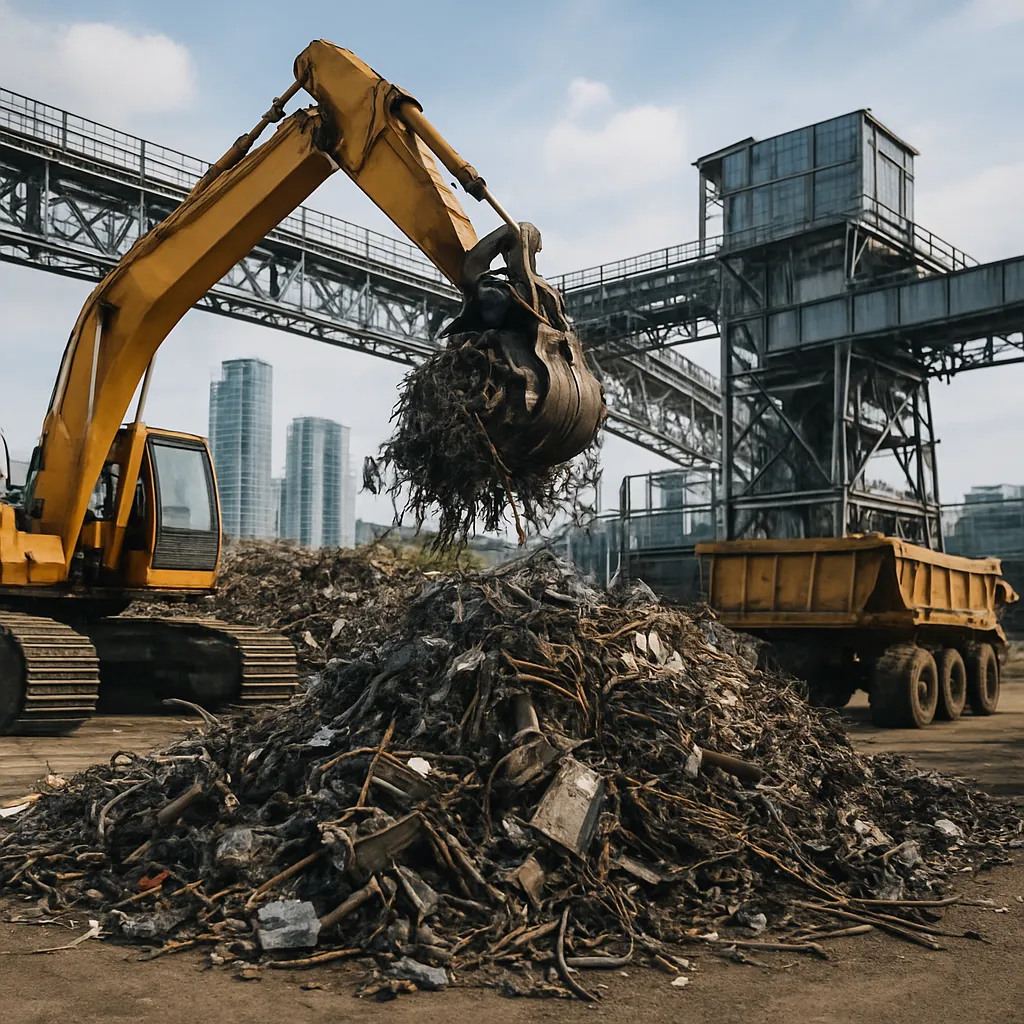
Meanwhile, research into alternative materials and advanced recycling methods holds promise. Scientists are exploring substitutes for cobalt in batteries, while engineers develop processes to recover precious metals from electronic waste. Breakthroughs in metallurgy and chemical engineering could reduce reliance on geopolitically sensitive sources.
Ultimately, the balance between national interests and global cooperation will define the rare metals landscape. Policymakers must weigh the benefits of resource control against the risks of fragmentation and retaliation. Companies, for their part, will need to navigate an environment of shifting regulations, invest in innovation, and build agile supply networks capable of adjusting to evolving trade restrictions.
Key considerations moving forward include the strengthening of multilateral trade rules, the acceleration of R&D in material science, and the expansion of public–private partnerships to ensure a stable and ethical supply of strategic metals.