In the heart of global resource markets, a profound shift is redefining how capital flows toward critical minerals. Demand for electrification, energy storage and sustainable industrial processes has thrust lesser-known elements into the limelight, prompting a fresh wave of strategic allocation by international stakeholders. This analysis delves into the dynamics shaping the rare metals landscape, offering insights into the forces driving valuation, risk and opportunity across sectors.
The Rise of the Lithium Supercycle
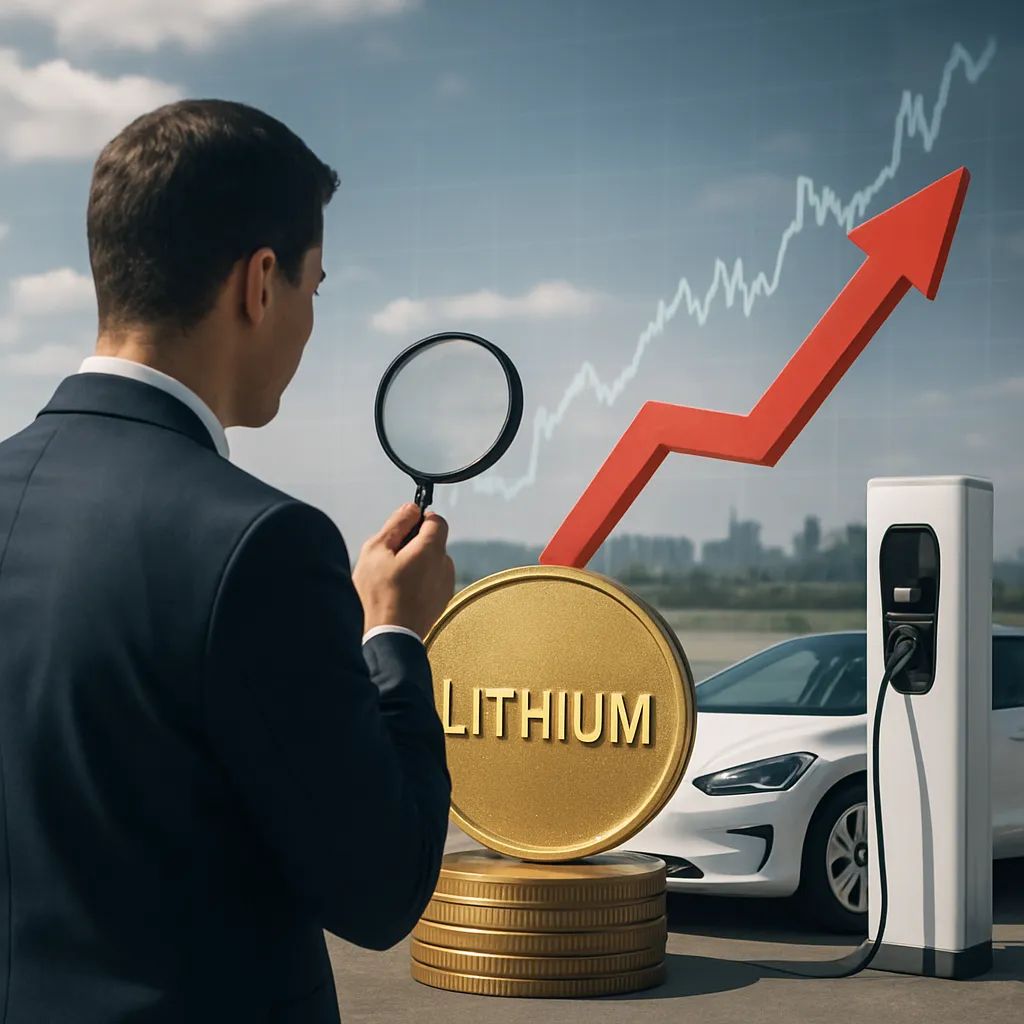
Mounting enthusiasm around electric vehicles (EVs) and grid-scale storage has sparked discussions of a lithium supercycle. Historically viewed as a niche input for certain specialized applications, lithium has emerged as a cornerstone of decarbonization strategies. Production has struggled to keep pace with climbing demand, fueling an arms race among miners, refiners and financiers.
- Global extraction bottlenecks: New projects in Australia, South America and Africa face lengthy permitting and infrastructure challenges.
- Refining capacity crunch: While ore shipments have surged, conversion plants capable of producing battery-grade chemicals remain constrained.
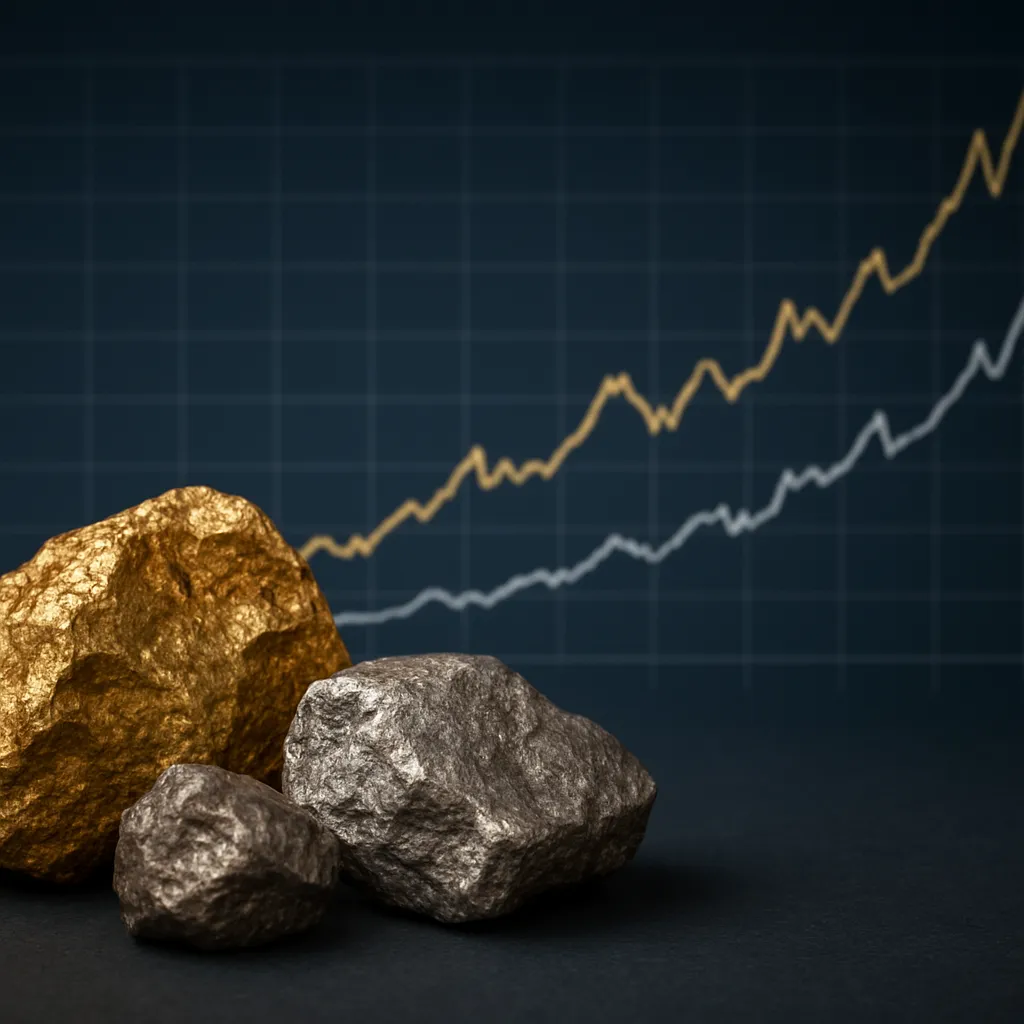
- Price volatility: Spot quotes have oscillated sharply, reflecting speculative appetite as much as fundamental tightness.
These factors have led investors to reposition portfolios, seeking exposure to upstream mines and downstream processing. Parallel interests in battery materials like cobalt, nickel and manganese underscore the interconnected web of dependencies within modern energy systems.
Global Geopolitics and Supply Diversification
Strategic Dependencies
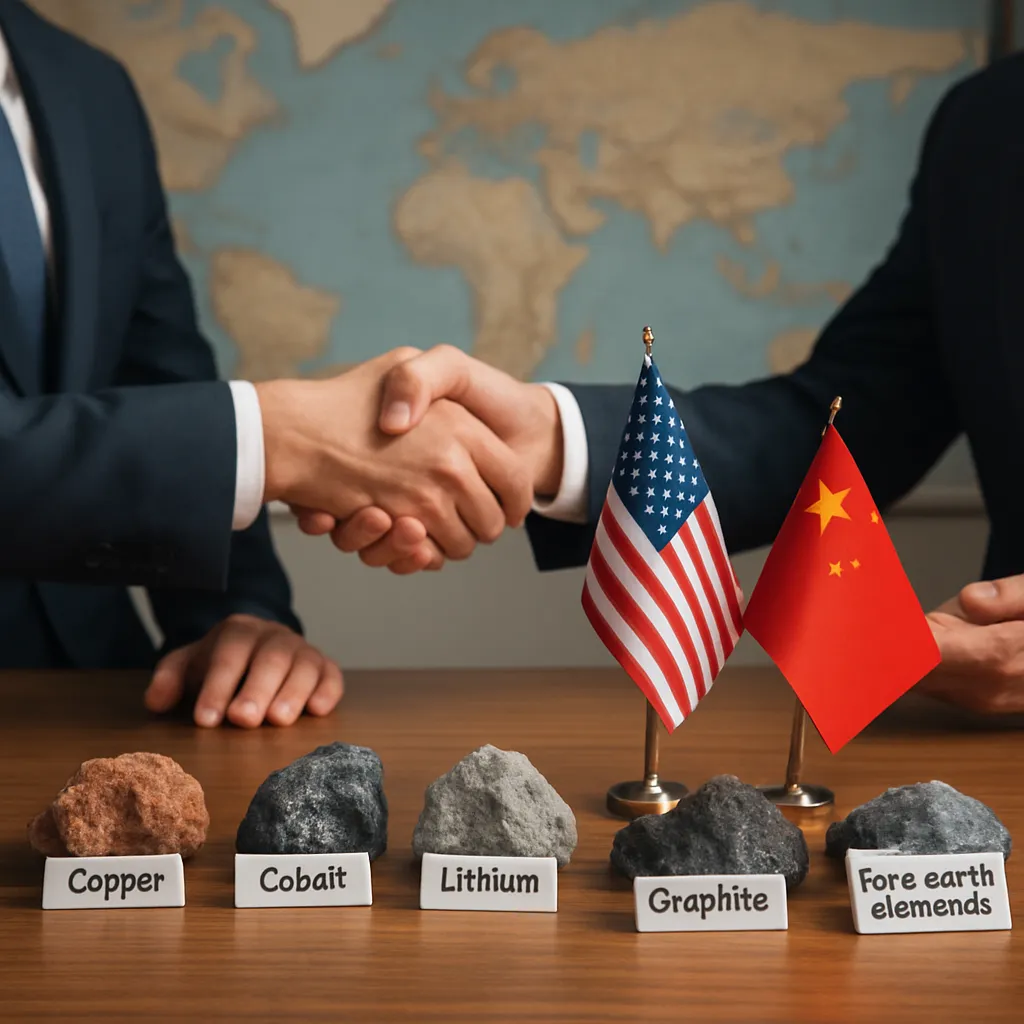
Access to rare metals has swiftly evolved into a matter of national geopolitics. Major producers are concentrated in a handful of countries—Chile and China for lithium salts, the Democratic Republic of Congo for cobalt, Indonesia and the Philippines for nickel. As governments scramble to secure stable supply, quotas, export restrictions and investment screening grow more common.
- Trade alliances: New pacts between consuming and producing nations aim to ensure off-take agreements and resilient logistics.
- State-backed funds: Sovereign wealth vehicles and development banks are underwriting infrastructure and exploration ventures.
- Domestic content rules: Automotive and electronics manufacturers face mandates to source materials from approved jurisdictions.
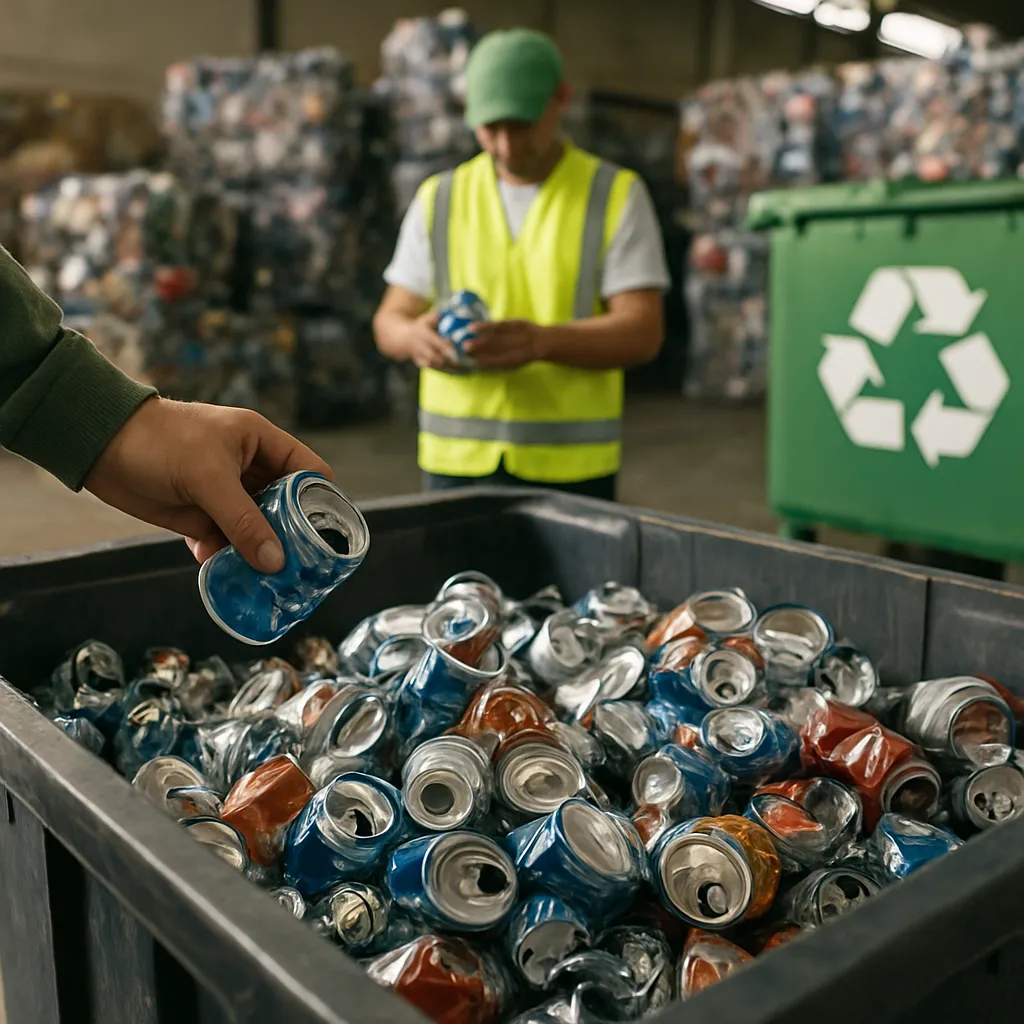
With rare metals recognized as “critical” by regulators from Europe to North America, diversification strategies now include recycling initiatives, second-life battery programs and exploration of unconventional deposits such as geothermal brines. The quest to mitigate sourcing risk reshapes supply chains and spawns innovative partnerships.
Challenges Along the Supply Chain
Environmental and Social Governance Pressures
Escalating extraction threatens ecosystems, water tables and local communities. In response, industry participants and civil society groups press for robust sustainability frameworks. Critical issues include:
- Water usage: Lithium evaporation ponds demand vast water inputs, aggravating scarcity in arid regions.
- Tailings management: Disposal of mine waste poses contamination risks to soil and waterways.
- Community consent: Indigenous rights and fair compensation practices are under intense scrutiny.
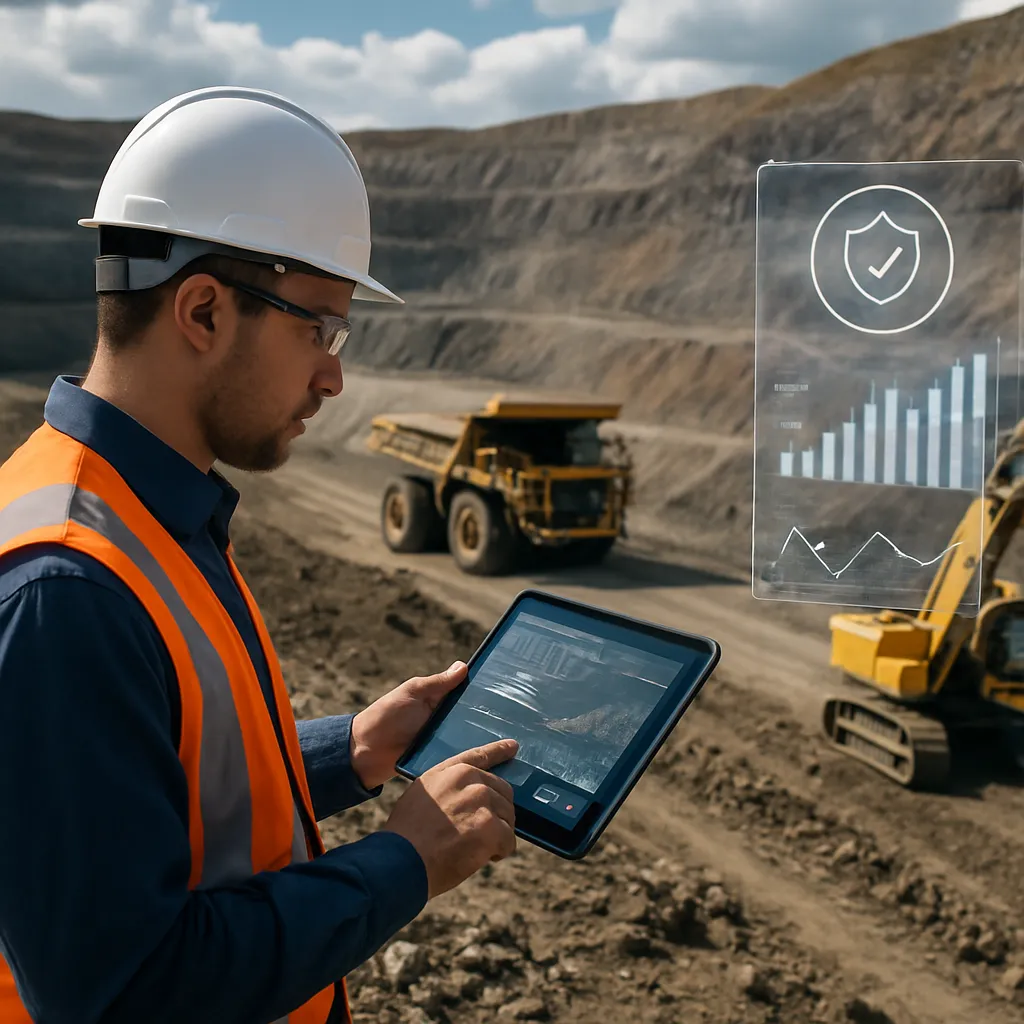
Failure to adhere to stringent standards can result in project delays, public protests and reputational damage. Consequently, financiers employ Environmental and Social Due Diligence (ESDD) protocols, with some tying capital availability to third-party verification of responsible mining credentials.
Logistics and Processing Hurdles
Even as ore flows expand, downstream refinement remains a bottleneck. Transporting concentrate across continents introduces costs and carbon intensity, while specialized smelting and purification facilities are limited. Enterprising firms are investing in localized refining hubs to shorten supply chains and capture value-added margins.
Technological Innovation and Future Outlook
Next-Generation Extraction Methods
Advances in extraction and recycling promise to unlock new reserves and reduce environmental footprints. Techniques under development include:
- Direct lithium extraction (DLE): Promises higher recovery rates and reduced land use compared to pond evaporation.
- Biotechnological leaching: Employs bacteria or fungi to separate metals from ore in low-impact processes.
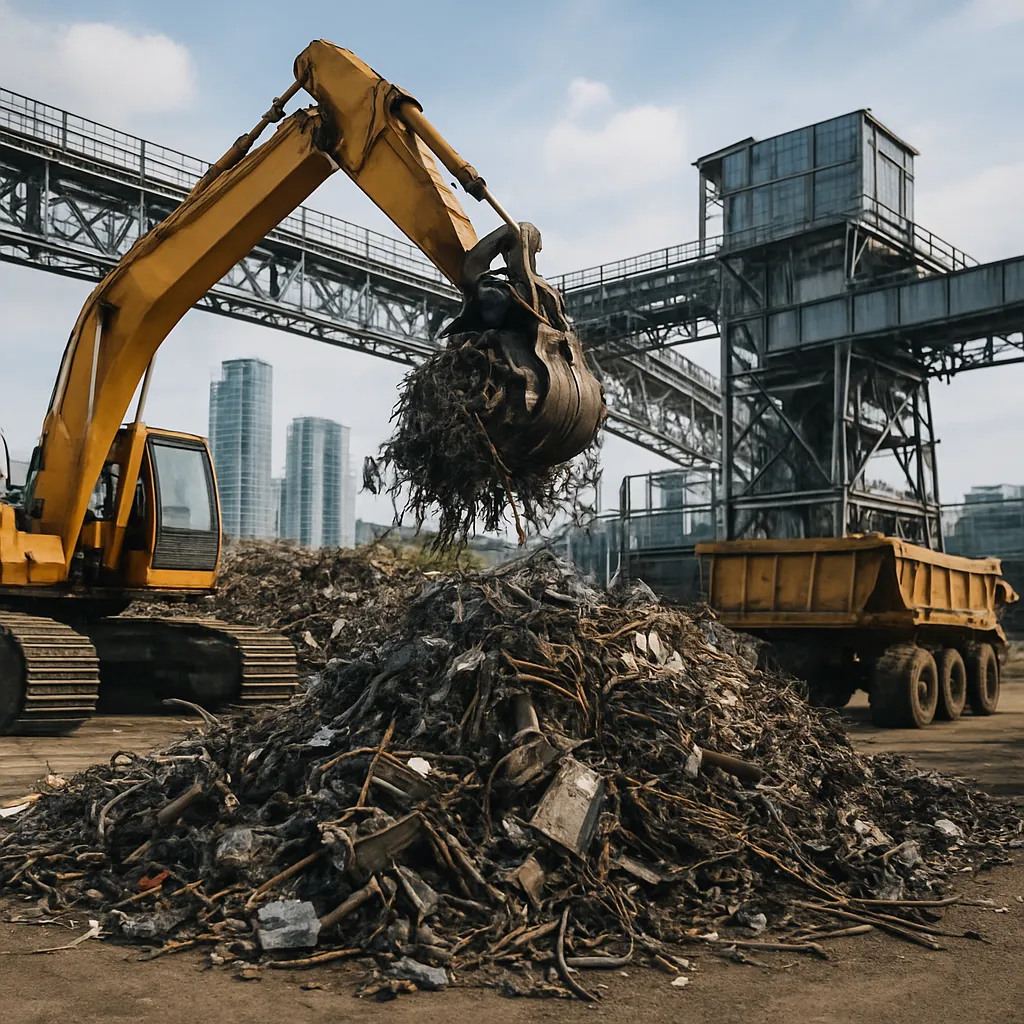
- Urban mining: Commercial-scale battery recycling is expected to supply significant volumes of recovered metals.
Such breakthroughs could temper cyclical swings by injecting incremental supply and accelerating closed-loop material flows. The drive for innovation extends to next-gen energy storage chemistries, which might alleviate pressure on current hot-button elements.
Integration with Renewables
As solar and wind penetration grows, the integration of intermittent renewables with large-scale energy storage becomes paramount. Grid operators and utilities are lining up multi-gigawatt-hour projects, requiring robust metal inputs and modular manufacturing approaches. This convergence cements the role of rare metals in the energy transition narrative.
- Long-duration storage: Flow batteries, compressed air systems and hydrogen storage diversify material needs beyond conventional lithium-ion.
- Distributed assets: Residential and commercial storage installations drive localized demand curves.
- Policy incentives: Renewable portfolio standards and capacity markets grant clearer revenue streams for storage providers.
In this evolving paradigm, financial players are structuring vehicles—royalty streams, streaming agreements and commodity-linked notes—to tap into the underlying metal price appreciation without assuming full operational risks.